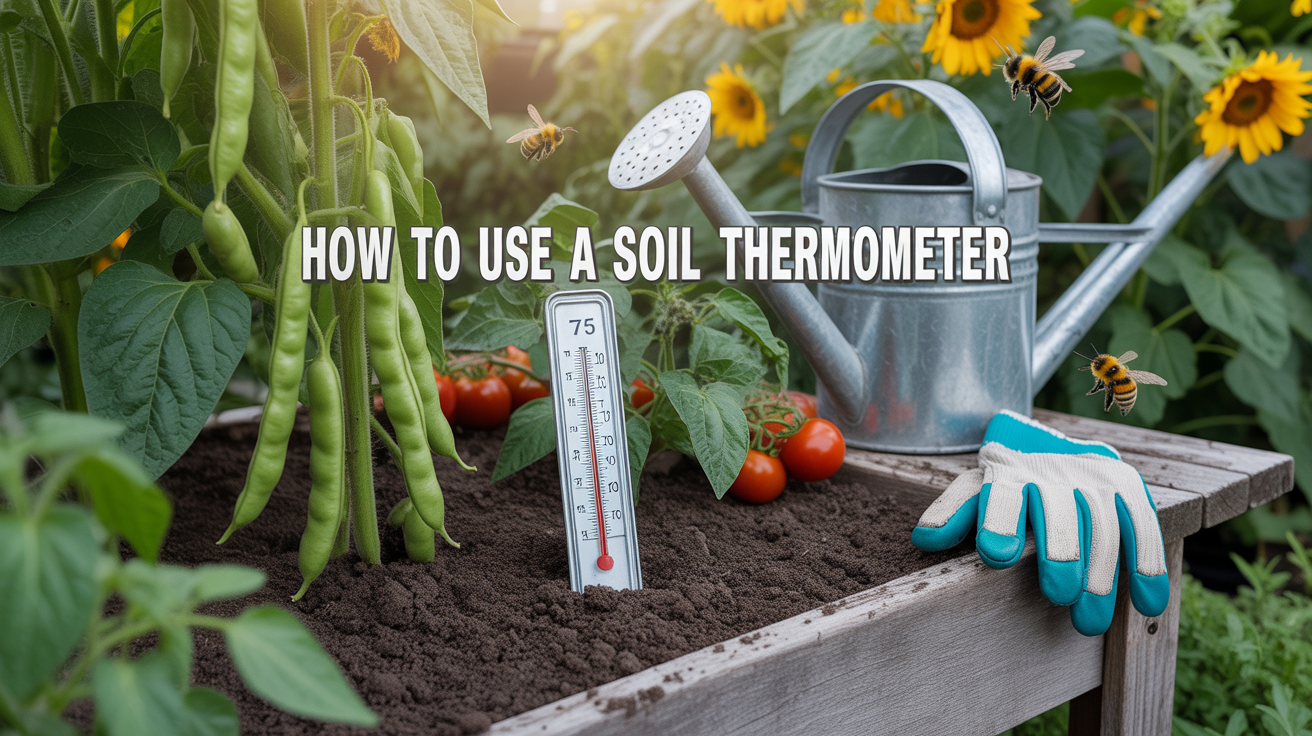
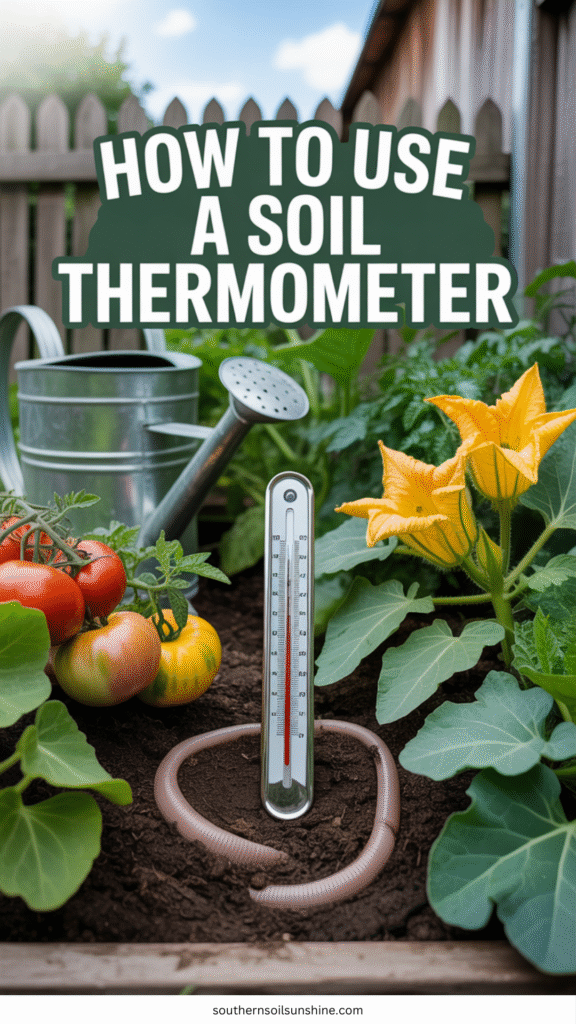
How to Use a Soil Thermometer
Some of the links on this website are affiliate links, which means that if you make a purchase through these links, I may earn a small commission at no additional cost to you. As an Amazon Associate, I earn from qualifying purchases. I only recommend products I genuinely trust and believe will bring value to my readers. Also, some of the content was created with strategic use of AI tools. For more information, please visit the Privacy Policy page. Thank you for supporting my blog and helping me continue to provide valuable content. Gardening is more than growing food—it's where God grows us. If you're hungry for a faith that feels grounded again, I wrote a book for you. Download my free eBook: Rooted in Grace: A Christian Guide to Intuitive Gardening
🌡️I remember the first time I tried to plant green beans in early spring. The seed packet said, “Plant after danger of frost,” so I tucked them in the soil as soon as February warmed. But nothing came up. A week later, I replanted. Still nothing. Only when I stumbled across the idea of a soil thermometer did I realize: the soil was still too cold.
Air temperatures can be deceptive—warm sunny days don’t always mean the soil is ready. Seeds respond to soil warmth, not the calendar. Learning to use a soil thermometer taught me to plant with wisdom, not impatience.
Now, checking soil temperature has become part of my seasonal rhythm. It’s a small tool, inexpensive and simple, but it makes all the difference in knowing when to sow, transplant, or protect. And it’s a spiritual lesson, too: just as seeds wait for the right warmth, so we wait for God’s timing in our lives.
🌱 1. What a Soil Thermometer Is (and Why It Matters)
A soil thermometer is a simple probe that measures the temperature of the soil a few inches below the surface.
Why it matters:
- Seed germination: Each crop has an ideal soil temperature for sprouting.
- Transplants: Warm soil reduces transplant shock.
- Disease prevention: Some soil-borne issues thrive in cold, wet soil.
- Seasonal timing: Helps you know when to sow cool-season vs. warm-season crops.
👉 In Zone 9, where seasons blend and air temps fluctuate wildly, soil thermometers give you truth instead of guesswork.
🪴 2. How to Use a Soil Thermometer
Step 1: Insert the Probe
- Push the thermometer 2–4 inches into the soil (root zone depth).
- For seeds, check at the depth you’ll be planting.
Step 2: Wait and Read
- Leave the probe for 1–2 minutes.
- Read the temperature on the dial or digital screen.
Step 3: Take Multiple Readings
- Check in several spots, especially in raised beds or different exposures.
- Morning readings are most accurate since soil hasn’t warmed from sun yet.
👉 Tip: Record your readings in a garden journal—you’ll see patterns year to year.
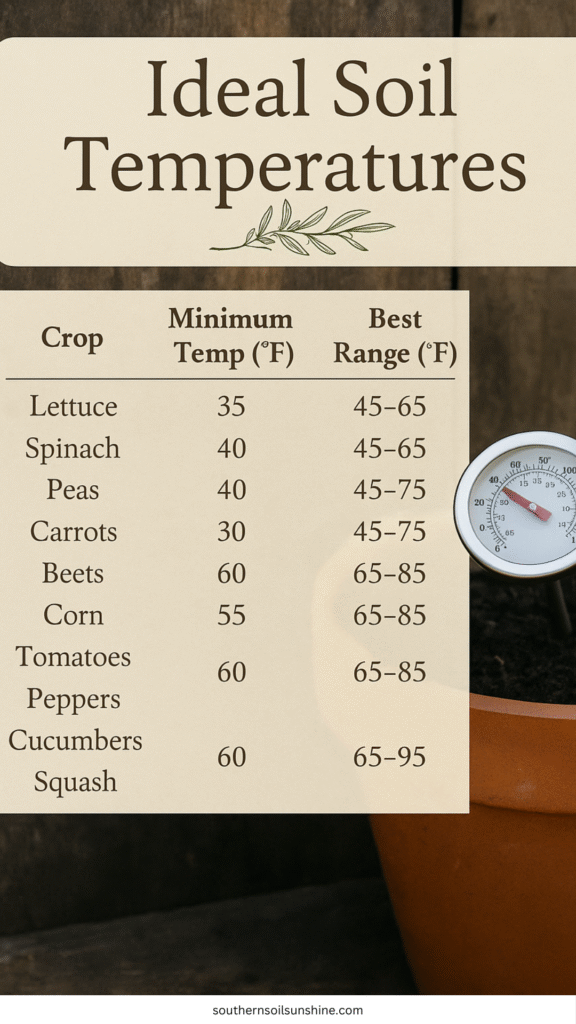
🌿 3. Ideal Soil Temperatures for Common Crops
| Crop | Minimum Temp (°F) | Best Range (°F) |
|---|---|---|
| Lettuce, Spinach | 35 | 45–65 |
| Peas | 40 | 45–75 |
| Carrots, Beets | 40 | 50–75 |
| Beans | 60 | 65–85 |
| Corn | 55 | 60–95 |
| Tomatoes, Peppers | 60 | 65–85 |
| Cucumbers, Squash | 60 | 65–95 |
Zone 9 insight: We can often plant cool crops in late fall/winter, but warm crops like beans, corn, and peppers still need truly warm soil in spring.
🌞 4. Using Soil Thermometers Seasonally in Zone 9
- Late Winter (Feb–Mar): Test before sowing peas, carrots, or lettuce.
- Spring (Mar–Apr): Check soil for beans, corn, squash—don’t rush.
- Summer (May–Aug): Soil is often hot—mulch to moderate temps.
- Fall (Sep–Oct): Ensure soil is cool enough before planting brassicas.
- Winter (Nov–Jan): Use thermometer to decide whether to sow cool-season greens or pause.
Soil temperature is your true seasonal calendar.
🍂 5. Troubleshooting with Soil Temperature
- Seeds not sprouting: Soil too cold or too hot.
- Seedlings wilting after transplant: Soil too cold—wait until it warms.
- Slow growth: Soil temps below ideal range stall roots.
- Bolting greens: Soil too hot pushes lettuce and spinach to flower early.
👉 Knowing the soil’s truth saves time, seeds, and frustration.
🌼 6. Caring for Soil Temperature
You can influence soil temps with simple practices:
- Mulch: Keeps soil cooler in summer, steadier in winter.
- Raised beds: Warm up earlier in spring, cool faster in fall.
- Row covers/plastic: Warm soil for early planting.
- Shade cloth: Keeps soil cooler for longer lettuce and spinach harvests.
Managing soil temperature is one of the most powerful, yet overlooked, gardening tools.
🙏 7. Faith Reflection: Waiting for the Right Season
Checking soil temps reminds me that not everything can be rushed. Seeds won’t sprout just because I’m eager—they wait for warmth. In the same way, God asks us to wait for His timing.
Ecclesiastes 3:1 says, “To everything there is a season, and a time to every purpose under heaven.” A soil thermometer in my hand becomes a daily reminder of this truth.
📝 Journal Prompt ✍️
What area of your life feels like it’s “not sprouting” yet? How might God be inviting you to trust His timing instead of forcing results?
🌿 Grace Note
Friend, soil doesn’t lie—it tells the truth of readiness. So does God. May you find peace in the waiting, trusting that in the right warmth and season, new growth will surely come.
✨ Free Printable
👉 Download your Soil Thermometer Quick Guide, including:
- Step-by-step instructions for use
- Ideal soil temperature chart for common crops
- Seasonal checklist for Zone 9
- Reflection prompt + grace note
🌻 Related Garden Wisdom
- Related: Daily Irrigation Checks: What to Look For
- Related: Frost Protection Basics for Beginners
- Related: Planting Garlic in Zone 9: A Simple Guide
- Related: Creating a Summer Garden Observation Habit
🎧 Podcast & 📖 eBook Mentions
For more encouragement, listen to The Rooted in Grace Podcast, where I share rhythms of soil and soul. And if you’d like to root your life in intuitive, grace-filled gardening, explore my eBook Rooted in Grace: Intuitive Gardening for the Soul.
🍁 Final Thoughts
Using a soil thermometer may seem like a small step, but it can transform your gardening. It gives you clarity, confidence, and better harvests—while teaching the deeper lesson of waiting for the right season.
So pick up that little tool, press it into the soil, and listen. The soil has a story to tell, and it may be the same one God is whispering: Not yet. Soon. Now.



2 Comments