
End-of-Season Fall Garden Bed Cleanup
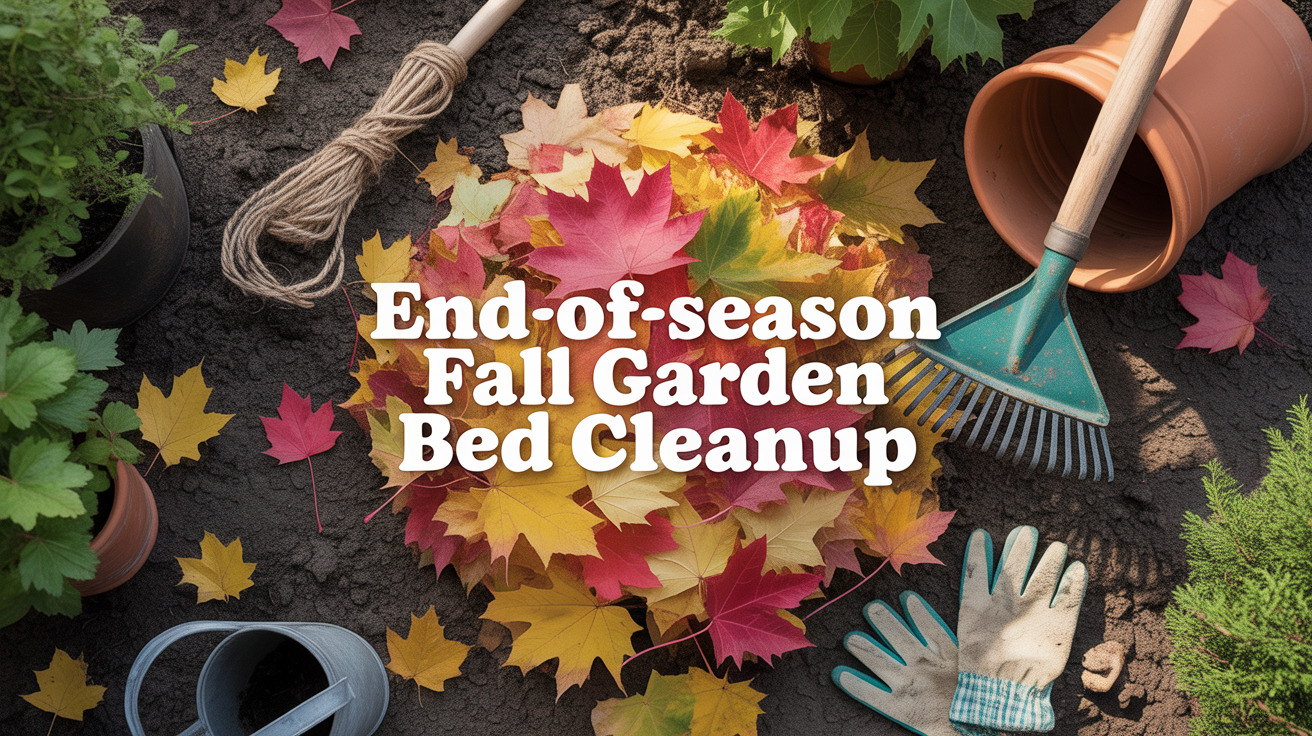
End-of-Season Fall Garden Bed Cleanup: A Time for Stewarding, Resting, and Renewal 🍂
Every season has its rhythm. Spring is for planting with hope, summer for tending with intention, autumn for harvesting with gratitude—and then comes the quieter, gentler work of clearing. End-of-season cleanup is one of those garden chores that feels both bittersweet and hopeful. On one hand, you’re pulling up what has finished, sometimes with sadness at plants that didn’t thrive or dreams that didn’t quite bloom. On the other hand, you’re making space for rest, renewal, and the abundance that the next season will bring.
In Zone 9, our seasons are long and often blur together like watercolors on damp paper. But even here in the Houston suburbs, where summer seems eternal and winter arrives gently, the soil benefits deeply from intentional pauses. Cleaning up garden beds doesn’t mean stripping them bare or leaving them exposed to our intense Texas sun. It means stewarding what remains, protecting soil health, and preparing faithfully for future abundance.
I’ve come to see end-of-season cleanup as a spiritual rhythm, too. Just as I clear away weeds and spent vines, ask God to help me clear away the clutter in my own soul—the distractions, regrets, and unfinished tasks—so I can step into a new season with space to breathe. When we tend the garden with intention and grace, we tend our own hearts at the same time. 🌱
Free eBook
Rooted in Grace
A Christian guide to intuitive gardening — the whole book, free. Tell me where to send it and it’s yours in a minute.
Why Bed Cleanup Matters in Zone 9
Before we dig into the how-to, let’s pause and reflect on the why. Understanding the purpose behind cleanup helps us approach the work as stewardship rather than chore.
Sanda’s Tip: Think of cleanup as stewardship—you’re giving back to the soil what it needs to thrive again. When we care for the earth beneath our feet with intention, we’re honoring the gift of growing things.
Soil Health and Disease Prevention: Our Houston humidity and warm winters create the perfect conditions for fungal diseases, root rot, and persistent pests to overwinter in plant debris. Removing diseased or pest-ridden plants now prevents problems from exploding next spring when temperatures warm.
Weed Control: Fall is when many weeds set seed for spring germination. By removing weeds before they drop seed—especially aggressive perennials like Bermuda grass and Johnsongrass—you’re preventing months of extra work down the road.
Space for Renewal: Beds left completely unmanaged often degrade through compaction, erosion, and nutrient depletion. Even in Zone 9’s mild climate, intentional cleanup prevents that slow decline.
Mental and Spiritual Reset: A tidy garden helps you rest, reflect, and plan forward with clarity. There’s something restorative about closing one chapter and preparing the space for the next.
What to Remove (and What to Leave) 🌿
This is where observation comes first. Walk through your beds and really look at what’s there. Not every plant needs to come out, and not every root should be buried.
What Definitely Goes
Spent annuals: Tomatoes, beans, squash, cucumbers—pull these by the roots once they’ve finished producing. In our Houston heat, many summer annuals are truly done by late fall or early winter.
Diseased or insect-damaged plants: This is critical. Don’t compost these—dispose of them in the trash or burn pile. Diseased foliage left in beds or compost piles can harbor problems for next season. This includes plants with fungal spots, powdery mildew, or visible pest damage.
Weeds going to seed: Any weed that has flowered or is setting seed needs to go before it spreads.
Stakes, cages, and supports: Remove these for cleaning and storage. Sanitizing them now prevents disease carryover.
What Can Stay (or Come Back Next Season)
Healthy root systems: If you’ve grown a plant that had healthy foliage but is now dormant or done, you can often leave the roots in place to decompose and add organic matter to the soil.
Perennials and woody herbs: Rosemary, oregano, thyme, sage, and winter kale should stay put. These beauties keep producing through our mild winters and often thrive when left undisturbed.
Volunteer plants you love: Sometimes tomatoes, squash, or herbs reseed themselves. If you want to keep them, mark the spot and leave them be.
Organic mulch layers: Existing mulch or leaf litter can stay and decompose in place, adding fertility as it breaks down.
Sanda’s Zone 9 Note: Be careful leaving any diseased plant material in place—our humidity means fungal spores can survive dormancy and activate again in spring. When in doubt, remove it. It’s better to err on the side of caution with disease prevention.
Step-by-Step Cleanup: The Intuitive Gardening Way 🌞
Cleanup doesn’t have to happen in one marathon day. In fact, spreading it over a week or two allows you to observe, reflect, and respond faithfully to what each bed really needs.
Observe: Walk Your Beds First
Before you pull a single plant, spend time observing. Which beds are dense with healthy perennials? Which have mostly spent annuals? Where do you see disease or pest damage? Where did you have success? This reflection shapes how you’ll approach each space.
Harvest What’s Left
Pick any last green tomatoes, peppers, herbs, or greens. In Zone 9, we often have a second harvest window in late fall that many gardeners miss. Those green tomatoes can ripen on a windowsill. Fresh basil or oregano snipped in November is a gift.
Remove Spent Plants Faithfully
For diseased plants, pull them by the roots to remove all infected material. For healthy plants that are simply done producing, you can cut them at soil level with pruners and leave the roots to decompose in place. This is gentler on the soil structure than yanking up roots.
Weed Thoroughly
This is where patience pays off. Especially target perennial weeds like Bermuda grass—you may need to dig several inches down to get the rhizomes. In Zone 9, winter is actually one of the better times to tackle Bermuda because it’s dormant and weaker. Spring is when it surges with energy.
Clean and Sanitize Supports
Wash tomato cages, stakes, and trellises with a 10% bleach solution (1 part bleach to 9 parts water) to kill any lingering fungal spores or pest eggs. Let them dry completely before storing. This simple step prevents disease from jumping from one season to the next.
Amend Your Soil
Your soil just carried a whole season of crops. Now it’s time to feed it back. Spread 1 to 2 inches of finished compost across the bed. If you have access to aged manure (aged at least 6 months), add a light layer. A dusting of bone meal or rock phosphate restores mineral balance after heavy feeding.
Cover the Beds
Either plant a cover crop or add a protective mulch layer. This is your soil’s blanket through the dormant season.
| Cleanup Task | Best Timing in Zone 9 | Why It Matters |
| Remove diseased plants | Late October–November | Before spores overwinter; disposal prevents spring spread |
| Pull spent annuals | October–early December | After final harvest; makes space for cool-season plants if desired |
| Weed perennials (Bermuda) | November–December | Dormancy makes removal easier; regrowth slower in winter |
| Add compost + amendments | November–early December | Allows time for integration before spring planting |
| Plant cover crops or mulch | November | Cover crops establish before winter; mulch protects through season |
Soil Renewal: Feeding What Feeds Us 🌱
After cleanup, your beds are like canvas waiting for fresh color. This is the time to renew the soil’s vitality.
Compost Layer
Spread 1 to 2 inches of finished compost over each bed. If you don’t have homemade compost, look for bagged compost from local suppliers—it’s often cheaper in bulk and supports local gardens. Work it in lightly with a garden fork, or let winter’s rain and earthworms do the work for you.
Aged Manure
If you can access aged horse or chicken manure (aged at least 6 months), add a thin layer. Aged manure provides slow-release nitrogen and beneficial microbes. Fresh manure can burn plants, so patience is important here.
Mineral Amendments
A light dusting of bone meal provides phosphorus for spring root development. Rock phosphate adds slow-release minerals. Wood ash from a fireplace (if you have one) adds potassium, but use sparingly—too much raises pH and can lock up nutrients.
Cover Crops: The Living Amendment
This is where Zone 9 shines. Our mild winters mean cover crops thrive beautifully, adding green manure and nitrogen by spring.
Sanda’s Zone 9 Note: Crimson clover, hairy vetch, and winter rye are perfect for Houston-area beds. Plant them in November, and by late March, they’ll be lush and ready to till in. The decomposing biomass adds incredible richness to spring soil. It’s like feeding your garden a whole season of nutrients upfront.
Mulching for Rest and Protection 🌿
If cover crops aren’t in the plan, mulch is your soil’s next-best friend. Mulch keeps soil temperature steady through our strange Zone 9 winters, where a 78-degree afternoon can drop into the thirties overnight and climb right back up two days later. That swing is harder on soil life than steady cold ever is, and a blanket of mulch buffers it. It also shields bare soil from the pounding winter rains that would otherwise crust the surface and wash your amendments toward the low corner of the bed.
Three to four inches is the depth I keep coming back to. Less than that and the rain beats it flat within a month; much more and the bed holds water through a wet January, which in the Houston suburbs is a real risk rather than a theoretical one. Whatever material you use, leave a few inches of bare soil around the crown of anything still growing. Mulch pressed up against a rosemary stem or a kale crown traps moisture exactly where you do not want it, and in our humidity that is an open invitation to rot.
The leaves coming down in your own yard right now are the simplest answer, and they cost nothing. Run the mower over a pile of them before you spread them. Whole leaves mat into a wet shingle that water runs off instead of soaking through, but shredded ones knit into a loose layer that breathes and breaks down evenly. By March most of them will have disappeared into the soil, which is exactly the point.
There is something quietly honest about covering a bed you will not plant for months. You are not doing it for a harvest you can see coming. You are doing it because the soil is alive and it keeps working all winter whether or not anyone is watching. That has always struck me as one of the truest pictures of faithfulness I know: tending something carefully in a season when nothing visible is happening, and trusting that what is being built underneath will show itself when the time comes.
Timing Your Cleanup: When Zone 9 Says “It’s Ready”
One thing I’ve learned gardening in the Houston suburbs is that our timeline feels different from the rest of the country. While northern gardeners are wrapping up by September, we’re often still harvesting tomatoes well into November. The question isn’t “should I clean up?” but rather “when does my garden actually tell me it’s finished?”
In Zone 9, that moment varies by plant and year. Summer annuals—tomatoes, peppers, squash, beans—typically give their last breath between late October and mid-November, though you might still see occasional fruit into December during milder years. Tender herbs like basil and cilantro are done the moment frost threatens, which for us usually lands in early-to-mid December. The sweet spot for most cleanup work is November through early January, after the main heat has broken but before spring planting season kicks into high gear.
Here’s what I watch for: When plants start looking tired rather than productive—yellowing leaves, smaller fruits, slower growth—that’s your signal. When the blooms stop coming and the vines seem to pause their climb, the garden is telling you something. Rather than forcing plants to keep producing in weakening conditions, honoring that natural conclusion actually serves both the plant and the soil better. It’s less about a calendar date and more about reading what’s in front of you.
Sanda’s Garden Wisdom: Don’t rush cleanup just because the calendar says so. Our Zone 9 growing season is genuinely longer than most. If your plants are still producing and healthy, let them keep going. The best time to cleanup is when your specific beds are actually ready, not when a guide tells you they should be.
The Disease Factor: Why Our Humidity Changes Everything
I want to be really honest about something that took me years to fully understand: Houston’s humidity is both a gift and a challenge when it comes to end-of-season cleanup. That moisture that makes our soil rich and our growing season long also means fungal spores, root pathogens, and insect eggs survive winter far more easily here than in drier climates.
I’ve made the mistake of leaving “mostly healthy” foliage in beds, thinking the decomposing matter would enrich the soil. Come March, I’d see powdery mildew, leaf spot, or early blight explode across my new plantings. The disease had simply waited out the mild winter, dormant but alive, ready to surge when temperatures warmed and humidity stayed high—which it does, perpetually, in our climate.
This is why disease removal in Zone 9 isn’t negotiable. Any foliage showing spots, discoloration, fuzzy growth, or pest damage needs to come out and go into the trash, not the compost pile. Healthy green material—clean stems, unblemished leaves—can absolutely be left to decompose and add organic matter. But anything showing signs of disease should be treated like it’s contagious, because in our environment, it often is. The few minutes it takes to remove and dispose of diseased plants now saves weeks of treating problems later.
I’ve also learned to clean my tools and supports more thoroughly than most guides suggest. A quick rinse isn’t enough in humid climates. A 10% bleach dip—one part bleach to nine parts water—followed by complete drying really does prevent fungal carryover. I know it sounds obsessive, but once you’ve seen how aggressive diseases can be in a Houston summer, it starts to feel like grace, not paranoia.
The Spiritual Rhythms of Clearing and Renewal
There’s something deeply restful about finishing cleanup and standing back to see bare, amended beds ready for rest. Not barren—amended with compost, marked with cover crops or mulch, still living and breathing. But clear. Ready. At peace.
I think about this moment a lot in terms of my own soul work. We spend so much time adding things—commitments, worries, tasks, possessions—that we forget that growth also requires space. A garden bed packed with last season’s tangle of vines and roots can’t receive new life the way it should. Similarly, hearts packed with unfinished business, regret, and clutter have a harder time opening to what comes next. Cleanup, whether in soil or spirit, isn’t subtraction. It’s making room. It’s saying, “I’m ready for renewal.” It’s stewarding both the earth beneath our feet and the life within our chests with intentionality and hope.
When we clear our gardens faithfully, we practice a kind of trust. We’re saying yes to rest even when we could keep pushing. We’re choosing soil health over convenience. We’re honoring seasons—the season of growth, yes, but also the season of pause. That practice spills over into how we live, how we rest, and how we prepare ourselves to receive whatever abundance the next season holds. 🌱
🛒 Shop This Post
The tools and amendments I actually reach for when I am closing beds down for the season here in Zone 9.
- Fiskars Bypass Pruning Shears For cutting spent plants off at soil level so the roots can stay put and feed the bed.
- 4-Tine Garden Spading Fork Works compost into the top few inches without tearing up the soil structure underneath.
- Down To Earth Organic Bone Meal A light dusting now puts phosphorus in place for spring root development.
- Down To Earth Organic Rock Phosphate Slow-release minerals that keep feeding long after the bed goes quiet.
- Pelleted Organic Chicken Manure Already aged and pelleted, for when you cannot get your hands on farm manure.
- No-Till Cover Crop 13-Seed Mix Clover, vetch and rye for a November sowing that turns into green manure by March.
These are Amazon affiliate links. If you buy through them I earn a small commission at no extra cost to you — and I only link gear I actually use in my own Zone 9 garden.
Ready to Go Deeper in the Garden?
If this article resonated with you, you might be ready for something more than tips.
- Download the FREE Rooted in Grace eBook
- Get the Rooted in Grace Print Book on Amazon
- Join Rooted Reset
- Follow on Instagram – @southernsoils
- Save on Pinterest – @southernsoilsunshine
- Join on Facebook – Southern Soil Sunshine
“The garden is not just a place to grow plants – it is a place to grow yourself.”
Free eBook
Before you go — the book is yours
Rooted in Grace: A Christian Guide to Intuitive Gardening. No cost, no catch. Read it on any device, at whatever pace the season allows.






4 Comments