15 Cost-effective and Creative Ways to Repurpose Holiday Plants
15 Cost-Effective and Creative Ways to Repurpose Holiday Plants 🌿
Y’all, there’s something bittersweet about January in the Houston suburbs, isn’t it? The holidays fade, the decorations come down, and suddenly those beautiful holiday plants sitting on our porches face an uncertain fate. But here’s what I’ve learned through seasons of gardening in Zone 9: nothing has to be wasted. Those festive cyclamen, Christmas cacti, and amaryllis aren’t just temporary treasures—they’re the beginning of something new.
In our warm climate, where we garden nearly year-round, holiday plants become unexpected gifts that keep giving. Instead of tossing them, we can observe what we have, reflect on how they might serve us beyond the season, and respond faithfully by giving them new life. Whether you’re looking to save money, reduce waste, or simply honor the gift of growth, these 15 ideas will help you transform holiday greenery into lasting garden magic.
Free eBook
Rooted in Grace
A Christian guide to intuitive gardening — the whole book, free. Tell me where to send it and it’s yours in a minute.
Understanding Your Holiday Plants in Zone 9 🏡
Before we dive into repurposing ideas, let’s talk about what makes holiday plants special in our Houston climate. Most holiday plants—cyclamen, poinsettias, Christmas cactus, and amaryllis—arrive in our homes accustomed to controlled indoor temperatures. Our Zone 9 warmth (averaging 20-30°F winter lows) offers unique opportunities and challenges that gardeners in colder zones simply don’t have.
The key to successful repurposing is understanding that these plants often need a transition period. They’re like us after the holidays—needing time to adjust to new circumstances. Give them grace, observe their response to our climate, and adjust your care accordingly.
Sanda’s Zone 9 Note: Our mild winters mean holiday plants can often transition outdoors more easily than in northern zones. However, don’t rush the process! Acclimate plants gradually over 7-10 days, increasing outdoor time each day. This prevents shock from the temperature change and intense winter sunlight.
Creating Festive Living Borders with Potted Cyclamen 💗
Potted cyclamen are one of my favorite post-holiday treasures. These delicate beauties, with their jewel-toned blooms in deep reds, blush pinks, and whites, can become permanent garden features when we treat them right in our Zone 9 climate.
Here’s what I’ve discovered: cyclamen love the dappled shade conditions we find under our native trees or on east-facing porches. Instead of composting them after the holidays, group several pots together along a walkway or entryway. The mass of blooms creates a stunning focal point that continues flowering through February and into March.
The magic happens when you observe how cyclamen behave in your specific microclimate. Some gardeners find them thrive in containers on a covered porch; others succeed by planting them directly in garden beds with rich, well-draining soil amended with compost. Water them when the top inch of soil feels dry—never waterlogged—and they’ll reward you with weeks of elegant blooms.
Consider pairing cyclamen with other shade-loving winter bloomers like hellebores or winter-flowering pansies. This layered approach to winter color feels abundant and intentional, transforming what could be an empty garden into a living testament to renewal.
Transforming Christmas Cactus into Year-Round Garden Accents 🌵
The Christmas cactus deserves special mention because it’s one of the most forgiving plants we can repurpose in Zone 9. Unlike true desert cacti, these are tropical epiphytes—they actually prefer dappled shade and consistent moisture. This makes them perfect for our humid climate.
After the holidays, move your Christmas cactus to a semi-shaded spot on a patio or porch. Choose a decorative pot that complements your garden aesthetic—perhaps something in terra cotta or a soft color that lets the magenta or coral blooms take center stage. Layer the bottom with rocks or broken pottery shards for drainage, then fill with a rich potting mix combined with perlite.
What I love most about Christmas cactus is their reliability. Water thoroughly but let the soil dry slightly between waterings. In our Houston heat, you might water more frequently during summer. The plant will naturally want to rest and set buds in fall—honor this by reducing water slightly in September and October. Come December, those glorious blooms return like an old friend.
Many gardeners don’t realize Christmas cactus can eventually become landscape plants in our climate. After a year or two in containers, some thrive when planted in shaded garden beds with excellent drainage. I’ve seen specimens in Zone 9 gardens that have bloomed reliably for decades.
Replanting Amaryllis Bulbs for Repeat Spring Glory 🌹
One of my most rewarding repurposing projects each year involves amaryllis bulbs. These magnificent bloomers seem like one-time gifts, but they’re actually perennials with incredible potential in Zone 9.
After your amaryllis finishes blooming indoors, the work isn’t over—it’s just beginning. Gently remove the bulb from its gift pot and clean away old soil. Inspect it carefully for soft spots or damage, and trim any withered roots with clean scissors. Here’s the faithful part: repot the bulb in fresh, high-quality potting soil mixed with perlite, leaving the top third of the bulb exposed above the soil line.
Place it in a bright location—a sunny window or covered porch works beautifully. Water it moderately. Over the next weeks, you’ll see green shoots emerge. Continue caring for it through spring and summer, fertilizing monthly with a balanced fertilizer. This is when the bulb rebuilds its strength for next season.
By late June or early July, reduce watering and let the foliage naturally yellow and die back. Move the pot to a cool, dark location—a closet or garage works fine. Leave it undisturbed for 8-10 weeks. Come September or October, move it back to a sunny spot and gradually resume watering. By November or December, flower stalks will emerge, ready to bloom again.
Sanda’s Garden Wisdom: Don’t skip the dormancy period! This rest is essential for amaryllis to rebloom. Without it, you’ll have beautiful foliage but no flowers. It seems counterintuitive to hide away something so precious, but this is faith in the natural cycle. Trust the process.
Composting Evergreen Wreaths and Holiday Greenery ♻️
Not all holiday plants survive repurposing, and that’s okay. When your evergreen wreaths start to brown or your garland loses its luster, they become garden gold in a different way.
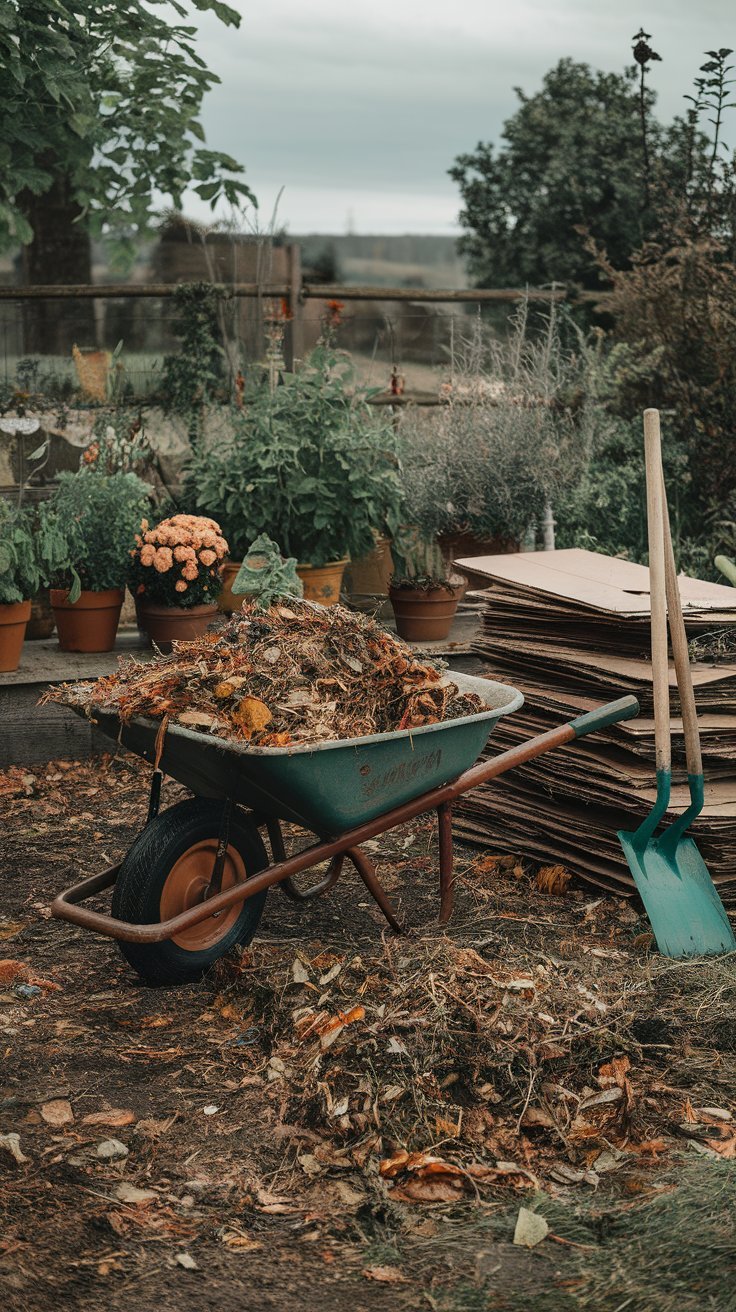
Evergreens decompose beautifully in compost, enriching your soil with organic matter. Remove any wire, decorative elements, or floral foam—these don’t belong in our compost. Break the branches into manageable pieces and layer them into your compost bin or pile with brown materials like shredded leaves and grass clippings.
In our warm Houston climate, compost moves quickly. What takes months in colder zones can decompose in 6-8 weeks during our mild winters and warm springs. The result? Rich, dark compost teeming with life to amend your garden beds come spring.
This practice reflects a beautiful principle of gardening: nothing is wasted. What nourished us aesthetically becomes nourishment for our soil. It’s the cycle of grace in action.
Six More Creative Repurposing Ideas Worth Exploring 🌱
Poinsettia Cuttings for New Plants: Many gardeners don’t realize poinsettias can be propagated from cuttings. In February or March, take 4-5 inch cuttings from new growth, remove lower leaves, dip in rooting hormone, and place in moist potting soil. Keep them warm and humid. By summer, you’ll have rooted plants to grow for next season’s display.
Holiday Flowering Houseplants as Patio Specimens: Plants like kalanchoe, Christmas begonia, and Christmas pepper can transition beautifully to covered patios. They prefer bright, indirect light and well-draining soil. In Zone 9, many survive mild winters outdoors with protection.
Forced Bulbs for Garden Naturalizing: Paperwhites and amaryllis forced for indoor blooms rarely perform well when forced again indoors. However, many gardeners successfully naturalize these bulbs in outdoor beds in Zone 9, where they may bloom (albeit less reliably) in future seasons.
Festive Foliage for Pressed Flowers and Crafts: Don’t overlook the decorative potential of dried holiday plant material. Press delicate foliage, create wreaths from dried stems, or use them in holiday crafts the following year. Store them in a cool, dry place.
Holiday Plants as Humidity-Loving Houseplants: Cyclamen, mums, and similar plants often thrive in bathrooms with bright, indirect light and humidity. Relocate them indoors to these spaces, where they’ll flourish through the year.
Creating a “Holiday Plant Recovery Station”: Dedicate a sheltered porch corner to rehabilitating struggling holiday plants. Many can recover with proper light, water adjustment, and patience. Think of it as plant hospice care—you’d be surprised how many rebound.
| Holiday Plant | Zone 9 Reuse Method | Best Timeline | Cost Savings |
| Cyclamen | Container garden or shade border | January-March bloom, then rest | $15-30/plant |
| Christmas Cactus | Patio specimen or shade planting | Year-round, reblooms annually | $20-40/plant |
| Amaryllis Bulb | Dormancy cycle for rebloom | Year-round cycle, reblooms Dec | $25-60/plant |
| Poinsettia | Cutting propagation or compost | February-March propagation | $10-20 creates multiple plants |
| Evergreen Wreaths | Compost material | January-March composting | Creates $50+ soil amendment |
The Microclimate Advantage: Understanding Your Specific Garden Space 🌳
Here’s something I’ve noticed over years of guiding gardeners through repurposing projects in Zone 9: the success of any holiday plant revival depends less on the plant itself and more on where you place it. Our Houston suburban landscape offers such varied microclimates—from full sun exposure to dense oak-tree shade, from wind-swept fence lines to sheltered corners—that we’re really working with multiple growing zones within our own yards.
When you bring a holiday plant home from the store, pause before deciding its fate. Spend a few days observing your garden’s patterns. Where does morning sun warm the porch? Which corners stay damp longest after our rare winter rains? Where does afternoon heat reflect off walls or fences? Which spots receive dappled, filtered light from native trees?
Cyclamen, for instance, will languish in full sun but absolutely thrive in that east-facing spot under your crepe myrtle. Christmas cactus prefers the humid semi-shade near your patio’s corner, away from harsh afternoon light. Amaryllis bulbs need bright but indirect light to rebuild strength. This isn’t just placement—it’s listening to what each plant needs and responding with intention.
The most successful repurposing I’ve witnessed happens when gardeners stop thinking about where the plant “should” go and start thinking about where the plant will actually flourish in their unique setting. This might mean clustering all your shade-loving plants under one tree, or creating a “specimen corner” on a protected porch where less hardy plants get premium real estate. Your garden’s microclimates are gifts to work with, not problems to overcome.
The Second-Year Abundance: What Happens When Plants Settle In 🌸
There’s a magical shift that happens in year two of repurposing. The first year often feels experimental—you’re learning, adjusting, sometimes losing plants. But when a cyclamen returns reliably each winter, or an amaryllis bulb produces not one but three flower stalks, or that Christmas cactus explodes with blooms, something shifts in your relationship with the plant. It’s no longer a holiday trinket; it’s becoming part of your garden’s permanent story.
In Houston’s climate, this transition happens faster than in colder regions. Our mild winters mean plants rarely go fully dormant. Instead, they slip into a gentle rest period where growth slows but life continues. This means your amaryllis might send up leaves within weeks of its dormancy period, your cyclamen might begin setting new buds by late winter, and your Christmas cactus might surprise you with unexpected blooms outside its scheduled season.
I’ve found that the second year is when gardeners discover the true cost savings of repurposing. That $20 cyclamen plant from January becomes three pots of cyclamen by the next season through careful division. The single amaryllis bulb produces more bulblets during dormancy, eventually creating multiple plants. What looked like a single $30 investment becomes a collection worth hundreds. Beyond the financial benefit, there’s something deeply satisfying about watching something you’ve tended through seasons come back stronger, fuller, more established.
The key to reaching year-two abundance is resisting the urge to discard plants too quickly. If a plant looks tired or weak by March, don’t assume it’s failed. Move it to your recovery corner with appropriate light and water, let it rest undisturbed through hot summer months, and watch what unfolds. Some of my most thriving plants now were ones I almost composted in their first difficult spring.
Seasonal Transitions: Reading Your Plant’s Signals as Winter Wanes 📍
February and early March are critical months in Zone 9 for reading what our holiday plants are telling us. As days lengthen and soil temperatures gradually rise, plants begin signaling whether they’re thriving, struggling, or ready for a change. Learning this language ensures your repurposing efforts land successfully.
A healthy cyclamen that plans to overwinter will maintain firm, upright growth and continue producing new flower buds through February. If leaves begin yellowing and stems feel soft, it’s signaling stress—usually from inconsistent watering or inadequate drainage. An amaryllis that’s completed its blooming cycle will naturally shift energy to foliage growth as daylight increases; pale, reaching leaves are normal and healthy. A Christmas cactus that’s been indoors all winter will often look somewhat pale when first moved to outdoor light; this is acclimation, not damage.
The plants that struggle most are those whose signals we misread. A cyclamen that looks wilted doesn’t necessarily need more water—Houston’s humidity means it’s more likely gasping from waterlogged soil. An amaryllis with fading foliage isn’t dying; it’s naturally transitioning as it redirects energy to the bulb. These are moments to pause, observe carefully, and respond according to the plant’s actual needs rather than our assumptions.
By mid-March, you’ll have clarity on which plants are settling into your garden and which aren’t suited to your space. The successful ones deserve acknowledgment and continued investment. The struggling ones deserve an honest assessment—sometimes the most faithful response isn’t fighting to keep a plant alive in unsuitable conditions, but composting it and learning from the experience for next season.
Repurposing holiday plants teaches us something beautiful
Ready to Go Deeper in the Garden?
If this article resonated with you, you might be ready for something more than tips.
- Download the FREE Rooted in Grace eBook
- Get the Rooted in Grace Print Book on Amazon
- Join Rooted Reset
- Follow on Instagram – @southernsoils
- Save on Pinterest – @southernsoilsunshine
- Join on Facebook – Southern Soil Sunshine
“The garden is not just a place to grow plants – it is a place to grow yourself.”
Free eBook
Before you go — the book is yours
Rooted in Grace: A Christian Guide to Intuitive Gardening. No cost, no catch. Read it on any device, at whatever pace the season allows.