10 Compelling Reasons to Start Seeds Indoors
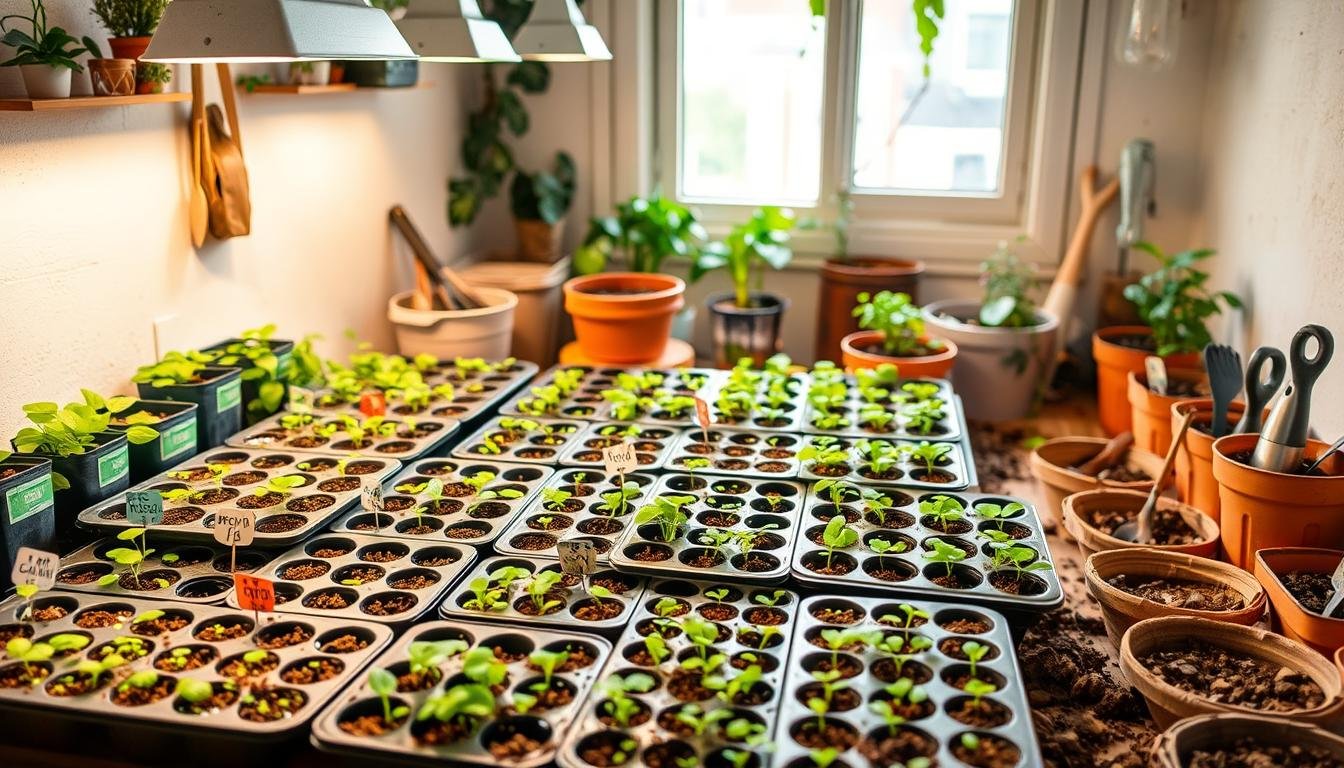
10 Compelling Reasons to Start Seeds Indoors This Season 🌱
There’s something sacred about holding a seed in your palm—that tiny promise of growth, waiting for the right conditions to flourish. Starting seeds indoors isn’t just a gardening trend; it’s a practice rooted in patience, hope, and the kind of intentional care that transforms both gardens and gardeners. Here in Zone 9, where our growing season dances to a different rhythm than much of the country, seed starting becomes more than convenience—it becomes necessity mixed with opportunity.
As we move into 2025, I want to invite you into this rewarding practice. Whether you’re a seasoned gardener or someone who’s never started a seed in your life, indoor seed starting offers benefits that ripple through your entire growing season. Let’s explore together why this practice has captivated gardeners for generations, and how it can transform your Houston-area garden. 🌿
Free eBook
Rooted in Grace
A Christian guide to intuitive gardening — the whole book, free. Tell me where to send it and it’s yours in a minute.
Why We Start Seeds: A Faithful Approach
Before we dive into the practical reasons, let me share this: seed starting teaches us something beautiful about faith. We plant these tiny seeds indoors, trusting that with the right conditions—light, warmth, moisture, and time—they’ll become thriving transplants. There’s a spiritual parallel there that I never tire of, and it reminds us that good things often require us to start small and tend carefully. Now, let’s talk about why this practice matters for you, specifically here in our South Texas corner of the gardening world.
The 10 Reasons Your Garden Needs Indoor Seed Starting
1. Extend Your Growing Season (The Game-Changer)
Here’s what most gardeners miss: in Zone 9, our heat arrives early and stays late. By the time summer really settles in around June, many cool-season crops have already thrown in the towel. This is where indoor seed starting becomes your secret advantage. 🎯
When you start seeds indoors in January, you’re not waiting for spring—you’re already ahead of it. Imagine transplanting robust tomato and pepper seedlings into your garden beds in early March while gardeners in northern zones are still planning. Those extra weeks of growth mean you’ll harvest earlier, produce more, and enjoy better results before our intense Texas heat peaks in July.
For example, start cucumber seeds indoors by mid-January, and you’ll have flowering plants by late March. This gives you a window to harvest crisp cucumbers before heat stress reduces pollination and fruit set. Similarly, cool-season crops like lettuce, spinach, and broccoli can be started in late summer (August indoors in a shaded area) for a robust fall garden harvest before our first frost around December.
Sanda’s Zone 9 Note: Our frost dates run approximately April 15 (last spring frost) and November 15 (first fall frost). This gives us roughly 214 days of frost-free weather—but that’s not the whole story. Start thinking in terms of cool-season and heat-tolerant season plantings. Indoor seed starting lets you maximize both.
2. Dramatic Cost Savings 💰
I’ll be honest—I love the nursery. The rows of colorful seedlings call to me every spring. But when I calculate what I’d spend filling even a modest garden bed with transplants at $3 to $5 each, the numbers tell a different story. A single $2.50 packet of seeds often contains 50-100 seeds, yielding dozens of healthy plants that cost you mere pennies each.
Think about it practically: one packet of lettuce seeds produces enough seedlings to fill multiple beds throughout the entire season. Over a year of gardening, the difference between buying transplants and starting seeds adds up to real money—money you could invest in better soil, mulch, or those special heirloom varieties you’ve been eyeing.
There’s an upfront investment, yes. Quality grow lights, seed trays, and good seed-starting mix require initial spending. But here’s the faithful gardener’s perspective: these are tools you’ll use year after year. After the first season, your cost per plant drops dramatically, and you’re not just saving money—you’re stewarding resources wisely.
| Item | Nursery Cost (per plant) | Seed-Started Cost (per plant) | Annual Savings (12 plants) |
| Tomato seedlings | $3.50 | $0.08 | $41.04 |
| Pepper seedlings | $4.00 | $0.07 | $47.16 |
| Lettuce seedlings | $2.50 | $0.05 | $29.40 |
| Herb seedlings | $3.00 | $0.06 | $35.28 |
3. Unlock Infinite Variety (Your Garden, Your Way)
One of the most transformative discoveries I made as a gardener was realizing that seed catalogs offered varieties that never appeared at our local garden centers. Have you ever wished you could grow a specific heirloom tomato or a heat-loving basil variety that actually thrives without bolting in Texas heat?
When you start seeds indoors, you’re no longer limited to what’s available on the nursery shelf. You have access to heirloom varieties, rare cultivars, and plants specifically bred for challenging climates. Want to try ‘San Marzano’ tomatoes for authentic marinara? Grow ‘Moon and Stars’ watermelons with their stunning speckled rinds? Experiment with ‘Everleaf Thai Tower’ basil that handles our brutal summers better than typical varieties?
This freedom is about more than novelty—it’s about creating a garden that reflects your personality, your tastes, and your climate realities. Your garden becomes an expression of your values and creativity.
4. Complete Control Over Growing Conditions
When you start seeds indoors, you’re not gambling on whether conditions are “right.” You’re creating the right conditions intentionally. Temperature, humidity, light duration, and soil moisture are all in your hands. This matters tremendously in Zone 9, where outdoor conditions can swing unpredictably in early spring.
Our Houston-area late freezes—those surprise cold snaps in March when seedlings are tender—are less of a threat when you’re controlling the environment. You can harden off seedlings gradually rather than rushing them outdoors and having them damaged by unexpected cold.
Sanda’s Tip: Don’t rush transplanting! Even though we might have warm days in late February and early March, Zone 9 gardeners should wait until after our average last frost date (around April 15) for heat-lovers like tomatoes and peppers. Starting seeds indoors doesn’t mean putting them outdoors early—it means having strong, acclimated transplants ready to go at the perfect time.
5. Stronger, Healthier Transplants (The Visible Difference)
There’s a noticeable difference between a seedling you’ve nurtured from germination and a transplant that’s been sitting in a nursery cell for weeks. When you start your own seeds, you’re there through every stage—watching the first true leaves emerge, adjusting light as they grow, strengthening stems through gentle air circulation.
These home-started seedlings tend to transplant with less shock because you’ve been acclimating them to your conditions from the start. They’re stronger, their root systems are better developed, and they’re ready to hit the ground running when they go into the garden.
6. The Joy of Observation and Connection 🌿
Let me be real with you: starting seeds indoors connects you to the rhythms of growth in a way that buying transplants never can. You’re watching daily as seeds germinate, as seedlings develop their first true leaves, as tiny plants strengthen and mature. There’s something spiritually grounding about this kind of intentional observation.
This practice ties directly into what I call intuitive gardening—observing carefully, reflecting on what you see, and responding faithfully. You’ll learn to read your plants’ needs by watching them closely. Is that yellowing a sign of nitrogen deficiency or overwatering? You’ll know because you’ve been watching.
7. Customize Your Seed-Starting Mix
Nursery soil isn’t always ideal for seed starting, and it can carry pathogens or inconsistent drainage. When you start seeds indoors with a custom mix—typically peat moss or coconut coir, perlite or vermiculite, and worm castings—you control every component. This reduces disease pressure and ensures consistent moisture retention without waterlogging.
For Zone 9 gardeners, using quality seed-starting mix means your seedlings establish strong roots in conditions that support their transition to outdoor planting. This matters when those roots will eventually face our dense, clay-heavy Houston soils.
8. Timing Flexibility for Our Unique Season
Zone 9 has two distinct growing seasons that northerners rarely think about. We have spring crops (planted in late winter through early spring) and fall crops (planted in mid to late summer for autumn harvest). Indoor seed starting gives you control over both.
Start cool-season crops indoors in August in a shaded location or under controlled conditions, and you’ll have transplants ready for the garden by September when fall planting begins. This timing flexibility is impossible without indoor seed starting, because direct outdoor seeding in August would burn up in our heat.
9. Reduced Pest and Disease Pressure Initially
Seedlings started indoors under controlled conditions are less likely to encounter the host of pests that can decimate young plants outdoors. Slugs, cutworms, and various insects haven’t found your indoor seedlings yet. This head start means your plants are already well-established before facing outdoor pest pressure.
Similarly, fungal and bacterial diseases are less common indoors. When you gradually harden off seedlings (acclimating them to outdoor conditions over a week or so), they’re strong enough to handle the transition without succumbing to damping-off or other seedling diseases.
10. The Gift of Growing from Seed
Here’s what I wish every gardener understood: there’s something deeply rewarding about completing the entire cycle from seed to flowering plant to harvest. You’re not just gardening; you’re participating in creation. You’re stewarding life from its very beginning.
This matters especially if you’re teaching children to garden. There’s no more powerful lesson than watching a child’s face when they realize that the tiny seed they planted is now a tomato plant producing actual tomatoes. That’s not just gardening education—that’s life transformation.
Getting Started: The Practical Path
Understanding Houston’s Humidity and Seedling Success
Our subtropical climate presents a unique gift and a unique challenge for indoor seed starting. The humidity that makes our summers feel heavy can actually work in your favor once you understand it. Unlike gardeners in arid regions who struggle to keep seedlings from drying out, we’re naturally battling the opposite—managing excess moisture around tender seedlings.
Here’s what I’ve learned through trial and adjustment: standard seed trays with humidity domes work beautifully for the first week or two after germination, but by the time true leaves emerge, you’ll want to remove those domes for increasing air circulation. Our air, even indoors, tends to be moisture-rich. Without good airflow, fungal issues develop quickly on seedling stems.
Position a small oscillating fan near your seedling area—not blowing directly on the plants, but creating gentle, consistent air movement. This mimics outdoor breezes and strengthens stem development while preventing the damping-off fungus that thrives in still, humid conditions. I typically run mine for 2-3 hours in the morning and evening. It sounds like a small detail, but it’s transformed my seedling success rate dramatically.
The Sweet Spot: Light Duration for Zone 9 Timing
Most general gardening advice suggests 14-16 hours of grow light daily for seedlings, and that’s solid guidance. But in Zone 9, where we’re starting seeds earlier to beat the heat, there’s a nuance worth considering. When you start tomato and pepper seeds in January, your natural daylight is still quite short. Your seedlings are relying almost entirely on grow lights, which means consistent, quality lighting becomes absolutely critical.
I recommend LED full-spectrum grow lights positioned 2-4 inches above seedling leaves, adjusted upward as plants grow. Run them on a timer for 15-16 hours daily. The advantage of starting earlier in our zone is that by the time mid-February arrives and daylight naturally increases, your seedlings are already sturdy. You can then transition them to a sunny south-facing window or greenhouse where natural light takes over more of the work.
Watch for leggy, pale seedlings as a sign lights are too far away or running insufficient hours. The goal is compact, dark-green growth—plants that look like miniature versions of their mature selves, not stretched-out shadows of what they should be.
Watering Wisdom: The Most Common Failure Point
If I had to identify the single biggest reason home seed starters struggle, it’s overwatering. Our instinct as caregivers is to nurture generously, but seedlings actually prefer consistency over abundance. They need moisture, yes—but not soggy conditions that encourage rot and fungal problems.
The best approach is bottom watering: place your seed trays in a larger container filled with water, allowing the soil to absorb moisture from below for 15-20 minutes, then remove excess water. This ensures even moisture distribution without waterlogging, and it keeps foliage dry (another fungal prevention measure). Check daily by touching the soil surface—it should feel like a wrung-out sponge, never bone-dry and never saturated.
Temperature matters too. Seedlings germinate fastest in warmth (70-75°F is ideal), but once they’ve sprouted, they actually prefer slightly cooler conditions (65-70°F daytime, 60-65°F at night). Many gardeners don’t realize this, keeping their seedling areas too warm, which can stress plants and increase watering needs. If you’re starting seeds on a heat mat for germination, remove seedlings from the mat once they sprout unless your growing area is particularly cold.
There’s a spiritual dimension to this kind of attentive watering, isn’t there? Not drowning seedlings with anxious care, but providing steady, measured attention. It mirrors how we often need to tend our own growth—not in frantic abundance, but in faithful consistency. The gardener who waters thoughtfully, who observes before acting, who trusts in the process rather than forcing growth, discovers that seeds respond to that patient stewardship. This is formation work at its most tangible: learning through our hands what trust and timing actually mean.
Ready to Go Deeper in the Garden?
If this article resonated with you, you might be ready for something more than tips.
- Download the FREE Rooted in Grace eBook
- Get the Rooted in Grace Print Book on Amazon
- Join Rooted Reset
- Follow on Instagram – @southernsoils
- Save on Pinterest – @southernsoilsunshine
- Join on Facebook – Southern Soil Sunshine
“The garden is not just a place to grow plants – it is a place to grow yourself.”
Free eBook
Before you go — the book is yours
Rooted in Grace: A Christian Guide to Intuitive Gardening. No cost, no catch. Read it on any device, at whatever pace the season allows.



3 Comments