Banana Peel Tea: The Secret Potion for Thriving Plants!

Banana Peel Tea: Liquid Gold for Your Zone 9 Garden 🍌
If you’ve ever tossed banana peels into the compost and thought, “There’s got to be more I can do with this,” you’re absolutely right. Banana peel tea is one of my favorite garden hacks—simple, sustainable, and surprisingly effective for us Houston-area gardeners. It’s a gentle, natural fertilizer that gives your plants a potassium boost without overdoing it, and honestly, it’s saved me from wasting kitchen scraps that used to attract every critter in the neighborhood (yes, I’ve learned that lesson the hard way!).
Here in Zone 9, where our growing season stretches long and our summer heat can stress even the toughest plants, having a gentle, homemade nutrient source feels like a small act of stewardship. Let’s walk through how to make it, when to use it in our specific climate, and which plants will thank you the most. 🌿
Free eBook
Rooted in Grace
A Christian guide to intuitive gardening — the whole book, free. Tell me where to send it and it’s yours in a minute.
What Is Banana Peel Tea? 💧
Banana peel tea is exactly what it sounds like—a water-based infusion made by soaking banana peels in water, allowing key nutrients like potassium, phosphorus, calcium, and magnesium to leach into the liquid. These nutrients help with everything from flowering and fruiting to root strength and overall plant resilience.
Think of it as vitamin water for your plants. In our humid Houston climate, where nutrient leaching happens faster due to frequent watering, this gentle supplemental feeding can make a real difference—especially when plants are putting on fruit or flowers.
From a gardening intuition perspective, making banana peel tea embodies the observe-reflect-respond cycle: we observe that banana peels are nutrient-rich waste, we reflect on how to capture that goodness responsibly, and we respond by creating a simple solution that feeds both plants and our commitment to sustainability.
How to Make Banana Peel Tea 🫙
You don’t need any fancy tools or special equipment. Here’s what you’ll need:
| Ingredient | Amount |
|---|---|
| Fresh banana peels | 2–4 peels (from ripe or very ripe bananas) |
| Water | 1 quart to 1 gallon |
| Container | Mason jar, bucket, or repurposed container |
Step-by-Step Instructions
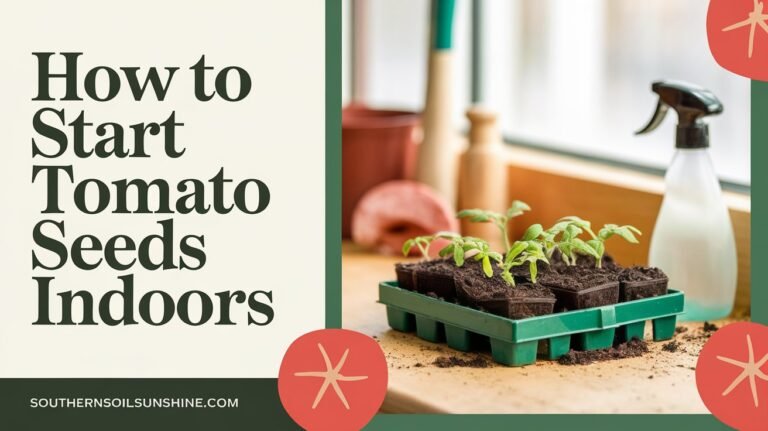
Step 1: Prep your peels. Chop the banana peels into 1- to 2-inch pieces. This optional step speeds up nutrient extraction, which is helpful when you’re eager to feed hungry summer tomatoes.
Step 2: Layer in your container. Place the peels in your jar or bucket—a Mason jar works great for small batches, a 5-gallon bucket if you’re feeling ambitious.
Step 3: Cover with water. Use cool water (our tap water here in the suburbs is chlorinated, which is fine, but if you collect rainwater, that’s even better).
Step 4: Wait patiently. Let the mixture sit for 2–4 days, loosely covered with a cloth or coffee filter to prevent mosquitoes. This waiting period is where faith meets gardening—sometimes the best nourishment takes a little time.
Step 5: Strain and store. Pour the liquid through a fine strainer and toss the softened peels directly into your compost pile. The tea is now ready to use.
Sanda’s Tip: If you’re making banana peel tea during our hot, humid Houston summers, keep your brewing container in a shaded spot. Heat can speed fermentation—which isn’t always a bad thing, but 2–3 days is ideal to avoid unwanted mold or bacterial growth.
Optional Power-Up Add-Ins 🌱
Once you’ve mastered the basic recipe, here are two simple additions that enhance the nutrient profile:
Unsulfured molasses: A teaspoon per quart activates beneficial microbes in the soil, which helps plants actually use the nutrients you’re providing. It’s especially valuable in our clay-heavy Houston soils.
Fish emulsion: A splash of fish emulsion adds nitrogen and trace minerals. Use sparingly—just enough to darken the tea slightly. Be aware that fish emulsion can have a strong smell, which some gardeners (and neighbors) appreciate more than others!
When and How to Use Banana Peel Tea ☀️
Best Times to Apply
In our Zone 9 climate, timing matters. Here’s when banana peel tea shines:
Spring (March–May): Use as plants emerge from winter dormancy and begin their growth surge, especially as tomatoes and peppers start flowering.
Summer (June–August): Apply as a gentle midseason boost during our intense heat. The potassium helps plants handle heat stress better.
Early Fall (September–October): Before our second growing season kicks in, banana peel tea supports energy reserves in perennials and helps transplants establish strong roots.
Application Schedule & Best Practices
| Growing Stage | Frequency | Notes |
|---|---|---|
| Active growth & flowering | Every 1–2 weeks | Prime time for supplemental feeding |
| Fruit production | Every 7–10 days | Potassium supports fruit quality & sweetness |
| Recently transplanted | Every 3–5 days for first 2 weeks | Diluted version recommended |
| Established perennials | Every 2–3 weeks | Less frequent; use as supplement only |
Golden Rules for Application
Water the soil, never the leaves. Apply the tea at the base of the plant, soaking the root zone gently. Wet foliage in our humid climate is an invitation for fungal issues.
Timing is everything. Apply early in the morning (6–8 AM) or late in the evening (after 6 PM). Midday application wastes nutrients through evaporation and can shock heat-stressed plants.
Don’t oversaturate. Use banana peel tea just like you would any liquid fertilizer—a gentle, thorough soaking, not a drowning. Our Houston clay retains water well, so less is often more.
⚠️ Watch Out: During our heavy June–August heat, check soil moisture before applying any tea or fertilizer. If the soil is already moist or waterlogged from afternoon thunderstorms (which happen frequently in Houston), skip the application that day. Overwatering compounds nutrient uptake problems and invites root rot.
Which Plants Love Banana Peel Tea Most? 🍅
| Plant Type | Why They Love It | Zone 9 Notes |
|---|---|---|
| Tomatoes & Peppers | Potassium boosts fruit production & flavor | Apply weekly during our long fruiting season (May–November) |
| Roses & Flowering Shrubs | Encourages abundant, vibrant blooms | Spring & fall blooms respond beautifully; use less in summer heat |
| Squash, Cucumbers & Melons | Supports flower-to-fruit transition | Critical for spring & fall crops; reduces blossom-end rot |
| Houseplants | Gentle, all-purpose nourishment | Use diluted (1 part tea to 2 parts water) for tender tropicals |
| Leafy Greens | Minimal benefit—focus on nitrogen instead | Use sparingly; stronger nitrogen fertilizers better for lettuce & kale |
Reading Your Plants’ Signals: When Banana Peel Tea Isn’t Enough
One of the most important gardening skills we can develop here in Zone 9 is learning to read what our plants are actually telling us. Banana peel tea is wonderful, but it’s not a cure-all, and sometimes our plants need us to dig deeper into what’s really going on beneath the surface.
If you’re applying banana peel tea faithfully and your tomatoes still show yellowing leaves, stunted growth, or pale new growth, the issue might not be potassium at all. In our Houston clay soils, nutrient lockup is common—meaning nutrients are present but the soil chemistry prevents plants from accessing them. This happens especially when soil pH drifts too alkaline (which our clay naturally tends toward) or when soil compaction restricts root development.
Before increasing fertilizer applications, pause and observe. Are the oldest leaves yellowing while new growth stays green? That’s typically nitrogen hunger, not a potassium issue. Does yellowing appear between the veins while veins stay green? That suggests iron or magnesium deficiency, often connected to pH imbalance rather than nutrient scarcity. A simple soil test through Texas A&M AgriLife Extension (our local resource here in Houston) costs around $10 and reveals pH, nutrient levels, and organic matter content—far cheaper than guessing with more fertilizer.
Banana peel tea works best as part of a holistic picture: healthy soil structure, appropriate watering for our clay, pH management, and mulching to moderate temperature extremes. When all these elements align, the potassium in your homemade tea becomes truly bioavailable, and plants respond with vigor. When something’s amiss in the foundation, even the best tea becomes a band-aid on a deeper problem.
Summer Stress & Potassium: Our Houston Heat Connection 🌡️
If there’s one season when banana peel tea earns its place in our gardening arsenal, it’s our brutal Houston summer. Between June and August, when daytime temperatures consistently climb into the 95–100°F range and nighttime lows barely dip below 75°F, plants experience real physiological stress. Their metabolism shifts into survival mode, and while they’re fighting heat, they’re also more vulnerable to pests, diseases, and nutrient deficiencies.
Potassium plays a crucial role in heat stress management that many of us overlook. This nutrient helps regulate a plant’s water movement and transpiration—essentially, it helps plants manage their internal water balance when external conditions are scorching. Strong potassium levels improve stomatal function (those tiny pores on leaves that control water loss), which means your plants can “breathe” more efficiently without desiccating. It’s why commercial heat-stress fertilizers always emphasize potassium; it’s not marketing, it’s plant physiology.
During our June peak, when your tomatoes are in full production and the heat is relentless, applying banana peel tea every seven to ten days (rather than every two weeks) can genuinely make the difference between plants that merely survive the heat and plants that continue thriving. We’ve seen this in our own gardens: the same pepper plant watered with banana peel tea every week will produce more prolifically through summer heat than an identical neighbor receiving general watering only. The difference isn’t dramatic—perhaps 20–30% more yield—but in a challenging climate, that margin matters.
One important caveat for our specific region: our summer afternoon thunderstorms can deposit an inch or two of rain in fifteen minutes, saturating our already-heavy clay soil. On weeks when we’ve had substantial rainfall, skip the banana peel tea application. Overwatering combined with heat stress creates an entirely different problem—root suffocation and bacterial wilting. Let your soil be your guide. If it’s still moist two inches down after a storm, the plants have received their water for that cycle.
Composting the Spent Peels: Closing the Circle
After you’ve strained your banana peel tea and collected that nutrient-rich liquid gold, don’t overlook what remains—those softened, spent peels sitting in your strainer. Many gardeners assume these are trash, but they’re actually valuable compost material, especially here in Houston where our soil is crying out for organic matter.
The peels have already given up much of their readily-soluble nutrients to the water, but they still contain fiber, calcium, and slower-release minerals that will break down over weeks and months in your compost pile. More importantly, they contribute volume and structure to compost, helping it achieve that crumbly, dark, earthy texture we all dream of—and that our clay desperately needs to become workable.
Toss those spent peels directly into your active compost pile. If you don’t have a compost system yet, consider starting one this season. Even a simple three-bin setup or a repurposed plastic storage container can transform kitchen scraps and garden waste into black gold. In our Zone 9 climate, with our warm winters and year-round growing season, we can compost almost continuously. Decomposition happens faster here than in cooler regions, which means you’ll cycle through finished compost more frequently—a blessing if you’re serious about building soil health.
As you work spent banana peels into your compost, you’re participating in a quiet act of stewardship: taking what might have been waste, extracting immediate benefit for your plants, and then returning the remaining material to feed the soil ecosystem that sustains everything. There’s something deeply restorative about that cycle—nothing wasted, everything transformed. It mirrors how spiritual formation works, too: we receive nourishment and care from sources around us, we use that to grow and produce fruit, and we return our “spent selves” to enriching the soil from which others will grow. Closing loops—whether in compost or in how we live—is how we participate in redemption.
Storage & Shelf Life: Making Banana Peel Tea Work With Our Schedule
One practical question we hear often: “Can I make a big batch and store it?” The answer is yes, with important caveats for our humid Houston climate.
Fresh-brewed banana peel tea keeps in a sealed, opaque container for up to two weeks in cool conditions. However, our Houston garage or shed temperatures fluctuate—cool in early morning, then creeping toward 85–90°F by midday, even in spring and fall. This temperature swing can encourage unwanted microbial activity. If you’re storing your tea, keep it in the coolest spot available: an interior closet rather than a garage, or ideally in a basement if you have one. An opaque container (or even a clear one wrapped in burlap or cloth) prevents light from triggering algae growth.
A better strategy for most of us is to make smaller batches more frequently. A quart-sized batch takes the same effort as a gallon but uses fresh within just a few days, eliminating storage concerns entirely. If you’re making tea every four to five days during active growing season, you’ll always have a supply ready without worrying about degradation.
For those who want true convenience, there’s another option: freeze banana peel tea in ice cube trays. Each cube represents roughly one tablespoon of concentrated tea. Thaw as needed, dilute with water, and apply. This works beautifully if you make a large batch and want to preserve it through our hot months. Keep the frozen cubes in a labeled freezer bag; they’ll remain viable for several months.
Sanda’s Zone 9 Note: Here in Houston, I often brew my banana peel tea in
Ready to Go Deeper in the Garden?
If this article resonated with you, you might be ready for something more than tips.
- Download the FREE Rooted in Grace eBook
- Get the Rooted in Grace Print Book on Amazon
- Join Rooted Reset
- Follow on Instagram – @southernsoils
- Save on Pinterest – @southernsoilsunshine
- Join on Facebook – Southern Soil Sunshine
“The garden is not just a place to grow plants – it is a place to grow yourself.”
Free eBook
Before you go — the book is yours
Rooted in Grace: A Christian Guide to Intuitive Gardening. No cost, no catch. Read it on any device, at whatever pace the season allows.