
7 Easy & Practical Steps to Plan and Start Your 2025 Garden in Zone 9

7 Easy & Practical Steps to Plan and Start Your 2025 Garden in Zone 9
Winter in Zone 9 might not bring blankets of snow or bitter cold, but friends, that’s exactly why this season is such a gift for gardeners like us. Here in the Houston suburbs and across Zone 9, our mild winters offer something precious: time to observe, reflect, and respond faithfully to what our gardens need before the growing season shifts into high gear. 🌱
Whether you’re dreaming of fresh tomatoes on the vine, colorful blooms spilling over your beds, or finally planting that fruit tree you’ve been imagining, this is your moment. The winter pause gives us space to plan without overwhelm, to build soil without fighting summer heat, and to start seeds indoors while we have the headspace to nurture them. If you’re new to gardening or returning after a season away, this guide will walk you through everything you need to know to begin your 2025 garden with confidence and joy.
Free eBook
Rooted in Grace
A Christian guide to intuitive gardening — the whole book, free. Tell me where to send it and it’s yours in a minute.
Why Zone 9 Winter Is Your Secret Advantage ✨
I’ve learned that gardening in Zone 9—especially here in Houston—is less about fighting the seasons and more about dancing with them. While gardeners in colder zones are dreaming under snow, we’re planting cool-season crops and preparing beds. Our winters rarely dip below freezing for long, which means we can work the soil, start seeds, and even grow outside during months when other gardeners are hibernating. This isn’t luck; it’s an invitation to work smarter and more intuitively with what our climate offers.
Step 1: Assess Your Garden Space and Conditions 🔍
Before you buy a single seed or shovel of soil, take time to really observe your space. This is where intuitive gardening begins. Walk through your yard at different times of day—morning, midday, afternoon. Notice where sunlight lingers longest. Pay attention to where the wind moves through your space. Feel where the ground stays dampest. These observations become the foundation of everything that follows.
Most vegetables and fruits need 6–8 hours of direct sunlight daily, and that’s a real requirement—not a suggestion. But here’s what many new gardeners miss: shade-loving herbs like mint, parsley, and cilantro actually thrive in those shadowy corners, especially during our hot Houston summers. And those south-facing walls that absorb and radiate heat? They create microclimates perfect for frost-sensitive plants during our brief cold snaps.
In the Houston suburbs, low-lying areas sometimes hold water longer after rain—excellent for moisture-loving plants but potentially problematic for herbs and root vegetables that prefer drier feet. Meanwhile, raised beds near patios or south-facing walls might stay 5–10 degrees warmer than the rest of your yard, extending your growing season at both ends.
Sanda’s Zone 9 Note: Grab a simple notebook and sketch your yard’s layout this week. Mark where sunlight hits longest, where water pools after rain, and where wind tends to move through. You don’t need fancy tools—just observation and a pencil. This map becomes your garden’s personality profile.
Take photos from the same spots throughout the day. You’d be surprised what you notice when you really look. This is the “observe” part of our intuitive gardening framework, and it’s essential.
Step 2: Test and Prepare Your Soil—Build Your Garden’s Foundation 🌍
Healthy soil is where every thriving garden begins. Here in Zone 9, our winter window gives us the perfect opportunity to build soil richness before spring planting. The mild temperatures mean we can work comfortably, and amendments have time to integrate into the soil naturally.
Start with a soil test. This isn’t optional—it’s wisdom. A simple test kit from your local extension office (Harris County has an excellent one!) will tell you your soil’s pH, nutrient levels, and structure. Most vegetables prefer slightly acidic to neutral soil (pH 6.0–7.0). Many Houston-area soils run more alkaline or clay-heavy, and knowing this helps you respond appropriately rather than guessing.
Sanda’s Tip: Never amend your soil without testing first. I’ve seen too many well-meaning gardeners add sulfur to already-acidic soil or lime to alkaline soil, making problems worse. Your extension office will give you specific recommendations based on your soil’s actual needs. It’s inexpensive and takes the guesswork out of the equation.
Once you have your test results, add organic matter generously. Work in 2–3 inches of compost, aged manure, or a blend of both. Here’s what I love about doing this in winter: cooler temperatures mean the organic matter breaks down steadily without the rush of spring decomposition. By late February or March, your soil will be rich, alive, and ready to support vigorous growth.
If your pH needs adjustment, make those amendments now too. If it’s too alkaline (common here), sulfur works gradually through winter. If it’s too acidic, lime does the same. Give these amendments 4–6 weeks to work before you plant.
Step 3: Start Seeds Indoors for an Early, Strong Start 🌱
One of the smartest things we can do in Zone 9 winter is start seeds indoors for cool-season crops. Lettuce, kale, broccoli, spinach, Swiss chard, and onions are thriving in Houston yards right now, but starting them indoors in late December and early January means you’ll have robust seedlings ready to transplant in late February or early March.
Here’s why this matters: strong seedlings give you a head start on pests, better establishment, and earlier harvests. Instead of waiting for spring to buy transplants, you’re nurturing your own seeds with intention and care. There’s something spiritually grounding about that—watching tiny green leaves emerge from soil you’ve prepared, knowing you’ve tended them from the very beginning.
You’ll need just a few things: seed trays (even recycled yogurt cups work), organic potting mix, grow lights or a sunny south-facing window, and consistent moisture. Keep your soil moist but not waterlogged—one of the most common reasons seedlings fail is actually overwatering. Place your trays where they get at least 12–14 hours of light daily. If you’re using a windowsill, rotate the trays every couple of days so seedlings don’t stretch toward the light.
| Cool-Season Crop | Sow Indoors | Transplant Outdoors | Days to Mature |
| Lettuce | Early January | Late February | 45–60 |
| Kale | Late December | Mid-February | 60–90 |
| Broccoli | Early January | Late February | 55–100 |
| Spinach | Mid-January | Early March | 40–50 |
| Onions | Late December | Mid-February | 100–120 |
Sanda’s Garden Wisdom: Water your seedlings from below when possible—set trays in a shallow pan of water and let them drink up through the drainage holes. This prevents damping off (a fungal issue) and encourages stronger root systems. Check soil moisture daily; in our dry Houston winters, it dries faster than you’d think.
Step 4: Plan Your Spring and Summer Garden Layout 📋
With your soil assessed and seeds started, now’s the time to think about the bigger picture. What do you actually want to grow? Not what you think you “should” grow, but what makes your heart happy and your table abundant.
Sketch your beds or containers on paper, thinking about succession planting. In Zone 9, our spring cool-season crops will finish around May or June, then transition to heat-lovers like tomatoes, peppers, eggplants, okra, and Southern peas. Planning this now means you won’t waste space or time wondering what comes next.
Consider container gardening too—it’s perfect for Houston yards. Containers warm up faster than in-ground beds in spring, let you move plants around as your yard’s microclimates shift, and give you control over soil quality. Even a few large pots can yield surprising amounts of fresh herbs, peppers, or lettuce.
Group plants by their water and sunlight needs. Tomatoes and peppers need 8+ hours of sun and consistent watering. Herbs like basil, oregano, and thyme prefer drier feet. Leafy greens and root vegetables tolerate partial shade, which helps during our intense summers. This thoughtful grouping saves water, reduces pests, and makes garden maintenance feel less like a chore.
Step 5: Set Up or Improve Your Garden Infrastructure 🛠️
Before spring rush, invest in the tools and systems that will make gardening easier and more sustainable. Winter is the perfect time to build raised beds, set up drip irrigation, create compost bins, or install trellises for climbing crops.
If you’re gardening in containers, have enough quality potting mix on hand now—it’s cheaper in winter and you won’t be fighting spring shortages. If you’re building raised beds, wood or composite materials are more affordable right now, and installation is comfortable work in mild weather.
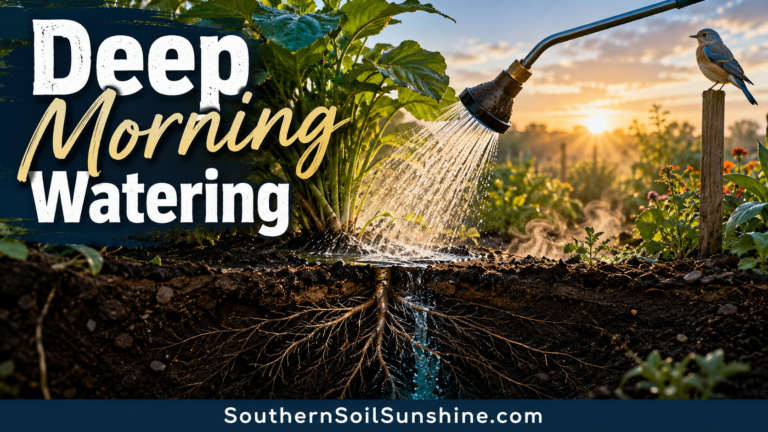
Drip irrigation is a game-changer in Zone 9. Our summers demand consistent watering, and hand-watering can waste water and encourage shallow roots. A simple soaker hose system or drip lines save water, keep foliage dry (reducing disease), and let you water deeply and infrequently—exactly what plants want.
Sanda’s Tip: Check your garden hoses now. Repair or replace cracked ones before the busy season begins. Having functioning tools on hand is half the battle—clunky, broken equipment takes the joy right out of gardening.
Step 6: Gather Seeds and Supplies
The Wisdom of Growing What You’ll Actually Eat 🍅
One thing I’ve noticed over years of gardening here in the Houston suburbs is that we often plant out of obligation rather than intention. You see a beautiful tomato variety at the nursery and think, “Yes, that one!”—only to find yourself overwhelmed come harvest time, or worse, realizing you don’t actually love that variety’s flavor.
Winter is the perfect season to get honest with yourself about what you actually eat and enjoy. Do you make salads regularly? Then leafy greens deserve prime real estate. Are you a sauce-maker? Focus on paste tomatoes like San Marzano or Roma rather than sprawling indeterminates that produce all season. Do fresh herbs get used, or do you buy them from the store because homegrown somehow never makes it into your kitchen?
This isn’t just practical—it’s respectful stewardship. We’re caretakers of the space and resources we’ve been given, and planting intentionally means we’re honoring both the land and our own capacity. There’s freedom in choosing fewer varieties that you’ll truly love rather than overwhelming yourself with abundance you can’t manage or use.
Take time this winter to flip through seed catalogs or browse online, and as things catch your eye, ask yourself: Will I actually use this? Do I have space for it? Is it suited to our Zone 9 climate? Let those answers guide your selections. You’ll find that a smaller, more purposeful garden often brings more joy—and more actual food—than an sprawling, scattered one.
Understanding Houston’s Unique Water Challenges and Solutions 💧
Here’s something folks moving to Houston often don’t expect: despite our subtropical climate, our winter rainfall is unpredictable, and our summer heat demands serious water management. Zone 9 winter planning should include thinking carefully about how you’ll keep plants hydrated when temperatures soar.
Our clay-heavy soils present both a challenge and an opportunity. Clay holds water longer than sandy soil, which seems helpful—until you realize it also stays wet and compacted, strangling roots. That’s why adding organic matter in winter is so crucial. It improves drainage in clay while also helping sandy pockets retain moisture. It’s the great equalizer.
Consider mulching strategically. A 2–3 inch layer of wood chips around plants keeps soil cooler and moister during our scorching summers, reduces weeds, and slowly breaks down to improve soil structure. But don’t mulch right against plant stems—leave a few inches of clear space to prevent rot and pest issues. In our humid climate, that breathing room matters.
If you’re serious about water conservation (and in Texas, we should be), drip irrigation isn’t just convenient—it’s responsible. It delivers water exactly where roots need it, minimizing evaporation and runoff. Installing these systems in winter when you have time and cooler weather makes the work pleasant rather than something rushed during spring’s chaos.
Preparing Your Mind and Spirit for the Growing Season Ahead 🙏
Planning a garden is about so much more than logistics and timing. It’s an act of hope and faith—declaring that you believe in growth, in nourishment, in the goodness of tending living things. Winter gives us the gift of quiet reflection before the busyness of spring.
As you prepare your beds and start your seeds, consider what kind of gardener you want to be. Do you want to grow fast and maximize yield? Create a peaceful retreat where you can slow down and breathe? Build something beautiful that feeds your soul as much as your table? There’s no wrong answer—but knowing your intention helps you make choices that align with your true values.
Many of us come to gardening seeking control, only to discover that plants teach us something deeper: that growth happens in partnership, not domination. We prepare the soil, provide water and light, and then we wait. We observe what thrives and what struggles. We respond with adjustments, not force. It’s a beautiful metaphor for how we might move through life itself—doing our faithful part while releasing the outcomes we cannot control. Your winter planning is that faithful part. Trust the rest to the soil, the sun, and the seasons.
Ready to Go Deeper in the Garden?
If this article resonated with you, you might be ready for something more than tips.
- Download the FREE Rooted in Grace eBook
- Get the Rooted in Grace Print Book on Amazon
- Join Rooted Reset
- Follow on Instagram – @southernsoils
- Save on Pinterest – @southernsoilsunshine
- Join on Facebook – Southern Soil Sunshine
“The garden is not just a place to grow plants – it is a place to grow yourself.”
Free eBook
Before you go — the book is yours
Rooted in Grace: A Christian Guide to Intuitive Gardening. No cost, no catch. Read it on any device, at whatever pace the season allows.




One Comment