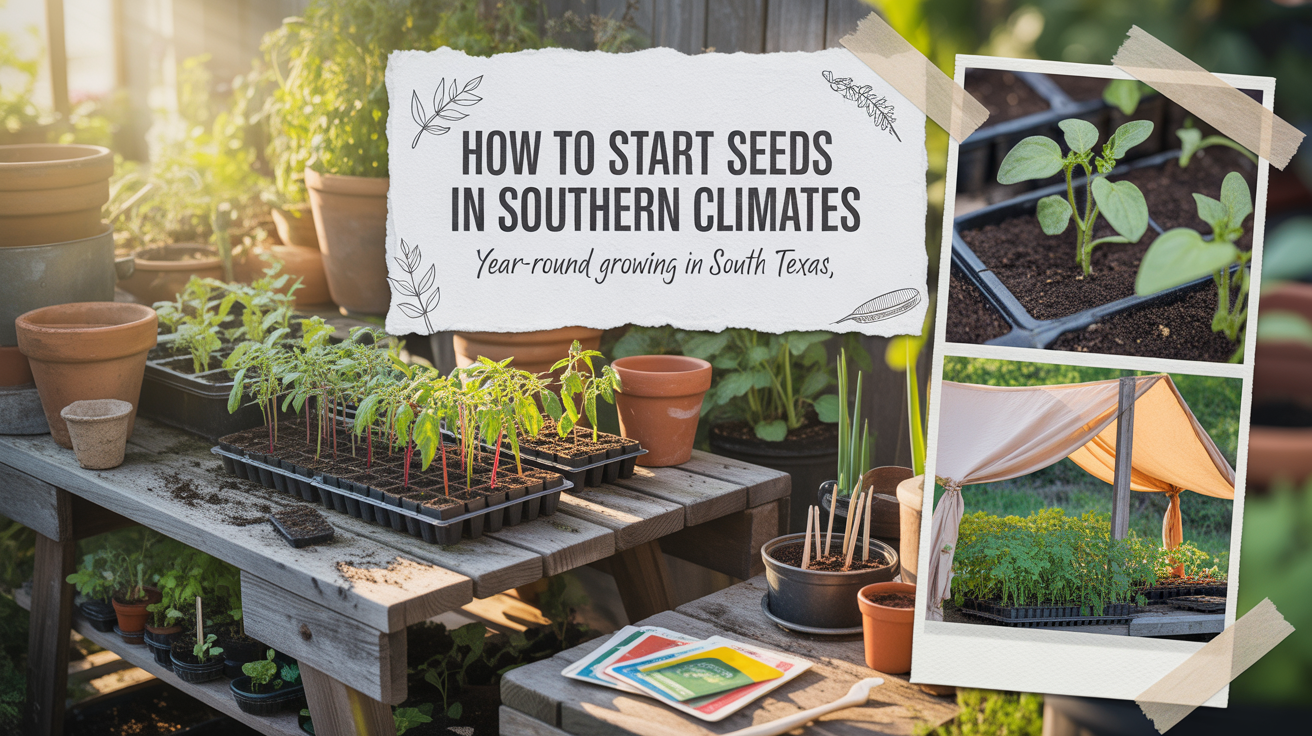
How to Start Seeds in Southern Climates: A Guide to Year-Round Growing in South Texas
Some of the links on this website are affiliate links, which means that if you make a purchase through these links, I may earn a small commission at no additional cost to you. As an Amazon Associate, I earn from qualifying purchases. I only recommend products I genuinely trust and believe will bring value to my readers. Also, some of the content was created with strategic use of AI tools. For more information, please visit the Privacy Policy page. Thank you for supporting my blog and helping me continue to provide valuable content. Gardening is more than growing food—it's where God grows us. If you're hungry for a faith that feels grounded again, I wrote a book for you. Download my free eBook: Rooted in Grace: A Christian Guide to Intuitive Gardening
Seed starting in southern climates asks us to unlearn a few things.
Most of what we’ve been taught about starting seeds comes from colder places — places where winter shuts everything down, where spring is the great beginning, and where summer is gentle enough to carry plants all the way through to harvest.
But here, in the South — especially in Zone 9 — the garden keeps breathing year-round. Growth doesn’t pause neatly. Instead, it surges, stalls, stretches, and rests in quieter, subtler ways.
If you’ve ever followed seed-starting advice to the letter and still ended up with leggy seedlings, scorched transplants, or plants that never quite recovered, you’re not behind. You’re simply gardening in a place with different rhythms.
This guide is an invitation to learn those rhythms — and to start seeds in a way that honors both your climate and your capacity.
📌 Save This Guide for Later

🌿 Why Seed Starting Feels So Confusing in Southern Climates
In many parts of the country, seed starting is a single season.
In southern climates, it’s a conversation that lasts all year.
We don’t start seeds because winter is harsh.
We start seeds because summer is.
Our challenges tend to be:
- Heat arriving earlier than expected
- Seedlings growing too fast indoors
- Transplants shutting down when temperatures spike
- Crops bolting before we’ve had time to enjoy them
What often looks like “failure” is really a timing issue.
Seed starting here isn’t about pushing plants forward as quickly as possible — it’s about placing them into the season that will support them best.
If you’re still shaping your garden space, you may want to start with
how to build a small garden in Zone 9
before diving deep into seed starting.
🌱 What Year-Round Seed Starting Actually Means
Year-round seed starting doesn’t mean constant trays on your counter.
It means recognizing that different seasons ask for different kinds of beginnings.
There are seasons for:
- Careful indoor nurturing
- Direct sowing and stepping back
- Waiting and soil preparation
- Quiet starts that happen almost unnoticed
Southern seed starting works best when you stop treating spring as the only “real” beginning and start honoring multiple starts across the year.
🌼 The Four Seed-Starting Seasons of the South
🌤️ Late Winter (January–February): The Most Important Window
Late winter is where southern seed starting quietly shines.
The soil is cool enough to slow stress, the light is increasing without being harsh, and seedlings have time to develop strong roots before summer pressure arrives.
This is the season for starting plants that need a long runway.
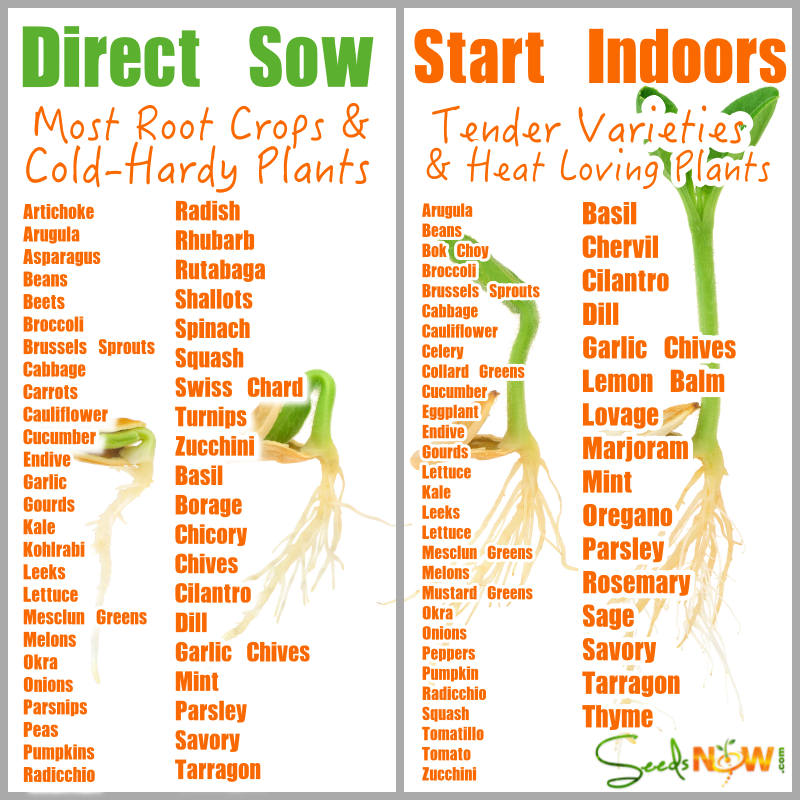
Best crops to start indoors now
- Tomatoes
- Peppers
- Eggplant
- Basil and slow-growing herbs
Starting these too late often means transplanting them just as the heat ramps up — when young plants are least equipped to handle it.
This is why January seed starting matters so much in Zone 9.
👉 Detailed guidance:
A gentle reminder:
Bigger seedlings are not better seedlings. Slow, steady growth now builds resilience later.
☀️ Spring (March–April): Let the Soil Do the Work
Spring in southern climates doesn’t linger. It moves quickly — and plants respond just as fast.
This is when many gardeners instinctively want to start everything indoors. But in reality, spring is often the season to step back.
Best crops to direct sow
- Green beans
- Cucumbers
- Squash
- Corn
- Okra
These plants grow so quickly in warm soil that indoor starting often creates more problems than it solves.
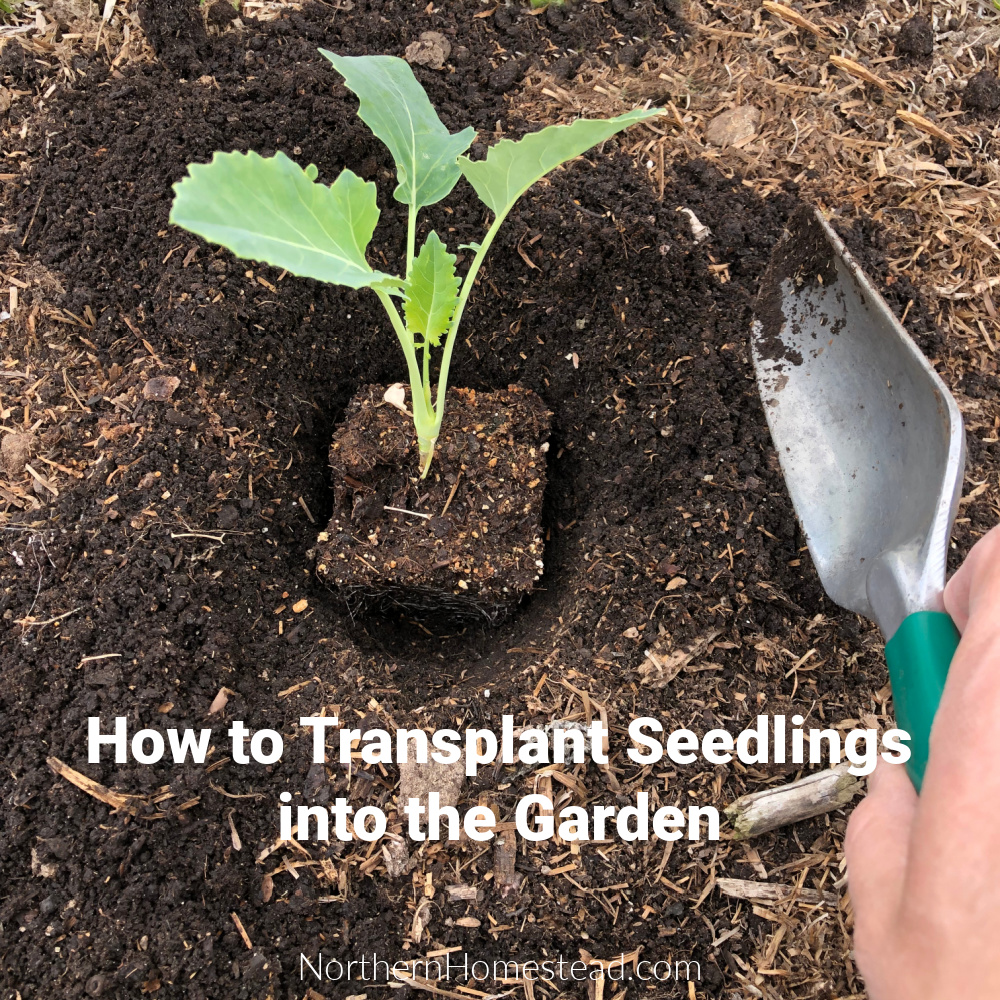
Direct sowing allows roots to settle where they’ll live — without transplant shock or stalled growth.
Spring is a lesson in trust:
You prepare the soil, plant the seed, and allow the garden to lead.
🔥 Summer (May–August): The Sacred Pause
Summer seed starting is where many gardeners grow discouraged — and it’s where gentle wisdom matters most.
Summer in the South is not a beginning season.
It’s a stewardship season.
What usually doesn’t work well
- Starting tomatoes or peppers indoors
- Transplanting tender seedlings
- Forcing growth during extreme heat
What does work
- Maintaining existing plants
- Observing sun patterns and shade
- Improving soil with compost
- Planning for fall
Summer teaches restraint. It reminds us that not every season is meant for expansion — some are meant for care and preservation.
🍂 Late Summer & Fall (August–October): The Quiet Second Beginning
This may be the most misunderstood seed-starting season in the South — and one of the most fruitful.
As days shorten and nights slowly cool, the garden becomes receptive again.
Ideal crops to start now
- Broccoli
- Cauliflower
- Cabbage
- Kale
- Lettuce
- Spinach
These crops thrive as summer fades and often grow better than their spring-planted counterparts.
👉 Pair this with:
Winter Produce Growing in Zone 9: Yes, You Can
Fall seed starting feels quieter, slower, and more forgiving — a gift for gardeners who’ve learned to listen.
🧰 A Southern Seed-Starting Setup That Respects Your Energy
You don’t need a complicated system to start seeds well.
In fact, simpler setups often produce sturdier plants.
What works well
- Shallow trays with drainage
- Lightweight seed-starting mix
- Consistent but gentle light
- Airflow to strengthen stems
What often causes trouble
- Deep containers too early
- Rich potting soil
- Overwatering
- Excess heat
👉 If you’re building your setup slowly:
5 Essential Tools Every Beginner Gardener Needs
Think of seed starting as inviting growth, not managing it.
📊 Southern Climate Seed-Starting Rhythm
| Crop | Start Indoors | Transplant / Sow | Notes |
|---|---|---|---|
| Tomatoes | January | Feb–March | Heat-sensitive later |
| Peppers | January | March | Slow, steady growers |
| Beans | — | March | Direct sow only |
| Cucumbers | — | March | Fast growers |
| Lettuce | Aug–Sept | Oct | Shade helps |
| Spinach | Sept | Oct | Winter crop |
| Broccoli | Aug | Sept | Transplant young |
| Herbs | Varies | Varies | Season-specific |
For a full year-long flow, see
Grow Your Dream Garden in Just 15 Minutes a Day
🌿 Troubleshooting Without Shame
Leggy seedlings
→ Too warm, not enough light
Yellow leaves
→ Often overwatering, not deficiency
Seedlings stall after transplant
→ Transplanted too late or into heat
Let this be your reminder:
This isn’t failure. It’s information.
✝️ A Faithful Way of Seeing the Seasons
“For everything there is a season,
and a time for every matter under heaven.” — Ecclesiastes 3:1
Seed starting in southern climates teaches us patience that isn’t passive — it’s attentive.
We don’t plant because we’re anxious to see growth.
We plant because the season has opened its hands.
📓 Journal Prompts
- What season is my garden actually in right now?
- Where might I be trying to force a beginning?
- What would it look like to wait with trust this month?
✨ Free Printable Coming Soon
I’m creating a Southern Climate Seed-Starting Calendar — with clear indoor start windows, direct sow dates, and space to record what your garden teaches you.
Check back soon for the download button right here.
🌱 Related Garden Reading
- 10 Easiest Vegetables to Grow in Zone 9
- Frost Dates and Gardening in Zone 9
- Indoor Seed Starting for Cool-Season Crops
🌼 Final Thoughts
Starting seeds in the South isn’t about doing more.
It’s about listening longer.
Trusting timing.
And letting growth come in its proper season.
May your seeds be well-timed, your roots well-anchored,
and your heart steady as you tend what God has placed in your care. 🌿




9 Comments