Top 5 Tools You Need to Grow Your First Garden
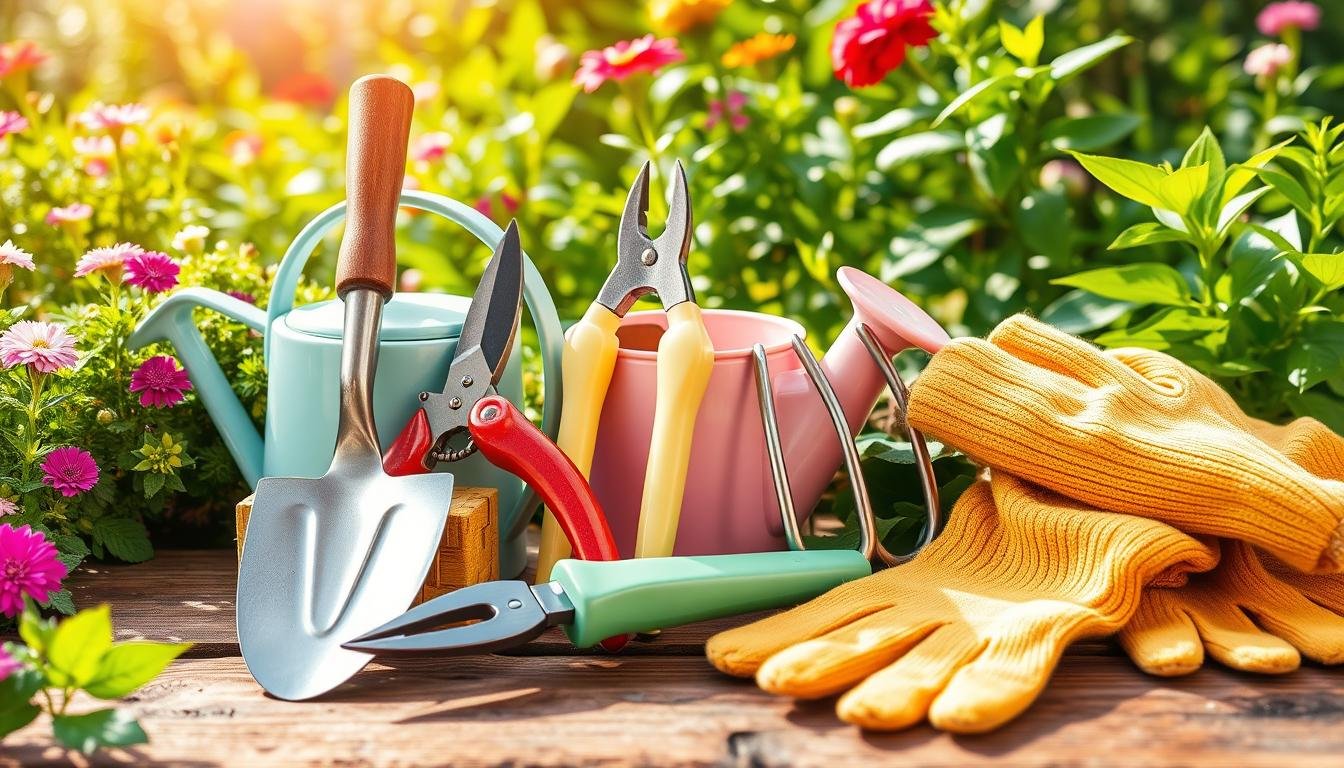
Five Essential Tools to Start Your First Houston Garden 🌱
You know, I’ve watched plenty of well-meaning gardeners show up at a nursery sale and walk out with a truck bed full of tools they’ll never use. We Southerners have a way of collecting things—especially when they’re shiny and on sale! But here’s what I’ve learned after years of digging in Zone 9 soil: you don’t need a garage full of equipment to grow a thriving garden. In fact, quality and intention matter far more than quantity.
When I started gardening in this Houston heat, I made a promise to myself: I’d begin with five key tools that actually earn their space. No clutter, no waste. Just the faithful, hardworking companions that would help me transform a patch of suburban soil into something beautiful and productive. Today, I want to share those five tools with you—and more importantly, help you understand why each one matters in our Zone 9 climate.
Free eBook
Rooted in Grace
A Christian guide to intuitive gardening — the whole book, free. Tell me where to send it and it’s yours in a minute.
Understanding Essential Garden Tools for Our Zone 9 Garden
Before we dive into the what, let’s talk about the why. Starting a garden journey in Houston’s hot, humid climate means picking the right tools is absolutely key. Good tools don’t just make gardening easier—they make it joyful. And when you’re working in 90-degree heat with our intense UV, a tool that feels good in your hand becomes a spiritual practice, not just a chore.
Why Quality Matters in Our Houston Climate
Here’s something I’ve learned the hard way: cheap tools rust fast in our humidity. Our Gulf Coast moisture is relentless. I’ve seen tools deteriorate in a single summer season when they weren’t properly made. Investing in quality—forged metal spades, stainless steel blades, ergonomic handles—means your tools will serve you faithfully through our sticky springs, scorching summers, and occasional freezes.
When you choose a well-made tool, you’re not just buying an object. You’re choosing a companion for your garden journey. You’re saying yes to years of reliable service, which means less frustration and more time actually growing things.
Sanda’s Zone 9 Note: In Houston’s humidity, stainless steel and powder-coated finishes are your best friends. They resist the rust that regular steel tools will develop in just one humid season. Yes, they cost a bit more upfront, but they’ll outlast cheaper tools by years.
Building Your Collection Thoughtfully
I’ve noticed something beautiful about intentional gardening: when we choose tools carefully, we garden more mindfully. We work slower. We pay attention. Instead of grabbing whatever’s closest, we pause and think about what each plant needs.
That’s why I recommend starting with multi-purpose tools. A good hand trowel can tackle planting, transplanting, and weeding. A quality pruning shear becomes your go-to for deadheading in August heat. When tools serve double and triple duty, you’re not just saving money and storage space—you’re creating a lean, focused toolkit that encourages focused gardening.
⚠️ Sanda’s Garden Wisdom: Don’t fall into the trap of buying “just in case” tools. That hand cultivator that seems handy? You probably won’t use it if you already have a good trowel. Storage space is precious, especially in our Houston neighborhoods. Start with five essentials, master them, then expand if you genuinely need something specific.
Your Five Essential Garden Tools for Zone 9
1. The Trusty Hand Trowel: Your Garden’s Best Friend 🧤
If I could only keep one tool, it would be my hand trowel. In our Houston gardens, this little workhorse handles everything from planting spring annuals to digging out stubborn weeds in summer.
When choosing a trowel for Zone 9, look for these qualities: stainless steel or powder-coated construction to fight our humidity, a comfortable grip that won’t blister during long planting sessions, and a blade that’s sturdy enough to break through our occasionally compacted soil.
I’ve used both narrow-bladed trowels (excellent for tight spaces between perennials) and wider ones (perfect for moving soil and transplanting). A medium-width blade usually serves most Houston gardeners best. Look for brands with solid warranties—many quality trowels come with 25+ year guarantees because the makers know their tools will last.
After each use, especially after working with our clay-heavy soil, wipe your trowel clean and dry. Store it somewhere dry. This simple habit will keep your trowel sharp and rust-free for years.
2. Pruning Shears: Essential for Houston’s Growing Season
Our Zone 9 climate means something’s always blooming, which means something’s always ready to be pruned. Quality pruning shears aren’t just for cutting—they’re for shaping, maintaining health, and encouraging fuller growth in our plants.
Choose bypass pruners (the kind that work like scissors) rather than anvil pruners. They make cleaner cuts, which means less disease entry into your plants. In our humid environment, clean cuts are especially important. Look for sharp, stainless steel blades and handles with good grip, because you’ll be using these throughout our long growing season.
Store them in a dry place and wipe the blades after cutting. I keep mine in a small cloth bag so they don’t rust and don’t accidentally cut anyone reaching into a tool bucket.
3. A Quality Spade or Shovel: For the Bigger Tasks
When it comes time to dig beds, amend soil, or move mulch around your Houston landscape, you’ll want a proper spade. The difference between a spade and a shovel matters: spades have flat, sharp edges (better for digging) while shovels have curved blades (better for scooping).
For most Houston gardeners starting out, a good mid-sized spade handles 80% of soil work. Look for one with a reinforced connection between blade and handle—that’s where tools typically break. The handle should feel balanced and comfortable in your grip. Avoid those flimsy shovels from big box stores; they’ll bend or break when you hit a root or hard spot in our soil.
In our climate, store this tool somewhere it can dry completely. Hanging it on a wall or in a shed is ideal.
4. A Garden Fork: Gentle Yet Mighty
A garden fork (sometimes called a digging fork) is different from a spade, and it’s absolutely worth the space in your toolshed. While a spade cuts through soil, a fork breaks it up and loosens it. This is gold when you’re trying to amend our heavy Houston clay without compacting it further.
A good fork also helps you gently lift plants without damaging roots, turn compost, and shake soil from root balls. Look for sturdy tines and a comfortable handle. This tool truly earns its keep in a Zone 9 garden.
5. A Hoe: For Weeds and Surface Work
When weeds come (and in Houston’s humidity, they come fast), you’ll want a good hoe. A standard garden hoe with a rectangle blade works well for most tasks—creating furrows for planting, breaking up soil clods, and getting after those persistent weeds that thrive in our climate.
Again, look for quality construction. A loose hoe head is frustrating and unsafe. Some gardeners prefer a stirrup hoe (also called a scuffle hoe) for surface weeding, which is gentler work. I often recommend starting with a standard hoe and adding a stirrup hoe later if you find you’re doing lots of shallow weeding.
Building Your Tool Kit: What to Know
| Tool | Primary Zone 9 Use | Best Material | Maintenance |
| Hand Trowel | Planting, weeding, transplanting | Stainless steel or powder-coated | Wipe clean after each use |
| Pruning Shears | Deadheading, cutting back, shaping | Stainless steel blades, rubberized grip | Clean blades, store dry |
| Spade/Shovel | Digging beds, moving soil, mulch | Forged metal with reinforced connection | Hang to dry, wipe blade clean |
| Garden Fork | Loosening soil, compost, gentle lifting | Sturdy forged metal tines | Brush off soil, store dry |
| Hoe | Weeding, soil prep, furrow creation | Sharp blade, secure head connection | Sharpen blade yearly, store dry |
Smart Storage and Care for Your Tools 💚
Where you store your tools matters, especially in Houston’s climate. Moisture and heat are constant threats to metal. I keep my hand tools in a dry shed with good air circulation. Some gardeners hang their tools on a pegboard, which keeps them organized and allows air to circulate around them.
For your spade and fork, hanging them on brackets is ideal. This keeps them off damp ground and makes them easy to grab. If you notice rust starting on any tool, gently scrub it with steel wool and apply a thin coat of oil. Prevention is always easier than cure.
Sanda’s Tip: Keep a small bucket of sand mixed with a little mineral oil near your tool storage. Before putting away larger tools, push the blade or tines into the sand a few times. This helps remove soil and keeps the metal lightly oiled against our humid air. It’s an old trick, but it works beautifully in Zone 9.
Quick Reference: Your Starter Tool Kit Summary
| through August, when deadheading becomes almost a daily practice. You’ll want to keep those blades sharp throughout this period. Come September, when we’re preparing for fall planting and thinking about soil amendment, your spade and fork get their moment to shine. By understanding these seasonal rhythms, you’ll use each tool more intentionally and maintain them better. You’ll know when to give each one extra attention based on what season demands.
I’ve also noticed that the hand trowel has two distinct personalities in our climate. In cooler months (November through March), it’s your primary planting tool. But in summer, it becomes your weeding warrior, because our heat brings out aggressive growth in everything—wanted and unwanted. Knowing this helps you position your tools in your work space accordingly. Building Muscle Memory and Garden ConfidenceThere’s a beautiful truth I’ve watched unfold in gardeners who start with these five essential tools: they develop real confidence faster than those who have a garage full of equipment. When you only have five tools, you get to know each one intimately. Your hands learn their weight, their balance, their quirks. You understand exactly what each tool can and cannot do, which means you make smarter decisions about how to approach a gardening task. This is especially important in our Houston heat, where efficiency matters. If you’re working outside in 85-degree morning heat before the real scorcher hits, you want to move with purpose and confidence. You want to reach for your trowel and know exactly how to angle it to break through our clay without wasting energy. You want your pruning shears to feel like an extension of your hand, not something foreign and awkward. This muscle memory—this embodied knowledge—comes from repetition with quality tools that feel good in your hands. I’ve also found that this focused approach builds genuine gardening wisdom. Instead of wondering which of twelve tools you should use, you learn to solve problems creatively with the tools you have. That creativity, that problem-solving, that’s where real gardening skill lives. It’s not about having every specialized tool available; it’s about knowing your few tools so well that you can accomplish almost anything with them. ⚠️ Sanda’s Garden Wisdom: Houston’s humidity can make tool handles slippery during our muggy summers. If you find your hands sliding on handles despite good grip design, wrap the handle with athletic tape or grip wrap. This is a simple fix that prevents dropped tools and potential injuries—especially important when you’re working quickly in heat. 🛒 Shop This PostThe five tools in this post, plus the two I would add. Buy these once, properly made, and you will not be replacing them in three years.
These are Amazon affiliate links. If you buy through them I earn a small commission at no extra cost to you — and I only link gear I actually use in my own Zone 9 garden. Ready to Go Deeper in the Garden?If this article resonated with you, you might be ready for something more than tips.
“The garden is not just a place to grow plants – it is a place to grow yourself.” Free eBook Before you go — the book is yours Rooted in Grace: A Christian Guide to Intuitive Gardening. No cost, no catch. Read it on any device, at whatever pace the season allows. |


3 Comments