Winter Produce Growing in Zone 9: Yes, You Can!
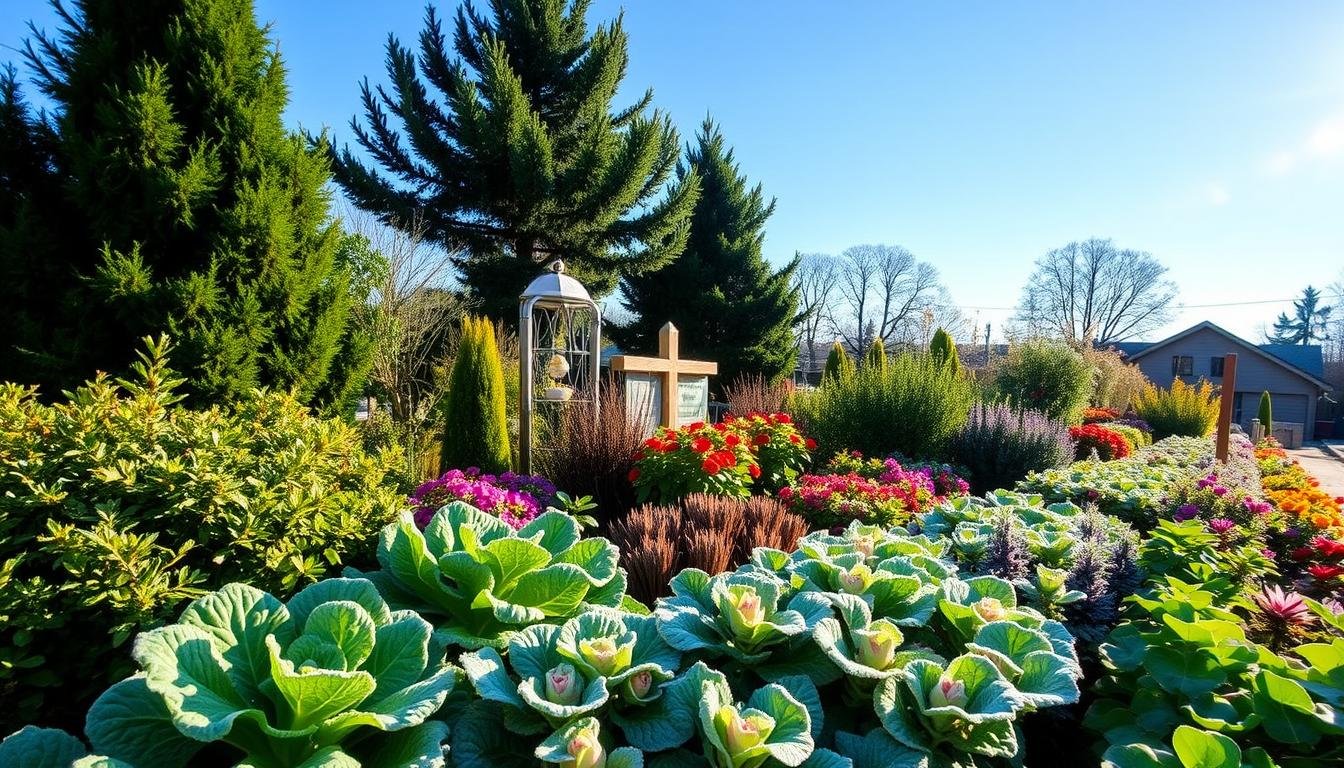
Winter Produce Growing in Zone 9: Yes, You Can! 🌱
There’s something almost sacred about January gardening here in Zone 9. While friends up North are dreaming of spring, we’re out here with dirt under our fingernails, planting cool-season crops in the crisp morning air. I still remember my grandmother pulling on her garden gloves in early winter, her hands knowing exactly what to do. She’d say, “Sanda, the best season isn’t when everyone else is gardening—it’s when you’re one of the few who knows how.”
And she was right. In our mild Houston-area climate, we don’t have just one growing season—we have two. While gardeners in colder zones are tucking their beds in for a long winter’s nap, we’re just getting started with beets, carrots, spinach, kale, and a whole harvest of cool-season treasures. This is the gardening secret that changes everything. 🌿
Free eBook
Rooted in Grace
A Christian guide to intuitive gardening — the whole book, free. Tell me where to send it and it’s yours in a minute.
Understanding Our Zone 9 Growing Climate
Zone 9 is genuinely a gardener’s gift. Our region stretches across several states—from parts of California through Texas, Louisiana, and into Florida—creating what I like to call a “year-round garden playground.” But what makes our zone so special isn’t just the name on a map; it’s understanding the unique rhythm of our winters and what that means for our gardens.
Temperature Ranges and Frost Dates That Matter
Here in Zone 9, winter temperatures typically hover between 20°F and 30°F. Now, that might sound cold to some folks, but for gardeners, these are golden temperatures. Our first frost usually arrives between late November and mid-December, and our last frost? That’s around early February. This extended frost-free period—sometimes stretching from late February clear through late November—is what gives us our incredible growing advantage.
In the Houston suburbs specifically, we’re looking at a first frost around early December and a last frost right around early to mid-February. This means January and February are prime planting months for cool-season crops. I’ve learned to watch the weather patterns carefully—observation is always our first step in faithful gardening.
| Climate Factor | Zone 9 (Houston Area) |
| Winter Temperature Range | 20°F to 30°F (-6.7°C to -1.1°C) |
| First Frost Date | Late November to Mid-December |
| Last Frost Date | Early to Mid-February |
| Cool-Season Growing Window | September through March |
| Warm-Season Growing Window | March through November |
Sanda’s Zone 9 Note: Mark your calendar now! For Houston suburbs specifically, plant your cool-season crops between late August and mid-September for fall harvest, and again in late December through January for winter/spring harvest. Timing is everything in Zone 9 gardening.
What Makes Zone 9 Special for Year-Round Growing
One of the most beautiful aspects of gardening in Zone 9 is the gift of two distinct growing seasons. We’re not limited to spring and summer like so many gardeners. We have this remarkable window where the weather cooperates with cool-season crops that actually thrive in our mild winters.
Think about it: while December arrives in other zones with bare, sleeping gardens, we’re harvesting fresh spinach, crisp carrots, and tender beet greens. Our extended growing season means we can start cool-season crops as early as late August or September, harvest through December, plant again in late December through January, and harvest fresh vegetables right through March. That’s nearly six months of cool-season production! 🎉
And here’s something that still amazes me: we can also grow subtropical fruits right in our backyards. Fresh citrus, avocados, figs, and even passion fruit grow beautifully here. This diversity is what makes Zone 9 feel like a true gardening paradise.
Winter Garden Essentials for Zone 9
Choosing Your Cool-Season Crops
When I sit down to plan my winter garden, I think about what my family actually wants to eat, and then I check which vegetables thrive in cool weather. This is part of the “reflect” step in faithful gardening—knowing yourself and your space before you plant.
The best frost-tolerant vegetables for our Zone 9 winters include broccoli, cabbage, carrots, beets, lettuce, spinach, kale, Swiss chard, turnips, collards, and peas. These aren’t just cold-tolerant; they actually taste better when grown in cool weather. There’s something about the cold that concentrates sugars and brings out deeper flavors. When you bite into a winter-grown carrot, you understand why my grandmother loved this season so much.
For our Houston area specifically, I recommend starting with the easiest options: spinach (it practically grows itself), kale (incredibly hardy), carrots (so rewarding to harvest), and Swiss chard (beautiful and productive). These four will build your confidence and show quick results.
Sanda’s Garden Wisdom: Don’t plant warm-season crops in early winter hoping they’ll make it. Tomatoes, peppers, and squash planted in November or December will sit in cold soil and often rot before they grow. Save those for March and beyond. Trust the rhythm of your zone—it’s there for a reason.
Soil Preparation for Winter Success
Before planting, I always spend time preparing the soil. In Zone 9, our summer heat can really draw moisture and nutrients from the earth. By the time fall arrives, the soil needs some love and attention.
Add a good 2-3 inches of compost to your beds. Work it in gently—we’re not trying to disturb the soil structure, just enrich it. In Houston’s clay-heavy soils, this organic matter is absolute gold. It helps with drainage (our winter rains can be heavy!) and provides steady nutrient release as plants grow. I use a mix of homemade compost and aged leaf mulch. The leaves we rake in fall become the garden gold of winter.
Check your soil pH too. Most cool-season vegetables prefer slightly acidic to neutral soil (pH 6.0-7.0). A simple soil test from your local extension office takes the guesswork out of this step—this is good stewardship of your gardening space.
Timing Your Plantings
Here’s where the magic happens. For Houston-area gardeners, here’s the practical timeline that works beautifully:
Late August to September: This is your main cool-season planting window. The intense summer heat is breaking, but the soil is still warm enough for seeds to germinate quickly. Plant spinach, kale, lettuce, broccoli transplants, cabbage transplants, carrots, and peas. This planting gives you harvest from October through December.
December to Early January: After a brief rest, plant a second round of fast-growing greens and root vegetables. This timing gives you fresh harvests from February through April. Spinach, arugula, lettuce, and Swiss chard are perfect for this timing.
Late January onward: Plant warm-season crops only after the last frost date (around mid-February). Tomatoes, peppers, and squash go in the ground after this date, not before.
Starting From Seed vs. Transplants
Both methods work beautifully for winter gardening. Direct seeding (planting seeds right in the ground) works wonderfully for carrots, beets, peas, spinach, and lettuce. The cool soil actually helps these seeds germinate well. Plant them about 3-4 weeks before you expect a hard freeze, and they’ll be established enough to handle the cold.
For broccoli and cabbage, I recommend starting with transplants (small plants from the nursery) because they get a head start and mature faster. This is especially true if you’re planting in December—you need those plants to reach harvest size before spring warmth triggers bolting.
Sanda’s Tip: If you’re new to winter gardening, start with transplants for broccoli and cabbage, and direct seed the rest. This gives you quick success without overwhelming yourself. Next season, try starting your own seeds indoors in late July or August for transplants. It’s more rewarding and teaches you so much about the growing process.
Protecting Your Winter Garden
Even though Zone 9 is mild, we still get occasional hard freezes. I’ve learned not to assume that “mild winters” means “no frost protection needed.” That’s when disaster strikes.
For unexpected freezes below 25°F, have frost cloth or row covers ready. Lightweight frost cloth (available at any garden center) can protect plants for 3-4°F drops. Simply drape it over your plants in the afternoon before a freeze, and remove it when temperatures rise the next day. It’s simple, effective, and I always keep several on hand.
For deeper freezes, individual cloches (DIY using gallon milk jugs with the bottoms cut out, or purchased glass covers) work wonderfully for protecting broccoli, cabbage, and small transplants. It feels like you’re tucking them in for the night—and you are.
Mulch is also your friend. A 2-3 inch layer of organic mulch around plants helps insulate the soil and keep roots warmer. Just keep the mulch a few inches away from plant stems to prevent rot.
Watering and Garden Care Through Winter
Winter gardening requires less water than summer, but don’t let that fool you into neglecting your garden. The key is observation—this is the “observe” part of faithful gardening. Stick your finger into the soil. If it’s dry 2 inches down, it’s time to water.
In Houston, we often get adequate rainfall during winter, but dry spells happen. Water deeply when you water, encouraging roots to grow down. Morning watering is always best—it reduces disease pressure and mirrors the natural dew cycle.
Watch for pests too. While many summer pests disappear, aphids love cool-season crops. Check the undersides of leaves regularly. A strong spray of water from the hose often dislodges them. If problems persist, a gentle insecticidal soap works well and is safe for vegetables you’ll eat soon.
Zone 9 Winter Vegetables Quick Reference
| Vegetable | When to Plant | Planting Method |
| Spinach | Late Aug–Sept, again Dec–early Jan | Direct seed |
| Kale | Late Aug–Sept | Direct seed |
| Carrots | Late Aug–Sept | Direct seed |
| Swiss chard | Late Aug–Sept, again Dec–early Jan | Direct seed |
| Lettuce | Late Aug–Sept, again Dec–early Jan | Direct seed |
| Beets | Late Aug–Sept | Direct seed |
| Peas | Late Aug–Sept | Direct seed |
| Broccoli | Late Aug–Sept | Transplants |
| Cabbage | Late Aug–Sept | Transplants |
| Arugula | Dec–early Jan | Direct seed |
Understanding Your Zone 9 Winter Window More Deeply
You know, there’s a rhythm to Zone 9 that took me several seasons to really understand. It’s not just about the absence of hard freezes—it’s about how our mild winters create an entirely different growing environment than what gardeners in colder zones experience. When we plant in late August or September, we’re working with soil that’s still warm from summer heat, which means seeds germinate quickly and powerfully. But by November, that soil has cooled considerably, shifting how plants behave. This is why timing matters so much here; it’s not arbitrary. The soil itself is teaching us when to plant.
In Houston specifically, we sit in this sweet spot where winter temperatures rarely dip below the mid-20s for extended periods. This means our cool-season crops don’t just survive—they flourish with fewer worries than gardeners face in, say, Zone 8 or colder. Our brassicas (that’s the cabbage family) don’t need as much cold hardening because the temperature drops are gradual. Our root vegetables develop beautiful, tender texture because they’re growing slowly in cool (but not freezing) conditions. It’s like they have time to develop character, you know?
Pay attention to our particular humidity patterns too. Houston winters can be surprisingly damp. This is wonderful for preventing wilting and helps germination, but it also means fungal issues can pop up faster than in drier climates. Good air circulation around your plants—spacing them properly, removing lower leaves as plants mature, watering at the soil level—becomes part of your winter rhythm.
The Second-Planting Advantage (And Why Most Gardeners Miss It)
Here’s something that genuinely sets apart experienced Zone 9 gardeners from beginners: we understand that planting once in fall isn’t enough. We plant twice. And that second planting, the one in December or early January, actually teaches you more about your garden than the first one does.
When you plant in late August or September, you have the advantage of warm soil and longer daylight hours—the plants almost grow themselves. But when you plant in December, you’re working with shorter days, cooler soil, and only 6-8 weeks until spring warmth arrives. This forces you to choose fast varieties, to think carefully about variety selection, and to really understand what “days to maturity” means on a seed packet. I’ve learned more about growing by paying attention to my January plantings than I ever did planting at the “obvious” time.
The vegetables you harvest in March and April from that second planting are also somehow sweeter and more tender than their fall cousins. Maybe it’s because they’re growing into spring warmth, or maybe it’s just psychological—but there’s something special about spinach you harvest in April, knowing you planted it in the shortest days of winter and watched it grow stronger as the days lengthened.
This is also where succession planting becomes real for us. Instead of planting everything at once, stagger your cool-season plantings. Plant spinach every two to three weeks from September through January. This way, you’re harvesting continuously rather than having gluts and then nothing. It’s more work in terms of planning, but it means fresher greens on your table throughout the season.
How Houston’s Clay Soil Changes Your Winter Strategy
Sanda’s Zone 9 Note: Houston’s heavy clay is actually your secret weapon in winter, not your enemy. Clay holds moisture beautifully in cool months (when evaporation is low), and it moderates soil temperature naturally. But you must amend it heavily with organic matter—3-4 inches isn’t too much. This creates the perfect winter growing medium: moisture-retentive but not waterlogged, temperature-stable, and nutrient-rich.
Our region’s clay soil behaves completely differently in winter than it does in summer. When it’s 95°F outside, clay becomes like concrete—hard, cracking, compacted. But winter? Winter softens it, makes it workable, and actually gives it properties that cool-season vegetables absolutely love. The trick is understanding how to work with these seasonal shifts rather than fighting them.
In summer, we fight clay compaction. In winter, we’re fighting the opposite problem: potential waterlogging during our December-February rains. This is why raised beds or mounded rows work so beautifully for winter gardening in Houston. Even a 4-6 inch elevation above the surrounding ground makes an enormous difference in how quickly water moves away from your roots after a February downpour. Water that would sit and sour in a flat bed simply drains off, and the soil above that line stays workable instead of turning to paste.
That is the whole lesson of winter gardening here, really. Our clay is not a problem to be solved once and then forgotten. It is a partner whose mood changes with the season, and our job is to notice which mood it is in and respond accordingly. In August we fight it. In January we work with it.
So plant the second round. Cover what needs covering. Water when your finger says to and not before. The garden will keep teaching you all winter, quietly, in a season most people have already written off.
🛒 Shop This Post
The seeds, soil, and cover I actually reach for to keep a Houston bed producing straight through winter.
- 500 Bloomsdale Spinach Seeds The variety I keep sowing every two to three weeks from September straight through winter.
- Sow Right Kale Seed Collection Kale shrugs off our cold snaps and keeps producing when everything else has quit.
- Scarlet Nantes Carrot Seeds Short and sweet, which is what our clay will actually let a carrot be.
- Fordhook Giant Swiss Chard Seeds The workhorse chard — beautiful in the bed and still standing in February.
- R&M Organics Premium Compost Two to three inches worked in before planting is the whole soil strategy.
- Frost Cloth Floating Row Cover Folded by the back door from December on, ready for the nights that actually drop.
- Bonide Insecticidal Soap Gentle enough for winter greens when aphids find the underside of a leaf.
- Meberam Galvanized Raised Garden Beds Elevation is drainage, and drainage is everything in Houston clay.
These are Amazon affiliate links. If you buy through them I earn a small commission at no extra cost to you — and I only link gear I actually use in my own Zone 9 garden.
Ready to Go Deeper in the Garden?
If this article resonated with you, you might be ready for something more than tips.
- Download the FREE Rooted in Grace eBook
- Get the Rooted in Grace Print Book on Amazon
- Join Rooted Reset
- Follow on Instagram – @southernsoils
- Save on Pinterest – @southernsoilsunshine
- Join on Facebook – Southern Soil Sunshine
“The garden is not just a place to grow plants – it is a place to grow yourself.”
Free eBook
Before you go — the book is yours
Rooted in Grace: A Christian Guide to Intuitive Gardening. No cost, no catch. Read it on any device, at whatever pace the season allows.




6 Comments