How to Grow Sorrel in Suburban Zone 9: A Complete Guide
How to Grow Sorrel in Suburban Zone 9: A Complete Guide 🌿
There’s something deeply satisfying about stepping into your garden and harvesting a handful of tangy sorrel leaves for tonight’s soup. If you live in Houston’s suburbs or anywhere in Zone 9, sorrel might just become one of your favorite garden companions. This hardy perennial green thrives in our mild winters and warm springs, asking for so little while giving so much in return.
I’ve found that sorrel has a quiet resilience that mirrors the best of gardening itself. It doesn’t demand constant attention, yet it rewards faithful care with abundant, citrusy leaves perfect for salads, sauces, and those moments when you want to add something special to your kitchen. Whether you’re gardening in a raised bed, a container on your patio, or tucking it into an edible landscape, sorrel fits beautifully into the suburban Zone 9 garden.
Let me walk you through everything you need to know to grow this versatile plant successfully. Think of this as an invitation to observe what your garden needs, reflect on your space, and respond faithfully with the right plant in the right place.
Free eBook
Rooted in Grace
A Christian guide to intuitive gardening — the whole book, free. Tell me where to send it and it’s yours in a minute.
Understanding Sorrel: Quick Plant Profile 📋
Before we dig in, let’s get acquainted with sorrel itself. Knowing what a plant needs helps us tend it better—it’s part of that intuitive gardening practice of really listening to what our gardens are telling us.
| Characteristic | Details |
| Plant Name | Rumex acetosa (Garden Sorrel), Rumex scutatus (French Sorrel) |
| Type | Perennial herb |
| Best for | Raised beds, containers, edible landscaping, kitchen gardens |
| Ideal USDA Zones | 4–9 (thrives in Zone 9) |
| Light Requirements | Full sun to partial shade (afternoon shade is helpful in summer) |
| Soil Requirements | Well-draining, rich soil; pH 6.0–7.0 |
| Water Needs | Consistently moist; tolerates established dry spells |
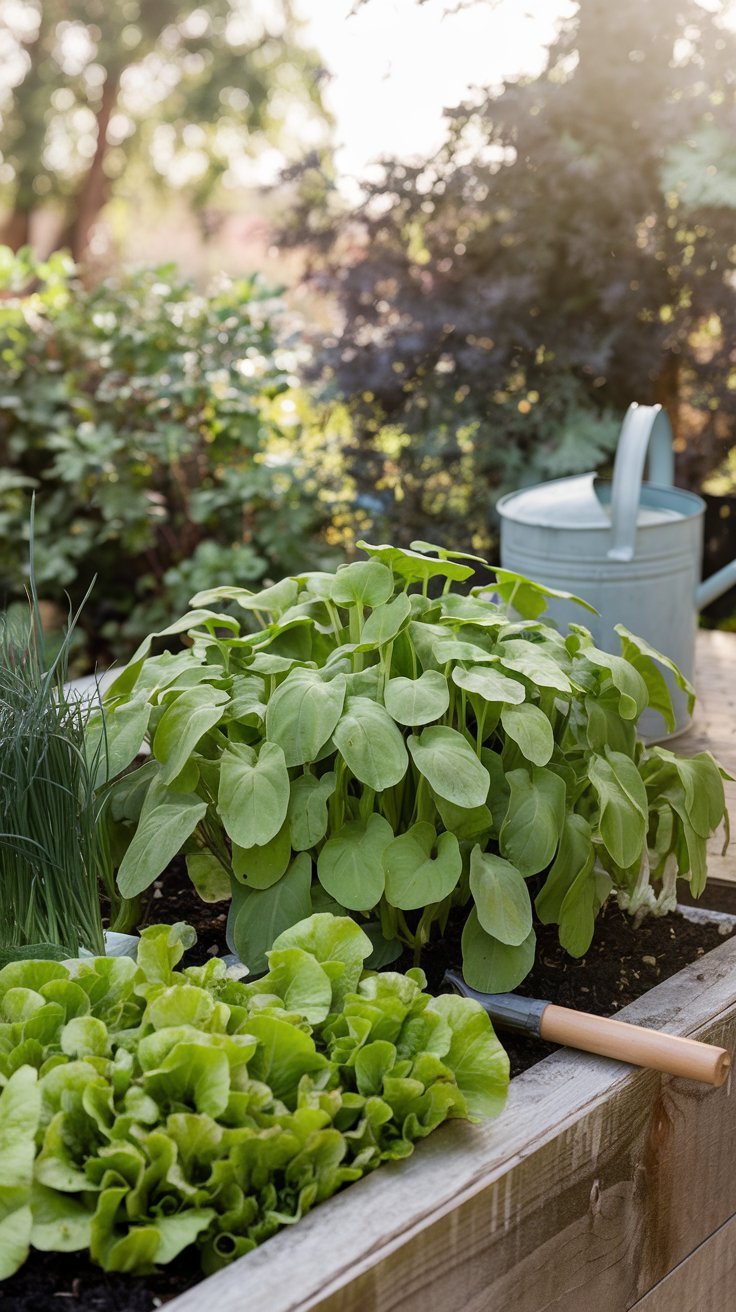
| Companion Plants | Lettuce, chives, strawberries, spinach |
| Avoid Pairing With | Brassicas (cabbage, kale, broccoli) |
Planting Sorrel: Timing and Technique 🌱
When to Plant in Zone 9
Here’s where understanding our specific Zone 9 climate becomes essential. Unlike gardeners in cooler zones, we don’t have a traditional spring planting window. Instead, think of sorrel as a cool-season crop that welcomes the break from our intense summer heat.
The best time to plant sorrel in suburban Houston is early fall (September through October) or late winter (February through early March). This timing allows roots to establish before the heat of summer arrives, and it positions your plants to thrive during our mild winters when sorrel’s flavor is actually at its brightest.
Sanda’s Zone 9 Note: I’ve learned that fall planting often works better than spring in our region. When you plant in September or October, your sorrel establishes deep roots through the cooler months and comes into full production right when you’re ready to cook with fresh greens. It’s like the garden knows exactly what we need, and when. 💚
Starting from Seed
Sorrel is wonderfully forgiving when it comes to seed starting. You have two good options: direct sowing outdoors or starting seeds indoors for transplanting.
If you’re direct sowing, plant seeds about half an inch deep, spacing them roughly 6 inches apart in prepared beds. Water gently to keep the soil consistently moist until germination occurs—usually within 10 to 14 days. Once seedlings have developed a few true leaves, thin them to about 12 inches apart to give each plant room to develop its deep root system.
If you prefer starting indoors, begin seeds 2 to 3 weeks before your intended planting date. Use a seed-starting mix, keep soil moist but not waterlogged, and provide bright light. Sorrel seeds are slow and steady germinators—patience is part of the process, much like gardening itself.
Container and Spacing Considerations
Many of us gardeners in the suburbs work with limited space, which is where containers become our allies. Sorrel grows beautifully in pots, making it perfect for a patio garden or a tucked-away corner.
Choose containers at least 10 to 12 inches deep—sorrel develops a taproot that needs room to reach down into the soil. A 10-inch pot can accommodate one mature plant comfortably, or you can plant three to four plants in a larger 18-inch container for a fuller harvest. Use a quality potting mix that drains well but retains some moisture; I prefer mixing compost into standard potting soil for added nutrition.
Sanda’s Garden Wisdom: Don’t skimp on soil depth, even with container sorrel. A shallow pot forces the plant to work harder and limits your harvest. Think of it this way: we’re giving the plant what it needs to be its best self, and that’s always worth the extra effort.
Growing and Caring for Your Sorrel 💧
Watering Wisely
Sorrel prefers soil that’s consistently moist but never waterlogged. In our Houston suburbs, this means adjusting your watering based on our seasons. During cooler months (fall through spring), you might water deeply once or twice weekly. In summer, if your sorrel is still growing, it may need more frequent watering—though honestly, most of us give our sorrel a bit of a rest during peak heat.
The key is observing your specific garden: feel the soil before watering. If the top inch is dry, it’s time to water. If it’s still moist, wait another day or two. Container plants, especially in summer, may need daily watering in our intense sun.
Feeding Your Plants
Sorrel isn’t a heavy feeder, but it does appreciate nourishment. In early spring, work a balanced organic fertilizer into the top few inches of soil around your plants. Mid-summer, apply another light feeding. I’ve had wonderful success with compost—a 1-inch layer worked into the soil each spring provides gentle, sustained nutrition that sorrel loves.
If you’re growing in containers, you might feed every four to six weeks during the growing season with a diluted liquid fertilizer. Think of it as gentle encouragement rather than heavy feeding.
Managing Pests and Diseases
One of sorrel’s lovely gifts is its relative pest resistance. We don’t often see serious pest problems, though occasionally aphids or slugs might visit. If you notice aphids, a strong spray from the hose often dislodges them. For slugs, which are more likely in our humid climate, I place copper tape around containers or use food-grade diatomaceous earth around the base of plants.
Fungal diseases can emerge if plants are crowded or in poorly draining soil. Good air circulation and well-draining soil are your best defenses. Remove any yellowing or damaged leaves promptly to keep the plant healthy and discourage fungal issues.
Pruning and Harvesting for Continuous Growth
Here’s where sorrel’s personality really shines. By harvesting regularly from the outer edges of the plant, you’re actually encouraging it to produce more leaves. It’s a beautiful example of how our stewardship—our faithful tending—creates abundance. Harvest the larger, outer leaves when they’re 4 to 6 inches long, leaving the center of the plant to keep growing. This method gives you continuous harvests rather than a single, exhausting flush of leaves.
Remove any yellowing or diseased leaves whenever you notice them. This keeps the plant energized and looking vibrant.
Harvesting and Storing Your Sorrel 🍃
When and How to Harvest
You’ll typically be ready to begin harvesting about 60 days after planting, though this varies with seasonal light and temperature. Look for leaves that are at least 4 to 6 inches long. Use clean scissors or a sharp knife to snip outer leaves at the base, always leaving the growing center intact.
Morning harvesting, after the dew has dried, gives you the crispest leaves. There’s something almost sacred about that quiet time in the garden with your scissors and basket, gathering what you’ve grown.
Storage Solutions
Fresh sorrel leaves will keep in the refrigerator for about a week when stored in a breathable container or plastic bag with a paper towel to absorb excess moisture. For longer storage, consider freezing: roughly chop the leaves and freeze them in ice cube trays with a little water, then store the cubes in freezer bags. They’re perfect for soups and sauces throughout the year.
You can also blend fresh sorrel with a bit of butter or cream and freeze it for quick sauces. This is my favorite way to preserve sorrel—it tastes almost as fresh as the day I harvested it.
Companion Planting with Sorrel 🌱
Plants That Thrive Together
Sorrel plays well with many garden companions. Lettuce and spinach appreciate sorrel’s company because they share similar soil and water needs—they’re like garden roommates with compatible lifestyles. Chives nearby add pest-deterrent properties and their mild onion flavor complements sorrel beautifully in the kitchen. Strawberries create an interesting pairing, especially in edible landscape designs, offering a sweet counterpoint to sorrel’s tangy leaves.
Plants to Keep Separate
Avoid planting sorrel near brassicas like cabbage, kale, or broccoli. These plants attract similar pests, and having them nearby can increase pest pressure on both groups. Think of it as creating separate neighborhoods in your garden for optimal plant health.
Sorrel as Edible Landscaping in Zone 9 🏡
One of my favorite discoveries about sorrel is its potential as edible landscaping. Its attractive, arrow-shaped leaves add visual interest to a garden bed or even a per
Managing Sorrel’s Flowering Cycle in Zone 9
One thing I’ve learned through observation is that sorrel wants to flower—it’s part of its life cycle, its way of creating seed and continuing forward. In our Zone 9 climate, sorrel typically sends up flower stalks in late spring, right around late April or May, when temperatures warm and day length increases. Those delicate, reddish flower spikes can actually be quite lovely, especially when you’re looking at your garden with an artist’s eye rather than a chef’s eye.
Here’s the gardening wisdom: if you want continuous leaf production for harvesting, pinch off flower stalks as soon as they appear. By removing the flowering stems, you redirect the plant’s energy back into leaf production rather than seed-making. This is where that faithful observation comes in—check your sorrel weekly during late spring, and gently pinch out any emerging flower buds. It takes just a minute, and the reward is weeks of additional harvests.
That said, if you let a few flowers develop, you’ll enjoy them, and you may get some self-seeding in your garden. Some gardeners actually prefer this, allowing sorrel to spread naturally and create a little sorrel patch that renews itself. In our mild Zone 9 winters, sorrel seedlings can establish and survive beautifully. It’s a different approach—less about control and more about working with the plant’s natural rhythm.
Seasonal Flavor Changes and Best Harvest Timing
This is something that surprised me when I first started growing sorrel: its flavor actually changes throughout the year based on our Zone 9 seasons. In fall and winter, sorrel leaves are at their most tender and vibrant, with a bright, almost apple-like tartness that makes you want to use them immediately. There’s a reason traditional sorrel soup recipes are so popular in spring—the plant is at peak flavor, full of vitality after the cooler months.
As summer approaches and heat builds, sorrel leaves become slightly more assertive, sometimes developing a more pronounced acidity that some gardeners find less appealing. This is why many of us give our sorrel plants a bit of a summer rest, reducing water slightly and letting them simmer down. Then, as fall temperatures moderate again, production picks back up with that gorgeous cool-season intensity.
| Season | Best Harvest Window | Flavor Profile |
| Fall (Sept–Nov) | Mid-September onward | Bright, citrusy, tender |
| Winter (Dec–Feb) | Peak production | Gentle tang, most refined |
| Spring (Mar–May) | Through early May | Complex, vibrant, excellent |
| Summer (Jun–Aug) | Limited; give plants rest | Strong acidity, more assertive |
Understanding this rhythm has changed how I garden with sorrel. Instead of expecting year-round harvests, I harvest generously from September through May, then let the plant focus on survival during our hot summers. It’s not failure; it’s partnership with the seasons we’re given.
Renewing Sorrel Plants for Longevity
Sorrel is a perennial, which means one plant can produce
Ready to Go Deeper in the Garden?
If this article resonated with you, you might be ready for something more than tips.
- Download the FREE Rooted in Grace eBook
- Get the Rooted in Grace Print Book on Amazon
- Join Rooted Reset
- Follow on Instagram – @southernsoils
- Save on Pinterest – @southernsoilsunshine
- Join on Facebook – Southern Soil Sunshine
“The garden is not just a place to grow plants – it is a place to grow yourself.”
Free eBook
Before you go — the book is yours
Rooted in Grace: A Christian Guide to Intuitive Gardening. No cost, no catch. Read it on any device, at whatever pace the season allows.




2 Comments