
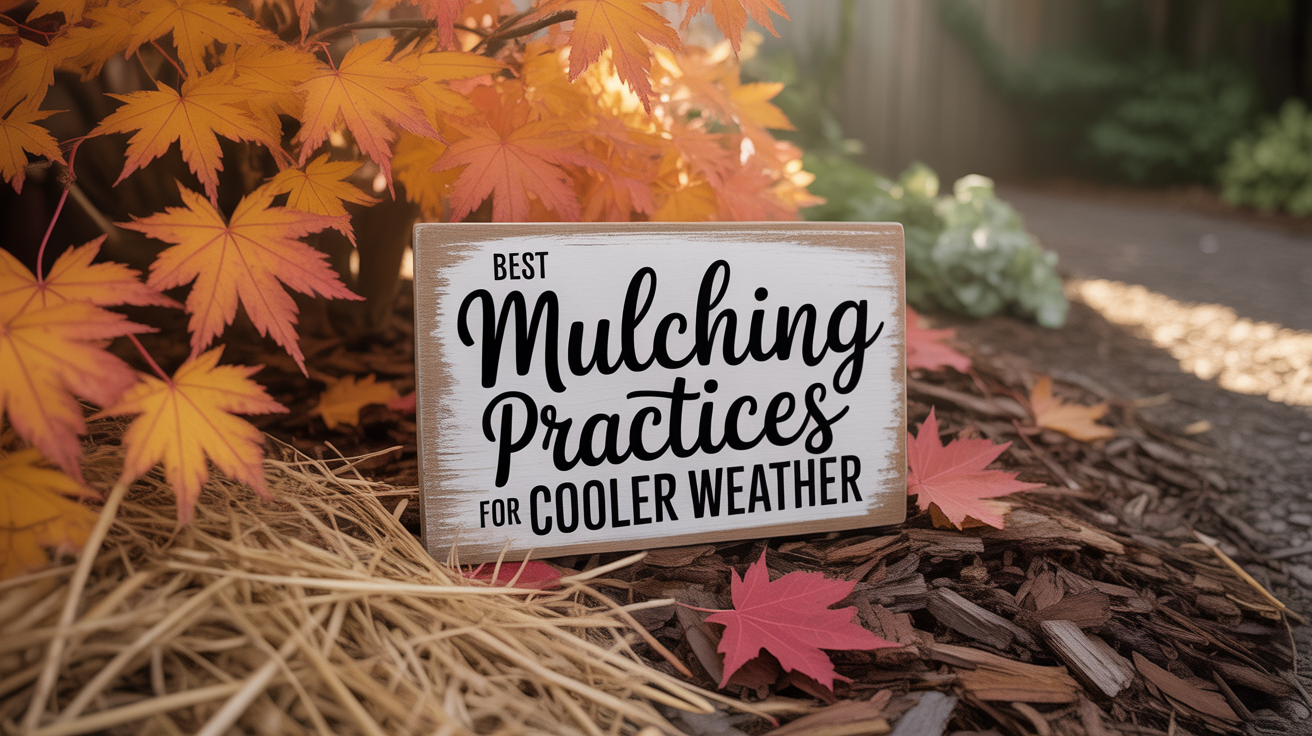
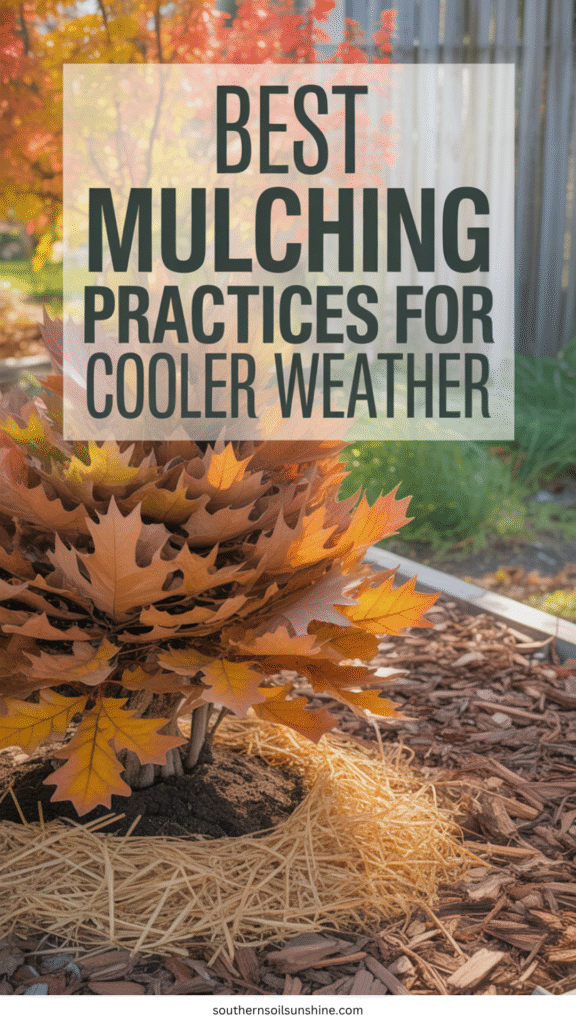
Best Mulching Practices for Cooler Weather
Some of the links on this website are affiliate links, which means that if you make a purchase through these links, I may earn a small commission at no additional cost to you. As an Amazon Associate, I earn from qualifying purchases. I only recommend products I genuinely trust and believe will bring value to my readers. Also, some of the content was created with strategic use of AI tools. For more information, please visit the Privacy Policy page. Thank you for supporting my blog and helping me continue to provide valuable content.
🍂A Gentle Start: Covering the Garden in Grace
When the air turns crisp and the garden slows its wild summer pace, there’s a quiet invitation to tuck it in for rest. Just as we might pull on a warm sweater or wrap a blanket around our shoulders, mulching is a gardener’s way of gently covering the soil—protecting it from the chill, locking in life-giving moisture, and ensuring the roots beneath stay steady through the season’s change.
In this slower rhythm, we remember that protection and preparation are both acts of stewardship. A garden mulched in autumn whispers to spring, “I’ll be ready when you are.”
🌱 Why Mulching Matters in the Cool Season
Mulching isn’t just a summer moisture-saver—it’s a year-round garden ally. In fall and winter, mulch can mean the difference between plants that limp into spring and those that emerge with strength.
- 🌡 Regulates Soil Temperature – Roots are vulnerable to sudden freezes and thaws. Mulch acts like a quilt, keeping soil temperatures steadier.
- 💨 Prevents Erosion – Heavy rains and winter winds can strip bare soil, taking valuable topsoil and nutrients with them.
- 💧 Preserves Moisture – Even in cooler months, plants can lose moisture through roots and leaves, especially on windy days.
- 🌿 Feeds the Soil – Organic mulches slowly decompose, adding rich nutrients that prepare beds for the next growing season.
- 🚫 Suppresses Winter Weeds – Mulch forms a barrier that discourages weed germination when the soil warms slightly on sunny winter days.
🪵 Choosing the Right Mulch for Cooler Weather
Organic Mulches
Organic materials both protect and nourish the soil as they break down:
- 🍁 Shredded Leaves – Abundant in autumn, rich in carbon, and break down into a wonderful leaf mold.
- 🌾 Straw or Pine Straw – Light, airy, and excellent for insulating vegetable beds.
- 🌳 Wood Chips or Bark – Perfect for paths and around perennials; avoid mixing into the soil directly to prevent nitrogen tie-up.
- 🌱 Compost – Doubles as a nutrient boost and protective blanket, especially for winter vegetables.
Inorganic Mulches
While they don’t feed the soil, inorganic mulches can offer long-term structure and protection:
- 🧵 Landscape Fabric (with Decorative Covering) – Useful for weed suppression in perennial or shrub beds.
- 🪨 Gravel or Stone – Helps retain warmth and prevent erosion but should be used where soil improvement isn’t a priority.
📅 Seasonal Mulching Strategies
For Annual Beds
After clearing spent crops and removing weeds, apply 2–4 inches of organic mulch. If planting cool-weather crops, keep mulch light around seedlings to avoid smothering them.
For Perennials
Once the first frost hits, add 4–6 inches of mulch to insulate roots. Keep mulch a few inches away from the plant crown to prevent rot.
For Bulbs
Water well after planting, then cover with 2–3 inches of mulch. This stabilizes soil temperature and reduces the risk of frost heaving.
For Trees and Shrubs
Apply a 2–4 inch mulch ring around the base, keeping it several inches from the trunk. This prevents moisture buildup against bark and deters pests.
💡 Tips for Mulching Success in Cooler Weather
- 💦 Mulch After a Deep Watering – Lock in moisture before adding mulch.
- 🚫 Avoid Mulch Volcanoes – Keep mulch away from direct contact with plant stems and trunks.
- 🔄 Refresh as Needed – Check periodically for compression or decomposition and top up if necessary.
- 📏 Choose the Right Depth – Too little won’t insulate well; too much can suffocate roots.
📝 Journal Prompt
What areas of my life, like my garden beds, need a layer of protection this season so that the roots can rest and grow strong beneath the surface?
✨ Grace Note
The work of mulching in cooler weather reminds us of God’s wisdom in seasons of rest. Just as the soil gathers strength unseen, we too are invited into times of quiet preparation.
“For everything there is a season, and a time for every matter under heaven.” – Ecclesiastes 3:1
🌿 Related Garden Wisdom
- How to Know if Your Soil Needs a Boost
- Harvesting Herbs: How and When
- Replanting Gaps for Continuous Harvests
📄 Printable Resource
Download the Cool-Weather Mulching Cheat Sheet — a quick-reference guide with mulch types, depth recommendations, and seasonal timing for each garden area.
🎙️Listen to the Podcast!
Tune into The Rooted In Grace Podcast for faith-filled garden encouragement.
📚 Rooted in Grace: The eBook
Feeling scattered or unsure about what to plant, when, or how to keep it all alive?
Grab Rooted in Grace—your soulful companion for gardening through every season.
This eBook will walk you through the rhythms of intuitive gardening, spiritual reflection, and simple seasonal wins.
💌Want More Grace in Your Inbox?
Join the Southern Soil Sunshine email list for:
- Weekly encouragement
- Exclusive download Monthly garden to-do lists
- Early access to podcast episodes & products
- Sign up here to start growing with grace!




9 Comments