Protecting Fall Crops with Row Covers
🛡️ A Gentle Start: Shelter in the Season of Change
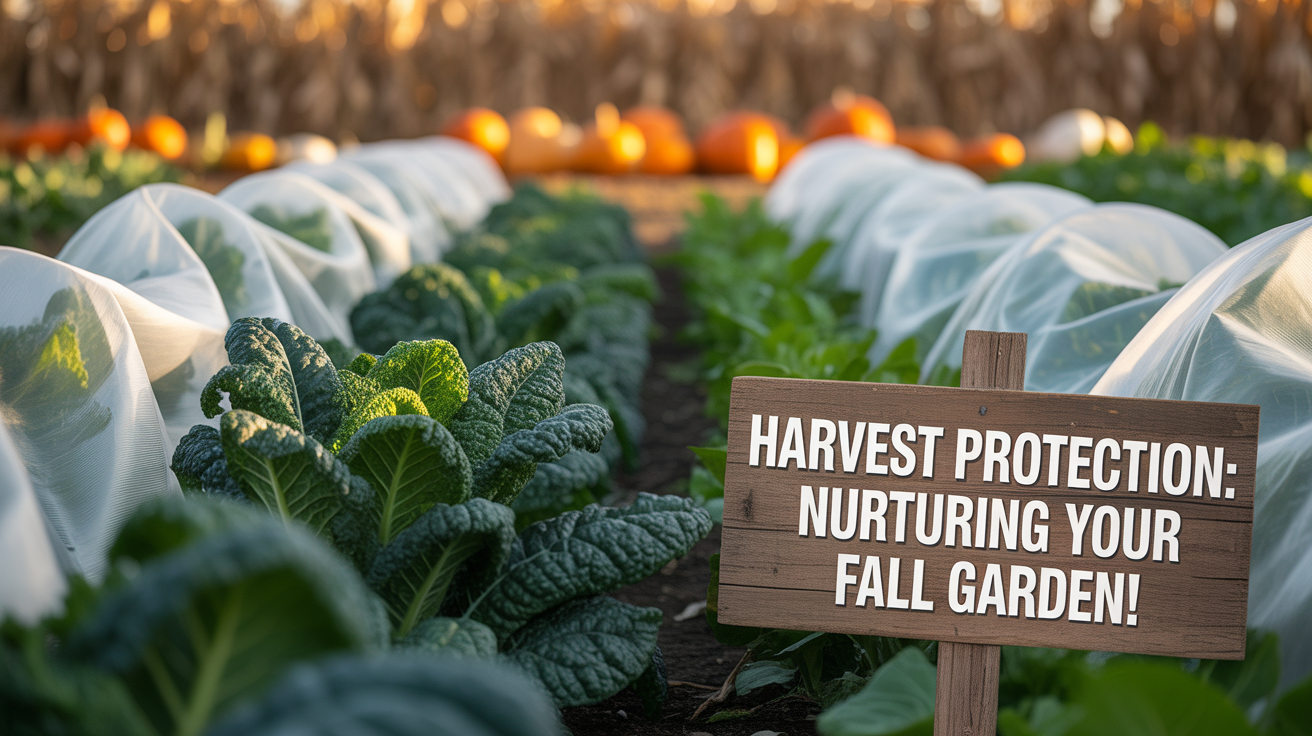
Fall can be a paradox in the garden — cooler air and shorter days bring both relief and challenge. While pests slow down, frost and wind begin to threaten tender plants. Here in Zone 9, we have the gift of an extended fall season, but that gift requires a gentle hand of protection. Row covers are one of the simplest, most effective ways to guard your fall crops while still allowing light, air, and rain to reach them.
They remind me of God’s sheltering care: not a heavy, suffocating weight, but a breathable, protective covering that lets us grow in safety. As we stretch summer’s abundance into the cooler months, we can steward our gardens by covering what we want to preserve. Out here in the Houston suburbs, where October heat can still catch us off guard and November frosts sneak in unexpectedly, row covers are like a faithful companion through the season’s shifts.
Free eBook
Rooted in Grace
A Christian guide to intuitive gardening — the whole book, free. Tell me where to send it and it’s yours in a minute.
🌱 Why Row Covers Matter for Fall Gardening
Extend the Harvest
Row covers can give you 2–6 extra weeks of productive growth by buffering against temperature drops and frost. Here in Zone 9, this means more spinach in your salads well into December and more carrots in your roasting pan before winter truly arrives. I’ve found that a well-placed row cover over fall-planted greens can turn a single harvest into several successive pickings as the season cools. When I observe my fall garden in late September, I’m watching the soil temperature as much as the air temperature—that’s where the real growing happens.
Prevent Frost Damage
Even a light frost can damage tender greens or young seedlings. Row covers trap radiant heat from the soil, often keeping plants 4–10°F warmer overnight depending on fabric weight. In our Houston area, where frost warnings can come suddenly in late November or December, this protection is invaluable for those tender lettuces and spinach transplants we’ve lovingly started. I reflect on this each season: the cover becomes a barrier not just against cold, but against worry. You can sleep easier knowing your young plants have that extra layer of care.
Reduce Pest Pressure
Insects like cabbage worms, flea beetles, and aphids may still be active well into fall. Covers act as a barrier, stopping them before they can lay eggs or feed. In our zone, fall-planted brassicas are particularly vulnerable to cabbage moths, and a well-installed row cover can mean the difference between a harvest and a frustrating loss. When we respond faithfully to pest pressure by covering our crops early—right as we plant—we prevent the cycle before it starts.
Shield from Harsh Weather
Autumn storms can flatten seedlings and tear leaves. Row covers diffuse heavy rain, block wind gusts, and reduce leaf tearing. Our Texas thunderstorms don’t discriminate between seasons, so having this extra layer of protection is practical wisdom. I’ve watched my uncovered fall plantings get battered by September squalls while covered beds just a few feet away emerged unscathed.
Preserve Soil Warmth
Warm soil helps seeds germinate faster and roots remain active longer. Row covers create a microclimate that slows soil cooling, especially when combined with mulch. In Zone 9, this means we can stretch the growing season both directions—planting earlier in fall and harvesting later into winter. The combination of warmth-holding and protection makes fall gardening here feel almost like we’re bending time itself.
Sanda’s Zone 9 Note: Here in the Houston suburbs, I start thinking about fall row covers in late August when I’m planning my cool-season crops. Our soil stays warm deep into autumn, which works to our advantage—a lightweight cover in September can actually keep things from bolting in residual heat while still protecting from unexpected cool snaps. I like to lay down my covers right after planting, before pests even realize there’s a feast waiting.
🧵 Types of Row Covers for Fall Crops
Not all row covers are created equal, and choosing the right one makes all the difference. Let me walk you through what’s available and how each works in our specific climate:
| Type | Fabric Weight | Light Transmission | Frost Protection | Best for Zone 9 |
| Lightweight Floating Cover | 0.5–0.9 oz/sq. yd | 85–90% | 2–4°F | Early fall pest control, September plantings |
| Medium-Weight Cover | 1.25–1.5 oz/sq. yd | 75–80% | 4–8°F | Mid-October through November harvests |
| Heavy-Weight Cover | 2.0 oz/sq. yd | 50–60% | 8–12°F | Late December frost protection, mature plants |
| Shade Cloth Hybrid | 30–50% | 30–70% variable | Minimal | September heat management before frost arrives |
Lightweight Floating Covers (0.5–0.9 oz/sq. yd)
These are my go-to choice for early-fall plantings in September when our Houston heat is still trying to sabotage cool-season crops. They’re featherweight, easy to drape directly over plants without support, and they let almost 90% of light through. In our zone, I use these to protect newly seeded spinach and lettuce from flea beetles while the soil is still warm. They don’t offer much frost protection—maybe 2–4°F—but that’s not what we need in September anyway. What we need is pest exclusion and gentle microclimate buffering.
Medium-Weight Covers (1.25–1.5 oz/sq. yd)
This is where the real versatility lives for Zone 9 gardeners. A medium-weight cover hits the sweet spot between light transmission and frost protection. Come October, when our nighttime temperatures start dipping and our brassica plantings are settling in, I switch to medium-weight covers. They provide 4–8°F of frost protection and still allow enough light for good growth. These covers need to be draped over low hoops or row supports to prevent direct contact with plants as they grow taller.
Heavy-Weight Covers (2.0 oz/sq. yd)
Save these for your most vulnerable plantings or for late in the season when genuine hard freezes threaten. Heavy-weight covers can protect against 8–12°F temperature drops and are essential if you’re extending harvest into December and January. The trade-off is reduced light transmission—you’ll get only 50–60% light through—but for established, mature plants nearing harvest, this trade is worth making. I bring these out in late November when the long-range forecast starts talking about real winter weather.
Sanda’s Garden Wisdom: Don’t make the mistake I made my first season here—using heavy-weight covers too early. I covered my September lettuce with heavy fabric and watched it stretch and bolt trying to reach the dimmed light. Start light in early fall, then progress to heavier covers as temperatures actually drop. It’s like dressing for the weather we have, not the weather we fear.
🌿 Installing Row Covers Faithfully
Timing Is Everything
In our Zone 9 fall garden, the moment you plant is the moment to think about covering. I lay my covers right after planting seeds or transplants—before pests even know there’s food available. For lightweight covers in early fall, you can even cover as seedlings emerge. The sooner the barrier is in place, the more effective it is. This is responsive gardening: we observe the need and respond immediately, rather than waiting for damage to appear.
Create Proper Support
Row covers shouldn’t sit directly on plants if they’re taller than a few inches—the weight can bruise leaves and inhibit growth. I use PVC hoops, wire supports, or even bent rebar to create a frame 6–12 inches above the canopy. For lightweight covers over low seedlings, you can just drape them loosely. The key is ensuring air movement underneath and preventing the fabric from compressing your plants.
Secure All Edges
Our Houston winds can be relentless, especially in fall when temperature changes create pressure shifts. Secure cover edges with soil, stones, landscape pins, or wooden stakes. I like using landscape fabric pins because they don’t damage the cover and allow for easy removal when you need to check on plants or water. Leave enough slack at the edges to accommodate plant growth—you don’t want a cover that’s taut and choking your crops.
Plan for Watering
Here’s something I learned the hard way: rain can run off row covers, especially heavier fabrics angled on hoops. While covers do allow some water through, I recommend checking soil moisture frequently. In our dry fall weather, this might mean hand-watering every few days. Light covers are more permeable, so water reaches plants more easily, but you’ll still want to monitor. Responsive gardening means paying attention to what’s actually happening under that fabric.
Sanda’s Tip: Before installing covers, give your soil a good drink. Moist soil holds heat better and provides that thermal mass that helps your covers work their magic on cold nights. In our Houston clay, this is especially important—dry clay becomes hard and resistant to water penetration.
🌡️ Managing Your Covered Fall Garden
Monitor Temperature Extremes
Even with covers, our Houston September can stay surprisingly warm. Check under covers on hot days—if things feel steamy, you may need to remove covers temporarily to prevent overheating. I use a simple soil thermometer to track actual temperatures under different covers. This observation practice helps me learn which covers work best in different scenarios each year.
Timing Removal for Pollination
If you’re growing any fall crops that need pollination—like fall-planted beans or squash varieties that mature in cooler weather—you’ll need to remove or roll back covers during the warmest part of the day when pollinators are active. In Zone 9, this is usually between 10 a.m. and 3 p.m., even in late fall. I mark my calendar with the expected flowering dates for each crop, then plan cover removal accordingly. It’s a gentle dance between protection and openness, much like balancing care with allowing growth.
Ventilation on Warm Days
Our Houston fall often includes warm spells—October warm days when temperatures climb into the 70s or 80s are common here. On these days, crack open your row covers by rolling them back or creating gaps for air circulation. Proper ventilation prevents fungal issues and heat stress under the covers. I check the forecast each morning and adjust accordingly. It’s intuitive gardening: we observe the conditions and respond with flexibility rather than rigid adherence to a schedule.
Watch for Pest Migration
Sometimes pests find their way under covers anyway, especially if you’ve covered plants that were already hosting them. Check the undersides of leaves regularly—especially on brassicas where cabbage moths love to hide. If you spot pest activity, you have options: open the cover for beneficial insects to help, handpick affected leaves, or use organic pest management inside the covered space. The earlier you catch problems, the easier they are to address.
Gradual Hardening Off
As harvest time approaches or as plants mature, begin removing covers gradually. Take them off for a few hours each day, extending the duration over a week or two. This prevents transplant shock when plants that have been cozy under covers suddenly face full outdoor exposure. It’s the same principle we use when hardening off spring seedlings, just in reverse. We honor the plant’s need for gradual adjustment.
🍂 Season-by-Season Cover Strategy for Zone 9
Here in the Houston suburbs, our fall growing season spans roughly September through February, and different periods call for different cover strategies. Let me map out what I’ve learned works in our specific microclimate.
September plantings start in heat, so I use lightweight covers primarily for pest exclusion. The frost protection these thin fabrics offer is almost irrelevant when nighttime temperatures are still in the 60s and 70s. What I need is protection from flea beetles on my tender lettuce seedlings and from cabbage moths finding my newly planted brassicas. Light is abundant, so the reduced transmission doesn’t matter.
October through early November is when medium-weight covers become my workhorse. Temperatures are cooling, but genuine freezes are still weeks away. I’m protecting against unexpected cool snaps and the increasing pest pressure from insects that are sensing the season shift. This is also when I’m most likely to remove covers temporarily for hand-watering or observation—our fall weather is still variable enough that I check in frequently.
Late November and December demand heavy-weight covers if you want to extend harvest. This is when genuine frost warnings arrive and when the protection becomes truly essential rather than merely helpful. At this stage, I’m often dealing with mature plants nearing harvest, so the reduced light transmission is acceptable. I also begin checking long-range forecasts religiously, knowing that a hard freeze can mean the difference between a productive harvest and complete crop loss.
Sanda’s Zone 9 Note: Here’s the reality of Zone 9 fall gardening that took me two seasons to truly understand: frost doesn’t always come gradually. We might have warm weather through Thanksgiving and then BAM—a hard freeze hits in early December. I learned this the year I confidently harvested spinach in short sleeves on December 10th and watched my uncovered greens turn to mush on December 12th. Now I keep at least one heavy-weight cover ready to deploy on short notice, even if I’m not using it regularly. Responsiveness sometimes means being prepared for the unexpected.
🤝 Reflecting on Protective Care
There’s something deeply grounding about row covers that goes beyond the practical gardening lesson. When I’m out here in late October, securing covers over tender greens that will feed my family through the darkening months, I’m reminded that protection and provision are intertwined. The covers don’t do the growing—the plants do that. They don’t create nutrients or sunshine. But they create conditions where growth can happen safely, where what’s vulnerable can thrive despite changing circumstances. In a season when the light is fading and temperatures are becoming unpredictable, row covers are an act of faithful stewardship. We’re saying to our garden: I see you, I’m paying attention to your needs, and I’m willing to do the small, unglamorous work that keeps you safe.
That is the honest shape of protective care, in the garden and everywhere else. It is rarely dramatic. It looks like walking out at dusk to check whether a corner of fabric has pulled loose in the wind. It looks like lifting a cover on a warm Tuesday because seventy-eight degrees in the open air is closer to ninety underneath lightweight fabric. It looks like remembering to water beneath a cover even though the bed looks tucked in and finished. None of that photographs well. All of it is what actually keeps the greens alive into January.
Row covers teach the other half of the lesson too, and it is the half we skip: protection has an expiration date. Fabric left on too long produces pale, soft, coddled plants that fold the first time real weather reaches them. The goal was never to keep the crop covered. The goal was to carry it far enough along that it could stand in the open. Knowing when to take the cover off is every bit as much a part of stewardship as knowing when to put it on, and in my experience it is the harder half by a wide margin.
So this fall, cover what is tender. Anchor the edges before the wind tests them. Check underneath more often than feels necessary. And when the cold snap passes and the sun comes back, roll the fabric off and let your plants meet the day. That rhythm of shelter and release is one God has been practicing with us far longer than we have been practicing it with lettuce.
🛒 Shop This Post
Everything below is what I actually use to cover fall beds here in Zone 9 — nothing fancy, just the fabric, hoops and anchors that have held up season after season.
- Agfabric 0.55 oz Floating Row Cover Featherweight enough to drape straight over early-fall seedlings with no hoops at all.
- Gardzen 1.5 oz Reusable Row Cover The mid-October through November workhorse — real frost protection, still breathable.
- MAQIHAN Frost Cloth Plant Cover What I reach for when a hard December night is actually in the forecast.
- 40 Percent Shade Cloth For those early weeks when the problem is still heat, not cold.
- Garden Hoops for Raised Beds, 36 pc Keeps fabric six to twelve inches off the canopy so leaves never get bruised.
- Galvanized Landscape Staples, 50 pk Anchors edges against Houston wind without tearing holes in the cover.
- Urban Worm Soil Thermometer Tells you what is actually happening under the fabric instead of what you assume.
- XLUX Soil Moisture Meter Rain runs off covers, so this is how you catch a bed drying out underneath.
These are Amazon affiliate links. If you buy through them I earn a small commission at no extra cost to you, and I only link gear I actually use in my own Zone 9 garden.
Ready to Go Deeper in the Garden?
If this article resonated with you, you might be ready for something more than tips.
- Download the FREE Rooted in Grace eBook
- Get the Rooted in Grace Print Book on Amazon
- Join Rooted Reset
- Follow on Instagram – @southernsoils
- Save on Pinterest – @southernsoilsunshine
- Join on Facebook – Southern Soil Sunshine
“The garden is not just a place to grow plants – it is a place to grow yourself.”
Free eBook
Before you go — the book is yours
Rooted in Grace: A Christian Guide to Intuitive Gardening. No cost, no catch. Read it on any device, at whatever pace the season allows.



3 Comments