Natural Pest Deterrents Using Eggshells
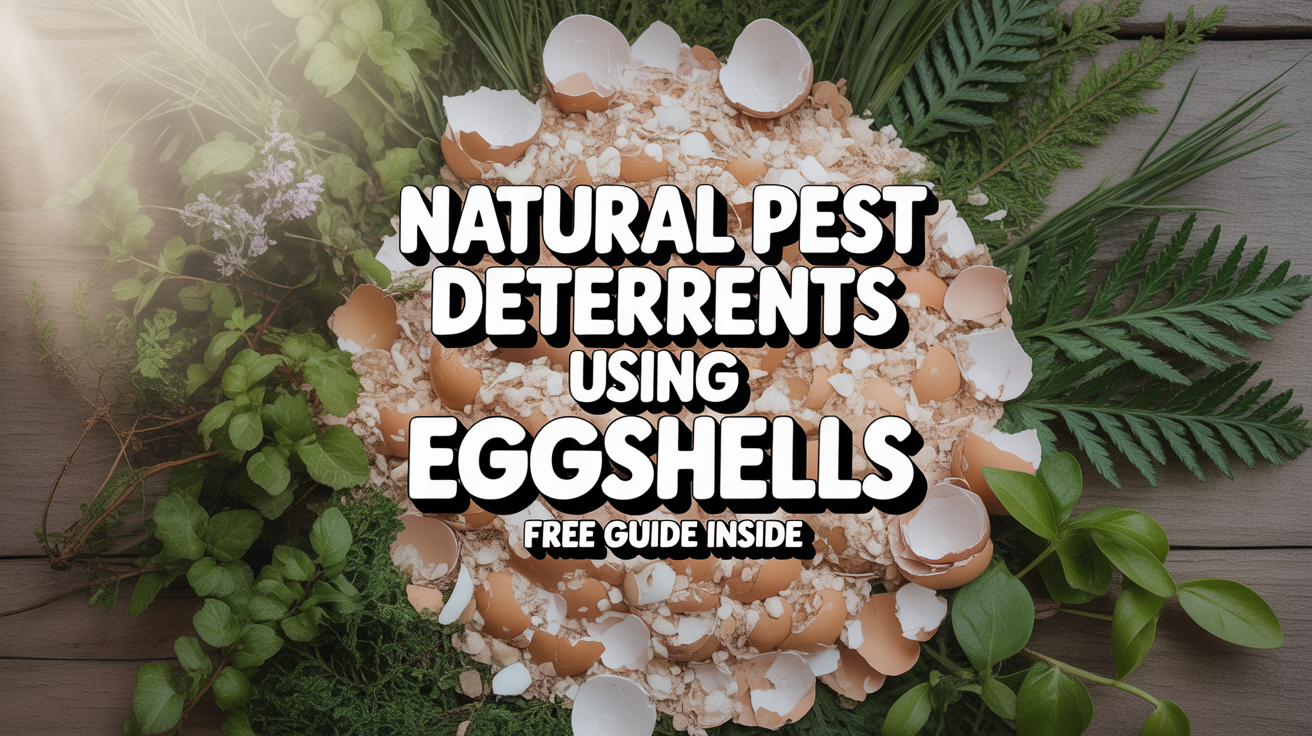
Natural Pest Deterrents Using Eggshells: A Garden Steward’s Secret 🥚
I’ll never forget the moment I realized what I’d been throwing away. Standing at my kitchen sink in our Houston-area home, cracking eggs into a bowl, I paused and looked at the shells in my hand. Here was calcium, texture, and potential—destined for the trash. That same evening, slugs were feasting on my tender fall lettuce. The connection felt almost like grace: what I discarded could protect what I loved.
In God’s creation, nothing truly goes to waste when we’re paying attention. What looks like a kitchen scrap can become a shield for your garden beds. Eggshells carry hidden gifts: calcium for soil strength, grit for pest deterrence, and a tangible reminder that small, faithfully-stewarded things can have lasting impact. As our Zone 9 gardens settle into fall’s slower rhythm, they remain vulnerable to slugs, snails, cutworms, and soft-bodied insects. Eggshells offer a natural, nearly-free way to protect what you’ve grown while enriching the soil beneath it—closing the beautiful loop between kitchen and garden. 🌱
Sanda’s Zone 9 Note: In Houston’s humid subtropical climate, our slug and snail seasons stretch longer than most gardeners realize. While cooler zones see pest pressure ease after frost, we’re often battling soft-bodied pests clear through December and into early spring. Eggshells become an especially valuable tool during our extended growing season.
Free eBook
Rooted in Grace
A Christian guide to intuitive gardening — the whole book, free. Tell me where to send it and it’s yours in a minute.
Why Eggshells Work: Observation & Care
When we sit with our gardens—really observe them—we notice patterns. After rain, slugs emerge. After we water heavily, snails appear on our brassicas. This observation is the first step in the intuitive gardening journey: we see, we reflect on what we’re witnessing, and then we respond faithfully with what we have.
Eggshells work on several levels, and understanding why deepens our appreciation for this practice:
Natural Pest Barrier. Slugs and snails move by gliding on a mucous layer. When they encounter the sharp, jagged edges of crushed eggshells, they instinctively turn away. It’s not about killing—it’s about creating a boundary they simply won’t cross. In our humid Houston falls, when moisture-loving pests are most active, this gentle but firm deterrent becomes invaluable for seedlings and young transplants.
Soil Enrichment. Eggshells are roughly 95% calcium carbonate. As they break down in our acidic Houston clay soils, they add available calcium that strengthens plant cell walls, prevents blossom-end rot in tomatoes and peppers, and supports overall plant vigor. This is long-term partnership with your soil—you’re not just solving today’s problem; you’re building tomorrow’s health.
Waste Reduction & Stewardship. Every shell you save from the landfill and repurpose in your garden is a small act of faithfulness. It’s sustainable, it costs nothing, and it reminds us that caring well means using what we’ve been given wisely.
Visual Cue & Connection. When I see that ring of white shells around my lettuce bed, it’s a physical reminder that I’m paying attention. I’m actively protecting. I’m connecting my home kitchen to my home garden in a tangible way that nourishes both body and spirit.
How to Prepare & Apply Eggshells: A Faithful Process
Step 1: Collect & Clean with Care
After cracking eggs, rinse the shells gently under cool water to remove any residual egg white or yolk. Pat them dry with a clean cloth. If you want to speed the process—or if you’re dealing with any concern about bacteria (though raw eggshell is typically safe)—you can bake your shells at 200°F for about 10 minutes. This accelerates drying and gives you peace of mind. Once dry, store them in a clean jar on your kitchen counter or in a small basket by the garden door. Over two to three weeks, most households accumulate enough shells for a good application around several beds.
Sanda’s Garden Wisdom: Don’t wait until you have a huge pile. Shells stored too long in a humid kitchen (and Houston kitchens are always humid!) can develop mold. Collect for a week or two, then apply. You can always add more shells the following week—pest pressure is ongoing in our climate anyway.
Step 2: Crush to the Right Texture
This is where intention matters. For pest deterrent purposes, you want coarse, jagged pieces—not powder. The sharp edges are what deter the pests; fine powder loses its deterrent power as it settles into the soil. I use my hands (gently, with gloves if my hands are sensitive) or a small rolling pin to crack the dried shells into pieces roughly the size of pea gravel. If you’re using them as a soil amendment rather than a deterrent, grind them finer with a mortar and pestle or old blender reserved for garden use.
Step 3: Create a Protective Ring
Around young seedlings, transplants, and tender plants that slugs and snails target—lettuce, chard, spinach, young brassicas—lay down a ring of crushed shells about 2-3 inches wide and 1-2 inches from the plant stem. Think of it as drawing a protective boundary. In our Houston humidity and frequent rain, this barrier settles and compacts more quickly than in drier climates, so plan to refresh every 7-10 days during active pest season (September through November, sometimes into December).
Step 4: Integrate with Other Methods
Eggshells work best as part of a faithful, multi-layered approach. Pair them with mulch to maintain the deterrent layer. Use them alongside hand-picking of larger pests or row covers for young plants. Mix powdered shells directly into your beds before planting for long-term calcium benefits. The goal isn’t one miracle solution—it’s responsive, attentive stewardship that meets your garden where it is.
| Method | Best For | Timing & Frequency | Zone 9 Notes |
| Crushed ring around plants | Slug & snail deterrent | Apply weekly; refresh after rain | Extended season (Sept–Dec+); humidity breaks shells down faster |
| Powdered shells mixed into soil | Calcium amendment; blossom-end rot prevention | Apply before planting; slow-release over season | Ideal for tomatoes, peppers, squash; helps acidic Houston clay |
| Half-shell seed starters | Early spring or fall seed starts | Plant seed in half-shell; transplant shell and all | Lovely for our fall planting season; reduces transplant shock |
| Mixed into compost pile | Soil enrichment; compost boost | Layer into pile as you build; speeds decomposition of other matter | Helps balance any acidic tendencies in finished compost |
Zone 9 Houston: Our Specific Advantages & Challenges
I often tell gardeners that Zone 9 gardening is a different creature than gardening further north. Our fall arrives later, our winter pests stay active longer, and our humidity creates conditions that are both blessing and challenge.
For us in Houston and surrounding Zone 9 areas, slug and snail pressure remains high well into December and even January. While gardeners in cooler zones see pest activity plummet after the first frost, we’re often dealing with these moisture-loving creatures throughout our entire fall and early winter garden season. This makes eggshell barriers especially valuable for our extended-season crops like lettuce, spinach, chard, kale, and broccoli.
Our clay-heavy soils also tend toward acidity, making the calcium in eggshells particularly beneficial. They help raise pH gradually and naturally, without the harsh amendments some gardeners resort to. And our humidity means crushed shells settle and compact faster than in drier regions—so plan for more frequent refreshing than articles written for other zones might suggest. Think weekly rather than biweekly.
Sanda’s Tip: Keep a small basket of dried shells by your back door or garden gate during September through December. When you’re heading out to water or weed, you can quickly refresh the barriers around vulnerable plants. It takes just two minutes, and it keeps pests from gaining a foothold in the first place.
Beyond Pest Deterrents: Other Beautiful Uses
Seed Starters & Transplant Vessels
One of my favorite applications doesn’t involve crushing at all. Carefully halved eggshells become perfect tiny seed-starting containers. Fill them with seed-starting mix, plant your seed, and when seedlings are ready, transplant the whole shell into the garden. The shell breaks down, adding calcium directly where roots will use it. There’s something deeply satisfying about this full-circle practice—egg to kitchen to garden to soil, with nothing wasted and everything fed.
Calcium for Blossom-End Rot Prevention
Powdered eggshells mixed into the soil around tomatoes, peppers, and squash provide slow-release calcium that significantly reduces blossom-end rot—that dark, sunken spot on the bottom of fruit that frustrates so many gardeners. In our Houston heat, inconsistent watering can trigger this condition, so the steady calcium supply from eggshells is like insurance for your harvest.
Compost Enrichment
Layer crushed or powdered shells into your compost pile. They add nutrients, help balance pH, and eventually become part of the rich black gold you spread on your beds each season. It’s stewardship working in multiple directions at once.
Understanding the Limitations: Faithful Expectation
Part of intuitive gardening is being honest about what works and what doesn’t. Eggshells are powerful, but they’re not magic, and that’s important to acknowledge.
Eggshells work best against soft-bodied pests—slugs, snails, cutworms, and some caterpillars. They’re less effective against hard-bodied insects
Understanding Why Eggshells Matter Most in Our Long Houston Season
The real revelation I had—and what I wish I’d understood earlier—is that eggshells aren’t just a cute kitchen-to-garden hack. They’re genuinely essential for those of us gardening in Zone 9’s extended growing window. While gardeners in Minnesota or Pennsylvania might garden for six months and see frost eliminate most soft-bodied pests by November, we’re out here in December, sometimes January, still watching slugs devastate our leafy greens. Our season doesn’t end; it transforms. And eggshells become a faithful tool precisely because pest pressure doesn’t ease—it just shifts. The dampness that follows our October and November rains creates ideal conditions for snails and slugs. The warmth in our soil lingers longer than most gardeners realize. So when you’re crushing those shells in November, you’re not thinking nostalgically about “pest season past”—you’re engaging with an active, present threat that’s specific to our subtropical reality. This is why observation matters so much in intuitive gardening: we learn what’s actually happening in our particular place, at our particular latitude, in our particular season. Then we respond accordingly.
The Calcium Story: Healing Our Acidic Houston Clay
I discovered something profound while talking with a soil scientist at a local extension office: Houston’s soils are naturally acidic, and when we add organic matter year after year without addressing that underlying acidity, we can inadvertently make things worse. Eggshells became my quiet solution. They’re roughly 95% calcium carbonate—the same active ingredient in lime, but in a gentler, slower form that won’t shock your soil system. As shells break down over weeks and months in our humid climate, they gently raise pH while adding bioavailable calcium that plants can actually use right now. For those of us growing tomatoes and peppers—staple Zone 9 crops—this calcium prevents blossom-end rot before it starts. I’ve watched gardeners spend money on expensive lime applications and specialized fertilizers when eggshells, collected free from their own kitchens, would have solved the problem with patience and faithfulness. There’s something spiritually resonant about that: the simplest, most humble resource doing the deepest work.
The Humidity Factor: Why Our Shells Break Down Faster
I learned this the hard way. An article written for a gardener in Arizona or Southern California might suggest refreshing eggshell barriers every two weeks. In Houston? You’re looking at weekly, sometimes twice weekly if we’ve had significant rain. Our humidity doesn’t just affect how we feel in the garden—it physically transforms our materials. Moisture accelerates the breakdown of eggshell’s jagged texture; it also encourages mold growth on stored shells if you’re not careful. This taught me something valuable about responsive gardening: best practices written for “Zone 9” can be wildly different depending on whether you’re in the drier parts of Texas or here in our subtropical, moisture-heavy corner. When you adjust your practice based on what you observe in your actual microclimate—your actual rainfall, your actual humidity levels—you stop following generic advice and start practicing real stewardship. You become a gardener, not just someone following instructions.
Ready to Go Deeper in the Garden?
If this article resonated with you, you might be ready for something more than tips.
- Download the FREE Rooted in Grace eBook
- Get the Rooted in Grace Print Book on Amazon
- Join Rooted Reset
- Follow on Instagram – @southernsoils
- Save on Pinterest – @southernsoilsunshine
- Join on Facebook – Southern Soil Sunshine
“The garden is not just a place to grow plants – it is a place to grow yourself.”
Free eBook
Before you go — the book is yours
Rooted in Grace: A Christian Guide to Intuitive Gardening. No cost, no catch. Read it on any device, at whatever pace the season allows.