Top-Dressing Beds with Organic Compost in Fall
Top-Dressing Beds with Organic Compost in Fall: Tucking Your Garden in for Winter’s Rest 🌾
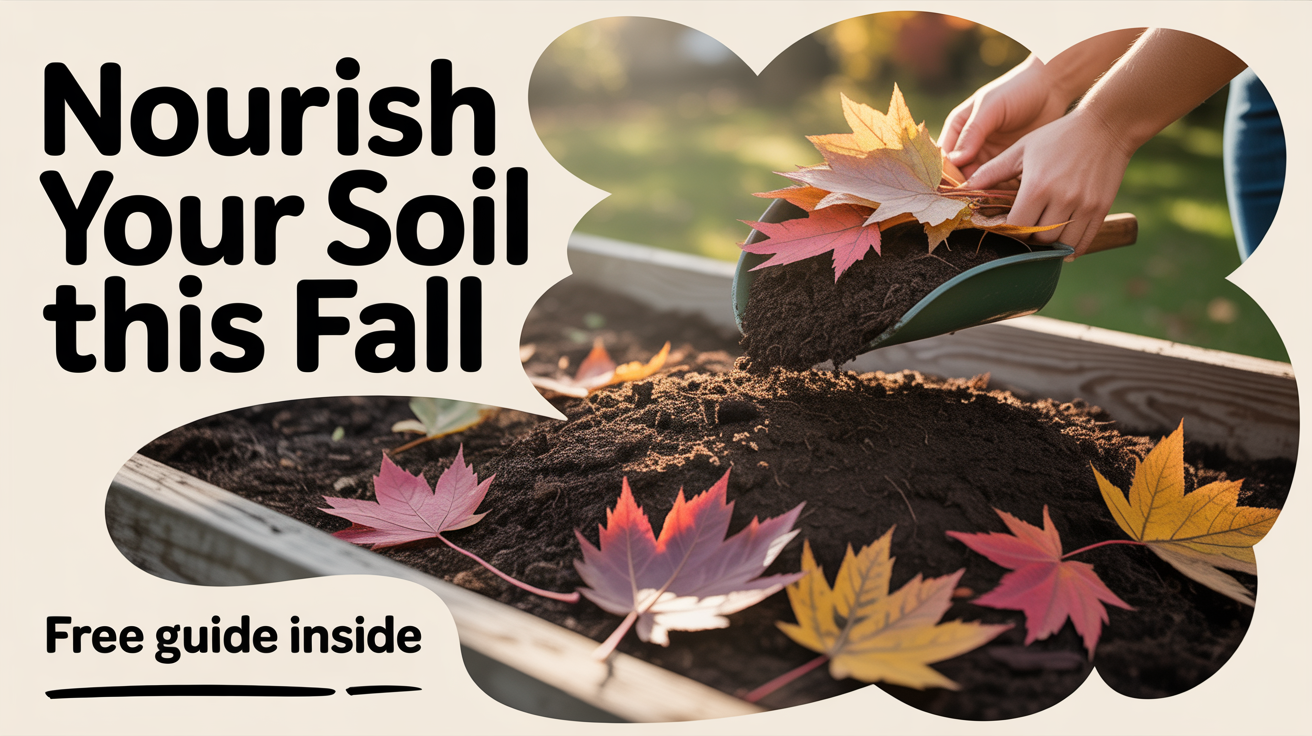
There’s a quiet satisfaction in covering a bed with rich, dark compost—like tucking the soil in with a nourishing blanket before winter’s rest. On those cooler Houston evenings, when the summer heat finally breaks and I step into the garden, I feel it: the shift. The soil is ready to receive, and we’re ready to give.
Top-dressing in fall isn’t flashy. It’s a slow, steady investment in the life beneath the surface. We’re not feeding plants directly so much as we’re feeding the unseen partners in our garden’s health—the microbes, earthworms, fungi, and all the mysterious workers that turn dust into fertility. It’s an act of trust, really. Come spring, the soil will tell the story of what we gave it in these cooler months.
Sanda’s Tip: In our Houston Zone 9 climate, fall arrives later than most regions—we’re really talking November through early January as our true “cool season.” This extended window is a gift. Use it wisely by top-dressing beds after your summer harvest winds down but before the holidays get hectic.
Free eBook
Rooted in Grace
A Christian guide to intuitive gardening — the whole book, free. Tell me where to send it and it’s yours in a minute.
Why Top-Dress in Fall? 🌱
In our part of Texas, fall top-dressing serves purposes that spring gardeners never quite understand. Here’s what happens when we layer that dark, crumbly goodness on our beds as temperatures drop:
Feeds Soil Life Through Winter: Even in our mild Zone 9 winters, beneficial microbes don’t go fully dormant like they do up north. They stay active on warmer days, slowly breaking down organic matter into plant-available nutrients. By spring, the work is done, and your soil is ready to nourish.
Improves Soil Structure: Our Houston clay is legendary—heavy, dense, and honestly, a bit stubborn. Fall top-dressing loosens clay, adds body to sandy soils, and brings that perfect loam balance closer to reality. The freeze-thaw cycles we do experience help work the compost deeper into the profile.
Reduces Erosion: A cover of compost shields the surface from our intense fall and winter rains. We don’t get the erosion problems that northern gardeners face with snow melt, but we do get heavy downpours that can wash away topsoil and expose roots.
Enhances Moisture Retention: Organic matter holds water like a sponge. In our unpredictable Texas winters, this buffering capacity keeps soil from alternating between waterlogged and dust-dry.
Prepares Beds for Spring: Nutrients are in place, saved and ready. No scrambling in March and April when life gets busy. The soil remembers what you gave it in November.
Step-by-Step: Top-Dressing in Fall 📋
1. Choose Quality Compost
Not all compost is created equal, and in Houston, where we can source from so many places, it pays to be choosy. Look for compost that’s:
Dark and crumbly in texture—this tells you decomposition has finished. Earthy-smelling, never sour or ammonia-like. Evenly decomposed with no recognizable food scraps or chunks of wood. Finished and cool to the touch, never heating up in your hands (a sign it’s still actively decomposing).
Your best sources in the Houston area include your own home compost pile (if you’ve been building it all year), local municipal compost programs offered by several Harris County locations, organic-certified bulk compost suppliers who deliver by the yard, or worm castings mixed into regular compost for that extra microbial boost.
Sanda’s Zone 9 Note: Be wary of compost sources that don’t know their ingredients. Some bulk suppliers use poultry litter or heavily treated materials that may contain residues from antibiotic-heavy farming. Ask questions. You’re investing in your soil’s future, not just filling a bed.
2. Prepare the Bed
Before top-dressing, take a moment to observe your bed. What’s there now? Are fall crops still growing—kale, lettuce, broccoli, those beautiful cold-season vegetables we’re blessed to grow in Houston? If so, clear away dead plant material around the base of living plants, but leave them be. You can top-dress around them gently.
For beds that are empty and ready for rest, rake the surface smooth, removing any weeds, debris, or spent summer annuals. This gives the compost a clean canvas and helps it settle evenly.
3. Apply the Compost Layer
Here’s where observation matters. Standard depth is one to two inches for most garden beds—enough to feed soil life and improve structure without smothering anything. For poor soils that haven’t seen much amendment, you can go up to three inches, but be careful around young plants. In our Houston gardens, I often find one and a half inches is the sweet spot: substantial enough to make a difference, gentle enough not to disturb the ecosystem already at work.
Spread evenly using a shovel and rake, working methodically across the bed. Don’t rush this step. The more even your distribution, the more uniform your soil’s response will be come spring.
4. Decide Whether to Work It In
Here’s where the intuitive gardening framework invites you to reflect on your approach. There are two faithful ways to respond:
The No-Dig Approach: Leave compost on top and let microbes, worms, and nature’s own wisdom work it down over time. This is my preference most years. It’s gentle, it protects the soil structure underneath, and it mirrors how forest floors naturally build themselves. Worms will tunnel through it, fungi will network through it, and by spring, it’ll be integrated into the top few inches without any effort from you.
Light Incorporation: Gently mix the compost into the top two inches with a cultivator or light tilling. This speeds up nutrient availability and can be helpful if you’re preparing beds for spring planting very soon. In Houston, where our growing season is long and winters mild, this approach works fine too—just know you’re trading immediate results for some soil disturbance.
5. Water Lightly
Moisture helps compost settle and begin interacting with soil life. A gentle soaking with the hose or drip line is enough. Avoid overwatering in cool weather, though—our fall rains usually handle this for us. If you’ve had a dry stretch, water lightly. If rain’s in the forecast, skip this step.
6. Mulch If Needed
In our Houston climate, we rarely need extra mulch over compost for winter protection—our winters are too mild for that to matter. But if you’ve had an unusually cold forecast or you’re top-dressing beds with tender perennials, a light mulch layer can help retain warmth and protect against erosion from heavy rains.
Zone 9 Houston Timing: When to Top-Dress 🗺
This is where knowing your exact location matters. Houston sits firmly in Zone 9a, which means our fall top-dressing window opens later and closes differently than gardeners further north experience.
Best timing for us: Late October through December, with the sweet spot being November. By then, summer crops have finished, fall gardens are established, and soil is still warm enough for microbes to work effectively. January can work too, but we’re getting closer to our spring planting push, so earlier is better if you can manage it.
What to avoid: September top-dressing often fails because our residual heat and September rains cause compost to break down too quickly, leaching nutrients before soil cools. October can work if we’ve had a cool spell, but timing it is tricky. Wait for November if you’re uncertain.
| Month | Timing for Zone 9 Houston | Best For | Notes |
| September | Too Early | N/A | Heat and rain cause rapid breakdown; nutrients leach away |
| October | Maybe (if cool) | Early movers | Wait for a cooling trend; risky timing otherwise |
| November | IDEAL | Most beds; all crops | Perfect window—soil cooling, microbes active, no rush |
| December | Good | Most beds; active gardens | Still works; more time for winter breakdown |
| January | Late but Okay | Quick-refresh beds | Getting close to spring planting; less integration time |
Compost Types and When to Use Them 🌿
Not every compost serves the same purpose. Understanding what you’re spreading helps you make faithful choices about what your beds need.
Plant-Based Compost: Balanced nutrients from vegetable scraps, leaves, and grass clippings. This is your go-to for most garden beds. It feeds everything without overwhelming any one crop. If you’re making your own compost, this is likely what you’ll have.
Manure-Based Compost: Higher in nitrogen, excellent for feeding leafy greens and brassicas. Our Houston fall gardens love this—kale, collards, lettuce all benefit from the nitrogen boost. Make absolutely sure it’s fully composted and aged at least six months. Fresh or partially composted manure will burn plants and attract pests.
Mushroom Compost: Gentle nutrient profile, excellent for improving soil structure without overstimulating growth. It’s often a byproduct from commercial mushroom farms and is wonderfully affordable in bulk. Great for all-purpose top-dressing, especially if you’re cautious about adding too much nitrogen.
Leaf Mold: High in organic matter, low in nutrients. It’s essentially decomposed leaves—free, abundant in Houston come fall, and perfect for combining with other compost
Understanding Soil Temperature and Microbial Activity in Zone 9
When we top-dress in fall, we’re working with an invisible partner—the living soil ecosystem that responds to temperature shifts. In Zone 9 Houston, this rhythm is different from northern gardens, and understanding it changes how we time our work.
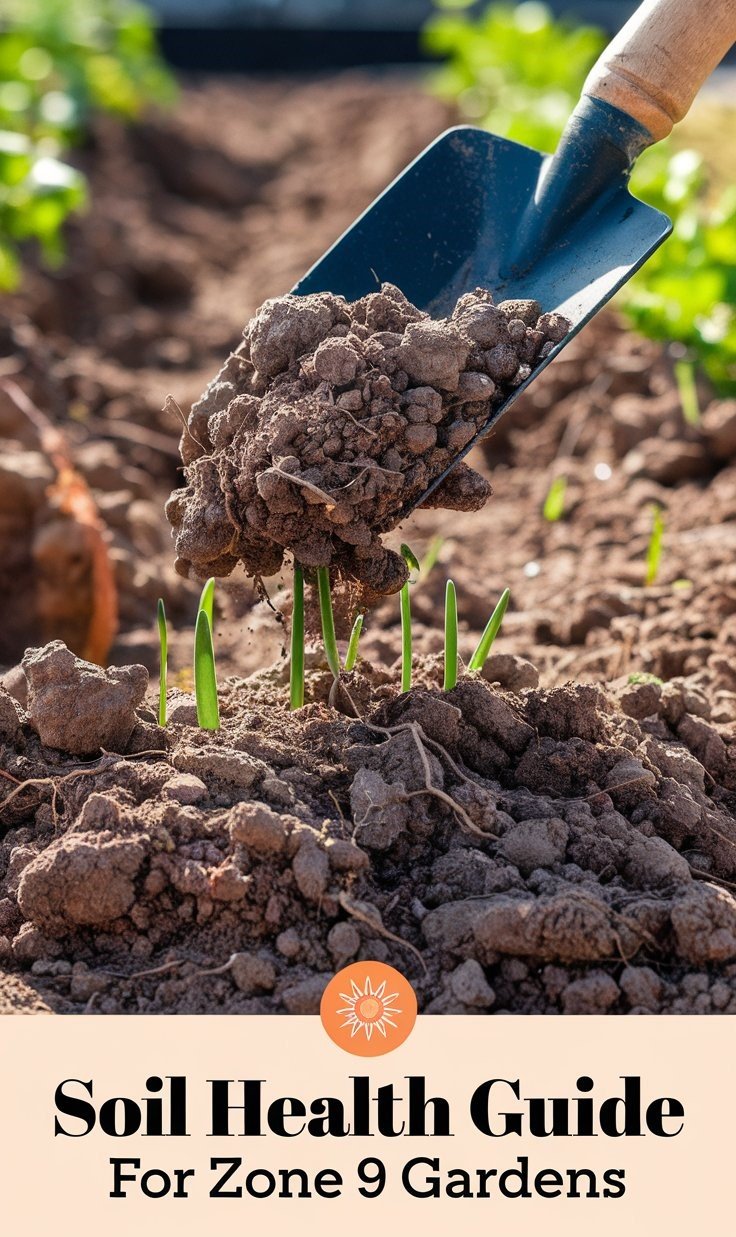
Our soil temperature doesn’t drop as dramatically as it does further north. By November, when most gardeners are wrapping up fall work, our soil is still hovering in the 60s and 70s Fahrenheit—warm enough for microbial activity to continue steadily. This is the gift of our subtropical climate. Bacteria, fungi, and actinomycetes don’t go dormant the way they do in zones where soil freezes solid. Instead, they keep working through our mild winters, slowly decomposing organic matter at a measured, sustainable pace.
When you top-dress in November or early December, you’re timing it so that this microbial workforce has the full winter to integrate compost into your soil profile. By the time spring arrives and soil temperatures climb back into the 80s, the breakdown is largely complete, and those nutrients are stable—not volatile or ready to leach away with our spring rains. It’s intuitive gardening at its finest: observe the season, understand the soil’s readiness, and respond with patience rather than force.
If you top-dress too early (September or early October), our residual summer heat and frequent warm rains accelerate decomposition too quickly. The compost breaks down before soil has cooled enough for microbes to work at their optimal, sustained pace. Nutrients become available faster than plants can use them, and valuable nitrogen leaches away with rain. Later, in February or March when spring planting urgency hits, you realize that investment didn’t deliver what you hoped. Timing matters, not just as a calendar convenience, but as respect for how soil actually lives and breathes in our specific place.
Blending Compost for Your Specific Bed Needs
One of the most freeing realizations in gardening is that top-dressing doesn’t have to be a one-size-fits-all gesture. You can blend different compost types to address what each bed is actually asking for. This is where observation and response meet the practical realities of Houston gardening.
Your fall vegetable bed—the one where you’re growing leafy greens, broccoli, and cabbage—might benefit from a blend of two parts plant-based compost to one part well-aged manure compost. The manure adds nitrogen for leaf growth without overwhelming the system; the plant-based compost provides balanced minerals and fiber. Your perennial flower beds, meanwhile, might do better with pure plant-based compost or even mushroom compost if your soil is already nitrogen-rich from years of amendments. Your newly planted shrub area needs compost with excellent water-holding capacity, so leaf mold mixed into your base compost helps retain moisture through our dry spells.
This blending approach requires you to know your beds—their history, what grows there, what they’ve received before. It asks you to slow down and think. But that slowness is the gift. You’re not just spreading compost; you’re making a specific, thoughtful investment in each place. When spring comes and that newly amended bed responds with vigor, you’ll recognize not just the compost’s work, but your own attentiveness reflected back to you.
What Happens Under the Surface: Winter Decomposition Timeline
There’s a quiet magic happening beneath your top-dressed beds all winter long, and understanding the timeline helps you know what to expect come spring. When you spread compost in November, you’re initiating a process that unfolds over the next four to five months in our Zone 9 climate.
Weeks 1-4 (November-December): Compost settles and makes contact with soil. Earthworms sense the fresh organic matter and begin moving through it, their tunneling aerating both compost and soil beneath. Fungal networks extend through the compost layer, beginning the slow work of breaking down complex materials. On your warmer winter days—and we get plenty of them in Houston—microbial activity accelerates slightly. On cooler nights, things slow. This rhythm, repeated across weeks, is sustainable and thorough.
Weeks 5-10 (January): Decomposition deepens. The visible structure of compost begins to blur as it integrates with the top inch or two of existing soil. Nutrients start becoming available in forms plants can use, though they’re not yet being actively absorbed because growth is minimal in winter. If you were to dig into your bed now, you’d see less distinct compost and more of a rich, dark, crumbly mixture—this is integration happening. Worm populations typically increase during this window if conditions are moist and temperatures mild, which they often are in Houston.
Weeks 11-20 (February-March): As soil temperatures warm and day length increases, microbial activity accelerates. Decomposition that took measured steps through January now quickens slightly. The compost that was still somewhat visible in early January is now thoroughly integrated into your soil. Nutrient availability increases just as your plants begin their spring growth surge. This timing is no accident—it’s the patient, intuitive cycle of soil life
🛒 Shop This Post
Fall top-dressing is the least glamorous hour you will spend in the garden and the one that pays you back all spring.
- R&M Organics Compost The whole point of the post. An inch or two across the surface, no digging required.
- Adjustable Metal Leaf Rake For smoothing the bed before you top-dress, and for gathering the leaves that go on after.
- VNIMTI 4-Tine Garden Fork When you do want to work some in around perennials rather than leave it on top.
- HealthiStraw Garden Straw Goes over the compost so our winter rains do not beat it into a crust.
- Collapsible Leaf Collection Bags Free mulch is only free if you have something to carry it in.
- HANDLANDY Long Gardening Gloves Cool mornings, wet compost. Long cuffs earn their keep in the fall.
These are Amazon affiliate links. If you buy through them I earn a small commission at no extra cost to you — and I only link gear I actually use in my own Zone 9 garden.
Ready to Go Deeper in the Garden?
If this article resonated with you, you might be ready for something more than tips.
- Download the FREE Rooted in Grace eBook
- Get the Rooted in Grace Print Book on Amazon
- Join Rooted Reset
- Follow on Instagram – @southernsoils
- Save on Pinterest – @southernsoilsunshine
- Join on Facebook – Southern Soil Sunshine
“The garden is not just a place to grow plants – it is a place to grow yourself.”
Free eBook
Before you go — the book is yours
Rooted in Grace: A Christian Guide to Intuitive Gardening. No cost, no catch. Read it on any device, at whatever pace the season allows.