
How to Prevent Cabbage Worms for Brassicas
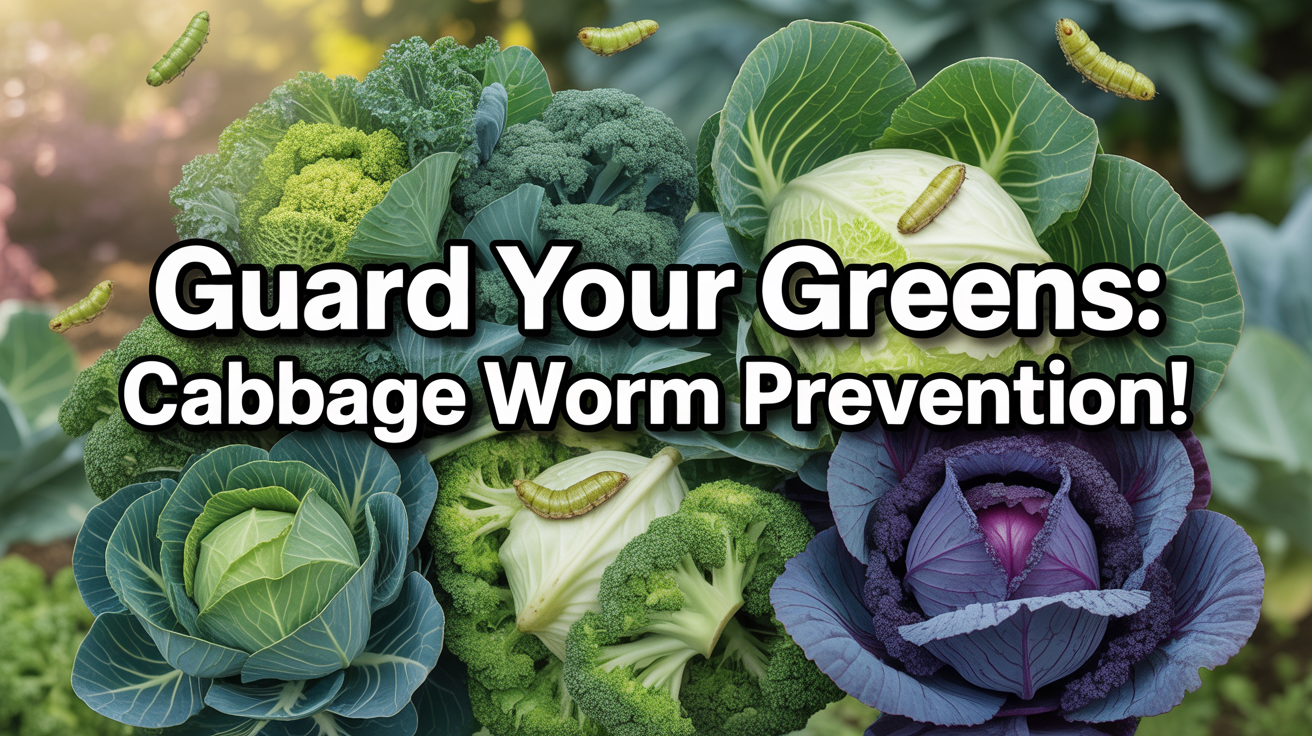
How to Prevent Cabbage Worms for Brassicas: A Season-Long Strategy for Zone 9 Gardens 🥬
Few pests are as persistent—and as frustrating—as the humble cabbage worm. Here in Zone 9, where our warm weather stretches well into December and beyond, these tiny green caterpillars can strip a healthy kale plant to bare stems in a matter of days. I’ve stood in my garden at sunrise, admiring perfect broccoli leaves, only to return that afternoon and find them laced with holes. It’s heartbreaking, especially when you’ve invested time and care into growing these nutritious beauties.
But here’s what I’ve learned over years of tending my brassica beds: cabbage worms can be prevented and controlled without harsh chemicals or panicked damage control. It takes something more powerful than sprays—it takes observation, timing, and faithful action. When we understand the rhythm of these pests and work with nature’s patterns rather than against them, we protect our harvest before the damage even begins.
Free eBook
Rooted in Grace
A Christian guide to intuitive gardening — the whole book, free. Tell me where to send it and it’s yours in a minute.
Understanding the Enemy: The Cabbage Worm Life Cycle 🐛
The cabbage worm is actually the larval stage of the small white butterfly (Pieris rapae), often called the cabbage white. You’ve probably seen these delicate butterflies fluttering through gardens—they look almost harmless. But harmless they are not when it comes to our brassicas.
In our Zone 9 Houston area, the warmth means these butterflies stay active for months, producing multiple generations in a single growing season. This is the key insight that changes everything: controlling cabbage worms isn’t just about dealing with what you see right now. It’s about breaking the cycle before it multiplies.
| Life Stage | Appearance | Duration | Where It Hides |
| Egg | Tiny, pale yellow, elongated | 3–5 days | Underside of leaves (singly) |
| Larva (Caterpillar) | Bright green, velvety, smooth | 2–3 weeks | Inside leaf folds, along stems |
| Pupa (Chrysalis) | Pale green or brown, angular | 7–10 days (or overwinters) | Plant stems, fence posts, mulch |
| Adult Butterfly | White wings with 2 black spots | 2–6 weeks | Flying from plant to plant |
Why Understanding This Cycle Changes Everything
Here’s the spiritual gardening truth: if you interrupt the cycle at the egg stage, you stop future generations before they become a crisis. You’re working upstream, not downstream. That’s the difference between reactive and proactive gardening. It’s the difference between exhaustion and peace.
Prevention Strategy #1: Floating Row Covers—Your First Line of Defense 🛡️
If I could recommend just one tool for brassica protection in Zone 9, it would be floating row covers. These lightweight, breathable fabrics are like a gentle shield—they keep adult butterflies from reaching your plants to lay eggs while allowing light, water, and air to flow through.
The magic of row covers is their simplicity. You install them immediately after transplanting your brassicas (whether in late August for fall crops or early March for spring crops), and you leave them on until the plants are mature enough that you don’t need to worry about caterpillar damage anymore. For most brassicas like kale, cabbage, and broccoli, that means keeping covers on for about 4–6 weeks—exactly the window when butterflies are most active in laying eggs.
Sanda’s Tip: Look for row covers labeled “0.55 oz” or “lightweight”—these allow about 85% light transmission, perfect for our intense Houston sun. Secure all edges with soil, rocks, or landscape pins. Even a small gap is an invitation for a determined butterfly!
In our Zone 9 climate, where fall brassica planting happens in August and September, row covers become especially valuable because that’s peak cabbage white season. The combination of warm soil and active butterflies means you’re protecting plants during the most vulnerable window.
Prevention Strategy #2: Companion Planting—Creating a Garden That Confuses Pests 🌿
One of my favorite discoveries as a gardener has been learning that plants communicate—through scent, through chemicals in their soil, through their sheer presence alongside one another. When we plant strategically, we’re not just decorating; we’re creating an ecosystem that works for us.
Aromatic herbs like thyme, sage, rosemary, and dill mask the distinctive scent of brassicas that attracts cabbage whites. Nasturtiums act as a trap crop, luring butterflies away from your main plantings and onto themselves instead. Marigolds bring their own pest-deterrent qualities to the garden. When you weave these companions throughout your brassica bed, you’re creating confusion and making your garden less inviting to pests.
The bonus? These companion plants attract beneficial pollinators, parasitic wasps, ladybugs, and lacewings—the natural enemies of cabbage worms. You’re not just preventing one problem; you’re building a whole ecosystem of balance.
Sanda’s Zone 9 Note: Plant your companion herbs in August or early September so they’re established and fragrant when butterfly season peaks in fall. Dill especially thrives in our cool season and will attract beneficial parasitic wasps that lay eggs in cabbage worm pupae—nature’s own pest control!
Prevention Strategy #3: The Weekly Observation Ritual—Making Inspection Part of Your Rhythm 👀
This might be the most important prevention tool of all, and it costs nothing. I’ve learned that the act of looking—really looking—at my plants changes everything. It’s not just about catching problems early. It’s about being present in the garden, noticing what’s happening, and responding faithfully.
Make a weekly ritual of checking the undersides of brassica leaves, especially the newer growth at the top. Look for those tiny pale yellow eggs. If you spot them, simply remove the leaf or crush the eggs right there. When you see a cabbage white butterfly in your garden, mark that day on your calendar and check your brassicas within 48 hours—that’s when eggs will likely appear.
I keep a small bucket of soapy water with me when I make my rounds. If I find a green caterpillar, I drop it in and move on. It’s gentle, it’s effective, and somehow it feels less violent than other methods. There’s an honesty to it—acknowledging that pests exist while choosing the most compassionate response available.
Sanda’s Garden Wisdom: Wednesday mornings are my inspection day. I walk the brassica beds with my bucket, my hands, and my attention fully present. I’ve caught infestations at the three-egg stage instead of the three-hundred-egg stage. That small act of faithfulness compounds.
Prevention Strategy #4: Inviting Natural Predators Into Your Garden 🐦
Your garden already has allies waiting to help. Birds, ladybugs, lacewings, parasitic wasps—these are the creatures that have been controlling garden pests for millennia. Our job is simply to make our gardens welcoming to them.
This means avoiding broad-spectrum pesticides that kill indiscriminately. It means planting native flowering plants that provide pollen and nectar year-round. In our Zone 9 garden, native salvias, zinnias, and wildflowers bloom when commercial plants are dormant, giving beneficial insects a reason to stay through winter.
A simple birdbath or shallow water source gives birds reason to visit regularly. They’re remarkable pest controllers—a Carolina wren can consume hundreds of insects in a single week. When you see birds working your garden, you’re seeing nature’s own integrated pest management system at work.
Prevention Strategy #5: Organic Interventions When Prevention Isn’t Quite Enough 🌿
Even with perfect prevention, you might still see some damage. Maybe a caterpillar sneaked past your row cover. Maybe you missed an egg during inspection. It happens. The good news is that when prevention partially fails, we have gentle organic options that work with nature rather than against it.
Bacillus thuringiensis (Bt) is a naturally occurring soil bacterium that targets caterpillars specifically. It works by disrupting their digestive system—and it’s harmless to humans, beneficial insects, and the environment. Apply Bt in the early evening when caterpillars are feeding, and repeat every 7–10 days as needed.
Neem oil disrupts the feeding and reproduction of caterpillars. Again, it’s gentle, biodegradable, and used by organic gardeners worldwide. Apply in early morning or late evening to avoid burning foliage in our intense Houston heat.
Sanda’s Zone 9 Note: Never spray Bt or neem oil during the heat of the day—our Texas sun will degrade these products and may burn tender brassica leaves. Apply between 6 PM and 8 AM, and reapply after rain. Also, avoid spraying if beneficial insects are actively visiting flowers in your garden.
The Zone 9 Timeline: When Cabbage Worms Threaten Most 📅
Timing is everything in Zone 9. Our growing seasons are unusual compared to northern gardeners—we actually have two prime brassica seasons, and they each bring different cabbage worm pressure.
Fall Planting (August–September): This is prime cabbage white season. Butterflies are abundant, temperatures are warm, and they’re actively laying eggs. Your row covers need to be installed immediately and kept on for the full 4–6 week window. This is when I’m most vigilant.
Spring Planting (January–February): Butterfly activity begins in late February as temperatures warm. Your protection window is shorter but still critical. By March and April, cabbage whites are thick in Zone 9 gardens.
One thing I’ve learned is that prevention isn’t just about external tactics—it’s about listening to what your plants are telling you. A healthy, vigorously growing brassica plant can often withstand minor caterpillar damage that would devastate a struggling plant. This shifts our focus upstream, to soil health and plant vigor. In our Zone 9 gardens, this means starting with soil rich in organic matter. When I plant my fall brassicas in August, I amend heavily with finished compost. Strong plants develop deeper root systems, absorb nutrients more efficiently, and produce tougher leaf tissue that’s more resistant to pest damage. A kale plant that’s thriving psychologically feels different under your fingers than one that’s stressed—the leaves are more supple, less papery. I also watch for signs that my plants need attention before cabbage worms ever arrive. Are they yellowing? That might indicate nitrogen deficiency, which makes them more attractive to pests. Are lower leaves looking tired? That’s often a sign of poor drainage or inconsistent watering—both stress factors that compromise plant immunity. When I see these signals, I respond with care: adjusting watering schedules, side-dressing with compost, sometimes thinning crowded plantings so air circulates better. This attentiveness is its own form of pest prevention. Here’s something that took me years to understand: cabbage worms in Zone 9 don’t really have an “off season” the way they do in northern regions. Because our winters are mild and unpredictable, we might see cabbage white butterflies active during warm spells even in December or January. This changes how we think about prevention entirely. Rather than seeing cabbage worm management as a seasonal task with a clear beginning and end, it’s more helpful to think of it as a year-round observation practice. Some years, a warm December means unexpected butterfly activity just when you thought you were safe. Other years, a cold snap in March delays spring infestations longer than usual. The more seasons you garden here, the more you develop an intuition about what’s coming—not from charts or calendars, but from paying attention to patterns specific to your own garden microclimate. This kind of attentiveness has a spiritual dimension. It teaches patience, flexibility, and the humility of working with systems larger than ourselves. We can’t control the weather or eliminate every pest, but we can stay present and responsive to what emerges. That’s genuine stewardship. One of the most underrated prevention strategies is thoughtful crop rotation. Cabbage white butterflies will search your entire garden for their host plants. If you plant brassicas in the same bed year after year, you’re essentially ringing a dinner bell each season. But if you move them around, you can actually reduce pest populations in specific areas over time. In our Zone 9 gardens with two brassica seasons, I try to rotate my fall plantings to a different bed from my spring plantings. This prevents pupae from overwintering in the soil and emerging right where I’m about to plant new vulnerable seedlings. I also plant brassicas in beds that hosted nitrogen-fixing legumes the season before—those beds naturally have better soil structure and plant vigor, which circles us back to that foundational principle of healthy plants being pest-resistant plants. What fascinates me about rotation is how it mirrors larger agricultural wisdom—the idea that moving around, using land differently, letting areas rest, actually creates abundance rather than diminishing it. It’s the opposite of the industrial approach that works the same soil the same way year after year. In microcosm, a home gardener practicing crop rotation is participating in a much older way of tending land, one that recognizes cycles and seasons as gifts rather than obstacles. Whether you’re installing row covers on a warm August afternoon or discovering your first cabbage worm during an early morning inspection, remember that every action in the garden is a choice to be present, to pay attention, and to respond faithfully to what we find. Prevention isn’t about eliminating all risk or achieving perfect control. It’s about building systems—both in our soil and in our habits—that allow us to coexist peacefully with the countless creatures sharing our garden space. In doing so, we’re learning something essential about tending not just plants, but about tending our own hearts: that gentle, consistent presence matters more than dramatic intervention, and that the small acts we repeat faithfully compound into genuine abundance. 🌿 If this article resonated with you, you might be ready for something more than tips. “The garden is not just a place to grow plants – it is a place to grow yourself.” Free eBook Before you go — the book is yours Rooted in Grace: A Christian Guide to Intuitive Gardening. No cost, no catch. Read it on any device, at whatever pace the season allows.Beyond Prevention: Reading Your Garden’s Signals 🌱
The Psychology of Pest Cycles: What Year-Round Presence Teaches Us 📊
Creating a Brassica-Friendly Rotation That Breaks the Cycle 🔄
Ready to Go Deeper in the Garden?