
Best Mulching Practices for Cooler Weather
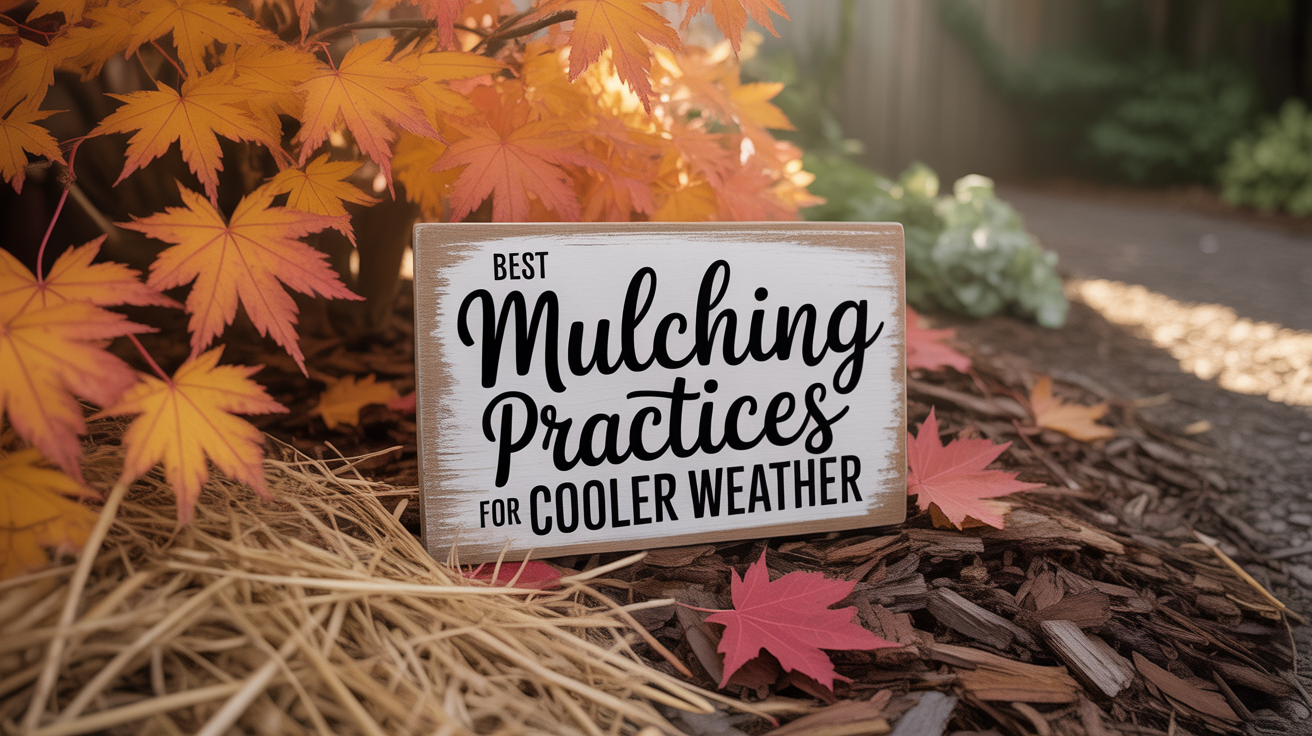
🍂 A Gentle Start: Covering the Garden in Grace
When the air turns crisp and the garden slows its wild summer pace, there’s a quiet invitation to tuck it in for rest. Just as we might pull on a warm sweater or wrap a blanket around our shoulders, mulching is a gardener’s way of gently covering the soil—protecting it from the chill, locking in life-giving moisture, and ensuring the roots beneath stay steady through the season’s change.
Here in Zone 9, our cooler season stretches differently than it does up north. Our “winter” is more of a gentle slowdown, and our soil rarely freezes solid. But that doesn’t mean mulch matters less—quite the opposite. This is when we prepare the beds that will feed us come spring, when we protect the tender plants that might surprise us with an unexpected cold snap, and when we practice the kind of quiet stewardship that makes a real difference.
In this slower rhythm, we remember that protection and preparation are both acts of care. A garden mulched thoughtfully in our Houston fall whispers to spring, “I’ll be ready when you are.” 🌱
Free eBook
Rooted in Grace
A Christian guide to intuitive gardening — the whole book, free. Tell me where to send it and it’s yours in a minute.
🌡 Why Mulching Matters in the Cool Season
Mulching isn’t just a summer moisture-saver—it’s a year-round garden ally. In fall and winter, mulch can mean the difference between plants that limp into spring and those that emerge with strength and vitality. When we observe what our soil needs during these quieter months and respond faithfully with the right mulch, we’re practicing the intuitive gardening that honors both the garden and ourselves.
Sanda’s Zone 9 Note: In our Houston area, we don’t face the harsh freezing cycles that northern gardeners do, but we do experience temperature swings—warm days followed by unexpected cold nights. Mulch acts as a temperature stabilizer during these fluctuations, which is especially important for our tender perennials and new plantings.
Regulates Soil Temperature 🌡
Roots are vulnerable to sudden temperature swings. Mulch acts like a quilt, keeping soil temperatures steadier. In Zone 9, where we might go from a 70-degree day to a frost night, this buffering effect protects root systems and prevents the stress that can weaken plants heading into spring.
Prevents Erosion 💨
Heavy rains and winter winds can strip bare soil, taking valuable topsoil and nutrients with them. Our Houston area receives significant rainfall during cooler months, making erosion protection especially important for sloped beds and newly prepared areas.
Preserves Moisture 💧
Even in cooler months, plants can lose moisture through roots and leaves, especially on windy days. Mulch helps retain that precious water that plants still need during dormancy.
Feeds the Soil 🌿
Organic mulches slowly decompose, adding rich nutrients that prepare beds for the next growing season. In our warm climate, this decomposition happens gradually but steadily through the cooler months, enriching the soil for spring planting.
Suppresses Winter Weeds 🚫
Mulch forms a barrier that discourages weed germination when the soil warms slightly on sunny winter days—and in Houston, we get plenty of those sunny days even in January and February.
🪵 Choosing the Right Mulch for Our Houston Gardens
Organic Mulches: Feeding as They Protect
Organic materials both protect and nourish the soil as they break down. For Zone 9, these are your best choices:
Shredded Leaves 🍁 – Abundant in autumn, rich in carbon, and break down into wonderful leaf mold. In our area, oak leaves are plentiful. Don’t bag them; let them become garden gold. They’re perfect for perennial beds and vegetable gardens.
Straw or Pine Straw 🌾 – Light, airy, and excellent for insulating vegetable beds. Pine straw, readily available in our region, has the added benefit of being naturally acidic, which many of our acid-loving Houston plants appreciate. It also breaks down slowly, giving you longer-lasting protection.
Wood Chips or Bark 🌳 – Perfect for paths and around perennials; avoid mixing into the soil directly to prevent nitrogen tie-up. Use locally sourced chips when possible—they’re fresher and better priced. Great for around hydrangeas and other woody plants.
Compost 🌱 – Doubles as a nutrient boost and protective blanket, especially for winter vegetables like kale, lettuce, and broccoli that thrive in our cool season. A 2-3 inch layer does double duty: mulching and feeding.
Sanda’s Garden Wisdom: Avoid using fresh wood chips directly in vegetable beds or around young plants. As they break down, they can tie up nitrogen in the soil. Let them age for 6-12 months first, or use them on paths and around established shrubs where this isn’t as critical.
Inorganic Mulches: When They Have Their Place
While they don’t feed the soil, inorganic mulches can offer long-term structure and protection in specific situations.
Landscape Fabric (with Decorative Covering) 🧵 – Useful for weed suppression in perennial or shrub beds. In Houston’s humid climate, make sure fabric is permeable to allow water penetration. Pair it with wood chips or stone for appearance and additional weed blocking.
Gravel or Stone 🪨 – Helps retain warmth and prevent erosion but should be used where soil improvement isn’t a priority. Stone heats up in our sun, which can be helpful around tender plants during unexpected cold snaps, but monitor for moisture retention issues in poorly draining areas.
📅 Strategic Mulching for Our Zone 9 Cool Season
Timing matters, and in Houston, our “cool season” is different from what you’ll read in national gardening books. We typically see our first real cool-down in late October or November, and frost is most likely from December through February. Here’s how to mulch strategically for each situation:
For Annual Beds and Vegetable Gardens
After clearing spent summer crops and removing weeds, apply 2–4 inches of organic mulch. This is the perfect time—late September through October—to prepare beds for our wonderful cool-season vegetables. If planting cool-weather crops like kale, spinach, or cabbage, keep mulch light around seedlings to avoid smothering young plants. Once they’re established, mulch can come closer to the stem for better moisture retention.
For Perennials and Groundcovers
Once we see our first frost warning (usually mid-December, sometimes earlier), add 4–6 inches of mulch to insulate roots. This is especially important for tropical perennials that are on the edge of hardiness in our zone. Keep mulch a few inches away from the plant crown to prevent rot—this matters even more in our humid climate where air circulation is precious.
For Spring-Flowering Bulbs
If you’re planting tulips, daffodils, or hyacinths (our best cool-season bulb choices), water well after planting in October, then cover with 2–3 inches of mulch. This stabilizes soil temperature through our mild winters and reduces the risk of frost heaving when temperatures do dip. It also helps prevent the bulbs from getting confused by warm spells and sprouting too early.
For Trees and Shrubs
Apply a 2–4 inch mulch ring around the base in late fall, keeping it several inches from the trunk. This prevents moisture buildup against bark (which invites fungal issues in our humidity) and deters pests looking for winter shelter. Refresh mulch if it’s decomposed significantly from the previous year.
| Plant Type | Mulch Depth | Best Mulch Type | Zone 9 Timing |
| Vegetable beds | 2–3 inches | Compost or straw | Sept–Oct (before planting) |
| Perennials | 4–6 inches | Shredded leaves or compost | Dec–Jan (after frost) |
| Spring bulbs | 2–3 inches | Pine straw or compost | Oct–Nov (after planting) |
| Trees/shrubs | 2–4 inches | Wood chips or bark | Oct–Nov (early fall) |
| Tender perennials | 4–6 inches | Compost + leaves | Nov–Dec (before freeze) |
💡 Tips for Mulching Success in Cooler Weather
Mulch After a Deep Watering 💦
Lock in moisture before adding mulch. Water your beds thoroughly in late September or early October, then apply mulch while soil is moist. This is especially important in our area where we can have dry fall weather before the rains come. A well-hydrated plant heading into cooler months is better equipped to handle stress.
Avoid Mulch Volcanoes 🚫
Keep mulch away from direct contact with plant stems and trunks. This is one of the most common mistakes I see, and it invites disease, pest damage, and rot. Leave a 3-4 inch gap around woody stems. Your plants will thank you, and you’ll have healthier gardens come spring.
Refresh Mulch as It Decomposes 🔄
In our warm, humid climate, mulch breaks down faster than in cooler regions. Check your beds in mid-winter. If mulch has settled significantly or decomposed more than half its original depth, add another layer. Consistency of protection matters more than a single thick application.
Layering Mulch for Maximum Protection in Our Fluctuating Zone 9 Winters
One technique that works beautifully in Houston is strategic layering—combining different mulch types to get the benefits of each. Think of it like getting dressed for our unpredictable season: you layer a t-shirt, then a sweater, then a jacket, choosing what you need as conditions change.
Start with a base layer of compost or well-aged leaf mold directly on the soil. This feeds the soil and retains moisture. Over that, add 2–3 inches of pine straw or shredded leaves for insulation. The straw or leaves create air pockets that slow heat loss from the soil while allowing water to penetrate—crucial in our humid climate where poor drainage is a real concern. For extra protection around tender perennials or newly planted specimens, you can add a third layer of wood chips on top for additional temperature buffering.
The beauty of layering is that as the bottom layers break down through our mild winter, they’re continuously feeding the soil, while the upper layers remain intact longer, maintaining protection. In February or March, when you see new growth emerging, you can gently pull back the top layer to let soil warm up faster—helping plants transition smoothly into spring without the shock of sudden heat.
Mulching Around Frost-Sensitive Plants (And When It Backfires)
Here’s something I’ve learned through trial and error in our Houston gardens: extra mulch can actually confuse tender plants. Our zone is full of borderline-hardy plants—esperanza, lantana, tropical sage—that rely on dormancy cues. If you mulch too heavily or too early, the insulation keeps the soil warmer than it “should” be, and the plant doesn’t shut down properly. Come a sudden hard freeze, unacclimatized tissues are more vulnerable to damage.
The fix is timing. Wait until you see your first real frost warning on the local weather—usually mid-December—before applying heavy mulch to tropical-origin plants. Early mulching (September–October) is fine for cold-hardy plants like native shrubs, spring bulbs, and perennials bred for northern climates. But for those tender darlings that we push in Zone 9, let them experience the gradual cool-down naturally. Mulch arrives as insurance against the worst, not as a year-round climate modifier.
Similarly, once frost danger passes in late February or early March, gradually pull back mulch from tender plants to expose the soil to warming sun. This signals the plant that it’s safe to wake up. Too much mulch hanging around too late delays spring growth and can trap excess moisture as temperatures rise.
Creating a Winter Mulch Plan Based on Houston’s Microclimates
One of the joys of suburban Houston gardening is that our landscape isn’t uniform. Your garden near the street gets different air flow than one tucked behind a fence. Beds near dark hardscape radiate stored heat differently than open beds. An east-facing slope drains faster than a low spot. These microclimates mean your mulching strategy should be flexible, too.
Walk your garden in early fall and observe where frost lingers longest in winter—often low spots where cold air pools, or areas shaded by structures. These spots benefit from heavier mulch (4–6 inches) and earlier application. South-facing beds that warm up quickly on sunny January days? You might use lighter mulch (2–3 inches) that you can pull back sooner, preventing late-winter confusion for dormant plants.
Notice which plants have struggled in past cold snaps. That tender esperanza that got zapped two years ago? Give it extra attention. Those established daylilies that laugh off freeze? They can take minimal mulch. Good gardening is observation-based, not formula-based. We’re learning to see what our specific piece of land needs, and mulching is one of the clearest ways to practice that attentive care.
This slower season invites us into a different kind of garden work—not the maintenance of constant growth, but the preparation that says “I see you, I’m caring for what lies beneath, and I trust what comes next.” As we tuck our gardens in with mulch, we’re practicing a quiet faith in cycles and renewal. We’re saying that endings aren’t losses, that hidden work matters as much as visible blooms, and that sometimes the most generous thing we can offer is stillness and rest. 🍂
Ready to Go Deeper in the Garden?
If this article resonated with you, you might be ready for something more than tips.
- Download the FREE Rooted in Grace eBook
- Get the Rooted in Grace Print Book on Amazon
- Join Rooted Reset
- Follow on Instagram – @southernsoils
- Save on Pinterest – @southernsoilsunshine
- Join on Facebook – Southern Soil Sunshine
“The garden is not just a place to grow plants – it is a place to grow yourself.”
Free eBook
Before you go — the book is yours
Rooted in Grace: A Christian Guide to Intuitive Gardening. No cost, no catch. Read it on any device, at whatever pace the season allows.





9 Comments