The Best Companion Plants for Tomatoes: Boost Growth & Keep Pests Away
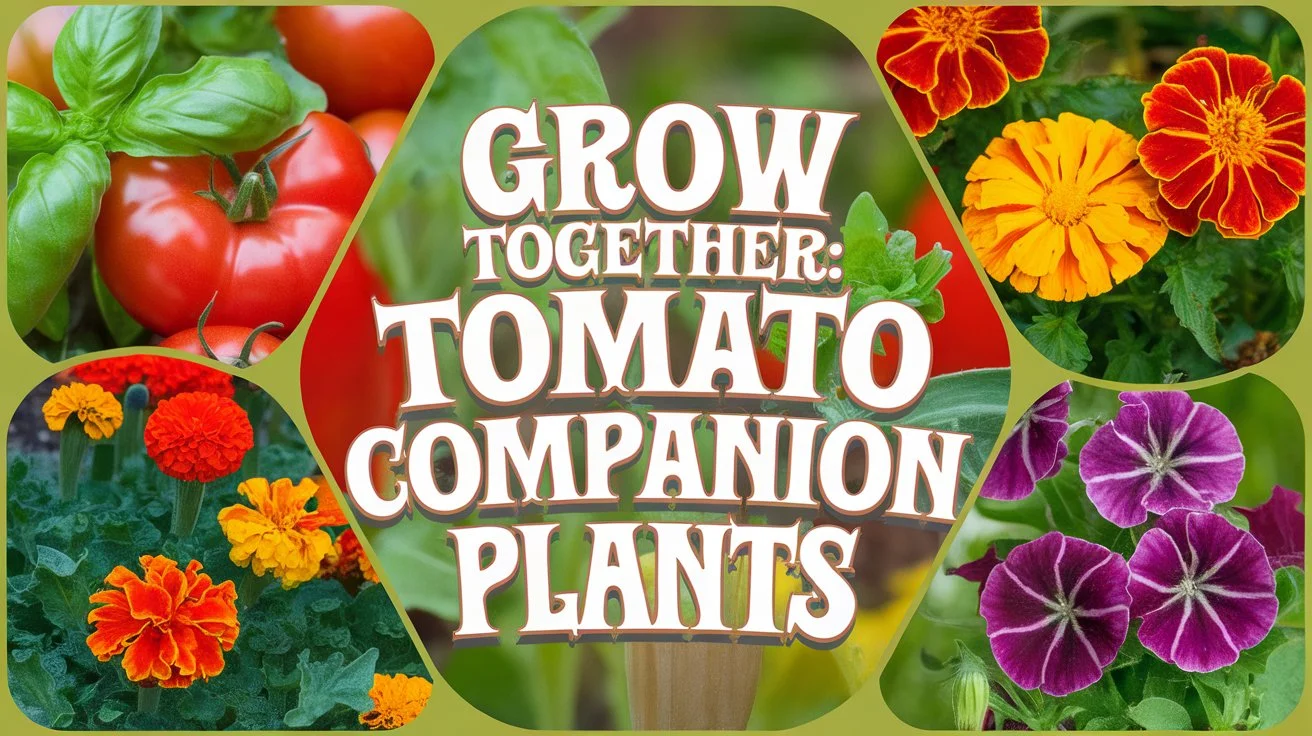
The Best Companion Plants for Tomatoes: Boost Growth & Keep Pests Away 🍅
Tomatoes are the undisputed stars of the summer garden, but here’s what I’ve learned in my Zone 9 Houston bed year after year: tomatoes don’t like to grow alone. Companion planting is one of the easiest and most natural ways to boost tomato growth, improve flavor, and keep pests away—all without relying on chemicals or complicated schedules.
I’ve tested countless companion plants in my suburban Houston garden, and I can tell you with confidence—pairing tomatoes with the right neighbors makes a profound difference. Some plants repel harmful bugs, others attract the pollinators we desperately need in our hot summers, and a few even improve tomato health by enhancing soil nutrients. What I love most is that this isn’t just gardening theory; it’s the way God designed plants to work together in community.
If you want bigger, healthier tomatoes with fewer problems this season, keep reading. I’ll show you the best companion plants for our Zone 9 climate and which ones to avoid. Let’s grow together. 🌱
Free eBook
Rooted in Grace
A Christian guide to intuitive gardening — the whole book, free. Tell me where to send it and it’s yours in a minute.
Why Companion Planting Works for Tomatoes
Companion planting isn’t just an old gardener’s trick passed down through generations—it’s based on real plant interactions and the wisdom of observation. When we take time to notice how plants influence one another, we’re really tuning into the rhythms God built into creation. The right plant combinations can accomplish so much more than we might expect:
Sanda’s Zone 9 Note: In our hot, humid Houston summers, companion planting becomes even more valuable. When we create a diverse planting scheme, we improve airflow around tomato foliage, reduce fungal disease pressure, and provide some afternoon shade during our brutal 95°F+ days. It’s not just helpful—it’s often essential for success in our climate.
The science behind companion planting shows us that strategic plant combinations can:
Repel pests naturally, reducing the need for pesticides in your vegetable beds. Our Houston heat brings aphids, whiteflies, and hornworms with a vengeance, but the right neighbors create a natural defense system.
Attract pollinators to boost fruit production during our short (but intense) tomato season. Bees and other beneficial insects are more active when we provide them with nectar-rich companions.
Enhance soil nutrients, improving tomato health through nitrogen fixation and better soil structure. In Zone 9, our clay-heavy soils benefit tremendously from root diversity.
Provide shade and support for better growth, especially important when afternoon temperatures soar. Some companions act as natural trellises or create beneficial microclimates.
Deter fungal diseases by improving airflow and reducing moisture accumulation on leaves. This is critical in our humid Southeast Texas climate where powdery mildew and early blight are constant threats.
The Best Companion Plants for Tomatoes in Zone 9
These plants will help tomatoes thrive while keeping your garden healthy and pest-free throughout our long growing season. Each one has been tested in Houston conditions and performs reliably year after year.
1. Basil – The Ultimate Tomato Companion 🌿
Basil and tomatoes aren’t just a great pair in the kitchen—they’re perfect partners in the garden, too. This is one of those beautiful examples of how plants that love each other on the dinner plate also love growing together in the soil. Basil improves tomato flavor (there’s something almost magical about this), and it genuinely repels aphids, whiteflies, and hornworms with its aromatic oils.
In Zone 9, basil thrives in our summer heat, and I plant it every year without fail. The key is starting basil seeds or transplants after our last frost (mid-April in the Houston area) and keeping them consistently watered during our dry spells.
Space basil 12-18 inches from your tomato plants so they have room to develop. Pinch back flowers regularly to keep the plant productive and bushy—this also encourages more of those flavorful leaves. Harvest leaves frequently for best results; basil actually produces more growth when you harvest consistently.
Sanda’s Tip: Bonus: Basil attracts pollinators like honeybees and native bees, helping increase tomato production during those peak summer months. In our Houston heat, more pollinators mean more fruit set before the extreme heat shuts down pollination in July and August.
2. Marigolds – The Natural Pest Fighter 🌼
Marigolds are one of the best natural pest repellents for tomatoes, and they’re practically foolproof to grow in Zone 9. They release a compound from their roots that deters nematodes (a serious concern in Houston clay soil), whiteflies, and aphids. French marigolds are particularly effective for nematode control, and I always include them in my tomato beds.
Place marigolds around the base of tomato plants in clusters—this creates a protective ring that pests tend to avoid. They’re heat-loving plants, so they actually thrive in our brutal summers while many other companion plants struggle. Deadhead spent flowers to keep them blooming all season long; this extends their pest-repelling power through September.
One of the unexpected benefits: marigolds attract beneficial insects like ladybugs and parasitic wasps, which eat aphids and other pest eggs. It’s like hiring an entire pest management team that works for free and asks only for sunshine and water.
3. Onions & Chives – Protect Against Fungal Diseases 🧄
Onions and chives naturally repel aphids and mites while improving tomato health by reducing fungal issues like powdery mildew and early blight—two diseases that plague Houston gardens in our humid climate. There’s something about their sulfur compounds that creates a protective atmosphere around nearby plants.
Space onions or chives 6-8 inches away from tomato plants. I prefer chives for the constant harvest and the beautiful purple flowers that bees adore. Harvest chive leaves frequently to encourage growth and maximize the plant’s beneficial effect. Here’s a practical tip: use chopped chive leaves as natural mulch around your tomatoes. The choppings break down slowly and continue releasing their protective compounds.
Sanda’s Garden Wisdom: In Zone 9, timing matters with onions. Plant bulbing onions in fall (September-October) so they’re established by spring, or grow chives year-round for continuous harvests and disease prevention. This is one of the rare pairings that works in both seasons.
4. Nasturtiums – The Ultimate Trap Crop 🌸
Nasturtiums are what we call “trap crops” or “sacrificial plants”—they attract pests away from tomatoes. Aphids and whiteflies actually prefer nasturtiums over tomatoes, so they’ll congregate on your nasturtiums instead of ravaging your harvest. It’s a brilliant example of strategic gardening, using one plant to protect another.
Grow nasturtiums at the edge of your tomato bed, not directly underneath. Choose trailing varieties for best coverage—they create a beautiful, flowing border that’s both functional and gorgeous. Let them sprawl to create a living mulch that retains soil moisture during our dry Houston summers.
Here’s a delightful bonus: nasturtium flowers are completely edible and make stunning garnishes for salads. You’re literally growing something beautiful that protects your tomatoes and feeds you. That’s the kind of multitasking I love in the garden.
5. Carrots – Improve Soil & Save Space 🥕
Carrots and tomatoes work well together because carrots help aerate the soil, making it easier for tomato roots to grow deep. In our Houston clay soil, this soil-loosening action is genuinely valuable. As carrot roots push through the ground, they create channels for tomato roots to follow.
Direct sow carrots under tomato plants for natural mulch, or plant them in the spaces between tomato cages. Thin carrot seedlings to proper spacing (3-4 inches apart), and use those baby thinnings in your kitchen. The mature carrots mature in about 60-70 days, and you’ll harvest them before your tomatoes reach peak production, so there’s no competition for nutrients.
6. Parsley – Quiet Support & Beneficial Insects 🌿
Parsley is one of those modest companions that works quietly in the background. It attracts beneficial insects (especially parasitic wasps that prey on hornworms—a major tomato pest in Texas), and it doesn’t compete aggressively for nutrients. In Zone 9, parsley grows year-round, giving you continuous harvests while it protects your tomatoes.
Plant parsley in clusters around your tomato bed. It prefers some afternoon shade, so planting it on the east side of your tomatoes works perfectly. The shade provides relief during our scorching afternoons, and the parsley thrives in the dappled light.
Plants to Avoid Near Tomatoes
Just as some plants help tomatoes thrive, others create conflict. Understanding what to keep separate is as important as knowing what to plant together.
Brassicas (cabbage, broccoli, kale) compete heavily with tomatoes for nutrients and water. In our short Houston tomato season, this competition can really limit yields. Keep them in separate beds.
Fennel is allelopathic, meaning it actually secretes chemicals that inhibit growth in nearby plants. Most plants suffer when fennel is nearby, and tomatoes are no exception. Fennel belongs in a container garden or far away from the vegetable bed.
Potatoes and tomatoes are both in the nightshade family and share the same pests and diseases. Growing them together is an invitation for trouble. Space them as far apart as your garden allows.
Corn and tomatoes compete for the same nutrients and moisture. In our humid climate, planting them together also increases disease pressure.
Companion Planting Timeline for Zone 9 Houston
| Season | When to Plant Tomatoes | Best Companions to Plant First | Timing Notes |
| Spring/Summer | Mid-April | Basil, Marigolds, Nasturtiums | Plant companions 1-2 weeks after tomatoes |
| Spring | Mid-April | Carrots, Parsley, Chives | Can plant simultaneously |
| Fall | August-September | Chives, |
Understanding Pest & Disease Pressure in Our Houston Climate
Zone 9 gardeners face unique challenges that companion planting directly addresses. Our humidity and heat create the perfect storm for fungal diseases and rapid pest reproduction. Whiteflies, spider mites, and hornworms thrive in our summers, and diseases like early blight and septoria leaf spot move quickly through dense plantings. What I’ve discovered through years of observation is that companion planting isn’t luxury—it’s nearly essential for success here.
When we create diversity in the garden bed, we’re essentially breaking up the buffet that pests expect. A monoculture of tomatoes with bare soil is an invitation for trouble. But a tomato bed surrounded by basil, marigolds, and onions? That’s a landscape where pests struggle to find what they’re looking for, where beneficial insects have habitat, and where airflow naturally improves. In our August heat waves when temperatures hit 98°F, that improved airflow around foliage can mean the difference between powdery mildew and clean leaves.
I’ve also learned that our Houston clay soil—dense and nutrient-hungry—responds beautifully to the nitrogen fixation that certain companions provide. Chives and onions help suppress disease pressure, while carrots and parsley improve soil structure. These aren’t random pairings; they’re addressing the specific needs of our climate and soil.
Spacing & Design: Creating Your Zone 9 Companion Layout
One question I hear often is: “How do I actually arrange all these companions around my tomatoes?” The answer is more intuitive than you might think, and it depends on your tomato variety and growing style.
For indeterminate tomatoes (the tall, vining types that produce all season), I create concentric circles. The tomato stake or trellis sits in the center, and I place faster-growing companions like basil and chives about 12-18 inches away. Marigolds and nasturtiums form an outer ring 18-24 inches out, where their trailing growth won’t shade the tomato foliage. Carrots and parsley nestle in between, using space efficiently without competing for light.
For determinate tomatoes (the bushy, compact types), I plant companions more densely since these varieties have a shorter harvest window. The extra protection and pollinator activity matters more when you’re racing against the July heat slowdown. I’ve found that determinate varieties actually perform better in our Houston gardens because they finish before the worst of the heat arrives.
Sanda’s Tip: In our intense Zone 9 sun, taller companions like parsley can actually provide beneficial afternoon shade for basil and other delicate herbs. Don’t think of shading as a problem—strategically place taller companions on the west side of your bed to create a natural sunscreen during those brutal 2-5 PM hours when the sun is most intense.
Container gardening changes the equation slightly. If you’re growing tomatoes in a large pot (18-24 inches), you can tuck basil directly into the pot’s edge, letting it cascade slightly. Add a marigold or nasturtium on the opposite side, and you’ve created a complete companion system in one container. This works beautifully on patios and balconies where space is limited.
Seasonal Succession & Extending Companion Benefits
One advantage of companion planting I didn’t fully appreciate until I’d been gardening for several years is succession planting. In Zone 9, we actually have two tomato seasons—spring (April-July) and fall (August-November if we’re lucky). Understanding how to rotate and refresh your companions across these seasons amplifies their effectiveness.
For spring tomatoes, I start basil seeds indoors 6-8 weeks before planting, so transplants are ready when tomatoes go in the ground. Marigolds start from seed about the same time. This gives me mature, protective companions from day one. By mid-June, as spring tomatoes peak and early blight pressure increases in our humidity, those established basil and onion plants are working overtime.
When spring tomato season winds down in July, I deadhead and refresh my companion plantings for fall tomatoes. Marigolds often need a hard trim to remove spent flowers and disease-infected foliage, but they’ll reward you with a second flush of blooms for fall tomatoes. Basil
Ready to Go Deeper in the Garden?
If this article resonated with you, you might be ready for something more than tips.
- Download the FREE Rooted in Grace eBook
- Get the Rooted in Grace Print Book on Amazon
- Join Rooted Reset
- Follow on Instagram – @southernsoils
- Save on Pinterest – @southernsoilsunshine
- Join on Facebook – Southern Soil Sunshine
“The garden is not just a place to grow plants – it is a place to grow yourself.”
Free eBook
Before you go — the book is yours
Rooted in Grace: A Christian Guide to Intuitive Gardening. No cost, no catch. Read it on any device, at whatever pace the season allows.