Why It’s Not Too Late to Plant Beets in September

Why It’s Not Too Late to Plant Beets in September: Zone 9 Fall Gardening Wisdom for Rooted and Resilient Harvests
🌿 Opening Reflection: There’s Still Time for Rooting
September can feel like a strange in-between in the garden. The sun still burns strong in those Houston afternoons, but the mornings whisper hints of fall. And as many gardeners wind down their summer beds, we begin to ask ourselves—is it too late to plant? Should I have started sooner?
When it comes to beets, the answer is joyfully simple: you still have time. And honestly, September might be one of the best times you could choose to plant them.
Fall beets thrive in the cooling soil of Zone 9 gardens. They’re fast, forgiving, and flexible—just like this season asks us to be. If you’ve been feeling behind or unsure about starting your fall garden, let this be your gentle nudge to begin again, with beets. There’s something about planting in September that feels like grace—a second chance, a fresh start when summer’s intensity finally loosens its grip.
🗓️ Timing Beets in Zone 9: Why September Works
Beets are cool-season crops that actually dislike summer heat. In our Zone 9 Houston suburbs, mid-to-late September is often ideal because soil temperatures are finally beginning to ease from their summer extremes, yet they remain warm enough to support quick germination. The daytime highs that once pushed toward 95°F begin their gradual descent. Pest pressure, especially from leaf miners that plagued our summer gardens, starts to drop as the season shifts. And here’s the beautiful part: beets mature quickly—usually within 50 to 65 days from seed to harvest.
Free eBook
Rooted in Grace
A Christian guide to intuitive gardening — the whole book, free. Tell me where to send it and it’s yours in a minute.
This means planting now gives us a harvest before the holidays, and even sweeter roots as nights cool. There’s something deeply satisfying about pulling purple and golden beets from the soil just as we’re preparing for Thanksgiving.
| Planting Date | Days to Maturity | Approximate Harvest Date | Soil Temp Range |
| September 1–10 | 55–65 days | Late October–early November | 75–85°F |
| September 15–25 | 60–70 days | Mid-November–early December | 70–80°F |
| September 30 | 65–75 days | November–early December | 65–75°F |
Sanda’s Zone 9 Note: In our Houston area, the soil doesn’t cool as dramatically as northern zones, which actually works in our favor for fall beets. Even in late September, soil temperatures hover around 75–80°F, which is perfect for germination without encouraging bolting (premature flowering). Keep an eye on overnight temperatures; once we dip consistently below 50°F at night, beets develop their best flavor and sweetness.
🧡 Why Fall Beets Are Worth the Space
I’ve planted a lot of things in my gardening years, but beets always reward me with generous abundance. Here’s why they’re one of the best late-planted crops for our zone:
Fast Growth is the first gift beets offer. From seed to harvestable root, beets grow in about 8 to 10 weeks. Even if you’re starting September 20, you’ll likely harvest by late November. That’s real progress in a short window. In our fast-paced lives, there’s something encouraging about a crop that doesn’t ask you to wait half a year.
Cold Tolerance is the second blessing. Once established, beets can survive light frosts—and our Zone 9 winter frosts are certainly within their comfort zone. If you mulch well with straw or shredded leaves, they’ll even hold in the soil for later use, allowing you to harvest gradually rather than all at once. I’ve left beets in the ground well into December and January, pulling them as needed for cooking.
Dual Harvest is something we shouldn’t overlook. Don’t forget the tops! Beet greens are incredibly nutritious and delicious—great sautéed with garlic, in soups, or raw when young and tender. When we plant beets, we’re really planting two crops. Thinning seedlings becomes less wasteful when those tender greens go straight into the kitchen.
Small-Space Friendly means beets don’t demand much. They don’t need deep beds and can be grown in containers, square-foot beds, or even tucked into borders alongside other plants. I’ve grown beets in 5-gallon buckets and in narrow rows between lettuce beds.
🌱 Soil Prep for Fall Beets
Beets thrive in loose, well-draining soil with steady moisture and low nitrogen. This is important—and different from what many summer crops need. Where we might add nitrogen-heavy amendments for tomatoes or peppers, beets ask for something gentler.
When preparing your bed, start by clearing out summer plants but preserve the soil structure you’ve built. We’re not starting from scratch; we’re building on the foundation we’ve created. Add a layer of compost—about 1 to 2 inches—and mix in bone meal or wood ash for phosphorus. These amendments support root development without overstimulating leafy growth.
Sanda’s Garden Wisdom: Avoid fresh manure or high-nitrogen fertilizers in beet beds. Too much nitrogen pushes energy into leaf growth at the expense of root development, giving you leggy plants with small, disappointing roots. I learned this the hard way years ago. Trust me—your future self will thank you for showing restraint here.
Rake the bed smooth and level after adding amendments. Even germination depends on good soil contact, so take a moment to create a nice, level surface. This small act of preparation pays dividends when seedlings emerge uniformly.
How to Sow Beets for Fall Success
Direct Sowing is Best because beets simply don’t transplant well. Their roots are delicate, and moving them disrupts that precious taproot system. So we sow directly into the soil where they’ll grow and mature.
Before planting, soak your seeds for 12 hours in water at room temperature. Beet seeds have a thick seed coat, and soaking speeds germination significantly. I do this the night before I plan to sow, letting them sit in a shallow bowl on my potting bench.
Plant seeds about half an inch deep, spacing them 1 to 2 inches apart in rows or clusters, depending on how you like to organize your garden. Space rows 6 to 12 inches apart depending on your bed size. Once seedlings emerge and reach about 2 inches tall, thin them to 3 to 4 inches apart. Yes, thinning feels wasteful, but it’s necessary. Crowded beets become misshapen and small.
Keep Soil Moist during germination. Beet seeds can be slow to germinate—up to 10 days. During this window, keep the soil consistently moist but not waterlogged. Too much water invites rot; too little and germination stalls. It’s a gentle balance. Check the soil each morning with your finger—if the top inch feels dry, water deeply.
☀️ Managing Sun and Heat in Early September
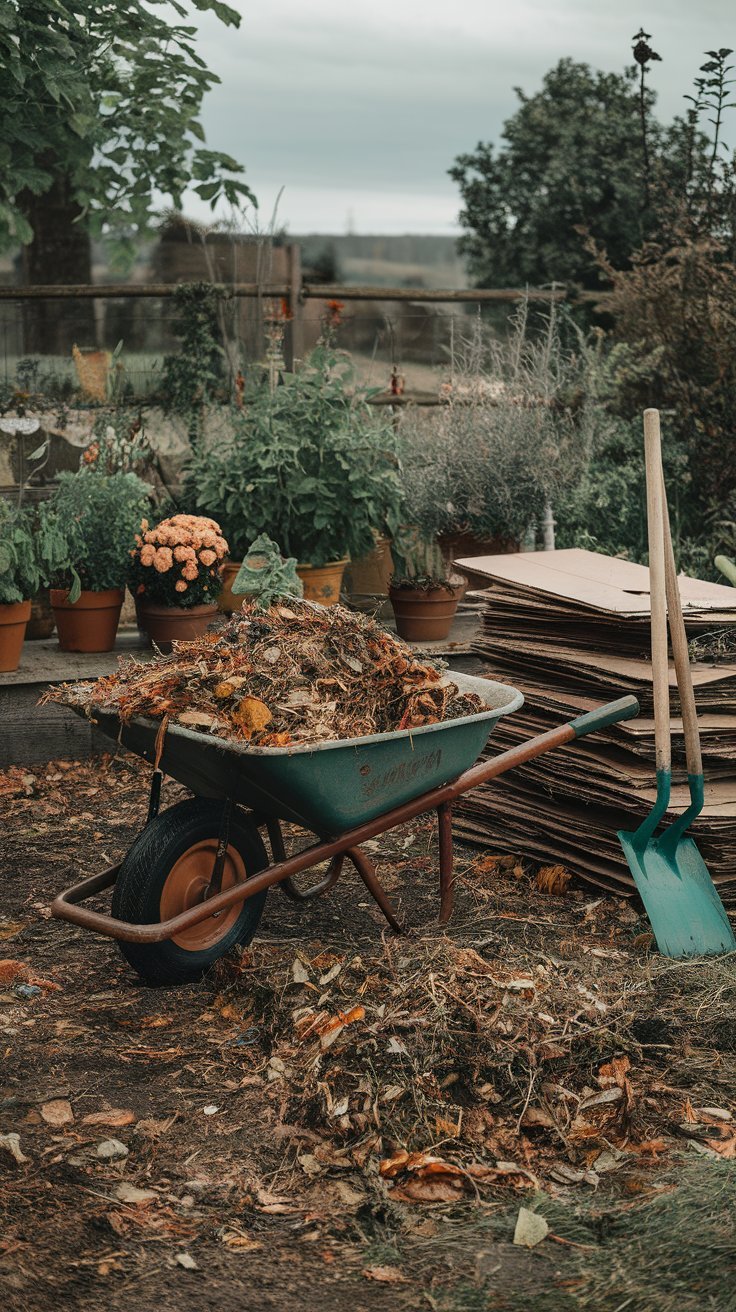
Even in late August and early September, our Houston temperatures can still hit 90°F in the afternoons. Young beet seedlings, tender and new, can struggle under that intensity. So we offer them a little shade protection during those first critical days.
Use shade cloth (30 to 50 percent shade) during peak sun, especially in the first 7 to 10 days after planting. This is particularly important if you’re planting early September. As the month progresses and temperatures naturally decline, you can remove the shade cloth and let those seedlings enjoy full sun.
Mulch lightly with dried grass or shredded leaves to retain soil moisture and keep temperatures more moderate. This also helps prevent soil from crusting over, which can prevent tender seedlings from breaking through.
Water early in the morning or in the evening to avoid rapid evaporation. Morning watering is my preference—it gives plants moisture to draw on through the heat of the day, and any moisture on leaves dries quickly, reducing disease risk.
Sanda’s Tip: If you’re planting in early September when heat is still intense, consider staggering your plantings. Sow half your beet seeds September 1–5, and the other half September 15–20. This spreads out your harvest and ensures at least one planting hits ideal growing conditions.
🌡️ When and How to Harvest
Beets signal readiness in gentle ways. The roots push up slightly from the soil as they mature, so you might see the top of the beet becoming visible. Ideally, they’re 1.5 to 2 inches in diameter—perfect for tender, sweet eating. Some gardeners prefer them larger for storage and cooking, which is fine too. Both are delicious.
Harvest is simple: grasp the beet at the base of the greens and pull gently. If soil is compacted, loosen it first with a fork to avoid breaking the root. Twist or cut the greens off about an inch above the root—don’t pull them, as that can damage the beet itself. Those greens go straight to the kitchen or compost. The roots store beautifully in a cool place.
In our Zone 9 climate, you can actually leave some beets in the soil and harvest gradually as you need them through November and December. Just mulch well with straw, and they’ll stay fresh and sweet underground far longer than you’d expect. It’s like having a living pantry out back.
Quick Reference: Fall Beet Planting Guide for Zone 9
| Aspect | Details |
| Best Planting Window | September |
| Seed Prep | Soak seeds for 12 hours in room-temperature water before sowing |
| Seed Depth and Spacing | About half an inch deep, 1 to 2 inches apart, with rows 6 to 12 inches apart |
| Germination | Up to 10 days; keep the soil consistently moist but never waterlogged |
| Thinning | Thin to 3 to 4 inches apart once seedlings reach about 2 inches tall |
| Sun Protection | 30 to 50 percent shade cloth during the first 7 to 10 days after planting |
| Harvest Window | Late October through early December |
🌍 Soil Temperature and Houston’s Advantage
One thing I’ve learned gardening in the Houston suburbs is that our soil behaves differently than gardening zones further north. While gardeners in Zone 8 or 7 might worry about September soil already cooling too much, we have a genuine advantage. Our clay-heavy, heat-retaining soils stay warm well into fall—sometimes longer than we’d prefer for cool-season crops.
This is actually perfect for beets. That warmth in early September (usually 75–85°F) triggers quick, reliable germination without the bolting that can happen in cooler zones. Beets bolt when they experience temperature stress, and in our case, that stress tends to come from *excessive* heat earlier in summer or from too-rapid cooling later. Planting in mid-to-late September, we’re timing it to catch that sweet spot where soil is warm enough for germination but cooling gradually toward ideal beet-growing temperatures.
The clay component of our Houston-area soil, which can feel like a curse in summer (hard, compacted, prone to waterlogging), actually becomes an asset for fall beets. Clay holds moisture steadily, which beets appreciate. They don’t want to be soggy, but they do want consistent moisture. If your bed tends toward sandy soil—which some suburban plots have—add compost and aged leaf mold to increase water-holding capacity. Think of it as creating a buffer between your soil’s natural tendencies and what your beets need.
One practice I’ve come to rely on is checking soil temperature directly. A simple soil thermometer, tucked into your bed at about 3 inches deep, tells you far more than the air temperature ever could. Once soil hits around 75°F in early September, you’re ready to sow. As it trends toward 70°F by late September or early October, conditions become even better for root development and flavor concentration.
Varieties That Shine in Our Fall Garden
Not all beet varieties perform equally well in every season and climate. After years of trying different cultivars in my Zone 9 garden, I’ve developed strong preferences—and I want to share what’s worked beautifully for fall plantings here in the Houston area.
Detroit Dark Red remains my gold standard. This is the classic, reliable beet you see everywhere, and it’s beloved for good reason. It matures in 55–65 days, develops deep, smooth roots, and stores exceptionally well. For a first-timer planting beets in September, this is your friend. The flavor is earthy and sweet, wonderful roasted or pickled. I plant at least a quarter of my beet bed with Detroit Dark Red every fall.
Chioggia (also called Candy Striped) brings visual joy to the harvest. When you cut into these roots, you see beautiful concentric rings of red and white—almost like nature’s candy. They’re slightly smaller than Detroit Dark Red, maturing in about 50–60 days, and they’re perfect for the gardener who wants something conversation-starting at the dinner table. The taste is tender and sweet, perhaps slightly earthier than some varieties, and they’re spectacular when roasted and arranged on a plate.
Golden beets (varieties like Burpee’s Golden or Touchstone Gold) are underrated in my opinion. They lack the staining power of red beets—there’s something almost elegant about that. They’re slightly sweeter and more tender than red varieties, and they seem to thrive in our fall conditions. If you have family members who find regular beets too earthy, try growing golden beets. They might convert skeptics.
Bull’s Blood is my wild card. Technically bred as much for ornamental foliage as for roots, Bull’s Blood has strikingly dark, almost burgundy leaves that look beautiful in the garden bed. But here’s the secret: the roots are perfectly edible, somewhat smaller than other varieties but exceptionally sweet. Gardeners who want dual-purpose plants—beautiful foliage plus a harvest—love this one. It takes about 60 days to mature.
For our September planting, I’d suggest choosing varieties based on what you want to do with them. If storage and pickling are on your mind, Detroit Dark Red. If you want visual interest and eating fresh, Chioggia or Golden. If you want something special and a little different, Bull’s Blood. You can even plant two or three varieties in the same bed—they’ll mature at slightly different rates, giving you a staggered harvest.
Watering Wisdom for Fall Conditions
September through early November in Houston presents a particular watering challenge. The month often brings sporadic rain—sometimes heavy, sometimes nothing for weeks. Once your beet seedlings are up and growing, they need consistent moisture, but not the daily watering that our summer gardens demand.
The key is deep, infrequent watering rather than frequent, shallow sprinkling. Water thoroughly enough that moisture penetrates 6–8 inches into the soil, then let it dry slightly before watering again. Stick your finger into the soil. If it feels dry an inch or two down, it is time to water. If it is still cool and damp, wait another day. Beets are forgiving about a great many things, but they are not forgiving about swinging between bone dry and soaked. That is what splits a root right down the middle after a September downpour.
Water deeply in the early morning, two or three times a week rather than a little every day. You are training the roots to go down looking for moisture instead of sideways along the surface. In our Houston soil, that difference shows up at harvest as a beet that pulls clean and whole instead of one that breaks off an inch below the greens.
The Gift of Planting Late
There is something quietly hopeful about sowing seed in September, when the rest of the garden looks spent and the afternoons still feel like August. Every year I catch myself thinking I have missed the window, that I should have started sooner, done more, been further along. And every year the beets tell me otherwise.
They do not need me to have been early. They need me to start now, water consistently, and wait without digging them up to check. That is most of what faithfulness looks like in a garden, and, if I am honest, most of what it looks like everywhere else too. The soil is not keeping score of what I did not plant in July. It is simply ready for what I am willing to put in it today.
So sow the row. Thin without guilt. Mulch well and let October do its slow work underground where you cannot see it. Come November you will pull something sweet out of ground you almost gave up on, and you will be glad you planted anyway.
🛒 Shop This Post
Here is what I actually reach for when I sow a September beet bed here in Zone 9.
- Detroit Dark Red beet seed My gold standard for fall beets: reliable, deep smooth roots, and it stores exceptionally well.
- Rainbow beet seed blend (Chioggia and Golden) The candy-striped rings and the milder golden roots in one packet, for eating fresh.
- Organic compost The one to two inch layer that goes on before anything gets sown.
- Bone meal Phosphorus for root development without overstimulating leafy growth.
- Garden straw mulch Holds moisture through September heat and lets beets sit in the ground longer.
- 30 percent shade cloth Takes the edge off early September sun while seedlings are still tender.
- Dual-sided bow rake For leveling the bed after amendments, because even germination depends on good soil contact.
- Four-tine garden fork Loosens compacted soil at harvest so roots pull clean instead of snapping.
These are Amazon affiliate links. If you buy through them I earn a small commission at no extra cost to you — and I only link gear I actually use in my own Zone 9 garden.
Ready to Go Deeper in the Garden?
If this article resonated with you, you might be ready for something more than tips.
- Download the FREE Rooted in Grace eBook
- Get the Rooted in Grace Print Book on Amazon
- Join Rooted Reset
- Follow on Instagram – @southernsoils
- Save on Pinterest – @southernsoilsunshine
- Join on Facebook – Southern Soil Sunshine
“The garden is not just a place to grow plants – it is a place to grow yourself.”
Free eBook
Before you go — the book is yours
Rooted in Grace: A Christian Guide to Intuitive Gardening. No cost, no catch. Read it on any device, at whatever pace the season allows.