
🛡️ How to Plan a Row Cover System for Fall
Some of the links on this website are affiliate links, which means that if you make a purchase through these links, I may earn a small commission at no additional cost to you. As an Amazon Associate, I earn from qualifying purchases. I only recommend products I genuinely trust and believe will bring value to my readers. Also, some of the content was created with strategic use of AI tools. For more information, please visit the Privacy Policy page. Thank you for supporting my blog and helping me continue to provide valuable content. Gardening is more than growing food—it's where God grows us. If you're hungry for a faith that feels grounded again, I wrote a book for you. Download my free eBook: Rooted in Grace: A Christian Guide to Intuitive Gardening
Protect your cool-season crops from pests, cold snaps, and surprise storms—without smothering your garden
🌿 Opening Reflection: Gentle Protection, Faithful Provision
Fall gardening in Zones 8–10 is a gift—but it comes with unpredictability.
One week it’s sunny and 85°F. The next? A cold front, heavy rain, or pest swarm.
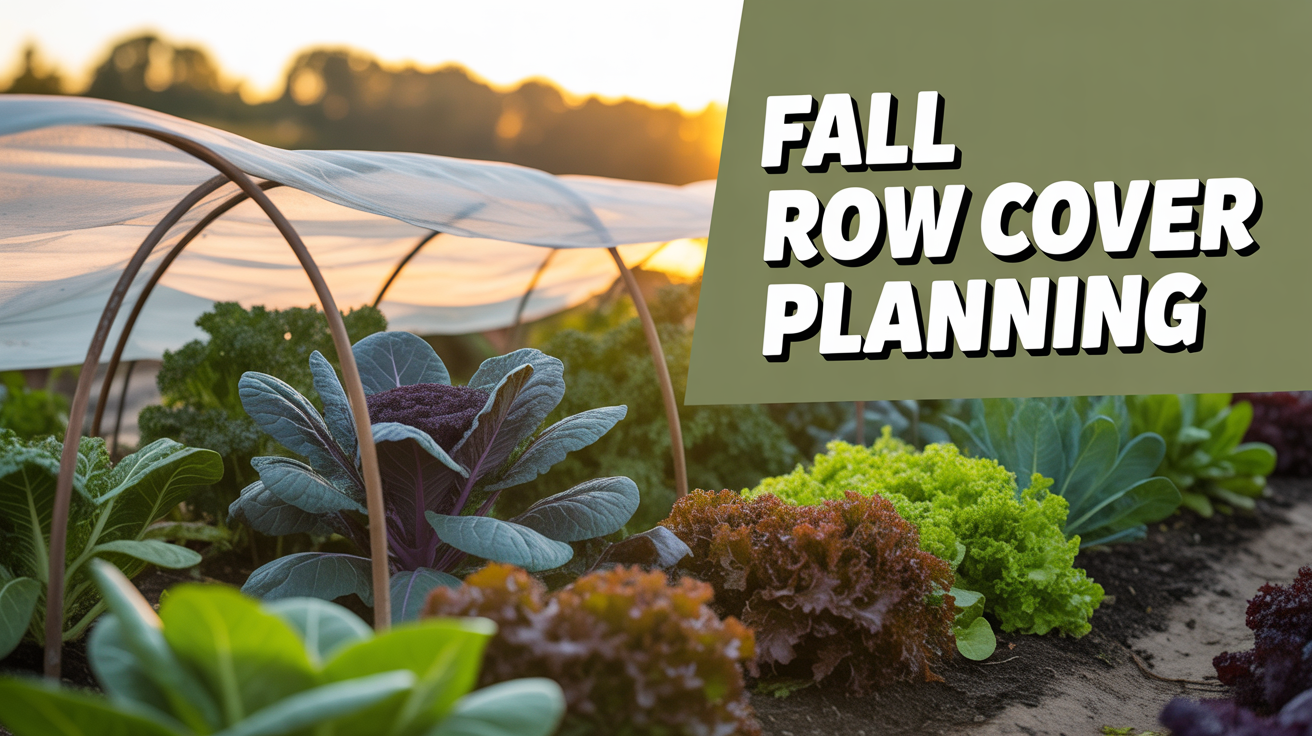
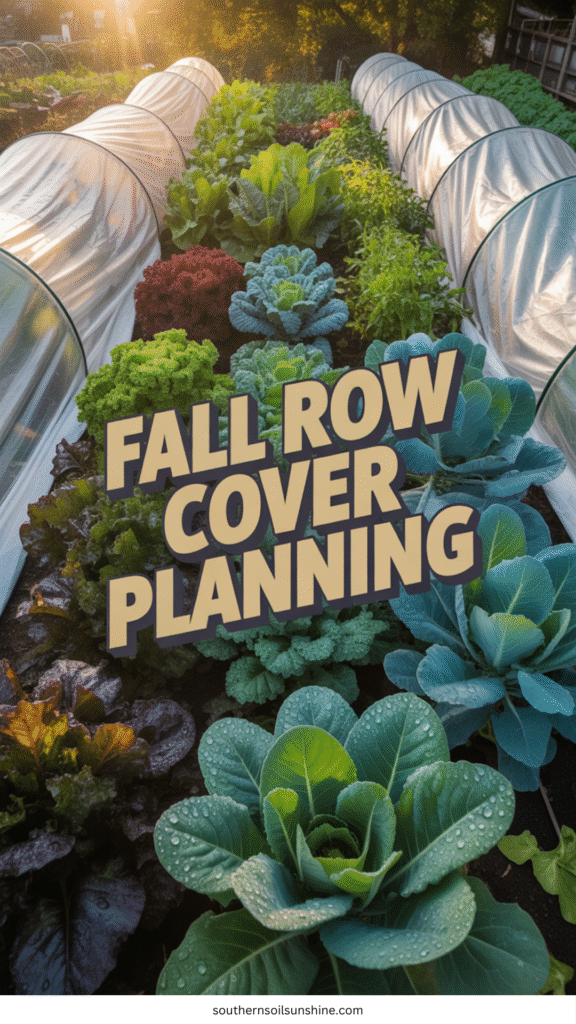
That’s where row cover systems come in. They’re like a cozy, breathable blanket for your plants—offering protection without pressure, shelter without separation.
This guide will walk you through how to plan and install a row cover system that works for your space, crops, and climate—so your fall garden can thrive with both protection and peace.
❓ What Is a Row Cover?
A row cover is a lightweight fabric draped over crops to:
- Protect from frost
- Block pests like aphids and cabbage moths
- Shield from harsh sun or wind
- Maintain gentle warmth and moisture
It’s a physical barrier—but one that breathes, lets in light, and can be removed as needed.
🧑🌾 Why You Need One in Fall (Even in Warm Zones)
Fall gardens face:
- Lingering heat
- Sudden cold snaps
- Heavy rain or hail
- Pests like loopers, aphids, and flea beetles
Row covers:
- Block bugs from laying eggs on brassicas and greens
- Provide slight warmth to help crops mature
- Allow you to grow later into the season with less stress
- Protect seedlings during early transitions
Related: Using Shade Cloth Without Smothering Your Plants
Related: How to Start Broccoli and Cauliflower Indoors
📅 When to Use Row Cover in Zone 9
| Season | Use Row Cover To… |
|---|---|
| Early Fall | Block pests, shade heat-sensitive crops |
| Mid Fall | Protect new seedlings from sun & bugs |
| Late Fall | Prevent frost damage and trap warmth |
| Overwintering | Shield hardy crops through light freezes |
Tip: Choose light or medium-weight row covers (0.5–1.0 oz/sq yd) for Zone 9. No need for heavy frost cloth unless expecting a rare deep freeze.
🧺 Materials You’ll Need
For a simple system, you’ll need:
Frame Options:
- PVC pipes (½” or ¾”)
- Galvanized wire hoops
- Rebar + electrical conduit
- Fiberglass rods
Fabric Options:
- Lightweight row cover (Agribon 15 or 19)
- Insect netting (for early fall)
- Shade cloth (50%–70% for heat)
Tools & Anchors:
- Garden staples or landscape pins
- Clips, clamps, or spring ties
- Bricks, sandbags, or boards for wind resistance
📐 Step-by-Step: How to Plan and Build Your System
1. Measure Your Bed
Know your width and length to cut PVC or choose hoop spacing.
For a 4×8 bed: 5 hoops spaced 2 feet apart works well.
2. Choose Your Frame
- For small beds: PVC or wire hoops inserted into rebar
- For longer beds: conduit bent with a hoop bender
Height tip: 18–24 inches is usually enough for most fall greens and brassicas.
3. Cut Your Fabric
Add 12–18 inches of overhang on all sides to anchor securely.
4. Install Hoops
Push into soil or slide onto rebar stakes. Ensure symmetry for a smooth fit.
5. Drape and Clip
Lay the row cover over the frame, clip or pin securely, and anchor all edges to the ground.
❄️ When to Remove or Vent
Even breathable covers can trap heat—especially early in fall.
Remove or vent when:
- Temps exceed 85°F
- Bees need access for pollination
- Seedlings start to outgrow their space
Tip: Use clothespins to quickly fold and secure the cover halfway for daytime ventilation.
🧠 Common Mistakes to Avoid
- Using plastic sheeting instead of breathable fabric
- Leaving covers on too long during warm spells
- Not securing the edges—leading to wind flap
- Forgetting to label what’s under the cover!
✍️ Journal Prompt
“How can I protect what I’m nurturing—without suffocating it?”
“Where do I need to create gentle boundaries in my own growth?”
Row covers are a beautiful metaphor: we all need some shelter, but we also need light, air, and space to grow.
📖 Root Deeper in Rooted in Grace
In Rooted in Grace, I explore how protection and provision often look like creating margins—not isolation.
The garden teaches us that too much exposure harms—and too much shielding can smother. The work is in discernment.
🎧 Listen While You Build
The podcast walks you through building intuitive gardening skills while strenghtening your relationship with God and helping you live a more rooted and peaceful life.
Listen on:
📝 Free Printable: Fall Row Cover Planning Guide
Includes:
- Bed measuring chart
- Frame + fabric cheat sheet
- Installation tips
- Venting schedule + journal space
🔗 Related Guides
- Fall Garden Journal Setup: What to Track and Why
- September Garden Mistakes (and Fixes)
- Sowing Fall Carrots: Gardening with Faith
- Top 5 Fall Greens for Zone 9 Gardens
🌺 Grace Note
Protection isn’t control.
It’s care.
And care knows when to cover—and when to lift the veil.
💌 Stay Rooted
Get more printable guides, reflective garden prompts, and seasonal setup tips delivered each week.



One Comment