🥬 Top 5 Fall Greens for Zone 9 Gardens
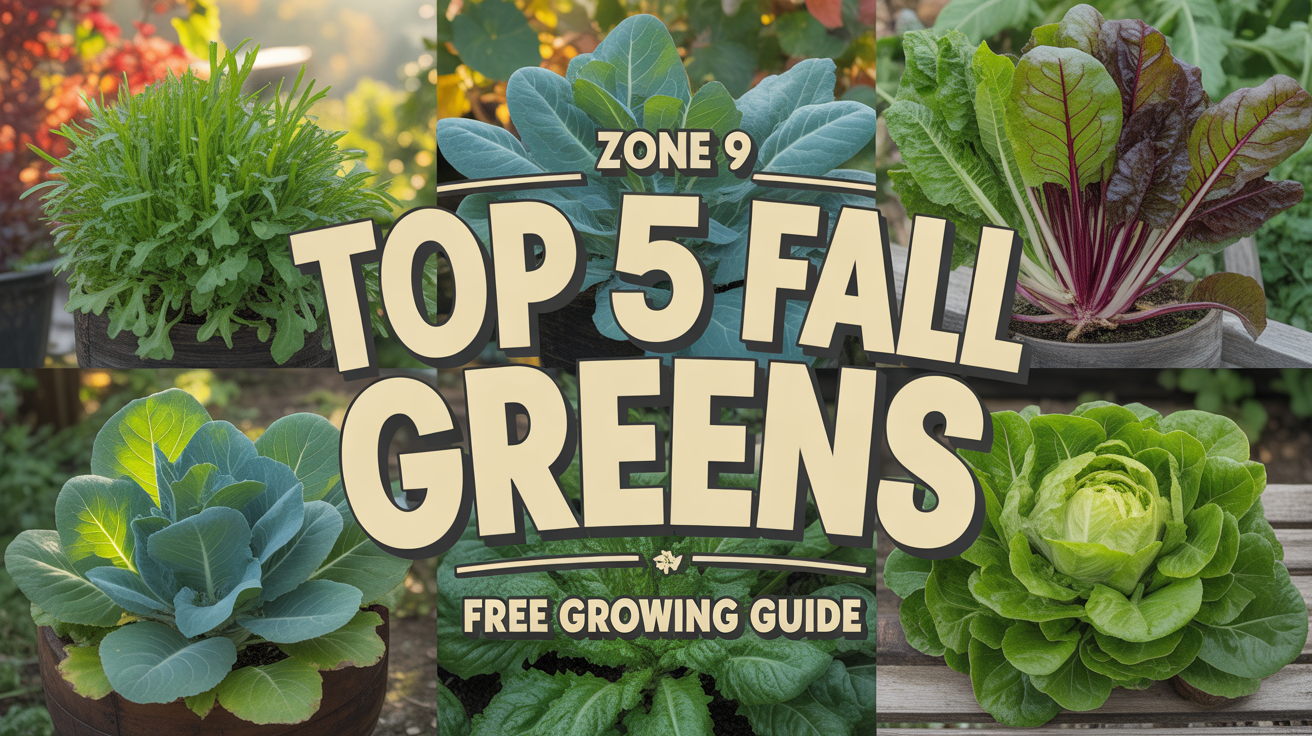
🥬 Top 5 Fall Greens for Zone 9 Gardens: Growing Fresh Salads When the Heat Finally Breaks
There’s a particular grace to fall gardening in Zone 9. After months of wrestling with summer heat—watching lettuce bolt before breakfast, seeing arugula turn bitter overnight—we get a second chance. The soil is still warm from the Texas sun, but the nights are cooling down. The humidity softens. And suddenly, growing greens becomes less of a battle and more of a blessing.
I’ve learned that autumn is actually better than spring for us Houston gardeners when it comes to leafy crops. The cooler nights, gentler sun angles, and fewer pest pressures create what I call the “green season”—a window where fresh salads practically grow themselves.
Let me walk you through five fall greens that thrive in our warm climate, how to grow them faithfully, and why this season matters more than you might think. 🍂
Free eBook
Rooted in Grace
A Christian guide to intuitive gardening — the whole book, free. Tell me where to send it and it’s yours in a minute.
🌱 Why Fall is the Real Salad Season in Zone 9
I used to think spring was peak gardening time. Then I lived through a few Houston summers, and I understood: fall is when everything shifts. When we observe what’s actually happening in our gardens and soil, we see that late September through November creates nearly perfect conditions for greens. The soil temperature stays in that sweet spot—warm enough for germination, cool enough that plants don’t immediately bolt. The intense afternoon sun is less aggressive. Rain patterns stabilize. Pests like flea beetles and aphids decline.
This is the season to respond faithfully to what the garden is asking for: cool-season crops that feed us nutritionally and spiritually as the year winds down.
🥗 The Five Fall Greens That Perform Best
1. Arugula (Rocket): Speed and Peppery Punch
Arugula is the sprinter of fall greens—and after a summer of waiting, we all appreciate speed. In Zone 9, arugula germinates in about 5-7 days when soil temps hit 50°F (which happens reliably by mid-October). You’ll harvest mature leaves in just 20-30 days.
Why I plant it: The peppery flavor is sharper in cool weather, the leaves stay tender longer, and it actually slows down its bolting urge. I’ve grown arugula through November without it flowering, something impossible in May.
How to grow arugula in fall: Sow directly into the garden or containers in partial sun or dappled shade. Once seedlings emerge, thin them to 4-6 inches apart—those thinned microgreens are delicious, by the way. Start harvesting individual leaves when they’re 3-5 inches long. Succession sow every 2-3 weeks from late September through early November to keep the harvest continuous.
Sanda’s Tip: Arugula loves consistent moisture. In our Houston fall, which can swing from humid to dry quickly, mulch around plants with 1-2 inches of compost. This keeps shallow roots happy and prevents that bitter, hot flavor that comes from stress.
2. Collard Greens: The Resilient Workhorse
If arugula is the sprinter, collards are the marathon runner. These Southern staples are built for our climate—they laugh at frost and actually taste better after a cold snap. A single collard plant will produce for four to five months, feeding your kitchen from October straight through February.
Why I plant it: Collards are forgiving. They handle the occasional warm day in October without bolting. They’re nutritionally dense. And there’s something deeply grounding about harvesting from the same plants month after month—it’s a meditation in consistency and faithfulness.
How to grow collards in fall: Start from transplants (6-8 weeks old) in early September, or direct sow in mid-September. Space plants 12-18 inches apart—they get large, and good air circulation prevents disease. Once established, harvest outer leaves as needed, leaving the center growing point intact. The plant will keep producing new leaves. Mulch well (3-4 inches) to insulate roots as temperatures drop.
Sanda’s Zone 9 Note: Collards can bolt if temperatures spike suddenly in spring, but fall planting avoids this. Our Zone 9 winters rarely dip below freezing for extended periods, so collards planted in September will sail right through. However, watch for cabbage worms in October—use row cover or hand-pick to protect your harvest.
3. Mustard Greens: Spicy, Colorful, and Showy
Mustard greens bring personality to the fall garden. They’re spicy, they come in gorgeous colors (deep purple, bright green, frilly textures), and they grow with enthusiasm. I plant mustards because they make me smile—and because their bold flavor transforms simple dishes.
Why I plant it: Fast germination (5-10 days), moderate harvest window (50-70 days to maturity), beautiful to look at, and they actually attract pollinators when allowed to flower. That edible flower stage brings another dimension to late-fall cooking.
How to grow mustards in fall: Direct sow or start transplants once summer temperatures drop below 90°F consistently (usually by late September in Houston). Thin seedlings to 6-8 inches apart. You can harvest leaves young (at 3-4 inches) for tender salad greens, or wait until plants mature and harvest the whole head for braising, sautéing, or adding to soups. Mustards prefer consistent moisture and a bit of afternoon shade in early fall when temps can still spike.
4. Swiss Chard: The Long-Season Producer
Swiss chard is the dependable friend who shows up when you need her and stays through spring. With its edible stems and mild, slightly beet-like flavor, chard is versatile and beautiful. The colored varieties—’Bright Lights’ or ‘Rainbow’—add visual interest to both garden beds and dinner plates.
Why I plant it: One planting produces for months. The stems are as nutritious as the leaves, adding bulk to smoothies and stir-fries. And chard handles our Zone 9 temperature swings with grace—it doesn’t mind a 30-degree day followed by a 70-degree day.
How to grow Swiss chard in fall: Start from seed or transplants in early fall (late August through September). Space plants 8-10 inches apart. Harvest outer leaves regularly, cutting them off at the base. This signals the plant to keep producing new leaves from the center. Chard’s roots are deeper than lettuce or arugula, so water less frequently but more deeply. Mulch around plants to retain moisture through our dry fall spells.
Sanda’s Garden Wisdom: Chard is the ultimate “set it and forget it” green for busy gardeners. Plant it in September, harvest consistently through winter, and you’ll have fresh greens through February or even early March. I often plant chard in a dedicated 4×8 bed and harvest from it all season while cycling other crops through my other beds.
5. Lettuce (Butterhead and Romaine): The Classic Choice
Lettuce is where most of us start. There’s a reason: it’s reliable, it’s versatile, and in cool weather, it’s absolutely delicious. Fall lettuce is sweeter, more tender, and more forgiving than its spring counterpart. The cool nights mean less bitter compounds, and the gentler sun prevents that stressed, tough texture.
Why I plant it: Endless varieties to experiment with. Fast-growing options for impatient gardeners. And the ability to tuck lettuce into corners, containers, and gaps means you can grow salad in almost any space.
How to grow lettuce in fall: For earliest harvests, start seeds indoors in late August and transplant out in mid-September. Or direct sow in September and October with afternoon shade protection during early fall warmth. Thin seedlings to 4-6 inches apart. Keep soil consistently moist—lettuce’s shallow roots dry out quickly. Mulch to maintain moisture and keep soil cooler. Harvest using the “cut-and-come-again” method: snip outer leaves, leaving the center to keep growing. Or harvest the whole head once it reaches desired size.
📋 Fall Greens Planting Timeline for Zone 9/Houston
| Greens Type | Planting Window (Zone 9) | Days to Harvest | Ideal Spacing |
| Arugula | Sept 15 – Nov 1 | 20–30 | 4–6″ apart |
| Collard Greens | Aug 15 – Sept 15 | 60–90 | 12–18″ apart |
| Mustard Greens | Sept 1 – Oct 15 | 40–50 | 6–8″ apart |
| Swiss Chard | Aug 15 – Sept 30 | 50–60 (then harvest continuously) | 8–10″ apart |
| Lettuce | Sept 1 – Oct 30 | 45–60 | 4–6″ apart |
🌿 Growing Fall Greens Faithfully: The Essentials
Soil Preparation: Start Rich
Fall greens are leafy crops that benefit enormously from nitrogen-rich soil and good organic matter. Before planting, work 2-3 inches of compost into your beds. If you’re replanting areas where summer crops grew, refresh the soil—those beds have been hard-worked. Adding compost feeds both the soil biology and the plants.
Watering: Shallow Roots Need Attention
Most
Spacing for Success: Why Air Circulation Matters in Humid Houston
We often think of fall as “cool season,” but here in Zone 9, humidity remains high well into November. This changes how we space our greens. When we crowd plants together, air can’t move, moisture sits on leaves, and fungal diseases like powdery mildew find their home. I’ve learned this the hard way—a gorgeous arugula bed suddenly turning gray because I planted it too densely.
The spacing guidelines I mentioned earlier aren’t just suggestions; they’re invitations to success. Arugula at 4-6 inches apart feels generous when the seedlings are tiny, but those plants need room to develop without competing for air. Mustard greens at 6-8 inches create a light canopy that allows humidity to escape. Even lettuce, which seems delicate, performs better with slightly wider spacing in our climate than gardeners in drier regions might use.
What we’re really doing is respecting the season and our specific growing conditions. In Houston’s humid fall, good spacing is as important as water and sun. When I observe my beds and notice dense plantings struggling while well-spaced ones thrive, it teaches me that sometimes generosity—giving plants room to breathe—is the most practical choice.
Extending the Season: Cold Frames and Row Cover Protection
One of the gifts of fall gardening in Zone 9 is that frost rarely arrives dramatically. Instead, we get a gradual cooling with occasional cold snaps. Most years, our first real frost doesn’t come until December, sometimes January. This means greens planted in September can produce well into winter with just a bit of protection on the coldest nights.
Row covers—lightweight spun fabric that lets light and water through—are worth their weight in gold. I drape them over tender greens like lettuce and young arugula when the forecast dips below freezing. The fabric creates just enough insulation to protect leaves from ice damage. Collards and mustard greens are tougher; they can handle frost and even ice without covering, but row cover extends their productivity regardless.
Cold frames are the luxury version of this protection. A simple wooden frame with an old window or clear plastic creates a mini greenhouse that can add four to six weeks to your harvest season. I’ve kept lettuce producing through mid-January using a cold frame. The investment is small, and the return—fresh greens when grocery-store lettuce is limp and flavorless—feels almost luxurious.
Sanda’s Zone 9 Note: Our zone’s advantage is that we rarely need heavy frost protection; our winters are mild. But our curse is unpredictable freezes. A warm December followed by a surprise 20-degree snap can happen. So plant hardy greens (collards, kale, mustards) by mid-September—they’ll be established enough to handle weather swings. Tender greens like lettuce can go in by late September, but have row cover ready just in case.
Pest Management: The Fall Advantage (and What Still Shows Up)
One of the genuine blessings of fall gardening is that many summer pests disappear. The aphids that devastated spring lettuce are nearly gone by October. Flea beetles that skeletonized arugula in August have largely moved on. Spider mites vanish. This alone makes fall greens easier to grow than spring greens in our region.
But we’re not pest-free. Cabbage worms—the tiny green caterpillars of white cabbage moths—become active in October and love our brassicas (collards, mustards, kale). I watch for them starting in mid-October, hand-picking when I see them or using row covers as preventative protection. Slugs can also emerge during wet spells in November and December; they love tender greens. A simple beer trap or diatomaceous earth applied to soil around plants handles most slug pressure.
The key is observation. As we work in the garden during fall, harvesting leaves and tending plants, we naturally notice when pests arrive. This awareness—pausing to really look at what’s happening beneath the leaves, checking the undersides for eggs or damage—is part of intuitive gardening. We respond to what we see rather than following a rigid spray schedule. Often, hand-picking or row cover is enough, reducing our need for interventions.
| Fall Pest | Target Greens | Zone 9 Timing | Natural Control |
| Cabbage Worms | Collards, Mustards, Kale | October–December | Row cover; hand-pick caterpillars |
Ready to Go Deeper in the Garden?If this article resonated with you, you might be ready for something more than tips.
“The garden is not just a place to grow plants – it is a place to grow yourself.” Free eBook Before you go — the book is yours Rooted in Grace: A Christian Guide to Intuitive Gardening. No cost, no catch. Read it on any device, at whatever pace the season allows. |



3 Comments