
🗓️ How to Make a Garden Plan for October

🗓️ How to Make a Garden Plan for October: Your Zone 9 Quiet Beginning
By October, those of us gardening in Zone 9 and the Houston suburbs know something most gardeners don’t: we’re not winding down—we’re winding up. While frost is settling in across the country, we’re just stepping into our most generous growing season. This is the month to pause, reflect, and plan with intention.
A garden plan for October isn’t just a to-do list scrawled on the back of a seed packet. It’s an act of hope—a declaration that even as daylight shifts and summer’s frenzy fades, something sacred is still unfolding in the soil. It’s about listening to what your land needs and responding with faithfulness.
🧭 Step 1: Observe What’s Already Growing
Before you sketch a single bed or dream of new plantings, take time to observe. This is the “observe” part of our intuitive gardening rhythm—and it matters more than you might think.
Walk through your garden with a cup of coffee or tea. Notice which summer crops are still producing. Are your okra plants still flowering? Is that sweet potato bed ready to harvest, or does it have more time? Which beds have emptied out, their soil exposed and ready for new life?
Ask yourself gently: What worked beautifully in September? Maybe those transplanted peppers finally found their rhythm, or your cilantro bolted faster than expected. What did the Houston heat teach you about sun exposure, watering depth, or spacing? This isn’t about regret—it’s about wisdom-gathering.
Sanda’s Tip: Keep a small notebook near the garden gate and jot down one observation each week in September. By October, you’ll have real data about what thrived and what struggled. This becomes your personal garden almanac—more valuable than any generic guide because it’s your garden’s story.
Free eBook
Rooted in Grace
A Christian guide to intuitive gardening — the whole book, free. Tell me where to send it and it’s yours in a minute.
📋 Step 2: Know Your October Planting Window in Zone 9
October is prime time for cool-season crops in our neck of the woods, but timing matters. Unlike gardeners up north who plant spring crops in May, we plant fall crops now—and we do it because Houston’s return to milder temperatures is one of the garden’s greatest gifts. 🌱
Here’s what thrives when you direct-sow or transplant in October across Zone 9:
| Crop Type | Best Varieties for Houston | Sow/Transplant Timing | Harvest Window |
| Leafy Greens | Spinach, arugula, Swiss chard, mustard greens, kale, collards, lettuce | Early-mid October (sow direct) | November–February |
| Root Crops | Radishes, beets, carrots, turnips, parsnips | Early October (sow direct) | November–January |
| Alliums | Short-day onion sets, garlic cloves | Garlic mid-late October; onion sets early-mid | June (garlic); May (onions) |
| Legumes & Others | Sugar snap peas, English peas, broccoli (transplants) | Mid-late October | December–March |
Sanda’s Zone 9 Note: Don’t rush October plantings into early September, even if you feel ready. Our daytime temperatures often stay above 85°F well into late September, which can cause cool-season seeds to rot or fail to germinate. Wait for the calendar to turn. Patience now means better germination rates later.
The beauty of gardening in Houston is that October doesn’t close doors—it opens them wide. We have months of frost-free growing ahead, which means slow-growing crops like garlic and carrots actually have time to reach their full potential.
🗂️ Step 3: Sketch Your Space with Purpose
Now comes the reflection and responding part of our framework. Open a journal, grab a pencil, or even use the back of a scrap piece of cardboard—and create a visual map of your garden beds.
This doesn’t need to be artistic or perfect. It needs to be true. Draw your beds as they actually exist. Mark which direction receives morning sun versus afternoon heat. Note any microclimates—that corner where water pools, the spot next to the house that stays warmer, the area under the oak tree that gets afternoon shade.
As you sketch, practice crop rotation. If your greens grew in Bed A last spring, give that bed a rest or plant roots there instead. This simple practice protects soil health and reduces pest buildup naturally.
Sanda’s Garden Wisdom: Use colored pencils or simple symbols to mark each crop. Draw your walkways and compost paths too. This visual becomes a living reference—not a rigid rule, but a flexible guide. As October unfolds and conditions change, you can erase and adjust. The plan serves you; you don’t serve the plan.
⏳ Step 4: Build a Gentle Rhythm, Not a Rigid Timeline
One of the biggest mistakes gardeners make with October planning is creating an overwhelming to-do list. We forget that gardening, like faith, is about rhythm and seasons—not cramming everything in at once.
Instead of a checklist, think in terms of a gentle four-week flow that respects both your energy and your soil:
Week 1 (Early October): Clear summer beds mindfully. Remove spent plants, shake soil back into the bed, and add a layer of compost or aged manure. Sharpen your tools. This is restoration work—honoring what grew and preparing for what’s coming.
Week 2: Sow fast-growing greens and quick radishes. These are your encouragement crops—they’ll be ready to harvest in 30-40 days, giving you a quick win and fresh vegetables by November.
Week 3: Sow slower crops like carrots and beets. Transplant any cool-season seedlings (broccoli, cabbage) if you’ve started them indoors. Plant the first planting of spinach and chard.
Week 4: Mid to late October is garlic-planting time in Zone 9. This is one of my favorite garden moments—pressing individual cloves into the soil, knowing they’ll sleep all winter and wake up as a generous crop in June. It’s a act of trust.
Plan one to two tasks per week, and leave space for rest. The garden shouldn’t exhaust you—it should feed your soul.
☀️ Step 5: Assess Sun, Water, and Microclimate Shifts
October’s light is different from September’s. Days are noticeably shorter, and the sun’s angle changes. This affects which areas of your garden get adequate light for photosynthesis.
Walk your beds at different times of day. Notice where morning shade falls now versus where it fell in August. Some beds that were scorched in summer might now be ideal for cool-season crops. Other areas might need extra afternoon light.
Check your watering infrastructure too. Drip lines may have shifted or gotten kinked over the hot months. Soaker hoses that worked in July might need repositioning. October is the perfect time to reset these systems before you’re relying on them daily.
Sanda’s Zone 9 Note: Even though October feels cooler, surprise heat waves still happen in Houston. Keep shade cloth nearby for tender seedlings, especially if they’re direct-seeded in late September. Tender greens can get sunburned if daytime temps spike above 90°F in their first two weeks.
🌻 Step 6: Plan for Beauty, Not Just Bounty
A garden plan that only includes vegetables isn’t complete. It misses the soul of the thing.
October is the perfect time to plant edible flowers and pollinator plants. Calendula, nasturtiums, and borage will bloom alongside your cool-season crops and feed the bees and butterflies that help your whole garden thrive. Plant cilantro and dill not just for cooking, but because they’re beautiful in their own right and attract beneficial insects.
Leave space for a small experimental corner too. Plant something you’ve never tried before—a heritage lettuce variety, a new herb, a flower you’ve been curious about. This space is for joy, not just productivity. It keeps you engaged and reminded that gardening is an adventure, not a chore.
📊 October Planning Quick Reference
| Planning Element | Key Questions to Ask | Action Items |
| Current Garden State | What’s still producing? What beds are open? | Walk beds; note harvest timing; observe what worked |
| Crop Selection | What greens, roots, and other crops will I grow? | Refer to table above; order seeds/sets by early October |
🌱 Understanding Houston’s October Soil Temperature Sweet Spot
Here’s something that separates successful October gardeners from frustrated ones: soil temperature, not air temperature, is what matters for seed germination. While your thermometer might show 75°F on an October afternoon, your soil could still be 80°F or higher—and that warmth can prevent cool-season seeds from sprouting reliably.
In Zone 9 around Houston, soil temps typically drop below 75°F by mid-to-late October, which is when you’ll see the best germination rates for spinach, lettuce, and other cool-season crops. Early October sowing sometimes works, but you’re fighting against lingering summer heat stored in the ground. If you sow arugula seeds in early October and they rot before sprouting, it’s not because you did something wrong—it’s because the soil was still too warm.
Here’s a practical approach: grab a simple soil thermometer from any garden center and check your beds around 10 AM on a clear October morning. If your soil reads 75°F or below, you’re in the sweet spot. If it’s still in the high 70s or 80s, wait another week or ten days, then recheck. This small act of measuring removes the guesswork and gives you real confidence in your planting decisions. It’s the difference between hoping your October seeds will germinate and knowing they will.
The same principle applies to transplants. Cool-season seedlings you’ve been nurturing indoors or in a cold frame will establish much more reliably once soil temperatures cool down. They’ll spend less energy stressed by heat and more energy developing strong root systems.
Succession Planting: Stretching Your Harvest Across Winter Months
One of the greatest gifts of October planning is that you don’t have to decide everything at once. Instead of sowing all your lettuce seeds on October 10th and having everything mature simultaneously, you can stagger plantings across three or four weeks. This gives you a continuous harvest from November through February rather than a glut followed by nothing.
Think of October plantings in three tiers. Early October (if soil temps cooperate) is your quickest crops: radishes mature in 25-30 days, so seeding now gives you November radishes. Mid-October is your main wave: spinach, arugula, Swiss chard, and beets sown now will peak in December and January. Late October (around the 20th in most years) is your slow-build crops: carrots, parsnips, and other root vegetables sown now won’t be ready until January-February, but they’ll have developed that sweetness that comes from slow winter growth.
In your October plan, mark these succession dates visually. You might draw a little calendar grid in your garden journal with three columns labeled “Early Oct,” “Mid Oct,” and “Late Oct,” then list which varieties go in each window. This keeps you from overwhelming yourself in the next month while ensuring that come January, you’re not eating the last of your November spinach with nothing in the wings.
Succession planting also teaches patience in a beautiful way. It trains us away from the modern impulse to want everything immediately. Instead, we learn to anticipate, to prepare, to trust that if we plant thoughtfully, abundance will unfold across weeks rather than happening all at once.
Soil Amendment and Bed Preparation: The Unseen Foundation of October Success
Before a single seed goes into the ground, your soil needs attention. October bed preparation isn’t glamorous, but it’s absolutely foundational. This is when the unseen work happens—the work that will determine whether your October plantings thrive or just survive.
As you clear summer beds, look at what you’re removing. Are the plant leaves vibrant green or yellowed? Are stems woody or tender? Yellowed, tough summer plants suggest the soil is depleted—nitrogen especially gets used up by months of active growing. Tender, quick-growing summer plants in beds that stayed moist suggest decent soil health. These visual clues tell you where amendment matters most.
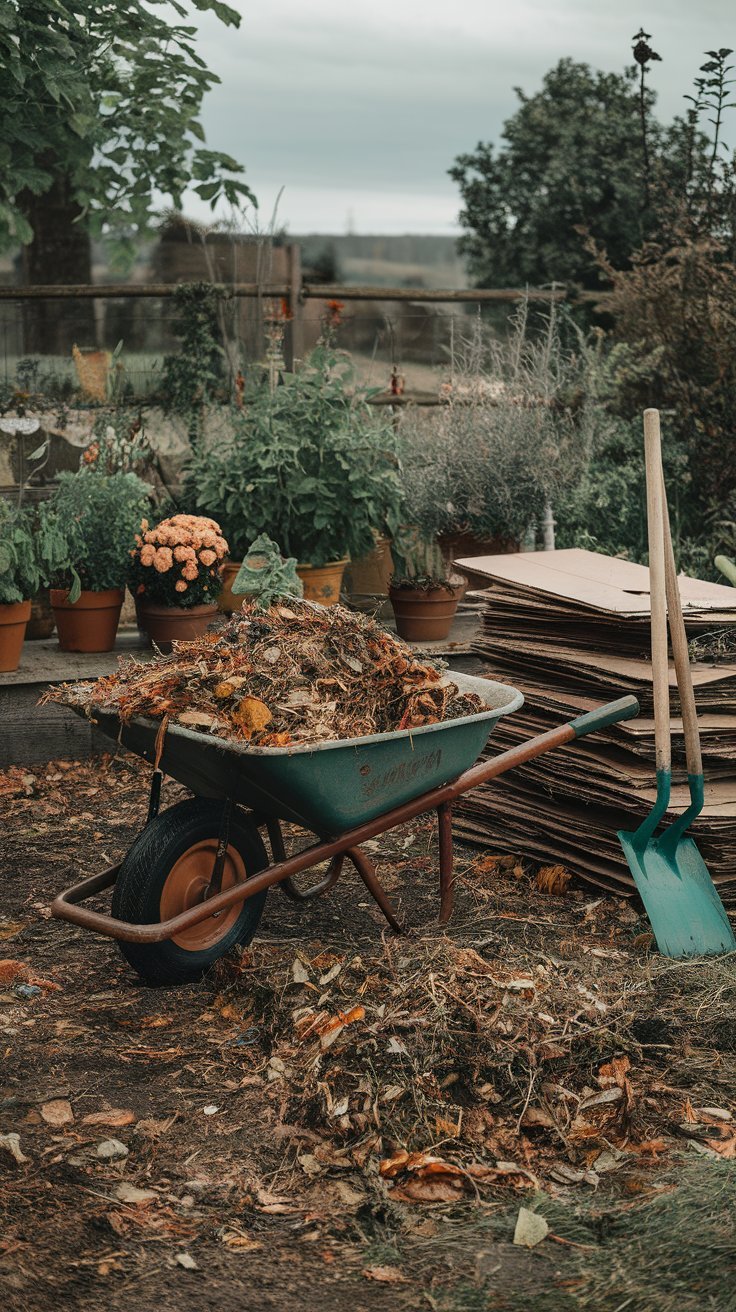
In Houston’s clay-heavy soils, the addition of compost is nearly always beneficial. Work 2-3 inches of finished compost into the top 6-8 inches of soil, or simply spread it on top and let fall rains begin incorporating it. If you have access to aged manure (horse or rabbit manure is ideal), add about 1-2 inches. Don’t use fresh manure—the nitrogen can burn young roots—but aged manure adds both nutrients and organic matter that improves soil structure.
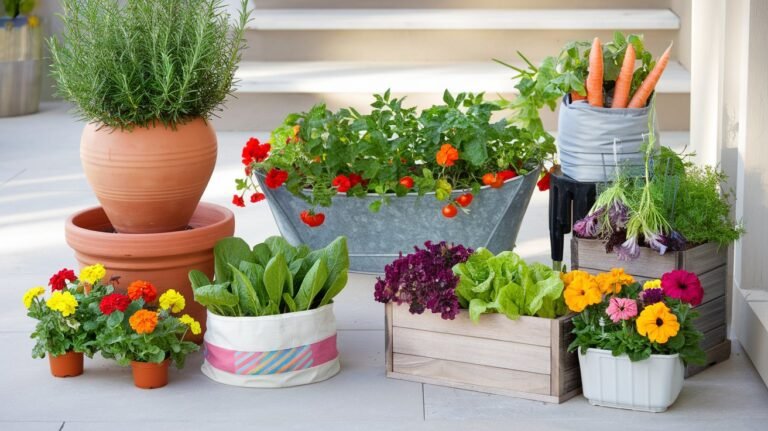
For beds that will hold root crops like carrots and beets, clay is particularly challenging because these crops need loose, well-draining soil. Consider building raised beds just for roots, or amend your in-ground beds heavily with compost and sand to create a looser growing medium. You might also plant roots in containers filled with loose potting mix if you have limited space. The effort you invest in October preparation in creating good root-crop conditions pays off dramatically when you’re harvesting sweet, straight carrots instead of forked, misshapen ones.
One often-overlooked amendment for Zone 9 gardens is sulfur. Houston’s soil tends toward neutral to slightly alkaline, but many cool-season crops (especially leafy greens) prefer slightly acidic conditions. A light dusting of sulfur worked into beds in early October can shift pH over time, improving nutrient availability. Check a soil test result if you have one, or ask your local cooperative extension office whether your soil would benefit from sulfur before planting.
Sanda’s Tip: After you’ve amended and prepared a bed, let it sit for at least a week before sowing or transplanting. This settling time allows microbes to begin their work and gives amended soil a chance to stabilize. It’s not a hard rule, but it does seem to improve germination and transplant survival rates. Use that week to prepare other beds or rest and reflect on your plan.
Garden planning is really an act of faith—faith that the soil will provide, that the seeds will germinate, that the seasons will turn as they always have. When we take time in October to truly prepare, to amend with care, to observe before we plant, we’re participating in something older and deeper than ourselves. We’re saying yes to the cycles that have sustained humanity since we first learned to coax
Ready to Go Deeper in the Garden?
If this article resonated with you, you might be ready for something more than tips.
- Download the FREE Rooted in Grace eBook
- Get the Rooted in Grace Print Book on Amazon
- Join Rooted Reset
- Follow on Instagram – @southernsoils
- Save on Pinterest – @southernsoilsunshine
- Join on Facebook – Southern Soil Sunshine
“The garden is not just a place to grow plants – it is a place to grow yourself.”
More like this: Square Foot Gardening for Beginners
Free eBook
Before you go — the book is yours
Rooted in Grace: A Christian Guide to Intuitive Gardening. No cost, no catch. Read it on any device, at whatever pace the season allows.



3 Comments