🥗 Direct Sowing Lettuce: Timing and Shade Tricks
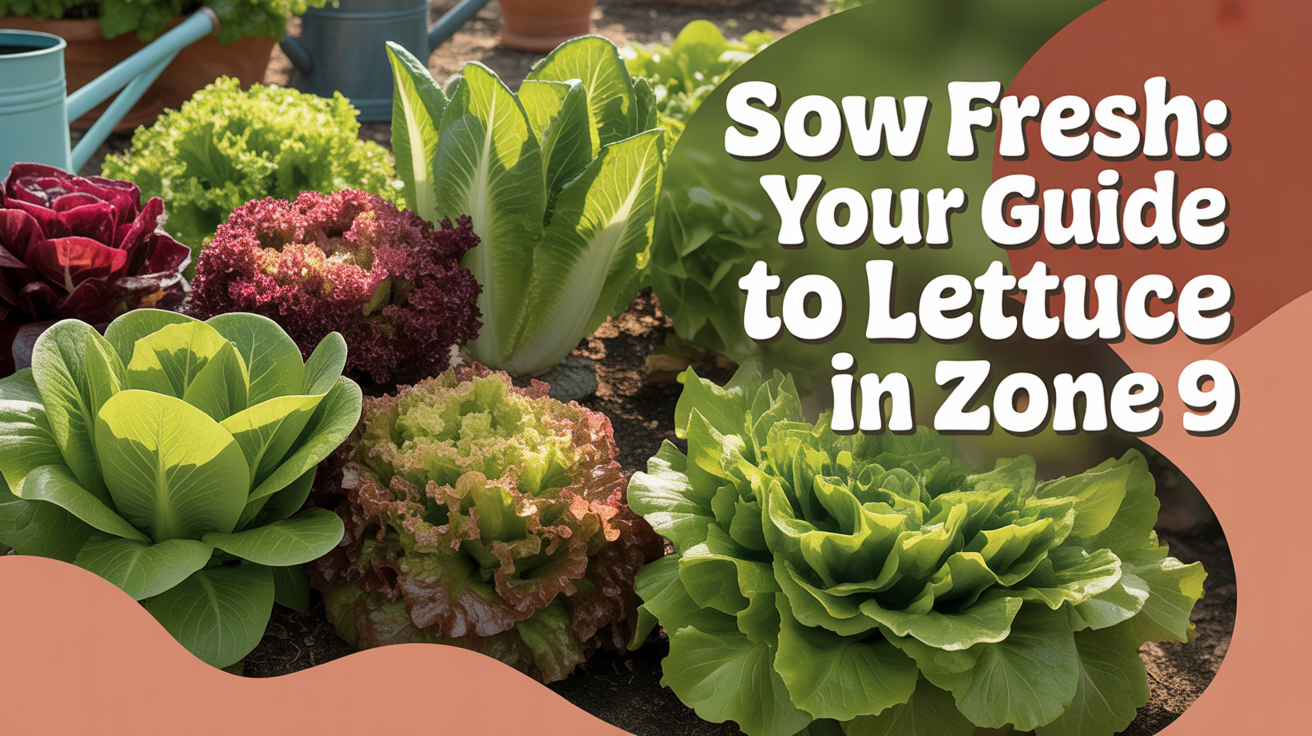
🥗 Direct Sowing Lettuce: Timing and Shade Tricks for Zone 9 Gardens
Last week, I knelt in front of my lettuce bed at six in the morning—that quiet hour before Houston wakes up—and pressed my fingers into the soil. It was already warm. Not the gentle coolness lettuce dreams of, but the kind of heat that makes seeds second-guess their purpose. I’d scattered tiny Tom Thumb seeds three days earlier, and I was waiting. Watching. Wondering if I’d timed it right.
This is what gardening in Zone 9 teaches you: timing isn’t about following a calendar. It’s about learning to read what’s already happening and then creating the conditions for growth to be possible. For lettuce, that means understanding that these tender greens aren’t asking for much—just shade, coolness, and a gardener patient enough to wait for the right season. The irony, of course, is that this lesson lives outside the garden too. 🌿
Free eBook
Rooted in Grace
A Christian guide to intuitive gardening — the whole book, free. Tell me where to send it and it’s yours in a minute.
The Season for Tenderness: When Lettuce Actually Wants to Grow 💧
When I first moved to suburban Houston four years ago, I made the mistake of direct sowing lettuce in July. I was eager. I wanted immediate greens. The seeds rotted in the heat. I learned, slowly, that there are seasons for things, and you cannot rush them by sheer willpower.
In Zone 9, lettuce has a narrow window of contentment, and that window opens in late September. This is when summer heat finally—finally—begins to release its grip, when nighttime temperatures drop below eighty degrees and soil begins to cool. The sweet spot for direct sowing lettuce runs from late September through mid-November, when daytime highs are consistently dropping below eighty-five degrees and soil temperatures hover between fifty and seventy degrees. Miss this window trying to garden on your own timeline, and you’re fighting the climate instead of working with it.
🌱 Sanda’s Zone 9 Note: In our Houston area, I start checking soil temperatures in late August using a simple soil thermometer. Once I see consistent readings in the low seventies during early morning checks, I know the window is opening. This intuitive observation beats any printed calendar. The soil tells you what it’s ready for—you just have to listen.
The deeper truth, the one that spilled over into how I live outside the garden, is this: there are seasons when we are ready to grow, and there are seasons when we need to rest in shade. Lettuce knows this instinctively. It doesn’t apologize for needing gentleness. It doesn’t shame itself for preferring coolness to intensity. It simply waits for the right season and then it grows with quiet vitality. I’m learning to do the same.
Reading the Soil: Observe, Reflect, Respond 🌱
Our intuitive gardening practice starts with observing what’s actually happening in your garden, not what the internet says should be happening. Before you direct sow a single seed, spend time with your soil. Touch it. Notice its color, its moisture, its temperature. In late August and early September, I visit my future lettuce beds several times a week, noting when the soil finally stops radiating the intense heat that characterizes our Texas summer.
Reflect on what you learn. When does your particular spot cool down? Which beds get afternoon shade from your house or trees? Where does morning sun hit first? Your neighbor’s garden might have a different microclimate than yours, even if you live on the same street. My east-facing bed cools faster than my west-facing one because afternoon sun is brutal here.
Respond by planting where conditions match what lettuce needs. Don’t force it into a sunny western bed just because you want it there. Honor the plant’s nature and your garden’s reality. This is the foundation of gardening that actually works.
Choosing Varieties That Actually Thrive Here 🥗
Not every lettuce is built for Texas. In my early years as a gardener, I’d order seeds based on beauty—frilly varieties with romantic names that looked stunning in photographs. Then I’d discover they were slow to mature, prone to bolting, fussy about water, or just fundamentally disinterested in our heat.
Now I grow what wants to grow here:
Butterhead lettuces like Bibb and Tom Thumb are compact and tender, reaching harvestable size in forty to fifty days. They’re my personal favorites because they establish quickly and reward patient observers with beautiful, buttery leaves. These are what I was sowing that early morning—they’re reliable friends in a Zone 9 garden.
Romaine stands upright with natural elegance, and it’s genuinely heat-tolerant compared to other lettuces. It wants to grow in Zone 9, which means you’re working with the plant rather than against it. Romaine can handle a bit more warmth than other varieties when temperatures tick back up in late spring.
Leaf lettuces like Red Sails and Black Seeded Simpson are my reliable workers. They’re fast, colorful, and offer that cut-and-come-again harvest that keeps giving through the season. If you’re new to lettuce, these are your confidence builders.
Oak Leaf lettuce is frilly and adaptable, perfect for baby greens if you’re starting a salad garden or a container collection on your patio. It matures quickly and handles slight temperature fluctuations better than you’d expect.
I skip iceberg and other crisphead varieties in fall. They’re slow. They’re fussy. They want ideal conditions we can’t quite give them in Texas, and I’ve learned that fighting a plant’s nature wastes time and water and faith. Instead, I grow what wants to grow here. This is the foundation of intuitive gardening. 🌿
| Lettuce Variety | Days to Harvest | Heat Tolerance | Zone 9 Suitability |
|---|---|---|---|
| Tom Thumb (Butterhead) | 45–50 days | Fair | Excellent |
| Bibb (Butterhead) | 50–60 days | Fair | Excellent |
| Romaine | 60–70 days | Good | Very Good |
| Red Sails (Leaf) | 40–50 days | Good | Excellent |
| Black Seeded Simpson (Leaf) | 45–55 days | Good | Excellent |
| Oak Leaf (Leaf) | 40–50 days | Fair to Good | Excellent |
The Shade Trick: Your Secret Weapon ☀️
Here’s what most gardening guides won’t tell you about Zone 9: sometimes shade isn’t your lettuce’s enemy—it’s your lettuce’s savior. If you’re direct sowing in late October or early November, when soil has cooled beautifully but you’re worried about a warm spell, shade cloth becomes your best friend.
I use thirty percent shade cloth draped over my lettuce beds in late fall. It softens the intensity of midday sun without blocking the energy your plants need to photosynthesize. You can buy it at any garden center, or—if you’re resourceful like most Texas gardeners—you can use old window screens, burlap, or even strategically placed garden chairs during the warmest afternoons. 🌱
The shade cloth stays until soil temperatures stabilize below sixty degrees consistently. Once that happens, your lettuce seedlings are established enough to handle full sun, and you can remove the cloth. I check my beds every few days, feeling the soil temperature and observing how the seedlings respond. When they look sturdy and you see genuine leaf development, that’s your signal that they’ve toughened up.
⚠️ Watch Out: Don’t leave shade cloth on too long once seedlings emerge and establish. Lettuce still needs light to develop those tender, flavorful leaves you’re craving. Leaving cloth on indefinitely produces pale, weak growth. Think of shade cloth as training wheels, not a permanent fixture. Once your seedlings have their first true leaves, start removing the cloth for progressively longer periods each day.
Direct Sowing: The Simple Art of Planting Patience 🌿
Direct sowing lettuce is straightforward, but it requires attention to a few details. When you’ve identified your timing and your spot, prepare the soil by breaking up any hard clumps and mixing in compost. Lettuce loves rich soil with good drainage—we’re not growing in clay mud, but in something alive and receptive.
Scatter seeds directly onto moist soil about one-quarter inch deep. Don’t bury them. Lettuce seeds need light to germinate, so a gentle covering of compost or a light sprinkle of soil is all you need. Water gently with a spray bottle or soaker hose, keeping the seed bed consistently moist until seedlings emerge, usually within seven to ten days in proper conditions.
Once seedlings have two true leaves, thin them to about six inches apart for butterhead and romaine varieties, or four to five inches for leaf lettuces. This feels wasteful at first, but crowded lettuce becomes stressed, bitter, and bolt-prone. Space is kindness in a lettuce bed.
Creating Ideal Soil Conditions 💧
Zone 9 soil often runs slightly alkaline, which lettuce tolerates but
The Window Within the Window: Late-Season Cooling in Houston
Here’s something I’ve noticed after years of keeping notes in my garden journal: there’s not just one lettuce season in Zone 9—there’s actually a series of micro-windows, and the most reliable one for direct sowing happens when our brutal summer finally admits defeat. In suburban Houston, this typically means late September through early November, but the quality of that window matters enormously.
Early September feels like fall is coming, but the soil still radiates heat at sunset. Nights are cooling, yes, but soil temperatures often stay stubbornly in the high seventies. Lettuce seeds will rot or languish. But by late September—around the autumnal equinox—something shifts. The sun’s angle changes. Our afternoon storms become less frequent. Soil begins releasing its stored heat into cooler night air, and suddenly you’re gardening in something that feels almost like a different climate.
I’ve learned to trust the third week of September as my observation point. This is when I start checking soil temperature twice daily—morning and late afternoon. When I consistently see early morning readings in the mid-sixties to low seventies, with afternoons dropping into the upper seventies rather than the nineties, that’s my signal. This window typically holds steady through mid-November in our area, but it’s not endless. By mid-December, we can get surprise freezes, and spring brings warmth too quickly for reliable lettuce harvests. You’re working within a compressed timeline, which is why paying attention to your specific garden’s microclimate matters so much more than any general guideline.
The beauty of this timing, I think, mirrors something spiritual: there are seasons when conditions align for certain kinds of growth. You can’t manufacture that alignment through determination alone. You can only notice when it arrives and respond with readiness. Lettuce teaches this wordlessly, season after season.
Managing Bolt-Prone Varieties: When Your Lettuce Wants to Flower
One of the frustrations unique to Zone 9 gardeners is that lettuce sometimes bolts—sends up a flowering stalk and turns bitter—before you’ve had a proper chance to harvest. This happens more often than gardeners in cooler zones experience, because our temperature swings are dramatic. A week of afternoon highs in the low eighties after you’ve grown accustomed to the sixties can trigger bolting, especially in lettuce varieties that are already on edge.
Certain varieties bolt more readily than others in our climate. Butterhead lettuces like Bibb, while generally reliable, can bolt faster than you’d expect if temperatures spike. Romaine is more stable. But leaf lettuces, especially the cut-and-come-again types, are your most bolt-resistant friends. Red Sails and Black Seeded Simpson will keep producing even if temperatures fluctuate slightly, whereas a single hot spell can send Bibb into reproductive mode within days.
There’s a strategy worth knowing: if you’re harvesting leaf lettuce, take leaves from the outside of the plant working inward, never harvesting more than one-third of the plant at a time. This practice—sometimes called the “cut-and-come-again” method—actually slows bolting because you’re never allowing the plant to reach full size and maturity. The plant keeps trying to complete its growth, but you keep harvesting the outer leaves, which extends your harvest window considerably. I’ve stretched a single lettuce planting from late October through February using this method, which is remarkable for a crop that wants to bolt.
If you do see a bolting plant—a sudden upward growth spurt, tighter leaf formation, or a flower stalk beginning to emerge—harvest everything immediately. Bolted lettuce is still edible, though more bitter, and you can use the flowering shoots in salads for a peppery accent. But better to harvest before bolting and pull the plant, composting it and planting something new. Acceptance, not resistance, keeps us sane in the garden and in life.
Succession Planting: Stretching Your Lettuce Season
One approach that transforms a single planting into months of harvest is succession planting—sowing new lettuce seeds every two to three weeks throughout your zone’s ideal window. This requires a bit of planning, but it’s not complicated, and it’s genuinely rewarding.
| Sowing Date | Typical Harvest Window | Notes |
|---|---|---|
| Late September | Mid-November to December | Longest maturation window; most reliable |
| Early October | Late November to January |
Ready to Go Deeper in the Garden?
If this article resonated with you, you might be ready for something more than tips.
- Download the FREE Rooted in Grace eBook
- Get the Rooted in Grace Print Book on Amazon
- Join Rooted Reset
- Follow on Instagram – @southernsoils
- Save on Pinterest – @southernsoilsunshine
- Join on Facebook – Southern Soil Sunshine
“The garden is not just a place to grow plants – it is a place to grow yourself.”
Free eBook
Before you go — the book is yours
Rooted in Grace: A Christian Guide to Intuitive Gardening. No cost, no catch. Read it on any device, at whatever pace the season allows.




5 Comments