Quick Growing Fall Root Crops
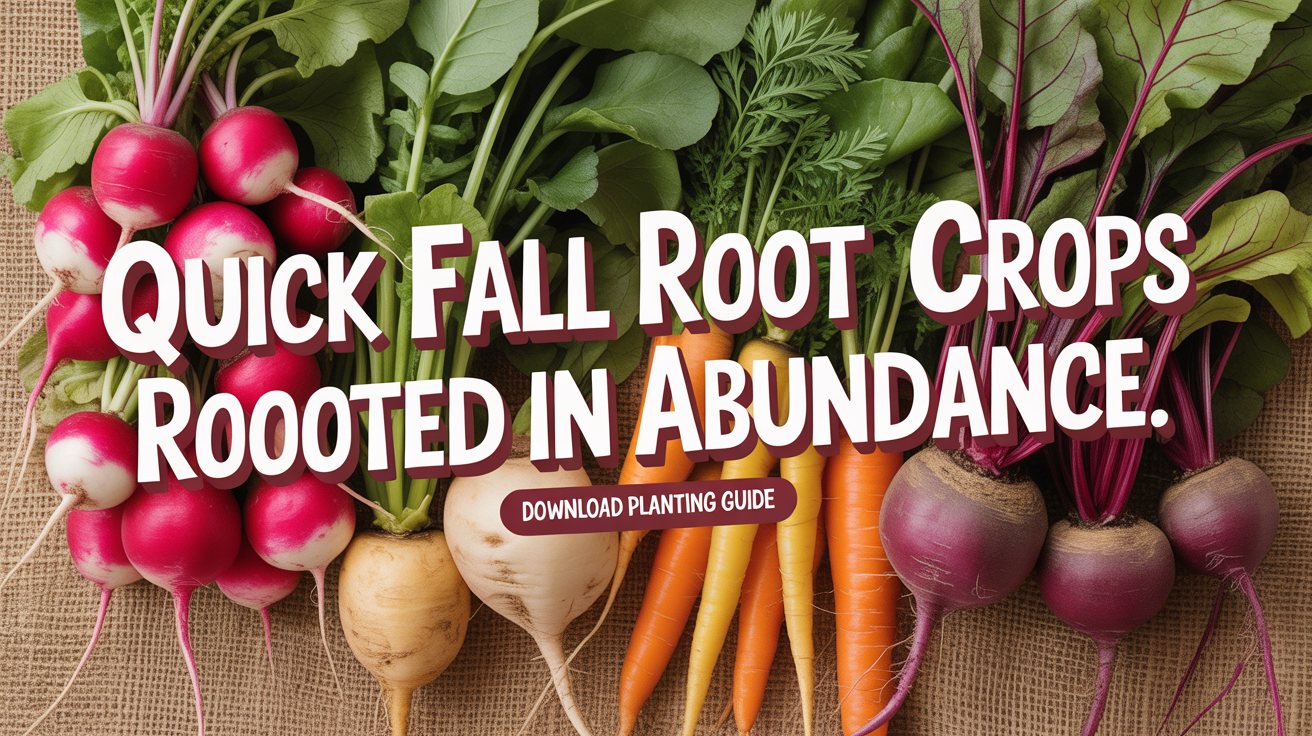
Quick Growing Fall Root Crops: A Season of Second Chances 🥕
Many of us gardeners pack up our tools come late August, convinced the growing season is behind us. But here in Zone 9, where Houston’s heat finally breaks and the soil begins to cool, fall whispers a different story. It offers us a hidden gift: a final chance to sow quick-growing root crops that can be harvested before the rare hard freeze arrives. These humble roots—radishes, turnips, carrots, and beets—remind us that growth doesn’t always take months or years. Sometimes, with the right timing and a faithful hand in the soil, life springs up quickly, bringing nourishment and joy just when we thought the season was winding down.
There’s something deeply encouraging about fall root crops. They echo the biblical truth that “there is a time for everything, and a season for every activity under the heavens” (Ecclesiastes 3:1). Even in the cooling days of autumn, even when summer’s abundance feels exhausted, God provides. These sweet, tender roots teach us that it’s never too late to plant, to hope, to observe the cycle of growth. They keep our hands in the soil and our hearts engaged right into November and beyond.
Free eBook
Rooted in Grace
A Christian guide to intuitive gardening — the whole book, free. Tell me where to send it and it’s yours in a minute.
Why Plant Root Crops in Fall? 🌱
If you’re new to fall gardening in our subtropical zone, you might wonder what makes these crops so special this time of year. The answer lies in the magic of timing, temperature, and the sheer satisfaction of quick results.
Sanda’s Tip: In Zone 9, our “fall” growing season is actually longer than our spring one. While northern gardeners have maybe 6-8 weeks of cool weather, we can plant root crops from mid-August through October and harvest well into December. That’s a gift—use it!
Quick Maturity means you’ll see results fast. Many root crops are ready in 25 to 60 days—a refreshing change from the long wait of spring gardening. There’s a real encouragement in that quick feedback from the soil.
Cool Weather Advantage is perhaps the biggest reason. Root crops actually thrive in cooler soils, and something magical happens when frost touches these plants: their sugars concentrate, their flavors deepen, and their texture becomes sweeter and more tender. A light frost isn’t the enemy—it’s the finale that perfects the flavor.
Space Fillers serve a practical purpose too. If you’ve pulled out spent tomatoes, peppers, or summer squash, those empty beds are perfect for root crops. Don’t leave soil bare; feed it and fill it with purpose.
Storage Potential extends your harvest well beyond the growing season. Root crops store beautifully in a cool basement or garage, giving you fresh vegetables through the winter months when locally-grown options are scarce.
Continued Growth Rhythm keeps you engaged and observant. Fall gardening teaches patience in a different way—not the impatient waiting of spring, but the gentle observation of slow, steady growth as days shorten and temperatures cool.
Step-by-Step: Planting Quick Fall Root Crops 📋
1. Choose the Right Crops for Our Zone
Not all root crops are created equal when it comes to our Houston-area timing. Here are the stars of the fall show, with days to maturity that work beautifully in our Zone 9 climate:
Radishes are the sprinters—25 to 35 days from seed to harvest. They’re perfect for instant gratification and excellent for gardeners who want to see quick results. Plant them every two weeks for continuous harvests.
Turnips mature in 30 to 50 days, and you harvest twice: the roots for storage and eating, and the tender greens for fresh salads. They’re wonderfully adaptable to our fall weather swings.
Carrots typically take 50 to 70 days, but smaller varieties like ‘Thumbelina’ or ‘Paris Market’ mature much faster. These are sweeter when grown in cool weather, and our fall conditions make them sugar-sweet.
Beets offer 45 to 60 days of growth plus dual harvests—tender young roots and nutritious greens. ‘Detroit Dark Red’ and ‘Golden’ both do beautifully in our fall season.
Daikon Radishes take 50 to 60 days but are excellent for winter storage and can be sown as late as mid-October for November harvest. In our climate, they’re also wonderful for soil conditioning if you plan to turn them back into the bed.
2. Prepare the Soil with Care
Healthy root crops begin with healthy soil. Take time to observe your bed before planting. Is the soil compacted from summer heat? Does it still look tired from spring plantings? If so, it’s ready for renewal.
Loosen the soil at least 8 to 10 inches deep—root crops need room to grow straight and true. In our Houston clay, this might mean breaking up hardpan and working in amendments. Remove rocks, sticks, and clumps that might cause forked or misshapen roots.
Add compost—plenty of it. Work in 2 to 3 inches of well-aged compost for nutrients and soil structure. This is crucial in our heavy clay soils. However, avoid fresh manure, which can cause roots to fork or split. Let your compost be well-rotted and broken down.
Smooth and level the surface before sowing seeds. This simple step makes thinning easier later and helps seeds make consistent contact with soil.
Sanda’s Zone 9 Note: If you’re working with heavy clay (which most of us in the suburbs are), consider creating a slightly raised bed or mounding your soil. Fall rains can be unpredictable in Houston—sometimes heavy, sometimes absent. Slightly raised beds prevent waterlogging while allowing good drainage when we need it.
3. Sow Seeds Correctly
Seed depth matters more than most gardeners realize. Most root crops need only ¼ to ½ inch depth—just enough to keep them in contact with soil moisture but not so deep that they struggle to emerge.
Sow thinly, knowing you’ll thin seedlings later. This is tempting to skip, I know, but crowded seedlings become crowded, misshapen roots. It’s better to sow carefully now than to have to choose which tiny plants to sacrifice later.
You have options for planting patterns. Rows work beautifully for carrots and beets, especially if you like the neat, organized look. Radishes and turnips thrive in broadcast blocks—scatter seed over a prepared area, rake gently, and water in. Broadcast planting feels more natural and often produces better results in smaller spaces.
4. Water and Mulch Thoughtfully
Keep soil consistently moist during germination—this is especially critical in fall when Houston rains can be maddeningly irregular. You might get a deluge one week and complete dryness the next. Check soil daily, and water if the top inch feels dry.
Apply a light layer of straw or shredded leaf mulch once seeds have sprouted. Mulch retains moisture, insulates the soil as temperatures drop, and keeps root crops clean as they develop. Don’t mulch until after sprouting, though—too much mulch on freshly sown seeds can prevent emergence.
5. Thin for Success
Once seedlings are 2 to 3 inches tall, it’s time to thin. This feels wasteful, I know, but crowding is the enemy of good roots. Remove excess seedlings to give remaining plants room to develop properly. Spacing depends on the crop: radishes need 2 inches between plants, turnips 4 to 6 inches, carrots 3 to 4 inches, and beets 3 to 4 inches.
Here’s the beautiful part: eat the thinnings! Young radish greens, beet greens, and turnip greens are tender and nutritious—far better than any store-bought salad green. This is one of the true joys of fall gardening: nothing goes to waste.
6. Harvest at the Right Time
Knowing when to harvest is an art, and it requires observation and a gentle touch. Radishes pull when roots are firm and about 1 inch across—don’t wait too long or they become hot and woody. Turnips are sweetest when harvested small, around 2 to 3 inches in diameter. Carrots should be tugged gently when they’ve reached full color and width. Beets are tender and mild when harvested young, before they reach full size. Daikon radishes should be pulled before soil freezes solid, which in our zone means before late December.
| Crop | Days to Maturity | Zone 9 Planting Window | Harvest Size |
|---|---|---|---|
| Radishes | 25–35 days | August–October | 1 inch diameter |
| Turnips | 30–50 days | August–October | 2–3 inches |
| Carrots (small varieties) | 50–70 days | August–September | ½ inch diameter |
| Beets | 45–60 days | August–October | 2–3 inches |
| Daikon Radishes | 50–60 days | August–mid-October | 6–8 inches |
Zone 9 Houston Timing: When to Plant What 🗺
Our timing is different from the rest of the country, and that’s one of the greatest blessings of gardening in Zone 9. While northern gardeners are packing up in September, we’re just getting started.
Mid-August to Early September is when we plant fast-growing radishes and turnips. At this point, summer heat is still intense, but soil is ready for a new crop. These quick crops will be ready by mid-September to
The Gift of Frost: How Cold Perfects the Harvest
There’s a curious magic that happens in our Zone 9 gardens when the first frost touches the leaves of root crops. Many gardeners see frost as an ending, a signal to harvest quickly before damage occurs. But here’s what I’ve learned through years of observing: a light frost—the kind we see in November before any hard freeze—actually improves the taste of root crops dramatically.
When temperatures drop, the plant’s sugars concentrate as a natural antifreeze. Carrots become noticeably sweeter. Turnips lose their peppery bite and turn silky-mild. Beets develop an almost candy-like earthiness. Radishes remain crisp but become less hot and assertive. This is why farmers have long said the best root vegetables come after frost.
In our Houston area, we typically see our first light frosts in late November, sometimes even early December. This timing is perfect—our fall-planted crops are reaching maturity just as these frosts arrive. It’s as if the season itself is designed to reward those who plant in August and September. You’re not racing against frost; you’re collaborating with it. Plant on schedule, tend your beds faithfully through fall, and let the cooling nights do the work of perfecting flavor.
However, there’s a limit to this blessing. A hard freeze—anything below 28°F for several hours—can damage tender roots and make them unsuitable for storage. In Houston, we rarely see hard freezes before late December, which gives us a generous window. But it’s worth knowing: if a hard freeze is predicted, harvest what you can the day before. Cold soil and frozen roots are harder to dig, and frozen tissue can rot quickly once thawed.
Storage and Preservation: Extending the Harvest Through Winter
One of the overlooked gifts of fall root crops is their longevity. Unlike summer tomatoes or peppers that need processing and preserving, root crops store beautifully in their raw state, asking only for cool temperatures and modest humidity.
The ideal storage spot in our climate is a cool basement corner, an unheated garage, or even a cooler kept in a shaded outdoor spot. Temperatures should stay between 32°F and 50°F—cold enough to slow respiration but not so cold that roots freeze. Most Houston homes can achieve this in a basement or garage during December through February.
Before storing, remove all soil gently but thoroughly. Dirt harbors disease and moisture. Let roots air-dry for a few hours after cleaning. Remove any damaged or bruised portions—these spots invite rot. Don’t wash roots; the natural coating protects them. If you’ve left greens attached, remove them completely; greens draw moisture and nutrients from the root and shorten storage life.
Layer roots in wooden crates or boxes with damp (not wet) sand or sawdust. The moisture maintains humidity without creating rot conditions. Separate layers with this material, and check periodically—remove any roots showing soft spots or mold immediately. Under good conditions, most root crops keep for two to four months. Turnips and daikon radishes tend to store longest. Radishes are best eaten within 4 to 6 weeks. Carrots and beets typically store beautifully for 8 to 12 weeks.
This quiet work of storage ties us to an older rhythm of living. Our grandmothers knew root cellars and cool basements as essential pantries. By storing your own harvest, you’re participating in that same ancient practice—preserving the summer’s work into the lean months when fresh, locally-grown food is rare.
Companion Planting and Pest Management in Fall
One of the gentler aspects of fall gardening is the dramatic reduction in pest pressure. The heat-loving insects that plagued us in June and July are mostly gone or dormant. However, fall does bring its own challenges, and thoughtful companion planting can address them naturally.
Plant leafy greens—lettuce, spinach, arugula, mustard—between your root crops. This serves multiple purposes. Greens mature quickly and provide fresh salads while you wait for roots to develop. They also shade soil, keeping it slightly cooler and more consistent in moisture. In our erratic fall weather, this can prevent root crops from bolting or splitting from uneven watering.
Herbs like cilantro, dill, and parsley attract beneficial insects while repelling some of the few pests that remain active in fall. Flea beetles occasionally trouble young turnip and radish seedlings, but they’re far less aggressive in cool weather. If you see small holes in leaves, a sprinkle of food-grade diatomaceous earth or a neem oil spray handles them gently. Most years, fall root crops need almost no pest intervention—another blessing of this season.
One thing to watch in our Houston area is fungal issues from humidity and unexpected warm spells. If you notice any powdery coating or leaf spots, improve air circulation by thinning more aggressively, and avoid overhead watering in late afternoon. Water at the soil level in early morning instead. Our fall weather is unpredictable; staying observant and responsive prevents most problems before they start.
There’s a deeper rhythm to this dance of observation and gentle response. As we watch for pests, adjust watering
🛒 Shop This Post
Fall root crops are the fastest reward in a Zone 9 garden. This is the short list that gets you from seed to harvest before the holidays.
- Seed Needs Root Vegetable Variety Pack Radish, carrot, beet and turnip in one order, which is exactly how a fall succession works.
- Cherry Belle Radish Seeds Ready in under a month. The crop that convinces you fall gardening is worth it.
- R&M Organics Compost Root crops fork and split in compacted soil. Loose, rich beds are the whole game.
- HealthiStraw Garden Straw A light layer after sprouting keeps moisture even and the shoulders from greening.
- Fiskars Pruning Snips Snip thinnings at soil level so you do not disturb the roots you are keeping.
- XLUX Soil Moisture Meter Uneven water is what cracks radishes and makes carrots woody.
These are Amazon affiliate links. If you buy through them I earn a small commission at no extra cost to you — and I only link gear I actually use in my own Zone 9 garden.
Ready to Go Deeper in the Garden?
If this article resonated with you, you might be ready for something more than tips.
- Download the FREE Rooted in Grace eBook
- Get the Rooted in Grace Print Book on Amazon
- Join Rooted Reset
- Follow on Instagram – @southernsoils
- Save on Pinterest – @southernsoilsunshine
- Join on Facebook – Southern Soil Sunshine
“The garden is not just a place to grow plants – it is a place to grow yourself.”
Free eBook
Before you go — the book is yours
Rooted in Grace: A Christian Guide to Intuitive Gardening. No cost, no catch. Read it on any device, at whatever pace the season allows.