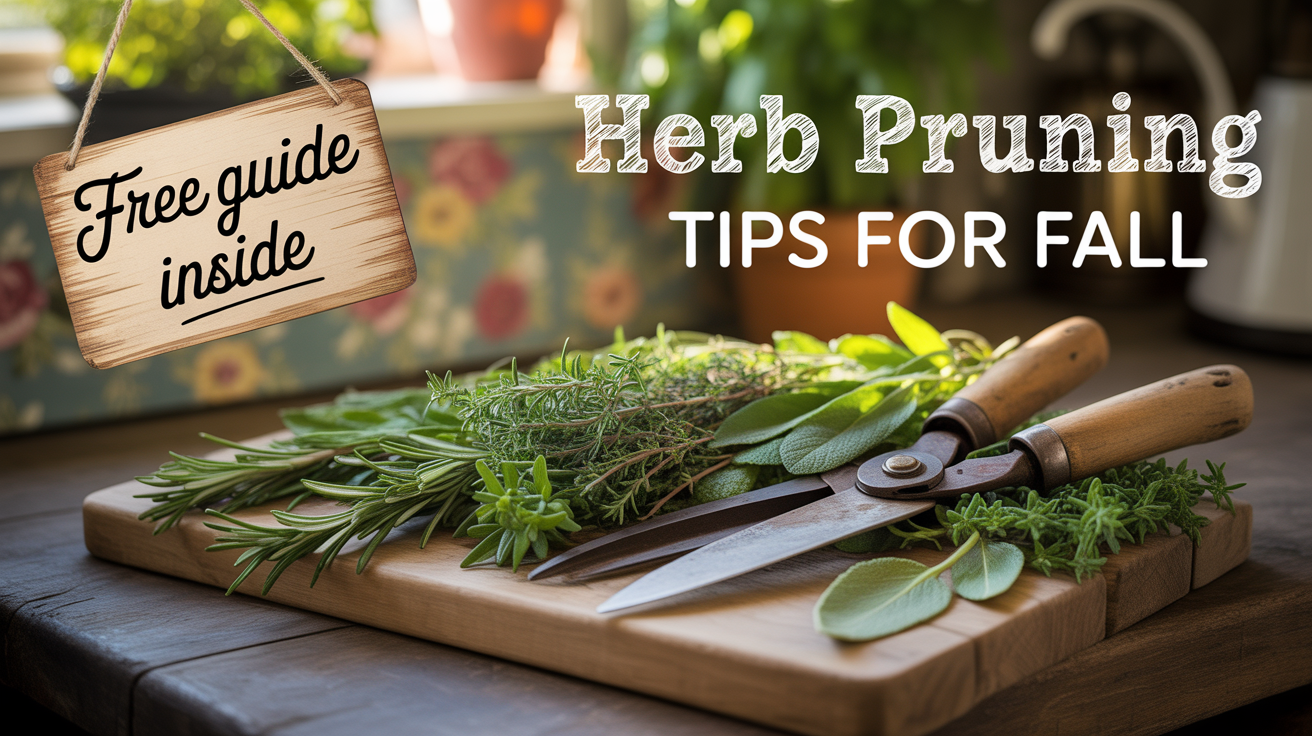
Herb Pruning Tips for Fall
A Gentle Start: The Gift of Fall Herb Pruning 🌿
There’s something deeply satisfying about walking into the herb bed on a crisp Houston fall morning—well, crisp by our standards, anyway—shears in hand, and snipping away what no longer needs to stay. It feels both practical and symbolic.
Pruning in fall is not about taking from the plant. It’s about giving. We give it shape, breathing room, and the chance to rest well so it can rise strong again next season. Here in Zone 9, where our growing season stretches long and our summers are intense, fall pruning becomes a sacred pause—a moment to prepare our herbs for the transition ahead.
Spiritually, pruning reminds us of the gentle, purposeful work of God in our lives. “Every branch that does bear fruit He prunes, that it may bear more fruit” (John 15:2). Cutting back doesn’t mean cutting off. It means preparing for abundance. When we prune faithfully, we’re not just gardening—we’re practicing trust that what remains will grow stronger.
Free eBook
Rooted in Grace
A Christian guide to intuitive gardening — the whole book, free. Tell me where to send it and it’s yours in a minute.
Why Prune Herbs in Fall? 🌱
Here in our Texas garden, fall pruning carries particular weight. Our herbs have worked hard through the scorching summer months, and as temperatures finally begin to soften in September and October, they deserve intentional care. Pruning herbs before winter sets in—and yes, we do experience mild winters here in the suburbs—gives both plant and gardener long-term benefits.
Sanda’s Tip: In Zone 9 Houston, we don’t think of “winter” the way northern gardeners do. Our “dormancy” is gentler, and many of our herbs will surprise us by producing right through mild spells. Pruning in October and early November gives plants time to settle before any rare hard freezes.
When we prune purposefully, we encourage healthy regrowth by preventing those woody stems and legginess that plague perennials left unpruned. We extend harvests—keeping herbs productive later into the season when fresh herbs become precious. We prepare our plants for rest, reducing the stress that comes from carrying too much foliage into uncertain weather. We reduce disease pressure by removing damaged or diseased stems that harbor pests and fungal issues in our humid climate. And we support flavor and vigor, ensuring tender, flavorful growth when spring arrives.
Think of fall pruning as a gift to your future self. You’ll step into spring with herbs that are already poised for growth, ready to give you abundance before the next heat wave rolls in.
The Intuitive Gardening Approach to Herb Pruning 💚
As we work through our herb beds, the intuitive gardening framework guides us: we observe, we reflect, and we respond faithfully. Let’s walk through what that looks like in practice.
Observe: What Your Herbs Are Telling You
Before you pick up those shears, spend time with each plant. Walk around it. Look closely. What does it need? Has summer heat left it sparse and stressed? Is it a tangled mess of growth? Are there dead stems mixed in with the green? In Houston’s humidity, sometimes we find fungal damage or pest pressure hidden in dense foliage. Observing helps us respond with wisdom rather than impulse.
Reflect: Understanding Your Herb’s Personality
Different herbs have different natures. Some are aggressive spreaders. Some are delicate. Some are forgiving of hard pruning; others will simply give up if you cut too hard. Reflection means knowing your herbs before you prune them. It means honoring what they are rather than forcing them into what you want them to be.
Respond Faithfully: Pruning With Purpose
Once you’ve observed and reflected, you can respond with intention. This isn’t random snipping. This is thoughtful, purposeful work that respects the plant’s nature while stewarding it toward health.
Step-by-Step: How to Prune Herbs in Fall 📋
Gather Your Tools
Pruning is more efficient—and more enjoyable—with the right setup. Before you head to your herb bed, make sure you have clean, sharp pruning shears or scissors. Dull blades tear the stem instead of cutting cleanly, and torn stems are an invitation to disease in our warm, moist climate. Grab gloves for prickly herbs like rosemary or oregano. Bring along a basket or jar for cuttings you’ll dry, freeze, or preserve—waste nothing! And have mulch or straw ready to protect freshly pruned plants, especially as we move toward our cooler months.
Learn Herb-Specific Approaches
Not all herbs are pruned the same way. Each has its own personality, and Zone 9 presents unique considerations. Here’s how to handle the herbs most of us grow in our Houston gardens.
Tender Annual Herbs 🌿
Basil, Dill, Cilantro: These herbs won’t survive our rare hard freezes. Harvest them fully before your first frost—and in Houston, that’s typically late November or even early December. Dry leaves, make herb salts, blend them into compound butters, or freeze pesto cubes to savor them all winter long. Basil, especially, is worth harvesting heavily; don’t let fear of pruning stop you from filling your freezer with this summer treasure.
Parsley: A biennial that will likely overwinter in our zone with protection. Trim leaves regularly throughout fall, but leave enough growth to support root reserves for spring regrowth. By December, cut back the remaining foliage and mulch the crown. You’ll be amazed when fresh parsley emerges in February.
Woody Perennial Herbs 🌿
Rosemary, Thyme, Sage, Oregano: These Mediterranean herbs are our champions here. Lightly prune in fall to remove dead stems and shape plants, but here’s the critical part: avoid cutting into old, woody stems. They won’t regrow, and you’ll create permanent bare patches. Instead, focus on green, flexible growth. If your rosemary has gotten leggy over the summer heat, aggressive pruning of new green growth now will encourage bushiness by spring.
Lavender: Remove faded blooms and shape gently in fall, but don’t prune hard in fall. Unlike northern gardeners, we have the luxury of waiting until early spring (February in Houston) to do serious lavender pruning. This prevents winter damage and gives us a more controlled shape heading into spring blooms.
Semi-Perennial & Herbaceous Perennials 🌿
Mint & Lemon Balm: Cut back by two-thirds before any hard frost. These spread aggressively—they’re the friends who mean well but never know when to leave—so fall pruning keeps them in check and prevents them from taking over neighboring plants. Mulch crowns heavily for winter protection, especially if you’re in the more exposed parts of our area.
Chives: After frost kills foliage (if it does—ours are persistent!), cut stems down to 2 inches above the soil and mulch generously. They’ll return strong and abundant in spring, ready to grace your omelets and salads.
Tarragon: After frost kills foliage, cut stems to ground level and mulch deeply. French tarragon especially appreciates this protection, and good mulch can mean the difference between successful overwintering and losing the plant entirely.
Sanda’s Zone 9 Note: Houston’s humidity and occasional freezes create unique challenges. Don’t mulch so heavily that you create a wet pocket around the crown—this invites rot. Use 2-3 inches of straw or shredded leaves, and leave the crown itself slightly exposed. Mulch acts as insulation, not a blanket that traps moisture.
Follow the One-Third Rule
Here’s the golden rule that will save you from heartbreak: never prune more than one-third of the plant’s growth at one time. This isn’t arbitrary. It’s rooted in how plants actually work. When you remove one-third of the foliage, the plant retains enough leaf surface to feed itself while directing energy toward healing and new growth. Remove more than that, and you stress the plant. In our heat, stressed plants are vulnerable plants.
If you’ve ever gotten overzealous with pruning basil in summer and watched the plant droop and sulk, you know why this rule matters. Patience with pruning is patience with the plant’s own rhythm.
Prune at the Right Time for Zone 9
Timing is everything. In Houston, we have a window that northern gardeners don’t: we can be more flexible. Early to mid-fall—that’s September through early October—is ideal for shaping woody herbs and harvesting tender ones. This gives woody perennials time to harden off before winter. By mid-October, shift focus to harvesting tender annuals heavily, because our first frost can come anytime from late October onward (though it’s often mid-to-late November).
| Herb Type | Pruning Timing | Zone 9 Specifics |
| Basil, Dill, Cilantro | Before first frost | Harvest heavily by late October; first frost typically Nov-Dec |
| Rosemary, Thyme, Sage, Oregano | Early-mid fall, light pruning | Can prune again in Feb if needed; very cold hardy |
| Lavender | Light deadheading only in fall | Save heavy pruning for Feb; susceptible to rot in our humidity |
| Mint, Lemon Balm | Cut back 2/3 before frost | Mulch well; aggressive spreaders that appreciate containment |
| Parsley | Regular harvest through fall, cut back by Dec | Likely to overwinter; mulch crown for extra protection |
| Tarragon, Chives | After frost kills foliage | Cut to ground, mulch well; mulch is essential for overwintering |
Practical Wisdom for Houston Gardeners 💡
Living in Zone 9, we have advantages and challenges that gard
Understanding Houston’s Unique Fall Window 🌞
Here’s what makes our fall pruning different from northern gardens: we don’t experience the sharp, urgent deadline they do. When a Minnesota gardener looks at September, they’re counting down to a hard freeze that’s coming in weeks. We’re looking at a gentler transition. Our first frost might not arrive until November, or even early December in some years. This extended window is a gift—it means we can prune more deliberately, observe how plants respond, and adjust our approach as the season unfolds.
But this gift comes with a quirk. Our fall weather is unpredictable. You might prune in September during 85-degree days when the humidity is still punishing, then suddenly—after a cold front sweeps through—overnight temperatures drop into the 40s. This volatility means freshly pruned herbs can experience real shock. That’s why we suggest pruning on the gentler side during early fall: remove only what’s obviously dead or diseased, then reassess in October when weather patterns have settled into something closer to predictable. Your herbs will thank you for the cautious approach.
The Hidden Blessing of Humidity-Conscious Pruning
Ask any Houston gardener about fungal issues, and you’ll hear stories. Our humidity—that thick, persistent moisture that wraps around us even in fall—is beautiful for growing things, but it’s also an invitation to mildew, rust, and root rot. When we prune, we’re not just shaping plants; we’re managing air circulation and moisture management.
Here’s what that means in practice: when you remove interior growth, dense tangles, or damaged foliage from herbs like basil, sage, or oregano, you’re literally allowing air to move through the plant. That airflow dries morning dew faster, reduces the window where fungal spores can germinate, and keeps the plant healthier heading into winter. This is especially critical for our perennial herbs—they’ll be with us for years, and preventing disease now prevents bigger problems down the road.
We also recommend being thoughtful about what you do with prunings. Don’t leave them scattered on the ground around the plant base. Gather them up, use what you’ll dry or preserve, and compost or dispose of the rest—especially anything that looked diseased. Dead leaves on moist soil are a fungal nightclub.
Seasonal Extension: How Pruning Affects Your Harvest Timeline
One of the sneakier benefits of thoughtful fall pruning is how it extends your herb availability. When you prune in September and early October, you’re actually encouraging a flush of new growth that becomes harvestable in late October and November—exactly when fresh herbs become precious because most things are slowing down. A lightly pruned basil plant will often produce a second wave of tender new leaves before the first killing frost. Cilantro, which bolts quickly in heat, will often produce fresh leaves through November if you’ve given it room to breathe and recover from summer stress.
Mint and parsley are especially generous this way. When you cut them back in fall, they respond with vigorous new growth that you can actually harvest through mild December days. This is the zone where intuitive gardening really shines—you’re working with the plant’s own rhythm, reading what it’s offering you, and responding with gratitude rather than demanding it follow a schedule.
Sanda’s Garden Wisdom: After you prune, spend a few days just watching. How does the plant respond? Does new growth emerge within a week? Does it look stressed or energized? These observations become your personal field guide. Every garden is different, every microclimate is unique, and your notes become invaluable for next year’s pruning decisions.
There’s something quietly profound about tending herbs in fall. We’re not rushing toward something; we’re honoring what’s been and preparing what’s next. When we prune with intention—observing the plant’s nature, reflecting on its needs, responding with care—we’re participating in the kind of gentle, purposeful work that shapes not just gardens but our own hearts. It’s work that teaches us about release and trust, about knowing when to cut back so something can flourish. In the quiet of an autumn morning, shears in hand, we’re learning the same lesson these herbs are: that seasons of rest aren’t endings—they’re invitations to become more of who we’re meant to be.
Ready to Go Deeper in the Garden?
If this article resonated with you, you might be ready for something more than tips.
- Download the FREE Rooted in Grace eBook
- Get the Rooted in Grace Print Book on Amazon
- Join Rooted Reset
- Follow on Instagram – @southernsoils
- Save on Pinterest – @southernsoilsunshine
- Join on Facebook – Southern Soil Sunshine
“The garden is not just a place to grow plants – it is a place to grow yourself.”
Free eBook
Before you go — the book is yours
Rooted in Grace: A Christian Guide to Intuitive Gardening. No cost, no catch. Read it on any device, at whatever pace the season allows.