Essential October Garden Checklist: Prepare for a Flourishing Spring
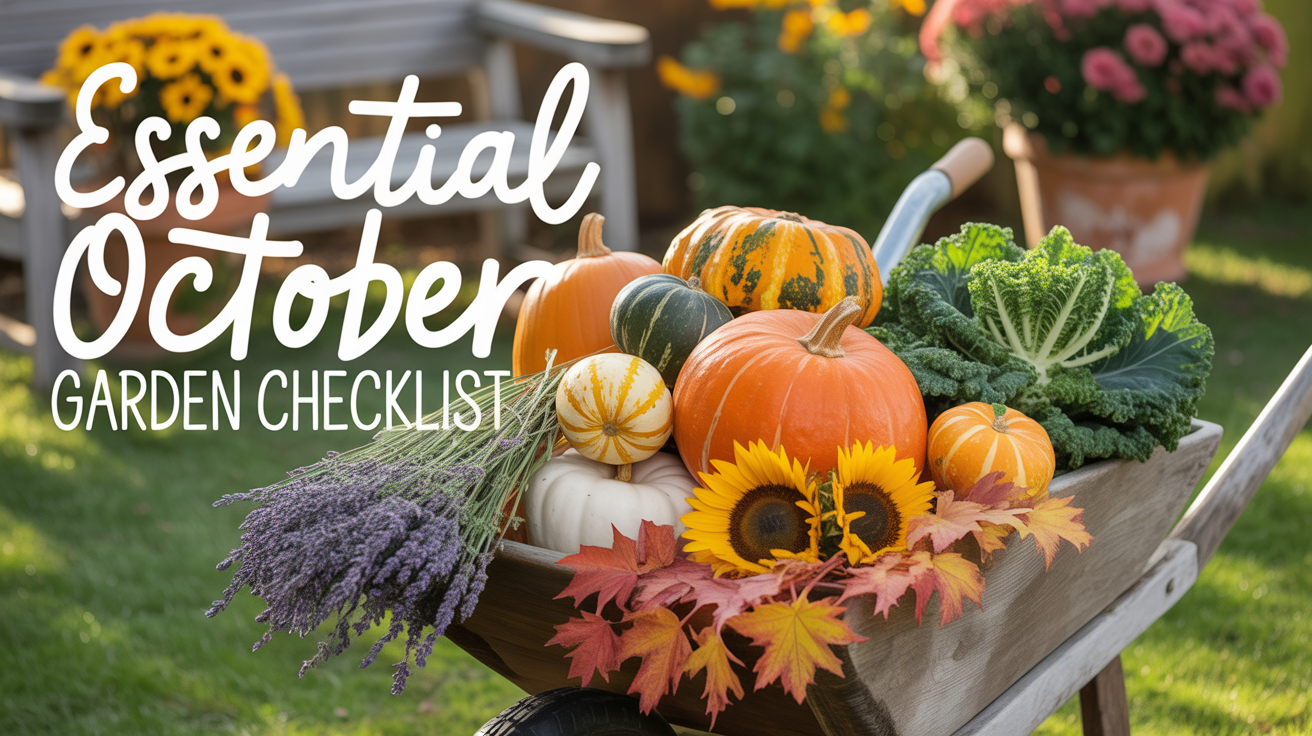
Essential October Garden Checklist: Prepare for a Flourishing Spring 🌸
October is one of my favorite months in the garden. The light softens, the air cools, and even the soil seems to sigh in relief after the long, relentless Houston summer. The rush of planting and harvesting eases, and what remains is the gentle work of tending, gathering, and preparing for rest. There’s a grace to it—a quieter rhythm that feels like coming home.
Over the years, I’ve noticed something true: when I give attention to my garden in October, spring comes so much smoother. Beds are ready, tools are clean, soil is nourished, and I feel peace heading into the winter months. But when I skip October’s care, I find myself scrambling come March, frustrated by tangled messes, rusted tools, and forgotten lessons. It’s as if I’m trying to garden with one hand tied behind my back.
This checklist isn’t about perfection—it’s about preparation. Think of it as tucking your garden in for its winter rest, just as you might cover a child with a quilt before bedtime. A simple, grace-filled act of care. In our Zone 9 Houston gardens, where October is finally the beginning of our real growing season, these steps also prepare us for the abundance ahead. 💚
Free eBook
Rooted in Grace
A Christian guide to intuitive gardening — the whole book, free. Tell me where to send it and it’s yours in a minute.
Why October Garden Care Matters 🌱
October’s tasks might seem small, but they carry weight in ways that will surprise you come spring. Consider what happens when you invest just a few hours now:
Prepares Beds for Rest: Soil covered and nourished now will be easier to work and richer next spring. In Houston’s heavy clay, this matters tremendously—October amendments have time to settle and integrate before our spring rush begins.
Protects Plants from Frost: Early steps like row covers or mulching can extend your harvest and save tender crops. Our first hard freeze typically arrives in late November or December, but preparation in October means you’re ready.
Preserves Abundance: Gathering seeds, herbs, and late harvests ensures nothing is wasted. It’s both practical and spiritual—honoring the garden’s gifts.
Fosters Reflection: Writing and recording lessons this month helps you start next season wiser, not just busier. I keep a simple garden journal beside my kitchen table for jotting notes while having coffee. The patterns emerge over time.
Brings Peace: A tidy, prepared garden mirrors the soul’s need for closure and rest. There’s something deeply settling about knowing your space is ready, whatever the season brings.
Sanda’s Zone 9 Note: Think of October as a bridge. One foot in the lingering warmth of summer (we can still hit 85°F on some October afternoons!), one foot in the coming dormancy of winter. It’s a month of transition, and transitions are holy ground. For us in Houston, October is also when we transition into our prime growing season—our October work sets up November through April for success.
The October Garden Wrap-Up: Step by Step 📝
Step 1: Harvest What Remains 🍅
Start with gratitude, not hurry. Walk through your garden and pick the last warm-season crops: tomatoes, peppers, beans, and cucumbers. Many will finish ripening indoors if picked green—place them in a paper bag on a kitchen windowsill, and they’ll mature beautifully. This isn’t waste; it’s wisdom.
Dig root crops like carrots, beets, and sweet potatoes while the soil is still workable. After our hot, dry summers, October soil can be hard-packed, so water the bed the day before if needed. These roots store beautifully in a cool spot and provide nourishment through the winter months.
Snip herbs such as oregano, thyme, sage, and rosemary for drying. In Houston’s humid climate, hang bundles upside down in a cool, well-ventilated space—a garage, shed, or even a screened porch works well. A dehydrator is ideal if you have one. These dried herbs will flavor your winter cooking and remind you of summer’s abundance.
Gather flowers for drying too. Marigolds for natural dyes, calendula for healing salves, zinnias for cheerful winter arrangements. Don’t underestimate how much joy a dried flower arrangement brings during January gray days.
Sanda’s Tip: If you’re short on time, do a “glean walk” through your garden. Grab a basket and pick everything edible or usable in one sweep. Make it a meditation, not a chore. Notice what you’re leaving behind and what you’re bringing in. Gratitude grows naturally this way.
Step 2: Save Seeds 🌾
This is where gardening becomes prayer. Saving seeds connects you to thousands of gardeners before you and thousands to come. Collect seeds from open-pollinated crops like beans, peppers, tomatoes, and cucumbers. These varieties will grow true to type next year—the plant you loved will produce a plant just like itself.
Snip seed heads from flowers such as marigolds, sunflowers, cosmos, and zinnias. In Houston’s zone, many of these self-seed anyway, but intentionally saving them gives you control and abundance. Dry thoroughly on a tray in a warm, dry place for at least a week before storing.
Use paper envelopes (never plastic—seeds need to breathe) and label each one clearly: variety name, date harvested, and a note on how that plant performed. Did it thrive in the heat? Struggle with humidity? These notes become your personal gardening wisdom.
Sanda’s Garden Wisdom: As you save seeds, jot down what those plants taught you this year. Maybe the peppers thrived in August heat while the cucumbers finally gave up. Maybe the cosmos self-seeded everywhere and brought you unexpected joy. Saving seeds becomes a practice of remembrance and gratitude—these notes will guide you next spring.
Step 3: Clear Spent Plants Thoughtfully 🌿
Now comes the clearing work. Pull out plants that are diseased or heavily infested—these go in the trash, not the compost. Diseased material doesn’t always heat up enough in a home pile to kill pathogens, and Houston’s humidity can spread problems.
Chop healthy plants and add them to the compost pile. Large tomato vines or sunflower stalks can be cut into manageable pieces with pruners or a mower. They’ll break down faster this way and feed next year’s soil.
Leave the roots of beans, peas, and clover in the ground—they’re nitrogen-fixers, and as they decompose, they add free nitrogen and organic matter to your soil. This is nature’s own fertilizer program. In clay-heavy Houston soil, this organic matter is liquid gold.
Sanda’s Tip: Instead of pulling everything down to bare ground, consider leaving a few flower stalks standing—especially those seed heads you saved from. Birds and pollinators appreciate the seeds and shelter in the lean months ahead. A slightly wild corner of your garden is often the healthiest corner.
Step 4: Refresh Your Beds with Amendments 🌍
October is the ideal time to add compost, aged manure, and organic matter to your beds. In Houston’s heavy clay, this step is essential—organic matter opens up the soil, improves drainage, and creates the loose, crumbly texture plants love.
Spread 2-3 inches of quality compost across your beds. You can plant directly into it, or let it settle for a few weeks before planting fall/winter crops. If you have space, plant a cover crop like winter rye or clover. These nitrogen-fixers will grow all winter and can be turned in come spring, adding even more organic matter and nutrients to your soil.
In Houston, our soil is often acidic. If your beds need it, October is when to add lime—it needs months to work its way in before spring planting. A soil test from your local extension office takes the guesswork out. It costs about $10 and tells you exactly what your soil needs.
⚠️ Sanda’s Zone 9 Note: Don’t till or deeply dig your October beds if you can avoid it. Heavy tilling disrupts soil structure and brings dormant weed seeds to the surface. Instead, layer amendments on top like lasagna gardening. Let earthworms and microorganisms do the work for you over the next few months. Your soil will thank you come spring.
Step 5: Plant Your Fall/Winter Garden 🥬
Here’s where October gets exciting for us in Zone 9! While northern gardeners are tucking everything in, we’re planting. October is the beginning of our prime growing season. Cool-season crops love our temperatures now.
Plant lettuce, spinach, kale, broccoli, cabbage, Brussels sprouts, carrots, beets, and radishes. These will grow steadily through the mild Houston winter and produce abundantly. Many can be harvested from November through March.
Succession planting works beautifully now—plant lettuce seeds every two weeks through November, and you’ll have fresh greens from December through February. Start transplants under shade cloth in early October, then move them to full sun once August’s brutal heat has passed.
Step 6: Clean and Tend Your Tools 🔧
This might sound small, but clean tools make a difference. Rinse off soil and rust from spades, hoes, and pruners. If tools are rusty, a quick scrub with steel wool and a light coat of oil keeps them protected through winter.
Drain and store hoses, irrigation lines, and watering wands before the rare chance of hard frost. A frozen hose can crack and become unusable. Clean pots and trays, stack them neatly, and store in a dry place. An organized tool shed sets you up for calm springtime gardening instead of frantic searching.
Sanda’s Tip: Keep a simple checklist of where everything lives—tools in the shed, seeds in the cool closet, pots stacked by the garage. When spring arrives and you’re eager to plant, you won’t waste energy hunting. Preparation is a gift you give to your future self.
Houston-Specific October Tasks: What’s Different for Us 🌞
Our Houston gardening calendar looks different than most, and October is where that difference shows up beautifully. While gardeners up north are finishing their growing season, we’re just getting started.
| Task | Timing for Zone 9 Houston | Why It Matters |
| Finish Summer Crops | Early October (before mid-month) | Heat still lingers; tomatoes and peppers will quit setting fruit by late October |
| Save Seeds | Throughout October, as heads and pods dry | Open-pollinated beans, peppers and tomatoes grow true to type next year |
| Clear Spent Plants | Mid-October | Diseased material goes in the trash, not the compost; Houston humidity spreads problems fast |
| Refresh Beds with Amendments | Mid to late October | Two to three inches of compost opens up our heavy clay before winter |
| Plant Fall and Winter Garden | All month, sowing every two weeks | October begins our prime season; harvests run November through March |
| Clean and Tend Tools | Late October | Soil and rust left on blades over winter is what ruins them |
The October Soil Awakening: Why Our Timing Is Different 🌱
Here in Zone 9 Houston, October soil behaves differently than northern gardens. While their soil is cooling toward dormancy, ours is transitioning into its most receptive season. After the long summer heat, our clay-heavy earth finally becomes workable again—not concrete-hard, but pliable enough to amend and plant without fighting.
This is the month when soil microorganisms wake up. Through August and September, the intense heat has put them in survival mode. But as temperatures drop into the 70s and 80s (which feel almost cool to us!), biological activity increases. This matters tremendously. When you add compost or amendments in October, those microbes are actually present to break them down and make nutrients available for your November and December plantings. Add the same amendments in August, and they’ll sit largely dormant until November anyway.
Our Houston clay also has a particular relationship with October rains. Early October often brings the tail end of hurricane season moisture, which softens the soil beautifully. If you’re planning to dig beds or work in amendments, timing it just after one of these rains makes the work so much easier and less compacting. The soil forgives us a little more readily in October.
⚠️ Sanda’s Garden Wisdom: Don’t let anyone else’s garden calendar rush you. If a gardening magazine suggests planting garlic in September, check your local frost dates first. For most of Houston, mid-October to early November is the true window for garlic planting. Our first frost typically comes in late November or December, giving garlic plenty of time to establish roots before dormancy. Planting too early in our heat means wasted seed.
October Transitions: Moving Plants in for Winter Protection 🏡
If you’re growing tender perennials, tropical plants, or anything you overwinter indoors, October is when the work begins. This isn’t about panic—it’s about gentle transition. Plants moved suddenly from outdoor heat to indoor air can struggle. Instead, think of October as acclimation month.
Move tender plants like hibiscus, mandevilla, bougainvillea, and any tropical herbs to a sheltered spot on your patio or near the house wall in mid-October. Let them experience cooler nights and less intense sun for a few weeks. Then, as November approaches and overnight temperatures dip toward the 50s, bring them inside to a bright window. This gradual shift helps them transition without dropping leaves or experiencing shock.
For houseplants that summered outdoors (which we often do in Houston to give them better light and air movement), October is also when to bring them in before they become stressed. Check them thoroughly for spider mites, scale, and other pests—the last thing you want is to bring indoor pest problems into your house. A quick spray with insecticidal soap and a few days drying outdoors solves this beautifully.
Container plants often need fresh soil before being moved inside for winter. If a plant has been sitting in the same pot all summer, October is a good time for a refresh. Gently loosen the root ball, add fresh potting mix, and water in well. This gives the plant renewed vigor for the indoor months ahead.
October Garden Journaling: Recording the Season’s Lessons 📖
One of the most underrated October tasks is simply sitting down with a notebook and reflecting on what the year taught you. Not in a perfectionist way, but in a witnessing way. What grew that surprised you? What failed, and what might you try differently? Where did you find unexpected joy in the garden?
I keep a simple garden journal—nothing fancy, just a notebook where I jot variety names, planting dates, and what the weather did that week. Come January, when I am planning the spring beds, those few scribbled lines are worth more to me than anything I could look up.
That is really what October asks of us. Not a perfect garden and not a finished list, but attention: the willingness to notice what happened here and to put the beds to rest with care.
Some years I get through every step on this list. Some years I get through three, and the rest waits until November. Both years, spring still comes. The garden has never once required my perfection in order to grow.
So walk out there this week. Pick what is left. Save a few seeds. Spread compost as far as you can reach. Then stand still for a minute in that softer October light and let the season do what it does, quietly and underground, without needing your help at all.
🛒 Shop This Post
Here is what actually earns its place in my October beds and on my potting bench here in Zone 9.
- Fiskars bypass pruners Cuts spent tomato vines and sunflower stalks into pieces the compost pile can actually break down.
- Bagged organic compost The two to three inches that opens up Houston clay before winter.
- Lettuce seed collection For the every-two-weeks sowing that carries greens from December into February.
- Paper seed envelopes Plain kraft paper, no plastic, so saved seed can breathe in storage.
- 40 percent shade cloth Softens the early October sun while fall transplants settle in.
- Lightweight row cover Goes on fast when a front drops in and buys tender crops a few more weeks.
- Indoor potting mix Fresh mix for the container plants coming in off the patio for winter.
- Insecticidal soap spray The spray-and-dry step before houseplants come indoors, so pests stay outside.
These are Amazon affiliate links. If you buy through them I earn a small commission at no extra cost to you, and I only link gear I actually use in my own Zone 9 garden.
Ready to Go Deeper in the Garden?
If this article resonated with you, you might be ready for something more than tips.
- Download the FREE Rooted in Grace eBook
- Get the Rooted in Grace Print Book on Amazon
- Join Rooted Reset
- Follow on Instagram – @southernsoils
- Save on Pinterest – @southernsoilsunshine
- Join on Facebook – Southern Soil Sunshine
“The garden is not just a place to grow plants – it is a place to grow yourself.”
Free eBook
Before you go — the book is yours
Rooted in Grace: A Christian Guide to Intuitive Gardening. No cost, no catch. Read it on any device, at whatever pace the season allows.