June Garden Planning for Zone 9: What to Plant Next & How to Stay Ahead of the Heat
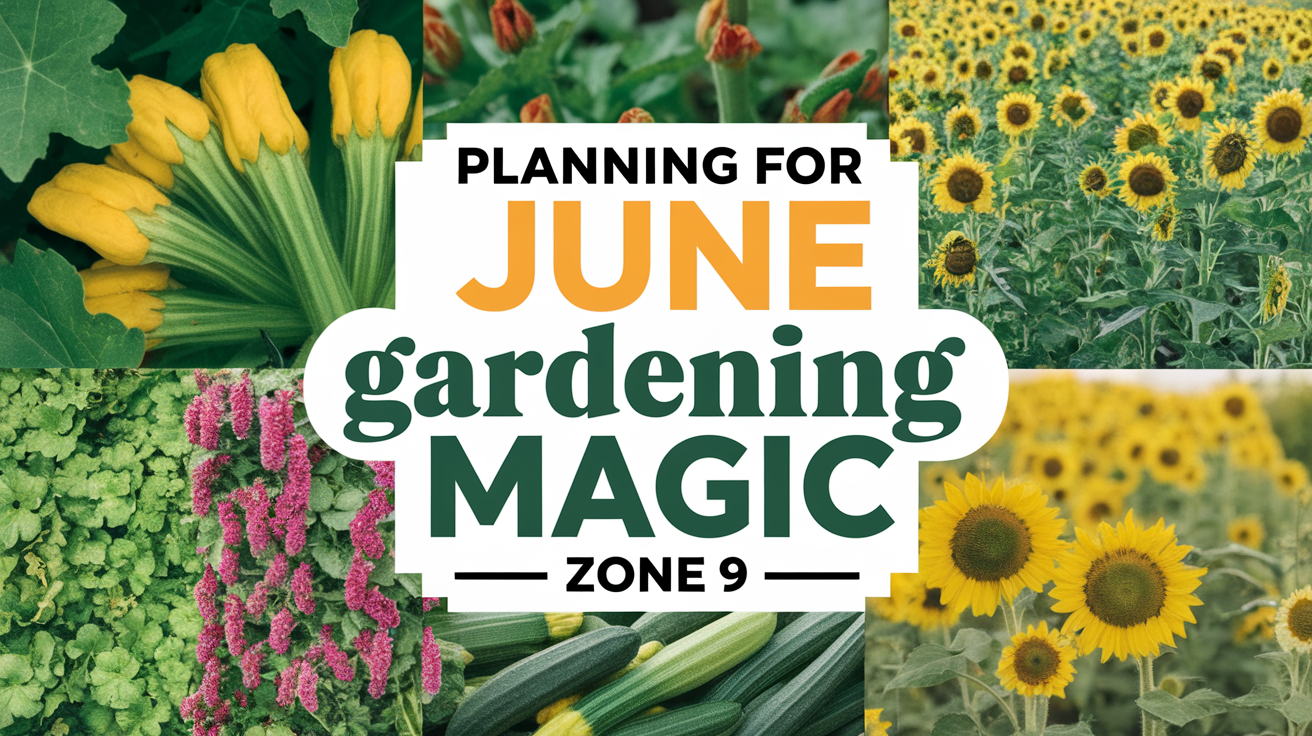
June Garden Planning for Zone 9: What to Plant Next & How to Stay Ahead of the Heat
As we wrap up May and step into June, the garden feels like it’s in full swing—but also, like it’s entering a new chapter. The spring blooms and first harvests of lettuce and sugar snap peas are winding down, and the tomatoes, okra, and squash are ready to steal the show. If you’ve been tending your garden with intention these past few months, you’re probably feeling that shift in the air: the heat is no longer creeping in—it’s here. 🌡️
This is the gardening moment where many of us feel the gentle nudge to pause, observe what’s working, and adjust our approach. If you’ve been following the rhythms of intentional gardening—slow prep in winter, momentum through spring—you know that June isn’t the time to panic. It’s the time to shift gears thoughtfully.
June is a turning point in the Zone 9 garden. Our Houston heat doesn’t ease up; it intensifies. That means our gardening strategy needs to match the season. This month is about supporting what’s already growing, planting what thrives in heat, and making small, faithful adjustments so we’re not caught off guard by rising temps, pests, or fading crops. The goal? Keep showing up for 15 minutes a day, check in with your plants, and help them (and you) thrive through the long summer ahead. 🌿
The June Gardening Rhythm: Observe what thrived in spring. Reflect on what you’d like to grow more of. Respond by planting heat-lovers, strengthening your watering systems, and giving extra attention to established crops. This isn’t about grand gestures—it’s about daily presence.
Free eBook
Rooted in Grace
A Christian guide to intuitive gardening — the whole book, free. Tell me where to send it and it’s yours in a minute.
🌿 What to Plant in June in Zone 9
June is prime time to plant crops that actually love our Houston heat. While many gardeners in cooler zones are winding down, we’re just getting started with our summer succession. Here’s what thrives when the thermometer climbs:
Heat-Loving Greens for Continuous Harvest
Yes, you can grow greens in June—just not the spring lettuce. Instead, reach for heat-tolerant varieties that actually prefer warm soil. Malabar spinach is a vining green that loves heat and humidity; plant it where it can climb a trellis for afternoon shade benefit. Amaranth greens are incredibly nutritious and thrive when other greens bolt. New Zealand spinach is another heat warrior that will produce tender leaves all summer long. These aren’t traditional spinaches, but they fill that role beautifully when heat arrives. Plant seeds directly into warm soil, keep the soil consistently moist as seedlings establish, and you’ll be harvesting within 3-4 weeks. 🥬
Succession Planting for Summer Harvests
June is when we plant for continuous summer harvests. If your spring zucchini and squash plants are still producing, add a few new plants now for peak production through July and early August. Same goes for okra, cucumbers, and bush beans—all heat-lovers that reward consistent planting with abundant yields. Basil planted in June will grow lustily through August; try Thai basil, lemon basil, or African blue basil for variety and extended season. Purslane, often dismissed as a weed, is actually a delicious and supremely heat-tolerant herb that thrives in June and produces succulent leaves for months. 🌱
Start Fall Crops Indoors Now
I know it sounds backward—planting fall crops in the heat of June—but this is where Zone 9 gardening gets interesting. To have pumpkins and winter squash ready for harvest in October and November, you need to start seeds indoors in June. They’ll germinate in warm indoor conditions, and you’ll transplant seedlings out in mid-July when you have space freed up from spring crops. This timing ensures they mature before our first frost (usually mid-November in the Houston area). Mark your calendar: late June is the sweet spot for starting these indoors. 🎃
Flowers for Pollinators & Summer Shade
Don’t forget the pollinators and the beauty that draws us outdoors even in heat. Sunflowers planted in June will bloom in late July and August, providing both cut flowers and seeds for fall wildlife. Zinnias, cosmos, and marigolds are heat-loving annuals that appreciate June planting and reward you with blooms until frost. Plant them where they can offer afternoon shade to more delicate crops, and their bright colors will keep your garden feeling alive even as the heat builds. 🌼
| Crop | Plant in June? | Planting Method | Days to Harvest | Zone 9 Notes |
|---|---|---|---|---|
| Okra | ✓ Yes | Direct seed | 50-65 | Heat lover; plant through mid-July |
| Malabar Spinach | ✓ Yes | Direct seed or transplant | 60-70 (for mature leaves) | Vining; needs trellis; humidity-tolerant |
| Cucumbers | ✓ Yes (succession) | Direct seed or transplant | 50-70 | Plant early June for July harvest |
| Bush Beans | ✓ Yes | Direct seed | 50-60 | Plant every 2-3 weeks for continuous harvest |
| Pumpkin/Winter Squash | Start indoors | Indoor seed start, transplant mid-July | 90-110 | Late June start ensures Oct/Nov harvest |
| Basil (Thai, Lemon) | ✓ Yes | Direct seed or transplant | 60-80 (for full plants) | Loves heat; pinch regularly for bushiness |
| Zinnias | ✓ Yes | Direct seed or transplant | 60-70 | Direct seed in warm soil; blooms July-frost |
💧 Smart Strategies for Gardening in the Heat
Planting is only half the battle. The real work in June is how we support what’s growing. Here’s where that 15-minutes-a-day habit becomes absolutely essential:
Water Deeply & Early
Early morning watering—ideally before 8 a.m.—is non-negotiable in June. Water deeply so moisture reaches the root zone, rather than frequent shallow sprinkles that evaporate quickly. A drip irrigation system or soaker hose is worth its weight in gold; if you’re hand-watering, invest in a watering wand so you can reach under the foliage. Tomatoes, peppers, and squash in full production need consistent moisture; inconsistent watering causes blossom-end rot, split fruit, and stressed plants that attract pests. Check soil moisture 2-3 inches deep; if it’s dry, water until the soil is moist through the root zone. ☀️
Mulch Heavily
This is the month to refresh your mulch. A 3-4 inch layer of compost, shredded leaves, or straw keeps soil cool, retains moisture, and suppresses weeds. In Houston’s heat and humidity, organic mulch breaks down faster, so plan to add fresh mulch every 4-6 weeks through summer. As you add mulch, keep it 2-3 inches away from plant stems to prevent rot and pest habitat. Heavy mulch is your partner in the heat—it’s doing half the work of keeping your plants stable. 🌾
Add Shade Cloth for Sensitive Crops
If you’re still growing lettuce, spinach, or other spring greens, or if you have newly transplanted seedlings, 30-50% shade cloth draped on the south and west sides of beds can be a lifesaver. Tomatoes and peppers can handle full sun, but above 95°F consistently, even heat-lovers benefit from afternoon shade. Some gardeners use tall sunflowers or okra as living shade for more delicate crops—a beautiful and practical solution. 🛡️
Watch for Heat Stress: Wilting during midday doesn’t always mean drought. Check soil moisture before watering again. If soil is moist but plants wilt,
The Midsummer Pest & Disease Shift
June’s heat and humidity create a perfect storm for pests and fungal issues—spider mites, whiteflies, powdery mildew, and early blight thrive when nights stay warm and leaves stay wet. This is when your daily garden check-in becomes truly valuable. Spend those 15 minutes walking through, looking under leaves, checking stem joints, observing any yellowing or spotting. Caught early, many issues resolve with strong water spray (to remove pests), pruning lower affected leaves, or improving air circulation. In our Houston humidity, never water foliage in evening; always water soil at the base in early morning. If you spot powdery mildew on squash or zucchini leaves, resist the urge to panic—spray affected leaves with a 1:1 mixture of milk and water, or use sulfur dust if organic. The key is catching it before it spreads to the whole plant. Sanda’s Zone 9 Note: Our June nights rarely dip below 70°F, so fungal spores have zero dormancy period; vigilance really does matter.
Managing Energy & Expectation in Peak Heat
By mid-June, many of us feel a bit of gardening fatigue setting in. The initial spring excitement has shifted into maintenance mode, and the heat makes outdoor work feel heavier. This is actually the perfect time to remember that sustainable gardening isn’t about doing more—it’s about doing what matters. If you’ve built good soil, added mulch, set up efficient watering, and planted heat-lovers, your garden will largely take care of itself. June is the month to let go of perfection. Your tomato leaves will have some yellowing; your okra might have a few spider mites; your basil might look a little stressed. This is normal. This is real. Focus your energy on the plants that are thriving and producing, and let the marginal performers teach you what to plant differently next year. A garden that feeds you with 80% effort is better than an overworked gardener with a 100% perfect garden. Our bodies and spirits need rest, especially in summer heat.
Water Wisdom: Building Your System Through the Season
If you haven’t yet set up dedicated watering infrastructure, June is the month to invest in it—not necessarily money, but attention and intention. Hand-watering every morning becomes unsustainable by July and August, and inconsistent watering is one of the biggest sources of crop failure and frustration. Consider these options: a soaker hose on a timer (even a $15 battery-operated timer can water while you sleep or work), a drip irrigation setup along your beds, or even a simple rain barrel system that you fill and let gravity feed through soaker lines. In the Houston heat, consistency beats intensity. A plant that receives 1 inch of steady, deep water three times weekly will outperform one that gets 2 inches of sporadic hand-watering. If you’re renting or prefer flexibility, a quality soaker hose that you can move with your plantings is affordable and effective. This isn’t luxury—it’s gardening wisdom earned through experience. Sanda’s Garden Wisdom: Once you’ve watered deeply and your system is set, you’ll find your daily garden check-in becomes less about doing and more about observing. You’ll notice which plants are thriving, which are ready to harvest, which pests need attention. This shift from labor to presence is where the real gift of gardening unfolds.
Sanda’s Tip: Test your soil moisture at 3-4 inches deep by inserting a screwdriver or soil probe. If it slides in easily, you’re good. If it’s hard and compacted, water. This simple habit takes 10 seconds and replaces guesswork with confidence. Do this three times weekly through June and July, and you’ll develop an intuition for your garden’s actual needs—not what you think it needs.
There’s something deeply formative about gardening through a season that asks everything of us. June’s heat is relentless, uncompromising, real—and it mirrors the stretches of life where we must show up even when conditions are difficult, even when the old ways don’t work anymore. The gardener who thrives in June isn’t the one with the most perfect plants; it’s the one who adjusts expectations, builds systems that don’t require heroic effort, and finds presence in the simple act of checking soil, adjusting mulch, and watching what actually grows. This is the same wisdom we need everywhere: observe what’s true, release what’s not working, and respond with intention rather than panic. Your June garden isn’t asking you to be perfect. It’s asking you to show up, pay attention, and trust that faithful, small actions sustained over time create abundance. That’s the invitation, every single season. 🌿
Ready to Go Deeper in the Garden?
If this article resonated with you, you might be ready for something more than tips.
- Download the FREE Rooted in Grace eBook
- Get the Rooted in Grace Print Book on Amazon
- Join Rooted Reset
- Follow on Instagram – @southernsoils
- Save on Pinterest – @southernsoilsunshine
- Join on Facebook – Southern Soil Sunshine
“The garden is not just a place to grow plants – it is a place to grow yourself.”
Free eBook
Before you go — the book is yours
Rooted in Grace: A Christian Guide to Intuitive Gardening. No cost, no catch. Read it on any device, at whatever pace the season allows.