
Easy Homemade Herbed Cream Cheese Spread Recipe – Fresh Garden Flavors in 10 Minutes
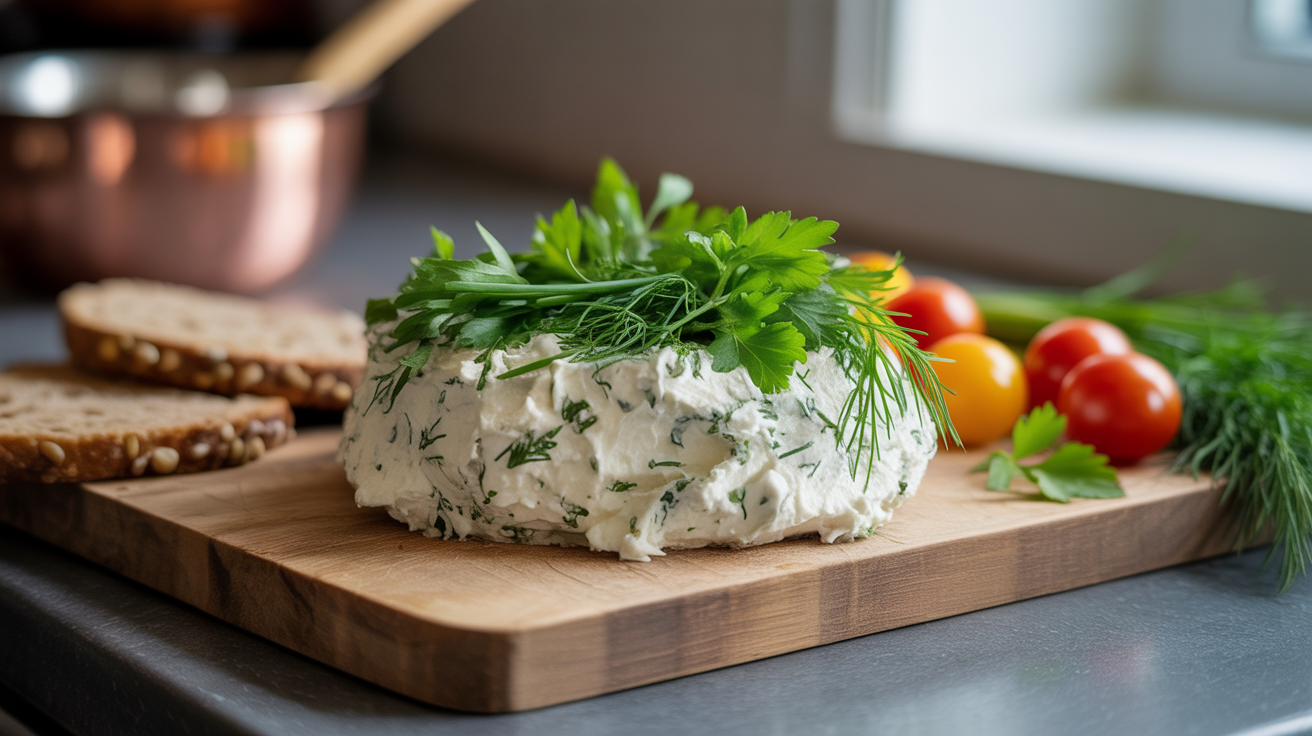
🌿🧀When herbs are tumbling over the edge of the garden beds and the morning air hints at fall gatherings, I love to bring their freshness into something simple yet special. This herbed cream cheese spread is one of those recipes that turns everyday bread, crackers, or garden veggies into something memorable. It’s quick to stir together, keeps well in the fridge, and feels like a little blessing of flavor on the table.
Why You’ll Love This Recipe 💛
- Quick & easy — ready in 10 minutes, no cooking needed
- Flexible — use whatever herbs are in your garden 🌱
- Make-ahead friendly for parties, lunches, or snacks
- Lovely with bread, crackers, or fresh-cut vegetables
Free eBook
Rooted in Grace
A Christian guide to intuitive gardening — the whole book, free. Tell me where to send it and it’s yours in a minute.
Quick Reference Snapshot 📋
- Prep: 10 minutes
- Cook: 0 minutes
- Total: 10 minutes
- Yield: 1½ cups (serves 8)
- Skill: Easy
- Equipment: Mixing bowl, spatula, hand mixer (optional)
- Dietary: Vegetarian, gluten-free (if paired with GF crackers/veg)
Ingredients 🌿
(US + metric; swaps noted)
- 8 oz cream cheese, softened (225 g)
- ½ cup plain Greek yogurt (120 g) (swap: sour cream or more cream cheese)
- 2 tbsp fresh parsley, finely chopped (8 g)
- 1 tbsp fresh chives, finely chopped (4 g)
- 1 tbsp fresh dill, finely chopped (4 g) (swap: basil, thyme, or tarragon)
- 1 small garlic clove, minced (or ¼ tsp garlic powder)
- ½ tsp fine sea salt (3 g)
- ¼ tsp black pepper (1 g)
- Zest of ½ lemon + 2 tsp lemon juice (10 mL) 🍋
Optional Garnish:
- Extra chopped herbs 🌿
- Drizzle of olive oil (1 tsp / 5 mL)
- Pinch of smoked paprika or chili flakes 🌶️
Seasonal Swaps 🔄
- Summer: Use basil + mint for a bright, cooling spread.
- Fall: Swap dill for thyme or sage for a cozier flavor.
- Winter: Add a pinch of dried rosemary when fresh herbs are scarce.
- Spring: Chives and parsley shine as the first green sprigs.
From My Garden 🌿
Chives are always faithful in my beds, even when the rest of the garden shifts with the seasons. Dill and parsley often pop up generously, giving me plenty for this spread.
A free gift
Rooted in Grace
The free eBook behind everything here — intuitive gardening for Christian women who want to tend a garden and let it tend them back.
Step-by-Step Instructions 👩🍳
Prepare
- Place softened cream cheese in a medium mixing bowl. Add Greek yogurt and lemon juice.
- Beat with a spatula or hand mixer until smooth and creamy.
Mix
- Stir in parsley, chives, dill, garlic, lemon zest, salt, and pepper. Adjust seasonings to taste.
Finish
- Transfer to a serving bowl. Garnish with extra herbs, a drizzle of olive oil, and paprika if desired.
Serving & Pairing Suggestions 🍽️
- Spread on toasted sourdough or warm bagels 🥯
- Serve with crackers and fresh vegetable sticks for gatherings 🥕🥒
- Dollop onto baked potatoes or grilled chicken for extra flavor
- Use as a sandwich spread instead of mayo
Storage & Make-Ahead 🥡
- Store in an airtight container in the fridge for up to 5 days.
- Flavor improves after 1–2 hours as the herbs mingle.
- Stir before serving if liquid separates slightly.
Final Thoughts ✨
Even in the small act of stirring herbs into cream cheese, there’s joy in seeing how God multiplies simple gifts. May your table be seasoned with gratitude, and may every bite remind you of His goodness in the everyday. 💛
Community & Connection 🤝
- Instagram — Daily garden moments & behind-the-scenes; tag your dish so I can cheer you on! 🌿📸
- Subscribe — Fresh recipes, seasonal tips, and printable freebies delivered weekly. ✉️🍂
- Join FB Group — Ask questions, swap ideas, and share what’s growing with a kind, garden-loving community. 🌱🫶
Favorites from My Kitchen to Yours 🛒
Some of these links are affiliate links. That simply means if you decide to order, I may receive a small commission at no extra cost to you. Thank you for supporting Southern Soil Sunshine—it helps me keep sharing recipes from my kitchen and garden with you. 💛
- Mixing bowls with lids (perfect for storing spreads)
- Hand mixer (for creamy texture)
- Citrus zester 🍋
- Chef’s knife + cutting board 🔪
- Small serving bowls + spreader knives
Related on Southern Soil Sunshine 🌻
- Garden Fresh Herb Butter
- Tangy Pickled Radishes & Turnips
- Cheesy Spinach and Artichoke Dip Casserole

Easy Homemade Herbed Cream Cheese Spread
Ingredients
- 8 oz cream cheese one package, softened
- 1/2 cup fresh basil leaves loosely packed
- 2 Tbsp fresh mint leaves loosely packed
- 2 Tbsp fresh dill fronds loosely packed
- 2 Tbsp fresh chives finely chopped
- Zest and juice of 1/2 lemon
- 1/4 tsp sea salt
- Pinch of black pepper
- Optional: 1/2 clove garlic minced very fine
Instructions
- Gently rinse the fresh herbs and pat them dry with a clean kitchen towel.
- In a food processor or blender, combine the basil, mint, and most of the dill with the softened cream cheese. Pulse gently — you want visible flecks of green throughout, not a smooth paste.
- Zest the lemon directly into the mixture and squeeze in about 1/2 tsp juice. Add the chives and pulse once or twice more. Taste and adjust the salt and lemon.
- By hand, fold in the remaining dill fronds, and the garlic if using. Adjust the seasoning one final time.
- Spoon into a serving bowl or jar and let sit at room temperature for 10 minutes so the flavors marry. Serve with crackers, bread, or fresh vegetables.
Related reading
Free eBook
Before you go — the book is yours
Rooted in Grace: A Christian Guide to Intuitive Gardening. No cost, no catch. Read it on any device, at whatever pace the season allows.



One Comment