Top-Dressing Beds with Organic Compost in Fall
Some of the links on this website are affiliate links, which means that if you make a purchase through these links, I may earn a small commission at no additional cost to you. As an Amazon Associate, I earn from qualifying purchases. I only recommend products I genuinely trust and believe will bring value to my readers. Also, some of the content was created with strategic use of AI tools. For more information, please visit the Privacy Policy page. Thank you for supporting my blog and helping me continue to provide valuable content.
🌾A Gentle Start: Layering on Care
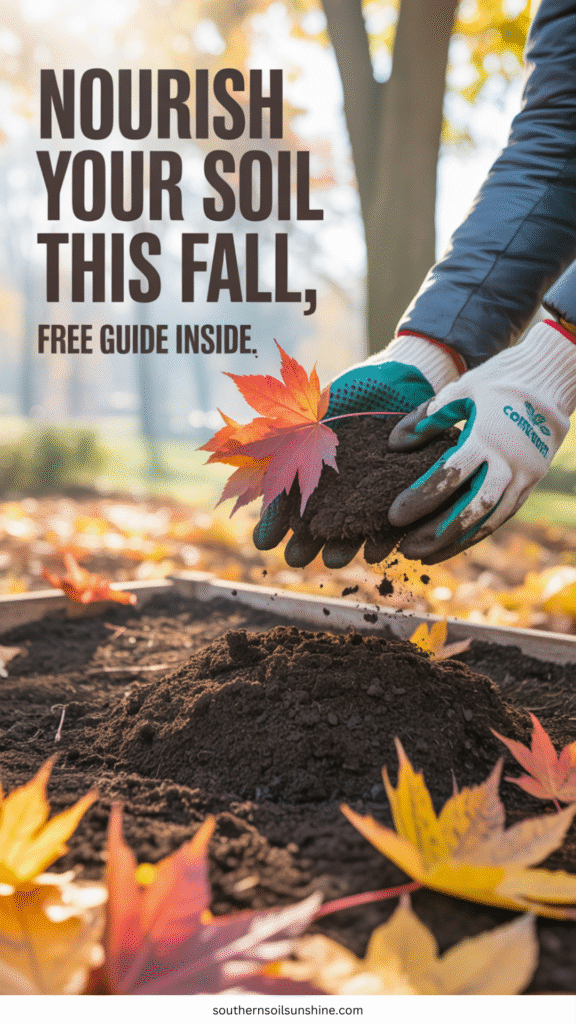
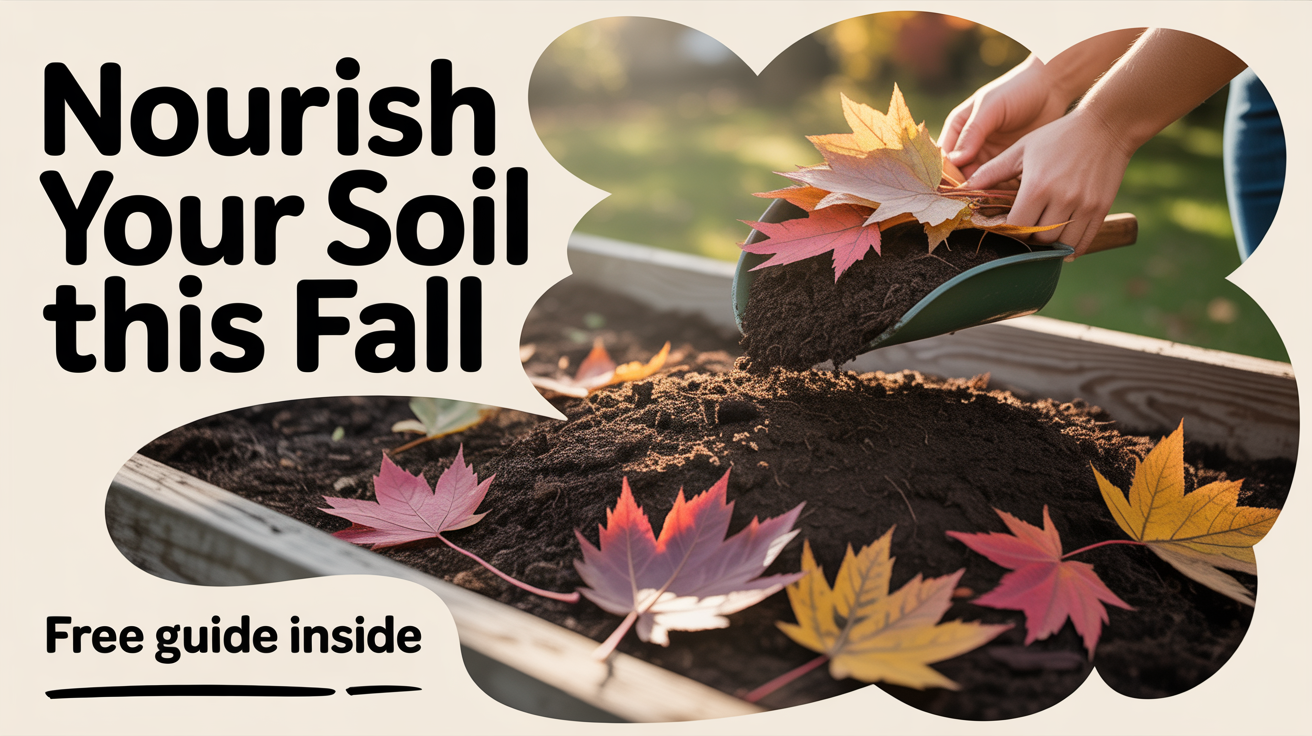
There’s a quiet satisfaction in covering a bed with rich, dark compost—like tucking the soil in with a nourishing blanket before winter’s rest.
Top-dressing in fall isn’t flashy. It’s a slow, steady investment. We’re not feeding plants directly so much as we’re feeding the life beneath the surface—microbes, earthworms, fungi—all the unseen partners in our garden’s health.
It’s also an act of trust. We may not see immediate results, but come spring, the soil will tell the story of what we gave it in these cooler months.
🌱 Why Top-Dress in Fall?
- Feeds Soil Life Through Winter – Beneficial microbes remain active in many climates, breaking down organic matter into plant-available nutrients.
- Improves Structure – Loosens clay, adds body to sandy soils, and boosts loam’s balance.
- Reduces Erosion – A cover of compost shields the surface from wind and rain damage.
- Enhances Moisture Retention – Organic matter holds water for future crops.
- Prepares Beds for Spring – Nutrients are in place, saving time during busy planting season.
📋 Step-by-Step: Top-Dressing in Fall
1. Choose Quality Compost
Look for:
- Dark, crumbly texture
- Earthy smell
- Even decomposition (no recognizable food scraps)
- Weed-free and finished (no heating when handled)
Organic compost sources:
- Home compost piles
- Local municipal compost
- Organic-certified bulk compost suppliers
- Worm castings mixed into compost for extra microbial boost
2. Prepare the Bed
- Remove weeds and plant debris.
- If fall crops are still growing, you can top-dress around them.
- For empty beds, rake the surface smooth before applying compost.
3. Apply the Compost Layer
- Standard depth: 1–2 inches for most garden beds.
- For poor soils: up to 3 inches, but avoid smothering young plants.
- Spread evenly over the surface using a shovel and rake.
4. Decide Whether to Work It In
- No-dig approach: Leave compost on top for microbes and worms to incorporate naturally.
- Light incorporation: Mix gently into the top 2 inches for quicker nutrient availability.
5. Water Lightly
Moisture helps compost settle and begin interacting with soil life. Avoid overwatering in cool weather.
6. Mulch if Needed
In harsher climates, a mulch layer over compost helps retain warmth and protect from erosion.
🗺 Zone-Specific Fall Top-Dressing Tips
Zones 9–10
- Apply in late fall or even winter to avoid nutrient leaching from heavy rains.
- Use lighter layers for beds with active crops.
Zones 7–8
- Ideal time: mid-to-late fall after major harvests.
- Cover compost with mulch to protect against early frosts.
Zones 5–6
- Apply early to mid-fall while soil is still workable.
- Consider covering with row fabric to prevent washout from winter precipitation.
🌿 Compost Types and When to Use Them
- Plant-Based Compost – Balanced nutrients, good for most crops.
- Manure-Based Compost – Higher nitrogen; best for leafy greens, but ensure fully composted to avoid burning.
- Mushroom Compost – Gentle nutrient profile, excellent for improving structure.
- Leaf Mold – High in organic matter, low in nutrients; best combined with other compost types.
🛠 Tools for Easy Top-Dressing
- Garden cart or wheelbarrow
- Flat shovel or compost fork
- Rake for spreading
- Gloves to protect hands
- Mulch fork for large volumes
🧪 Signs of Successful Top-Dressing
- Rich, earthy smell in spring
- Increased worm activity
- Looser, crumbly soil texture
- Stronger, more vibrant plant growth
📝 Journal Prompt
What investments am I making now—seen or unseen—that will bear fruit in the next season? How can I “top-dress” my life with nourishment that will prepare me for future growth?
✨ Grace Note
Top-dressing in fall is a reminder that the most important work is often invisible for a season. We enrich the soil now, trusting God to bring life in His time.
“The kingdom of God is as if a man should scatter seed on the ground. He sleeps and rises night and day, and the seed sprouts and grows; he knows not how.” – Mark 4:26–27
🪴 Final Thoughts
In fall, the garden invites us to shift from urgent growth to steady preparation. Top-dressing with organic compost is part of that rhythm—quiet, restorative, deeply effective.
When spring comes, the beds we tended now will respond with abundance, and we’ll remember that what happens beneath the surface shapes everything we see above it.
🌿 Related Garden Wisdom
- How to Know if Your Soil Needs a Boost
- Using Worm Castings in Fall Gardens
- Best Mulching Practices for Cooler Weather
📄 Printable Resource
Download the Fall Compost Top-Dressing Guide — application rates, compost type breakdown, and seasonal timing tips.
🎧 Listen to the Podcast!
Tune into The Rooted In Grace Podcast for faith-filled garden encouragement.
📘Rooted in Grace: The eBook
Feeling scattered or unsure about what to plant, when, or how to keep it all alive?
Grab Rooted in Grace—your soulful companion for gardening through every season.
This eBook will walk you through the rhythms of intuitive gardening, spiritual reflection, and simple seasonal wins.
💌Want More Grace in Your Inbox?
Sign up here to start growing with grace! Next?
- Exclusive download Monthly garden to-do lists
- Early access to podcast episodes & products
- Weekly encouragement