Weed Control for Autumn Beds (Zones 8–10)
Some of the links on this website are affiliate links, which means that if you make a purchase through these links, I may earn a small commission at no additional cost to you. As an Amazon Associate, I earn from qualifying purchases. I only recommend products I genuinely trust and believe will bring value to my readers. Also, some of the content was created with strategic use of AI tools. For more information, please visit the Privacy Policy page. Thank you for supporting my blog and helping me continue to provide valuable content. Gardening is more than growing food—it's where God grows us. If you're hungry for a faith that feels grounded again, I wrote a book for you. Download my free eBook: Rooted in Grace: A Christian Guide to Intuitive Gardening
By the time the cicadas quiet down and the sun shifts just a little lower in the sky, I’m ready to exhale… and also to ignore the nutgrass that’s still waving at me like an uninvited guest. 😅 But here’s the truth I’ve learned (the sweaty way): the weeds you ignore in autumn are the ones that come roaring back in spring — with cousins.
Autumn weeding isn’t about perfection. It’s about clearing space for what’s next. Little acts now = a quieter, happier spring. Let’s do the faithful work, one bed at a time.
Grace note: pulling weeds is less “guilt about mess” and more “making room for good things.”
What Weeds Are Whispering (Soil Clues) 🕵️♀️
Weeds aren’t just freeloaders — they’re messengers. If we listen, they’ll point to what our soil needs.
- Dandelion ➜ compaction and thin organic matter
- Purslane ➜ damp spots / overwatering
- Clover ➜ low nitrogen, thin fertility
- Nutgrass (sedge) ➜ drainage issues, disturbed soil
- Chickweed & Henbit ➜ cool, moist, fertile patches; open bare areas
Practical Strategies for Autumn Weed Management
Weeds respond best to a layered, intentional approach. No single strategy solves everything, but the combination is powerful.
1. Hand-Pulling and Hoeing
Sometimes the old ways are still the best. Pulling weeds after rain—or a deep watering—makes removal easier, roots and all. A sharp hoe used regularly is also a gardener’s quiet companion. Ten minutes every other day often beats two hours once a month.
2. Mulching with Autumn’s Abundance
Leaves, pine needles, and straw are free gifts this time of year. Spread mulch 2–3 inches deep to suppress weeds and regulate soil moisture. Over time, the mulch breaks down into compost, feeding the soil while keeping weeds in check.
Tip: Don’t pile mulch against plant stems. Give everything a little breathing room.
3. Solarization and Sheet Mulching
If a bed is empty, lay down a clear plastic sheet for 4–6 weeks of sunny autumn weather. Solarization heats the soil, killing weed seeds and pathogens. For a gentler option, layer cardboard and compost (sheet mulching) to smother weeds while improving fertility.
👉 Related: Solarizing Your Soil: A Summer Reset for Fall Success
4. Cover Crops for Smothering and Enriching
Instead of leaving soil bare, plant rye, vetch, or crimson clover. These green blankets outcompete weeds, fix nitrogen, and protect the soil through winter. Come spring, you’ll have a living mulch to cut down and turn under.
👉 Related: Crop Rotation Ideas for Backyard Gardens
5. Vinegar and Targeted Sprays
For pathways or edges, a 20% vinegar solution works as a natural herbicide. Use sparingly—it’s non-selective and will damage crops if it drifts.
Your 10-Minute “Weed Walk” Routine 🌤️
- Mon/Wed/Fri: quick hoe pass in open areas + pull anything flowering.
- After rain: hand-pull carpets of chickweed/henbit while roots are loose.
- Weekly: check edges and pathways — they’re your first line of defense.
- Monthly: top up thin mulch spots (don’t bury stems).
If a bed will rest till spring, don’t leave it bare. Smother or plant a cover crop. For a deeper reset, see Solarizing a Garden Bed the Natural Way (great when you can give it sunny weeks).
Planting Around Weeds (So They Don’t Win) 🧑🏽🌾
- Garlic & onions love a clean, mulched bed. If you’re tucking onions soon, peek at How to Grow Bunching Onions in Zone 9 for fall timing & spacing.
- Planning fall layouts? Pair cleanup with your map: How to Make a Garden Plan for October + How to Create a Fall Garden Layout That Lasts to place crops, walkways, and mulch paths wisely.
- Still clearing summer beds? I wrote about leaving roots for soil life in Clearing Out Summer Beds Without Losing Your Soil — great companion to weed work.
Troubleshooting by Weed Type 🧰
|
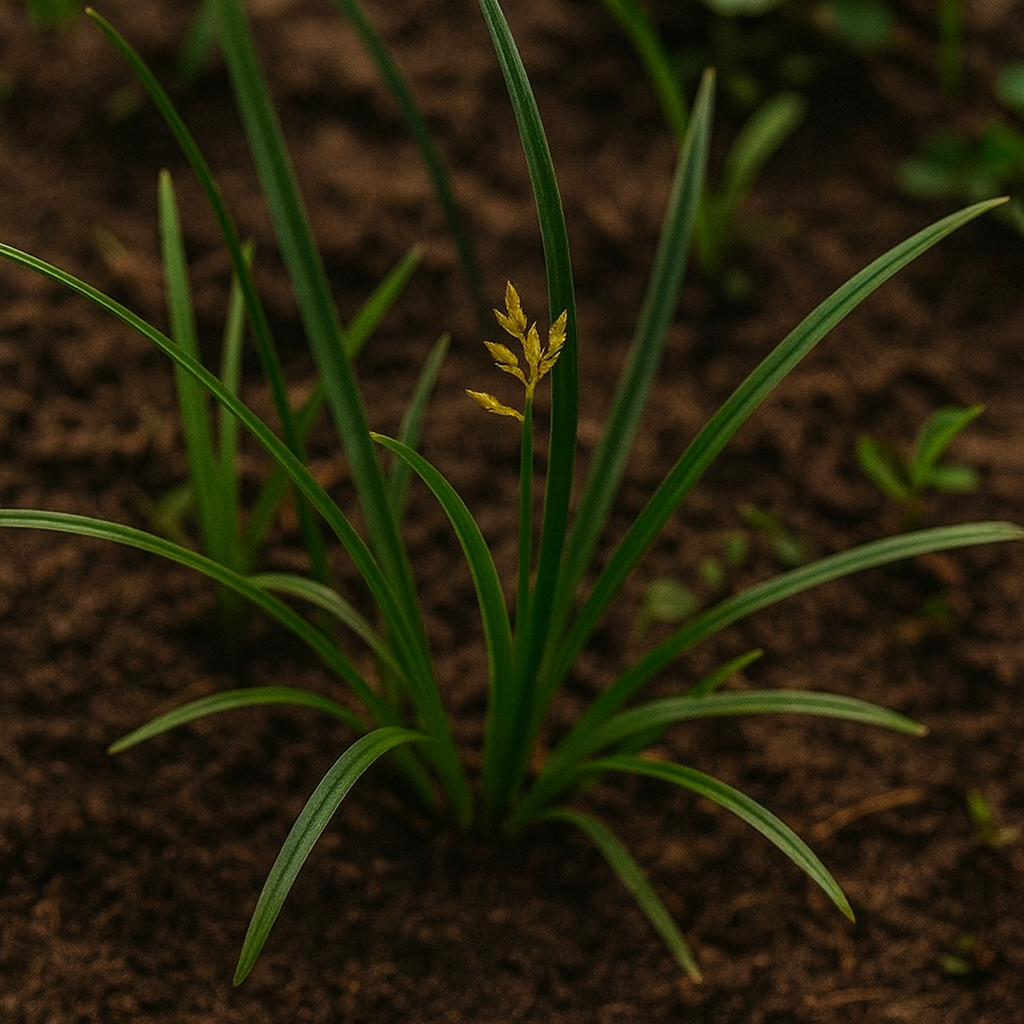
Nutgrass (nutsedge) 11010_4dff63-00> |
Strategy: smother + persistence. Don’t rototill (spreads nutlets). Sheet mulch, improve drainage, keep after fresh shoots. 11010_28b8b7-82> |
 |
|
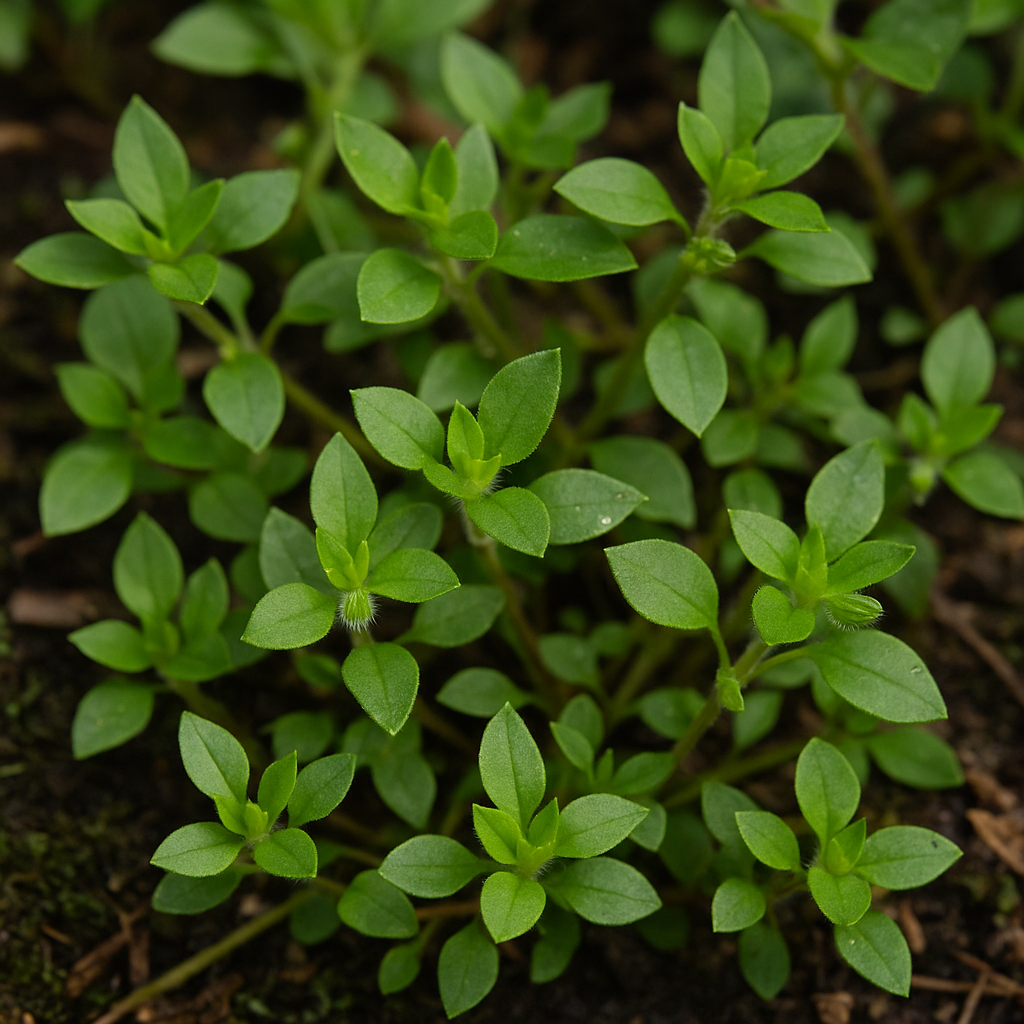
Chickweed/Henbit 11010_539260-4b> |
Strategy: catch early (Oct–Dec), shallow hoe weekly, pull mats after rain, mulch 2–3″. If you’ll direct-sow greens among them, peek at Direct Sowing Lettuce: Timing and Shade Tricks (moisture management helps you outcompete them). 11010_e3e7ad-0d> |
 |
|
Clover 11010_ec5522-6b> |
Strategy: good in pathways, not in beds. Pull before flowering. If it’s everywhere, it’s hinting at low nitrogen — top-dress compost and consider a nitrogen-fixer cover crop this winter. 11010_94cab0-6b> |
 |
|
Purslane 11010_ecb4d8-4e> |
Strategy: adjust watering & drainage; quick hoe on sunny days. Mulch edges and cracks where it sneaks in. 11010_c774ae-4a> |
 |
Journal Prompt ✍️
Which weeds (in my soil and in my soul) need clearing this autumn so that rest — and new growth — can take root?
A Word of Encouragement 💛
You don’t need to “win” the weed war. You just need to tilt the season in your favor. Ten intentional minutes, a little mulch, a gentle smother, and a cover crop — that’s it. The garden remembers your care, and so does your heart.
If you want company while you work, check out my podcast, Rooted in Grace, and there’s a chapter in my ebook, Rooted in Grace: A Christian Guide to Intuitive Gardening, about clearing space for what’s coming next that pairs beautifully with a hoe and a cup of something warm. 🫶
Grab the Printable 🧾
Autumn Weed Control Checklist (PDF) — print this great free resource & hang in the shed:
Root Deeper in Rooted in Grace
In Rooted in Grace, I talk about how different plants reflect different parts of us. Lettuce reminds me of what’s tender, temporary, and beautiful when tended slowly. Some things grow best in shade—not pressure.
Listen While You Sow
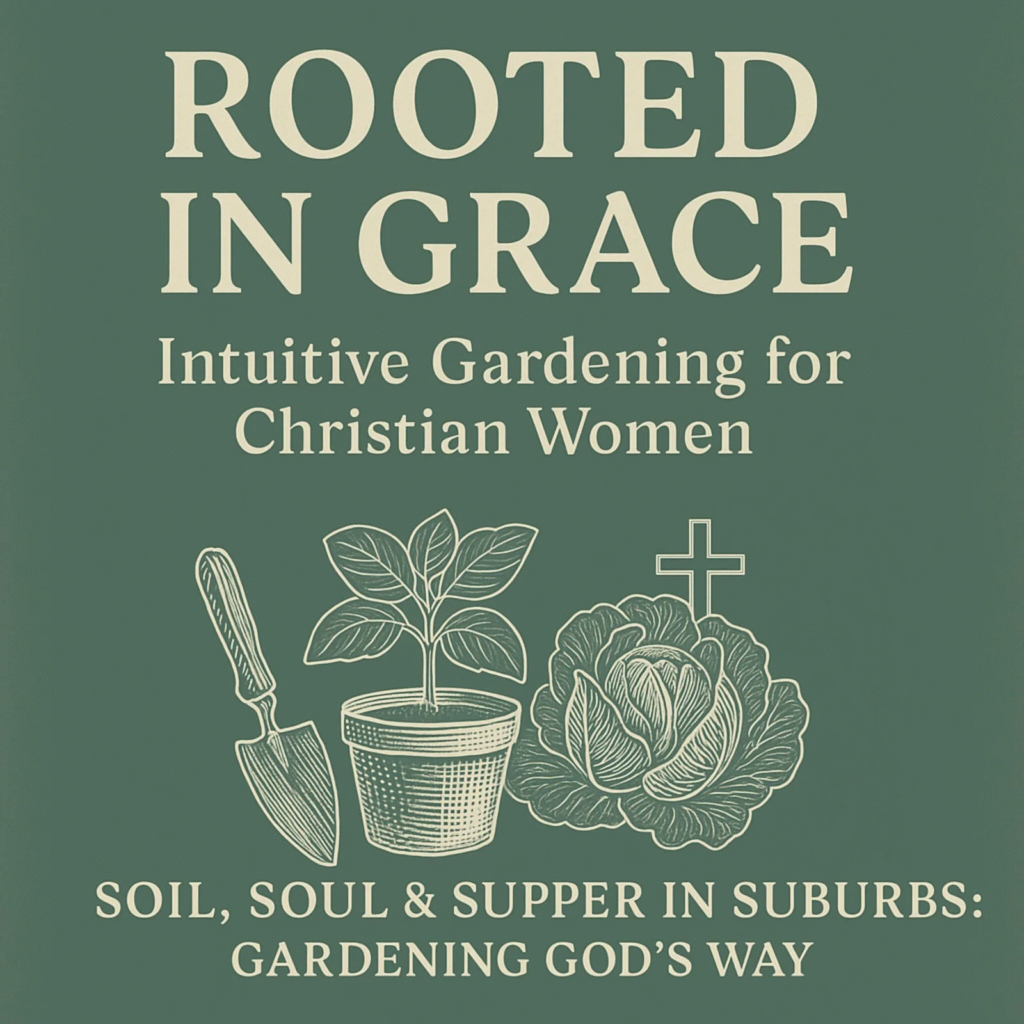
The podcast walks you through building intuitive gardening skills while strenghtening your relationship with God and helping you live a more rooted and peaceful life.
Listen on:
Stay Rooted
Join the newsletter for monthly garden printables, zone-specific tips, and soul-centered growing rhythms.