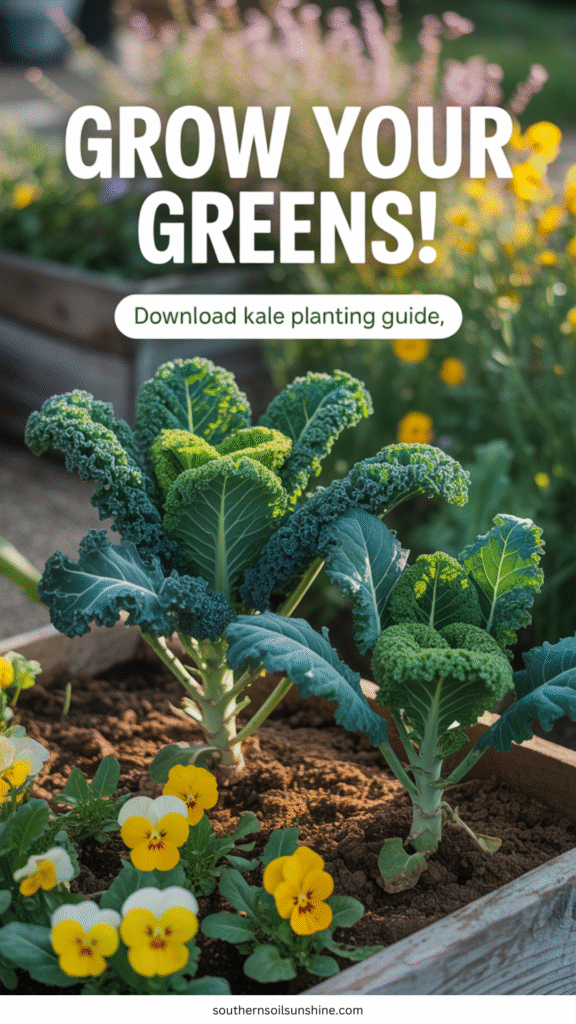
🥬 How to Plant Kale for Winter Soups

Some of the links on this website are affiliate links, which means that if you make a purchase through these links, I may earn a small commission at no additional cost to you. As an Amazon Associate, I earn from qualifying purchases. I only recommend products I genuinely trust and believe will bring value to my readers. Also, some of the content was created with strategic use of AI tools. For more information, please visit the Privacy Policy page. Thank you for supporting my blog and helping me continue to provide valuable content. Gardening is more than growing food—it's where God grows us. If you're hungry for a faith that feels grounded again, I wrote a book for you. Download my free eBook: Rooted in Grace: A Christian Guide to Intuitive Gardening
Grow your greens now for cozy, nourishing meals all season long
🌿 Opening Reflection: Soup Starts in the Soil
There’s something deeply comforting about a steaming bowl of winter soup—especially when the greens in it came from your own garden.
Kale is one of the most cold-hardy, nutrient-rich, and rewarding crops you can plant for winter meals. And in Zones 8–10, fall is the ideal time to get it growing strong so it can thrive through the colder months.
This guide will help you choose the right varieties, plant at the right time, tend your kale with care, and harvest it at its peak—so your soup pot stays full, fresh, and deeply satisfying all winter long.
📅 When to Plant Kale in Warm Climates
In Zones 8–10, kale does best when planted in fall for winter harvest.
📌 Zone 9 Timeline:
- Start seeds indoors: Late August–Mid September
- Direct sow or transplant outdoors: Mid September–October
- Harvest window: November through March
Kale becomes sweeter after frost—it’s one of those rare crops that improves in the cold!
🧑🌾 Best Kale Varieties for Soups
Choose tender, flavorful types that hold up well to simmering:
🥣 Best Picks:
- Lacinato (Dinosaur Kale): dark, crinkly, and rich in flavor
- Red Russian: tender with beautiful purple veins
- Dwarf Blue Curled: compact, cold-hardy, great for containers
- Siberian Kale: large, sweet leaves, good for mild winters
All of these can be:
- Sautéed
- Steamed
- Added to soups/stews
- Used in smoothies or wraps
Related: Top 5 Fall Greens for Zone 9 Gardens
🌱 How to Plant Kale (Step-by-Step)
✅ Option 1: Start Indoors
- Sow ¼” deep in seed trays
- Keep at 70°F for germination (5–10 days)
- Provide 12–16 hours of light daily
- Harden off 7 days before transplanting
✅ Option 2: Direct Sow
- Sow directly into prepared beds in mid-fall
- Space ¼” deep, 6” apart; thin to 12–18”
- Water gently and mulch well
🪴 Soil Prep & Location
Kale loves:
- Loose, fertile soil (with compost and aged manure)
- pH between 6.0 and 7.5
- Full sun to partial shade
Mulch deeply around kale to keep moisture in and weeds out—especially helpful as temperatures drop.
Related: Replenishing Soil for Fall Planting
💦 Watering & Care Tips
Kale needs:
- Consistent watering (1–1.5″ per week)
- Light side-dressing with compost monthly
- Pest watch: aphids, cabbage loopers, and flea beetles
Pest tips:
- Use floating row covers when seedlings are young
- Spray with neem or use soapy water for aphids
- Remove lower leaves as needed for airflow
🌬️ Frost Is Your Friend
When temps dip into the 30s, kale doesn’t panic—it thrives.
Frost triggers sugar production in the leaves, making kale:
- Sweeter
- More tender
- Better suited for winter soups
Cold snaps can actually improve your harvest.
Related: What My Garden Taught Me About Spiritual and Physical Resilience
✂️ When & How to Harvest
Kale is a cut-and-come-again crop.
- Begin harvesting once leaves are 6–8” long
- Always pick from the outer leaves
- Leave the central bud to continue growth
- Harvest every 7–10 days for ongoing supply
Pro tip: Don’t wait too long—older leaves get tough.
🥘 Kale in the Winter Kitchen
Ideas for how to use your harvest:
- Italian sausage + kale soup
- White bean + kale stew
- Chicken kale noodle soup
- Coconut kale curry
- Massaged kale salads (for baby leaves)
Kale freezes well, too! Blanch for 2 minutes, cool, and pack into freezer bags for future soups.
Related recipe: Slow Summer Kitchen: Simple Meals for Hot Days
(Fall soups coming soon!)
✍️ Journal Prompt
“What am I growing now that will feed me later?”
“Where in my life can sweetness come through challenge?”
Planting kale is an act of trust. You’re sowing now for a table you can’t see yet—but will surely gather around.
📖 Root Deeper in Rooted in Grace
In Rooted in Grace, I talk about growing what feeds more than your stomach. Kale reminds me of quiet strength—deep roots, humble leaves, rich returns.
Some growth is slow, steady, and entirely worth the wait.
🎧 Listen While You Sow
The podcast walks you through building intuitive gardening skills while strenghtening your relationship with God and helping you live a more rooted and peaceful life.
Listen on:
📝 Free Printable: Kale Planting & Winter Soup Harvest Guide
Includes:
- Best varieties for soup
- Indoor & outdoor sowing tips
- Cold weather care
- Journal reflection page
- Soup starter ideas
🔗 Related Posts
- Cover Cropping for Soil Health and Pollinator Support
- Fall Garden Journal Setup: What to Track and Why
- Sabbath Garden Reflection
- Rooted Intentions: Writing a Garden Prayer for the Season Ahead
🌺 Grace Note
Some seeds grow slowly.
Some roots dig deep before you taste a thing.
Kale reminds us: strength is quiet—and good things take time.
💌 Stay Rooted
Join the newsletter for weekly seasonal guides, recipes, and printable reflections for body and soul.