
How to Grow Cucumbers in Zone 9: A Complete Guide
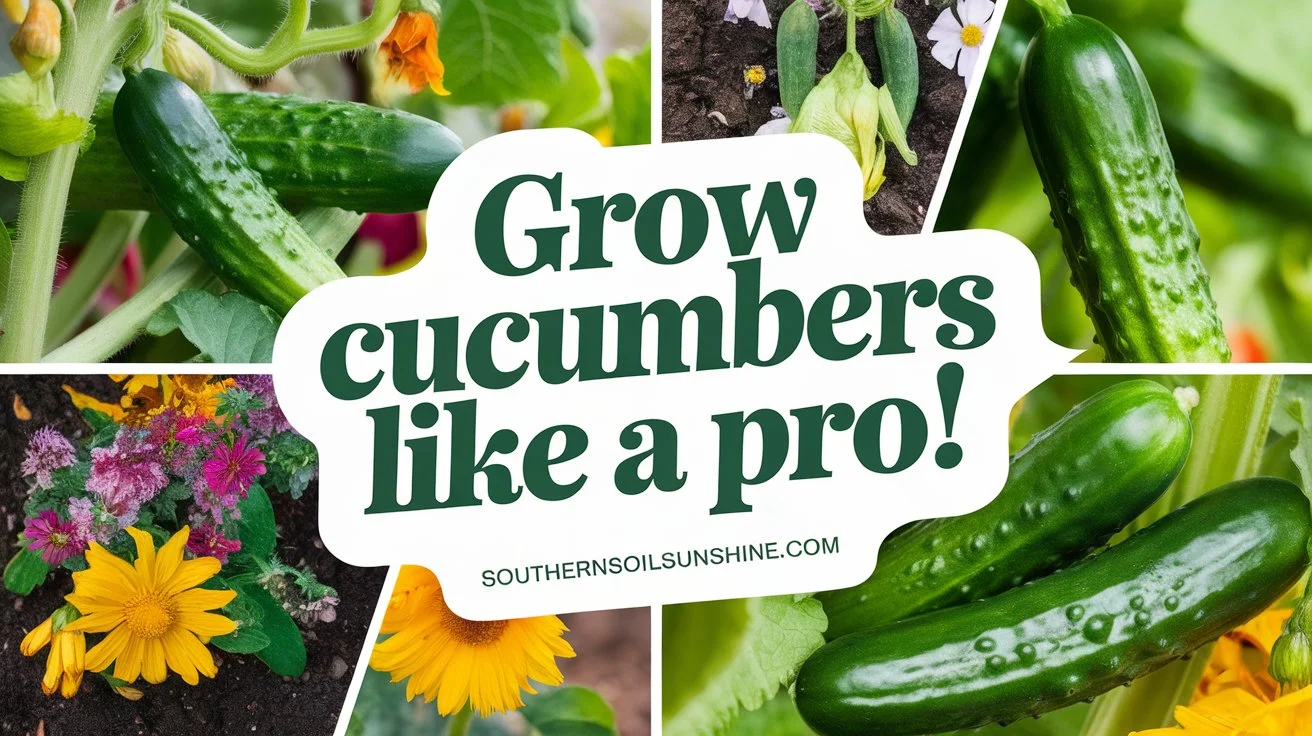
How to Grow Cucumbers in Zone 9: A Complete Guide 🥒
There’s something deeply satisfying about plucking a cool, crisp cucumber from the vine on a hot Houston afternoon. Cucumbers are the summer garden’s gift to us—reliable, generous, and refreshingly productive when we understand what they need. In Zone 9, where our growing season stretches long and warm, cucumbers don’t just survive; they flourish with the kind of abundance that makes you want to share with neighbors and friends.
Over the years, I’ve learned that growing cucumbers successfully isn’t about forcing them into what we think they should be. It’s about observing their needs, reflecting on what they’re telling us through their growth patterns, and responding faithfully with consistent care. Let me walk you through everything you need to know about growing cucumbers in our beautiful Zone 9 suburban gardens.
Free eBook
Rooted in Grace
A Christian guide to intuitive gardening — the whole book, free. Tell me where to send it and it’s yours in a minute.
Quick Facts About Zone 9 Cucumber Growing
| Growing Factor | Zone 9 Details |
| Plant Type | Warm-season vegetable (frost-sensitive) |
| Sun Requirements | Full sun (minimum 6-8 hours daily) |
| Soil pH | 6.0-7.0 (slightly acidic to neutral) |
| Best Planting Times | Late February–March (spring) and August (fall) |
| Days to Maturity | 50-70 days from transplant |
| Spacing | 12-18 inches apart for vining types |
| Water Needs | 1-1.5 inches per week (consistent moisture) |
| Preferred Method | Trellising to maximize space and airflow |
Choosing the Right Cucumber Varieties for Zone 9
Not all cucumbers are created equal, especially in our hot, humid Houston climate. I’ve learned through trial and error which varieties truly thrive here, and I want to save you that experimenting time.
| Variety | Type | Why It Works in Zone 9 |
| Marketmore 76 | Slicing | Superior disease resistance—crucial in our humid summers |
| Straight Eight | Slicing | Heat-loving, produces reliable crisp fruit through peak summer |
| Diva | Burpless | Smooth, tender, seedless—my personal favorite for fresh eating |
| Boston Pickling | Pickling | Perfect compact size for canning projects; produces abundantly |
| Armenian Cucumber | Specialty | Drought and heat tolerant; technically a melon with cucumber flavor |
Sanda’s Zone 9 Note: I always plant at least two varieties—one heat-lover for the dog days of July and August (like Straight Eight), and one with strong disease resistance for the humid months (Marketmore 76). This succession approach means continuous harvests without gaps.
Timing Your Planting: The Zone 9 Advantage 🌱
One of the blessings of gardening in Zone 9 is that we get two distinct cucumber seasons. This isn’t just nice—it’s transformative for extending your harvest.
Spring Planting (February–March)
This is our primary season. After our last frost date (typically mid-March in the Houston area), soil temperatures warm up beautifully. I typically start seeds indoors in January if I want to give transplants a head start, though direct sowing in late February works equally well. The spring planting gives you a harvest window from May through July before our intense summer heat can stress the plants.
Fall Planting (August)
Here’s where Zone 9 gardeners really shine. While most of the country is finishing up, we’re planting fresh cucumber seeds in August to catch the cooler September and October weather. This fall crop often produces the crispest, most flavorful cucumbers because the plants aren’t battling extreme heat. Your first frost typically arrives in late November, giving you a solid three months of productive growing.
Succession Planting for Continuous Harvest
Rather than planting all your cucumbers at once, I recommend planting in small batches every two to three weeks during the appropriate season. This approach prevents you from being overwhelmed with fruit all at once and ensures fresh cucumbers throughout the season. It also spreads out your labor—something my soul appreciates on a hot summer day.
Sanda’s Garden Warning: Don’t plant cucumbers after mid-August unless you’re very intentional about fall timing. If your first frost comes early (which occasionally happens), you could lose your entire fall crop. Check your local frost date forecast before committing to late plantings.
Planting Cucumbers: Observing What Works Best
Preparing Your Soil Foundation
Cucumbers are generous feeders and thirsty drinkers, so soil preparation is where your success begins. I loosen the soil to at least 12 inches deep—clay in our Houston area can be stubborn, so this step isn’t just recommendation; it’s essential. Work in 3-4 inches of compost or well-aged manure. This enrichment improves both drainage (preventing root rot in wet spells) and water retention (crucial during dry heat). A pH between 6.0 and 7.0 is ideal, slightly on the acidic side of neutral.
Direct Sowing vs. Starting Indoors
I prefer direct sowing cucumber seeds because they germinate quickly and strongly in warm soil, and they establish deep roots that resist stress better than transplants. Plant seeds about 1 inch deep, spacing them 12-18 inches apart in rows that are 3-4 feet apart. Seeds germinate in 5-10 days when soil temperature is above 60°F (and truly thrive when it’s 70°F or warmer).
If you do start seeds indoors, use biodegradable pots—cucumber roots despise transplant shock. Harden off seedlings for a full week before planting outside, gradually exposing them to outdoor conditions. This faithful preparation prevents wilting and gives them the resilience they need to thrive.
To Trellis or Let It Sprawl?
This decision shapes your entire garden layout. Trellising saves precious space, improves air circulation (reducing fungal diseases in our humid climate), keeps fruit clean and straight, and makes harvesting so much easier on your back. I use sturdy wooden or metal trellises, and I plant cucumbers at the base with young vines gently trained upward as they grow. Alternatively, bush varieties and allowing vines to sprawl on mulched ground works fine if space allows—just monitor more carefully for slugs and fungal issues.
Sanda’s Tip: Plant trellis cucumbers on the north side of your garden bed. This way, the trellis won’t shade other sun-loving vegetables. The cucumber vines actually appreciate afternoon shade in July and August, and your neighboring plants will benefit from the filtered light.
Sunlight & Soil: The Foundation of Health ☀️
Cucumbers demand full sun—a minimum of 6-8 hours daily, though 8-10 hours produces the most vigorous plants. In our Zone 9 heat, they can actually tolerate a bit of afternoon shade (especially dappled sunlight), but never plant them in partial shade hoping to keep them cool. They need that sun energy to produce fruit.
For soil, think “loamy and loose.” Our Houston clay becomes compacted easily and holds water in ways that cucumber roots resent. Add that compost I mentioned earlier, and consider mulching heavily around the base with straw or wood chips. Mulch serves multiple purposes: it keeps soil temperature more stable, conserves moisture during dry spells, suppresses weeds, and as it breaks down, enriches the soil with organic matter. That’s the kind of faithful, hardworking garden support I deeply admire.
Watering: The Deep Soak Philosophy 💧
In the heat of a Zone 9 summer, a cucumber plant can wilt in hours if its roots go dry. This is where I often see gardeners make their biggest mistake—watering shallowly and frequently instead of deeply and consistently.
Cucumbers need about 1-1.5 inches of water per week, delivered in two to three deep soakings rather than daily sprinkles. Deep watering encourages roots to grow downward, creating resilient plants that can handle stress better. I water early in the morning, at soil level, avoiding the foliage entirely. Overhead watering creates an environment where powdery mildew and other fungal diseases thrive in our humid climate.
If you’re able to invest in a dr
Managing Heat Stress and Late-Season Production
Here’s something many Zone 9 gardeners discover the hard way: when temperatures consistently exceed 90°F, cucumber flowers may drop without setting fruit. This is physiological—the plant is protecting itself, shutting down reproduction when conditions feel too extreme for survival. It’s not a failure on your part; it’s the plant’s wisdom responding to its environment. This typically happens mid-July through mid-August, a period I call the “summer dormancy window.”
Rather than fighting this natural rhythm, I’ve learned to work with it. Your spring-planted cucumbers will slow production during peak heat, then often revive in late August and September as temperatures moderate slightly. This is exactly why that fall planting in August becomes so valuable—you’re planting fresh vines that’ll hit their peak productivity in the cooler days ahead. If you want to extend spring production through the heat, provide afternoon shade cloth (30-50% shade) over the trellis during the hottest weeks, removing it by late August as temperatures drop. This gentle intervention keeps some fruit production going without stressing the plants beyond their capacity.
For our Houston suburban gardens, accepting this natural ebb and flow has been liberating. Instead of viewing July as a “failure month,” I see it as a natural pause—a time to tend the soil, plan the fall garden, and prepare for the abundance that’s coming.
Harvesting and Encouraging More Fruit
Timing your harvest directly affects how much fruit your plants will produce. This is intuitive gardening at its finest: the plant responds to what you take from it. If you harvest cucumbers when they’re 6-8 inches long (for slicing varieties) or 4-6 inches (for pickling types), the vine recognizes this as a signal to keep flowering and producing. Let even one cucumber grow large and mature on the vine, and the plant interprets this as “mission accomplished—time to set seed and slow down.” Your harvest abundance depends entirely on this faithful, consistent picking.
I check my cucumber plants every two to three days during peak production season. Early morning harvesting, when cucumbers are coolest and most crisp, makes the work pleasant. Use a gentle cutting motion with pruners or a sharp knife rather than yanking, which can damage the delicate vines. The cucumbers that stay on the vine longest become seedy, watery, and less flavorful—another reason frequent harvesting improves everything about your crop quality.
One subtle thing I’ve noticed: plants that are harvested abundantly seem more resilient to pests and diseases. Perhaps it’s the improved air circulation around a well-managed vine, or perhaps the plant’s vigor responds to regular harvesting. Either way, the action of consistent picking creates a positive feedback loop where your attention directly multiplies your reward.
Common Pests and Diseases in Zone 9 Humidity
Our Houston humidity is gorgeous for so many plants, but it creates specific challenges for cucumbers. The three issues I encounter most are powdery mildew, cucumber beetles, and spider mites. Powdery mildew appears as white coating on leaves, particularly in late summer when warm days meet cool nights. Prevent it through excellent air circulation (trellising helps tremendously), avoiding overhead watering, and spacing plants generously. If it appears, neem oil or sulfur sprays applied early in the morning can help—always follow label directions and never spray during peak heat or on flowers.
Spotted and striped cucumber beetles arrive in spring and can transmit bacterial wilt disease. I’ve had success with floating row covers over young plants (removing them once flowering begins), and hand-picking beetles in the early morning. Yellow sticky traps placed near plants catch many beetles before they do damage. These methods require consistent observation—you’re checking daily, noticing what’s happening, and responding thoughtfully rather than waiting for an infestation.
Spider mites love the dry, hot conditions of July and August. A strong spray of water from the hose several times a week, targeting the undersides of leaves, dislodges many mites and increases humidity around the plant—conditions mites dislike. If infestation becomes severe, insecticidal soap is a gentler option than synthetic pesticides.
| Problem | Zone 9 Timing | Preventive Approach |
| Powdery Mildew | Late summer (Aug-Sept) | Excellent air circulation, avoid overhead watering |
| Cucumber Beetles | Spring & fall plantings | Row covers on young plants, yellow sticky traps |
| Spider Mites | Peak summer heat (July-Aug) | Water spray on leaves, increase humidity around plants |
| Blossom End Rot | Inconsistent watering periods | Deep, consistent watering; add calcium (lime) if needed |
The beautiful thing about these challenges is that they’re all preventable or manageable through observation and responsive care. You’re not waging war against nature; you’re paying attention to what your plants need and providing it faithfully. This approach transforms pest management from a source of stress into an extension of your garden relationship.
Growing cucumbers in Zone 9 teaches us something profound about grace and abundance. We plant seeds in rich soil, water faithfully, harvest generously, and the vines respond with fruit beyond what we imagined possible. We face heat stress and humidity challenges, yet learn to work with the seasons rather than against them.
Ready to Go Deeper in the Garden?
If this article resonated with you, you might be ready for something more than tips.
- Download the FREE Rooted in Grace eBook
- Get the Rooted in Grace Print Book on Amazon
- Join Rooted Reset
- Follow on Instagram – @southernsoils
- Save on Pinterest – @southernsoilsunshine
- Join on Facebook – Southern Soil Sunshine
“The garden is not just a place to grow plants – it is a place to grow yourself.”
Related reading
Free eBook
Before you go — the book is yours
Rooted in Grace: A Christian Guide to Intuitive Gardening. No cost, no catch. Read it on any device, at whatever pace the season allows.





One Comment