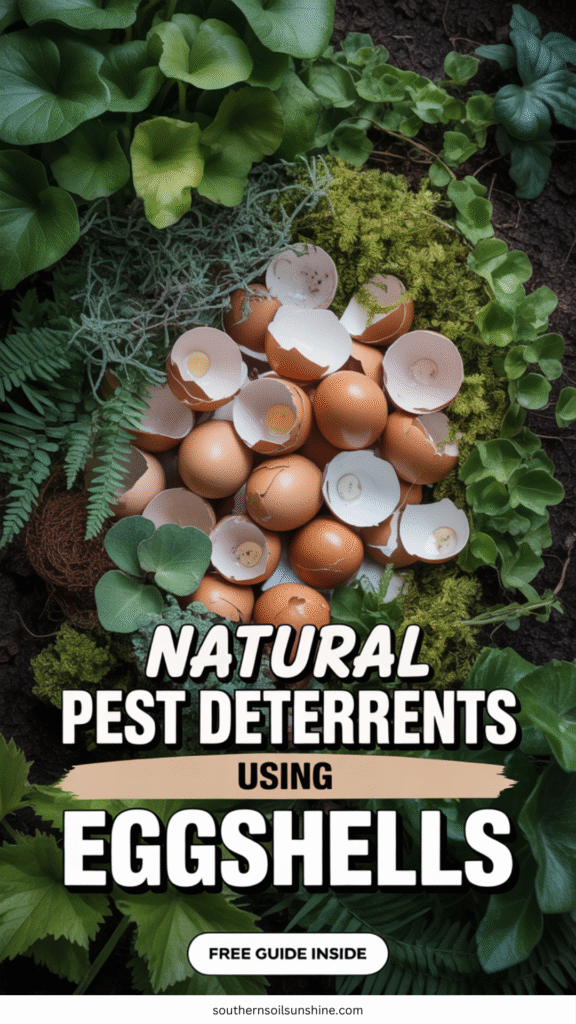
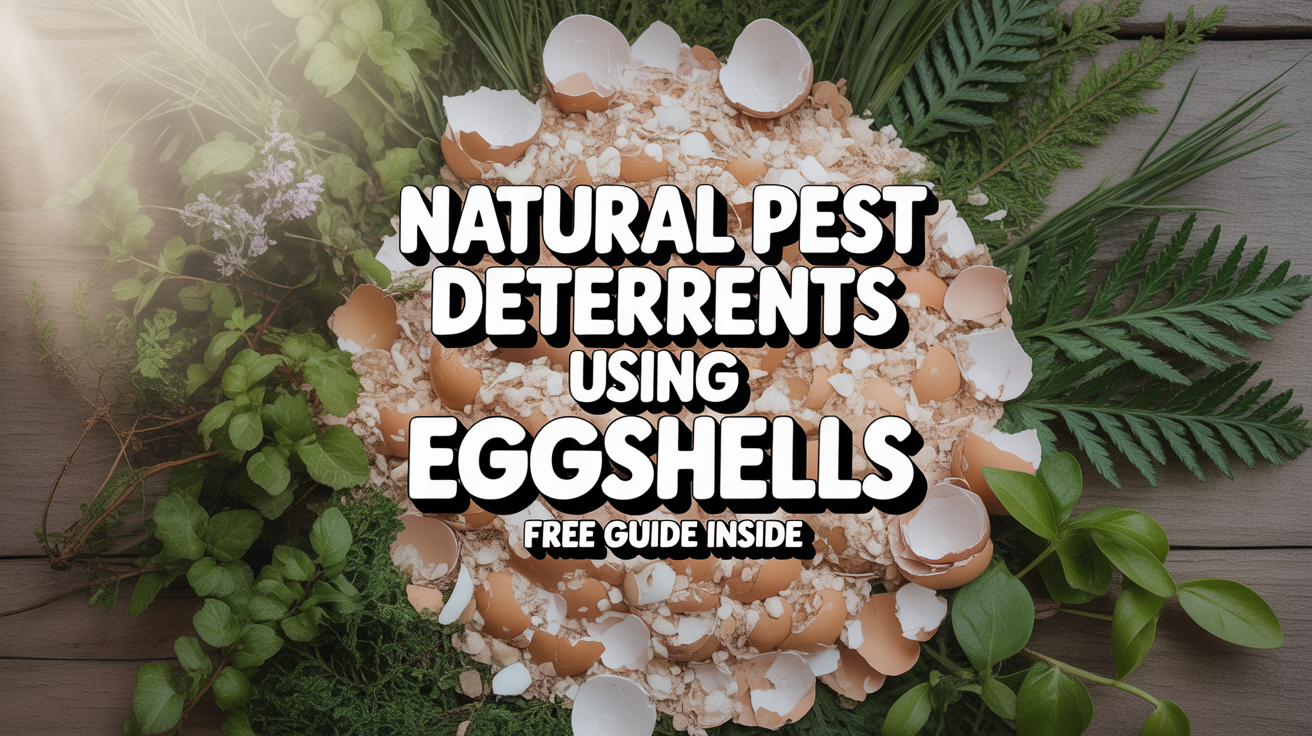
Natural Pest Deterrents Using Eggshells
Some of the links on this website are affiliate links, which means that if you make a purchase through these links, I may earn a small commission at no additional cost to you. As an Amazon Associate, I earn from qualifying purchases. I only recommend products I genuinely trust and believe will bring value to my readers. Also, some of the content was created with strategic use of AI tools. For more information, please visit the Privacy Policy page. Thank you for supporting my blog and helping me continue to provide valuable content. Gardening is more than growing food—it's where God grows us. If you're hungry for a faith that feels grounded again, I wrote a book for you. Download my free eBook: Rooted in Grace: A Christian Guide to Intuitive Gardening
🥚A Gentle Start: Waste Transformed into Protection
In God’s creation, nothing is wasted. What looks like a scrap on your kitchen counter can become a shield in your garden beds. Eggshells, often tossed aside, carry hidden potential: calcium for the soil, grit for pests, and a visible reminder that small, simple things can have lasting impact.
As fall gardens slow their growth, they’re still vulnerable to pests—slugs, snails, cutworms, and even soft-bodied insects. Eggshells offer a natural, inexpensive way to protect plants while enriching soil, closing the loop between kitchen and garden.
This practice embodies stewardship: caring for what we have, using it wisely, and partnering with creation’s cycles.
🌱 Why Use Eggshells in the Garden?
- Natural Pest Barrier – Crushed shells deter slugs, snails, and cutworms, which dislike crawling across sharp edges.
- Soil Enrichment – Eggshells add calcium carbonate, strengthening plant cell walls and preventing blossom end rot in crops like tomatoes, peppers, and squash.
- Waste Reduction – A sustainable alternative to chemical pesticides and fertilizers.
- Visual Cue – A sprinkling of shells reminds you of attentive care and the garden’s connection to your home.
📋 Step-by-Step: Using Eggshells as Pest Deterrents
1. Collect & Clean Eggshells
- Rinse shells after cracking to remove residue.
- Air dry or bake at low heat (200°F) for 10 minutes to kill bacteria and speed drying.
- Store in a jar until you have enough to use.
2. Crush to the Right Texture
- For pest deterrent: aim for coarse, jagged pieces (not powder).
- For soil amendment: grind into a fine powder with a mortar and pestle or blender.
3. Apply Around Plants
- Create a ring of crushed shells around seedlings and young plants.
- Refresh after rain or heavy watering, as shells can settle into the soil.
- Reapply weekly for active pest prevention.
4. Combine with Other Methods
- Pair with mulch to maintain a barrier.
- Use alongside row covers or hand-picking for integrated pest management.
- Mix powdered shells directly into the soil for long-term calcium benefits.
🗺 Zone-Specific Fall Eggshell Tips
Zones 9–10 (Warm Climates)
- Slugs and snails remain active well into fall.
- Eggshell barriers are especially useful for greens like lettuce, chard, and spinach.
Zones 7–8 (Mild Climates)
- Apply around fall brassicas (broccoli, kale, cabbage) which are slug magnets.
- Refresh more often in wetter autumns.
Zones 5–6 (Cooler Climates)
- Slug activity slows after first frost, but early fall crops still benefit.
- Crush shells into powder to amend soil before winter rest.
🌿 Eggshells Beyond Pests: Soil & Seed Uses
- Soil Amendment: Calcium strengthens plant structure and helps balance pH.
- Seed Starters: Use half shells as mini seed cups; transplant shell and all.
- Compost Boost: Adds slow-release calcium to your pile.
🧪 Limitations of Eggshell Pest Control
- Works best against soft-bodied pests; less effective for larger insects.
- Needs regular reapplication after rain.
- Should be part of a broader pest management plan, not the only solution.
🛠 Tools to Help
- Mortar & pestle, rolling pin, or blender for crushing.
- Small jar or shaker for application.
- Gloves if handling sharp pieces.
📝 Journal Prompt
Where in my life am I overlooking small, ordinary things that could become sources of nourishment or protection if I used them differently?
✨ Grace Note
Eggshells are fragile on their own, yet when broken and scattered, they protect and strengthen. God often uses the broken pieces of our lives the same way—transforming what feels like waste into something purposeful.
“But we have this treasure in jars of clay, to show that the surpassing power belongs to God and not to us.” – 2 Corinthians 4:7
🪴 Final Thoughts
Eggshells won’t solve every pest problem, but they remind us that simple, faithful practices matter. When we use what we already have—without chemicals, without waste—we step into a rhythm of care that echoes creation’s design.
This fall, as you sprinkle shells around tender crops, let it remind you that nothing is wasted in God’s economy—not even the broken pieces.
🌿 Related Garden Wisdom
- Using Worm Castings in Fall Gardens
- Protecting Fall Crops with Row Covers
- Troubleshooting Blossom End Rot
📄 Printable Resource
Download the Eggshell Garden Use Guide — includes preparation methods, pest prevention tips, soil enrichment uses, and a reflection page.
🎧 Listen to the Podcast!
Tune into The Rooted In Grace Podcast for faith-filled garden encouragement.
📘Rooted in Grace: The eBook
Feeling scattered or unsure about what to plant, when, or how to keep it all alive?
Grab Rooted in Grace—your soulful companion for gardening through every season.
This eBook will walk you through the rhythms of intuitive gardening, spiritual reflection, and simple seasonal wins.
💌Want More Grace in Your Inbox?
Sign up here to start growing with grace! Next?
- Exclusive download Monthly garden to-do lists
- Early access to podcast episodes & products
- Weekly encouragement