Protecting Fall Crops with Row Covers
Some of the links on this website are affiliate links, which means that if you make a purchase through these links, I may earn a small commission at no additional cost to you. As an Amazon Associate, I earn from qualifying purchases. I only recommend products I genuinely trust and believe will bring value to my readers. Also, some of the content was created with strategic use of AI tools. For more information, please visit the Privacy Policy page. Thank you for supporting my blog and helping me continue to provide valuable content. Gardening is more than growing food—it's where God grows us. If you're hungry for a faith that feels grounded again, I wrote a book for you. Download my free eBook: Rooted in Grace: A Christian Guide to Intuitive Gardening
🛡 A Gentle Start: Shelter in the Season of Change
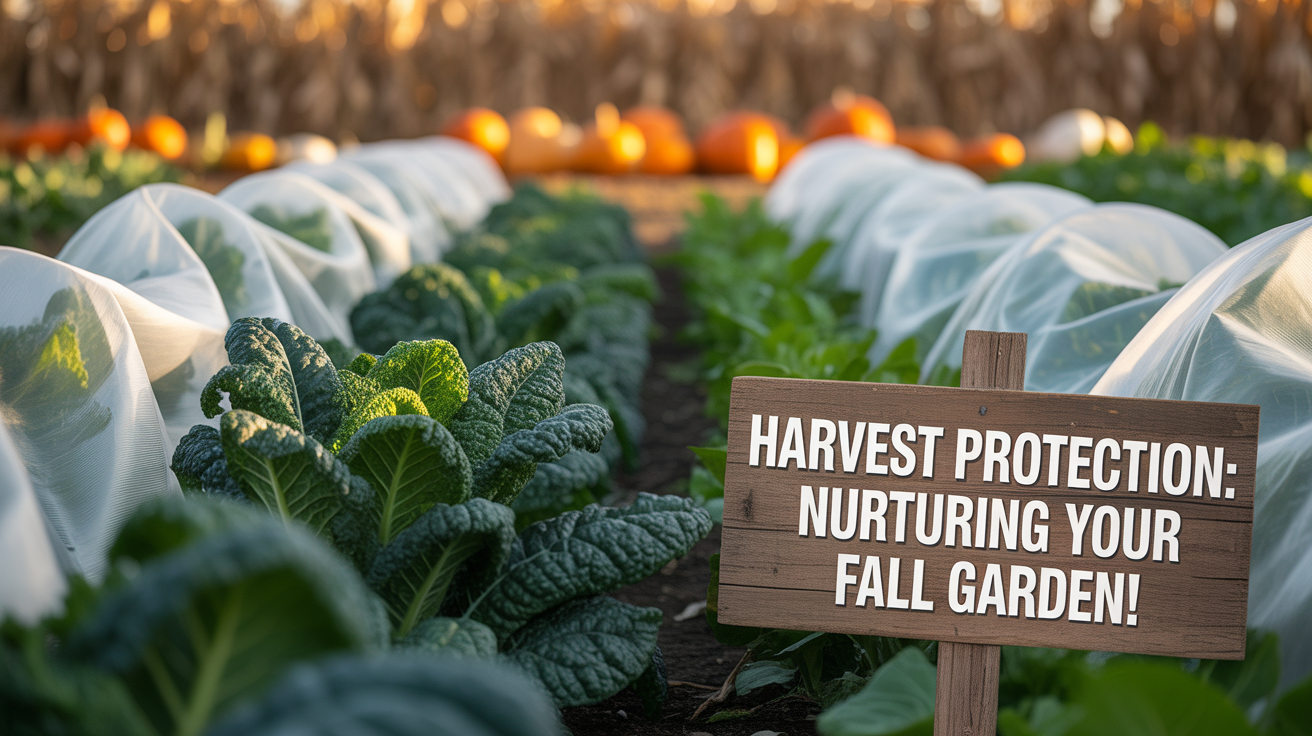
Fall can be a paradox in the garden — cooler air and shorter days bring both relief and challenge. While pests slow down, frost and wind begin to threaten tender plants. Row covers are one of the simplest, most effective ways to guard your fall crops while still allowing light, air, and rain to reach them.
They remind me of God’s sheltering care: not a heavy, suffocating weight, but a breathable, protective covering that lets us grow in safety. As we stretch summer’s abundance into the cooler months, we can steward our gardens by covering what we want to preserve.
🌱 Why Row Covers Matter for Fall Gardening
Extend the Harvest
Row covers can give you 2–6 extra weeks of productive growth by buffering against temperature drops and frost. This means more spinach in your salads and more carrots in your roasting pan before winter arrives.
Prevent Frost Damage
Even a light frost can damage tender greens or young seedlings. Row covers trap radiant heat from the soil, often keeping plants 4–10°F warmer overnight depending on fabric weight.
Reduce Pest Pressure
Insects like cabbage worms, flea beetles, and aphids may still be active well into fall. Covers act as a barrier, stopping them before they can lay eggs or feed.
Shield from Harsh Weather
Autumn storms can flatten seedlings and tear leaves. Row covers diffuse heavy rain, block wind gusts, and reduce leaf tearing.
Preserve Soil Warmth
Warm soil helps seeds germinate faster and roots remain active longer. Row covers create a microclimate that slows soil cooling, especially when combined with mulch.
🧵 Types of Row Covers for Fall Crops
| Type | Fabric Weight | Light Transmission | Frost Protection | Best Uses | Pros | Cons |
|---|---|---|---|---|---|---|
| Lightweight Floating Cover | 0.5–0.9 oz/sq. yd | 85–95% | 2–4°F | Pest control, light frost | No hoops required for low crops, easy to install | Minimal frost protection |
| Medium-Weight Cover | 1.0–1.5 oz/sq. yd | 75–85% | 4–6°F | Pest + frost protection | Good balance of heat retention and light | Slightly heavier, more costly |
| Heavyweight Frost Blanket | 1.5–3.0 oz/sq. yd | 50–70% | 6–10°F | Serious frost protection | Extends season into winter, reusable | Reduces light, must vent on sunny days |
📅 Zone-Specific Fall Row Cover Timing
- Zones 9–10: Use lightweight covers in October to block pests and sun stress; switch to medium-weight in late November for occasional frost.
- Zones 7–8: Install medium-weight covers early in October for greens, root crops, and brassicas; use heavy blankets for tender crops during frost warnings.
- Zones 5–6: Apply medium-weight covers as soon as night temps dip below 50°F; switch to heavy blankets in mid-to-late October.
- Zones 3–4: Install heavy frost blankets early in October or keep crops in cold frames; row covers extend harvest by only 2–4 weeks in very cold climates.
📋 Step-by-Step: Installing Row Covers in Fall
1. Prepare the Bed
Weed thoroughly, water well, and apply any soil amendments before covering. Moist soil retains heat longer, boosting frost protection.
2. Choose the Right Fabric
Match cover weight to your climate, crop, and purpose (see chart above).
3. Decide on Hoops or Direct Cover
- Direct Lay: For low-growing crops like lettuce and carrots.
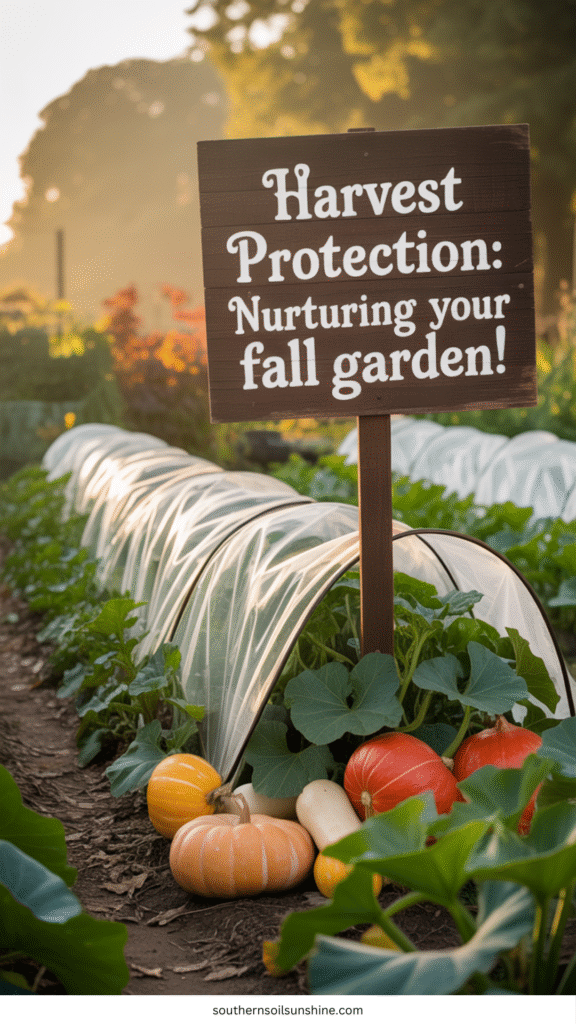
- Hoop Support: For taller crops like kale or broccoli to prevent leaf damage and improve airflow.
4. Anchor the Edges
Use soil, landscape staples, sandbags, or boards to hold covers down. Secure edges snugly to keep pests out and prevent wind lift.
5. Vent on Warm Days
Temperatures under covers can rise quickly. Open the ends or lift edges on sunny afternoons above 65°F to avoid overheating.
6. Adjust for Growth
Check weekly for plant height, pest activity, and fabric wear. Loosen or raise covers as plants mature.
7. Remove for Harvest, Replace Promptly
Harvest carefully, then re-secure covers immediately if frost risk remains.
🌿 Crop-by-Crop Protection Guide
- Spinach & Lettuce: Lightweight cover for pest and frost protection; medium-weight during frosts.
- Kale & Chard: Medium-weight cover improves growth in cool weather; heavy blanket during deep freezes.
- Carrots & Beets: Cover to retain soil warmth and prevent frost from damaging tops.
- Broccoli & Cauliflower: Medium-weight covers prevent pest infestations and protect developing heads.
- Peppers (warm zones): Heavy frost blankets extend harvest by several weeks.
🛠 Troubleshooting Row Cover Use
- Cover blows off: Use heavier anchors or add a center ridge pole over hoops.
- Condensation inside: Vent daily in warm weather to prevent fungal growth.
- Plants look leggy: Reduce cover weight to increase light transmission.
- Pests inside cover: Remove, harvest damaged leaves, and reinstall with a better seal.
📝 Journal Prompt
Where do I need to create a “cover” in my own life to protect and nurture growth, even in challenging conditions? What rhythms or boundaries could serve as that protective layer?
✨ Grace Note
Row covers are a garden parable of God’s covering presence—shielding us from harm while letting in the light we need to thrive.
“He will cover you with his feathers, and under his wings you will find refuge.” – Psalm 91:4
🌿 Related Garden Wisdom
- Best Mulching Practices for Cooler Weather
- Cool-Season Crops to Plant in October
- Using Worm Castings in Fall Gardens
📄 Printable Resource
Download the Fall Row Cover Quick Guide — fabric types, installation steps, crop-specific tips, and frost chart.
🎙️Listen to the Podcast!
Tune into The Rooted In Grace Podcast for faith-filled garden encouragement.
📚Rooted in Grace: The eBook
Feeling scattered or unsure about what to plant, when, or how to keep it all alive?
Grab Rooted in Grace—your soulful companion for gardening through every season.
This eBook will walk you through the rhythms of intuitive gardening, spiritual reflection, and simple seasonal wins.
💌Want More Grace in Your Inbox?
Sign up here to start growing with grace! Next?
- Weekly encouragement
- Exclusive download Monthly garden to-do lists
- Early access to podcast episodes & products




3 Comments