The Ultimate Summer Garden Routine

🌿 The Ultimate Summer Garden Routine: Fertilizing & Pest Control for a Thriving Kitchen Garden in Zone 9
Practical. Sustainable. Budget-Friendly. Beginner-Approved.
Summer in Zone 9 is no joke—sun blazing at 95°F by mid-morning, tomatoes exploding with growth, and pests popping up the second you look away. If you’re gardening in the Houston suburbs like I am, you know that June through August feels like a sprint just to keep up. But here’s what I’ve learned: the trick to staying ahead of it all isn’t heroic effort. It’s a gentle rhythm of care that feels manageable, not overwhelming. 🌱
This is the exact routine I follow to keep my veggies healthy and productive without breaking the bank (or my back). Whether you’re working with raised beds or a few buckets on the patio during our scorching summers, this system will fit right in. And honestly? Once you get into the groove, it becomes second nature—almost meditative.
You’ll find both a weekly and monthly plan to match your pace, with step-by-step guidance for applying organic fertilizers and controlling pests the safe, sustainable way. The intuition here is simple: observe what your plants need, reflect on what’s working, and respond faithfully. No guesswork. No chemicals you can’t pronounce.
Free eBook
Rooted in Grace
A Christian guide to intuitive gardening — the whole book, free. Tell me where to send it and it’s yours in a minute.
🧭 Your Weekly Summer Garden Rhythm
I keep this routine simple because complicated systems get abandoned when July heat hits and you’re tired. Here’s what I do each week, and you can adjust based on your schedule:
| Day | Action | Details |
|---|---|---|
| Monday | Fertilize | Apply gentle organic fertilizer suited to current plant stage (rotate weekly) |
| Wednesday | Inspect & Scout | Check plants for early pest signs, leaf damage, or disease; apply organic control if needed |
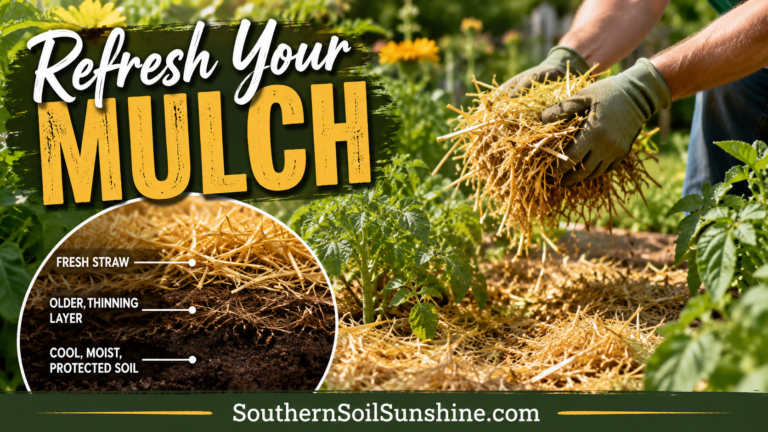
| Friday | Garden Reset | Weed, prune, harvest ripe produce, check mulch depth, adjust trellises for wind damage |
💡 Pro Tip: I keep a simple clipboard in my garden tote with this routine clipped on—along with a small notebook for jotting down what I see. When you write things down, you start noticing patterns. That’s when real intuition kicks in. Makes gardening feel more doable and, honestly, more fun. 📋
☀️ Understanding Zone 9 Summer Timing
Before we dive into the fertilizer specifics, let me say something important: timing matters differently in Zone 9 than it does up north. Our heat is relentless. By mid-June, soil temperatures are pushing 85°F, and many plants are already in survival mode. This means:
We fertilize less frequently than cooler zones because plants can’t absorb nutrients efficiently when stressed by heat. We apply everything in early morning or evening—never midday. And we focus on heat-resilient varieties and consistent watering alongside nutrition.
Think of summer fertilizing in our zone as gentle support, not aggressive feeding. Your plants are already working hard just to stay alive in the heat. 🌡️
🧪 Fertilizer Application Guide (Rotating Weekly)
Let’s keep it simple and effective. These natural options are gentle, cost-effective, and easy to make or buy. I rotate through them based on what my plants need at each growth stage. The key is variety—different nutrients, different delivery methods, and giving your soil a break between applications.
Week 1: Compost Tea or Worm Castings Tea 🌱
Why: Delivers a microbial boost and improves soil biology. In Zone 9 heat, strong soil life helps plants access nutrients more efficiently.
How:
Soak 1 cup of finished compost or worm castings in a 5-gallon bucket of water for 24 hours. You don’t need fancy aeration—just let it steep. In the morning, pour directly at the base of each plant (not on leaves). Early morning or late evening is best; midday application wastes it to evaporation.
Pro note: If you have a worm bin, this is your chance to use it. Homegrown worm castings are gold for summer heat resilience.
Week 2: Banana Peel or Eggshell Tea 🍌
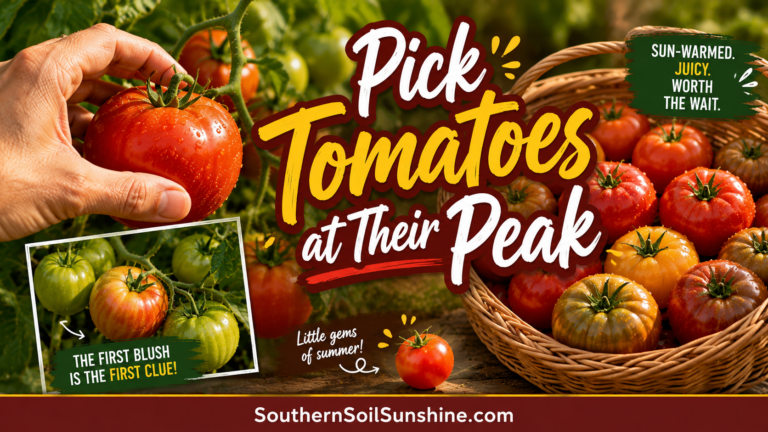
Why: Adds potassium and calcium—especially helpful for tomatoes, peppers, and summer squash. This is when those crops need it most.
How: Chop 2–3 banana peels and steep in 1 quart of water for 3–5 days at room temperature. Strain and apply at the base of flowering or fruiting plants. Optional: blend the peels finely for a smoother consistency in your watering can. The liquid should be pale gold, not brown.
Eggshell variation: Crush eggshells and follow the same steep-and-apply method. This takes slightly longer (up to a week), but the calcium payoff is worth it for preventing blossom-end rot in tomatoes.
Week 3: Fish Emulsion or Diluted Urine 🐟
Why: Provides a quick nitrogen boost for leafy greens that may be slowing in the heat, or for any plants showing pale leaves.
How: Dilute 1 tablespoon fish emulsion in 1 gallon of water and apply at soil level early morning (avoid leaves—the smell intensifies on foliage). One gallon feeds about 4–5 mature plants.
Urine alternative: Yes, really. If you’re uncomfortable with it, skip it. But if you’re open to it, dilute at 1:10 ratio (1 part urine to 10 parts water) and apply the same way. It’s free, nitrogen-rich, and many gardeners swear by it. No judgment either way. 😊
Week 4: Seaweed or Kelp Extract Spray ☀️
Why: Helps plants cope with heat stress and encourages strong root development. This is crucial in Zone 9 summer.
How: Mix according to package directions and apply as a foliar spray in early morning when temps are under 80°F. Focus on the underside of leaves for maximum absorption. Never spray in midday heat—you’ll scorch the leaves.
⚠️ Watch Out: Never apply foliar sprays when temperatures are above 80°F or in direct sun. In our Houston summers, this means only apply before 8 AM or after 7 PM. Missed your window? Wait until tomorrow. Burned leaves won’t recover, and you’ll lose productivity.
Repeat this four-week rotation monthly. You don’t need to fertilize more than once a week in summer heat—in fact, over-fertilizing can actually stress plants more. If your plants show signs of deficiency (pale leaves, slow growth), increase to twice weekly on alternate weeks, but watch carefully for signs of nutrient burn.
🐛 Organic Pest Control: A Weekly Scouting Schedule
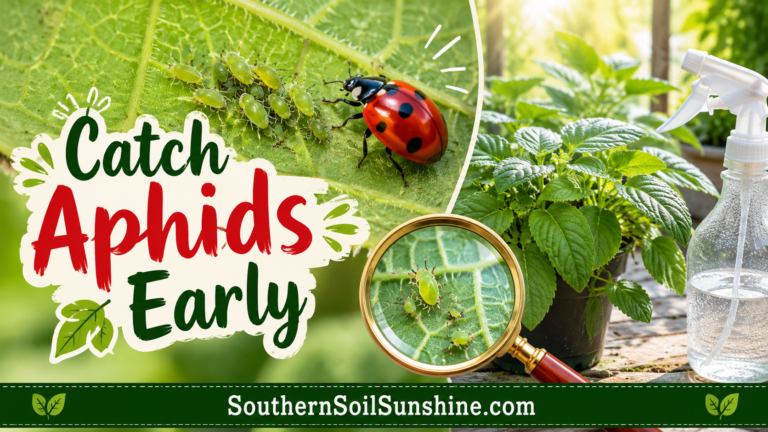
Pests move in fast during our Texas summers—but you don’t need to nuke your garden to stay ahead. A calm, consistent routine works wonders, and honestly? Early detection is 80% of the battle. When you check your plants regularly, you catch problems when they’re easy to handle.
Monday: Neem Oil or Insecticidal Soap Application 🌿
When to use: If you spotted pests on Wednesday last week, or as a preventive spray every 2 weeks during peak season (June–August).
How: Mix 1 tablespoon neem oil per quart of water, add a few drops of dish soap to help it stick. Spray both tops and undersides of leaves in early morning or at dusk. Neem works best as a preventive; once pest populations explode, it’s tougher to control.
What it controls: Aphids, spider mites, whiteflies, scale, and mealybugs. Reapply every 7–10 days if pests are present.
Wednesday: Scout for Pests & Damage 🔍
Walk through your garden slowly. Observe. Look for:
Yellowing or speckled leaves (spider mites), sticky residue on stems (aphids, scale), tiny white clouds under leaves (whiteflies), or wilting despite wet soil (root issues or severe pest pressure).
Take photos if you’re unsure what you’re seeing. Plant a mental flag and come back to it in a few days to watch it develop. Sometimes what looks like pest damage is actually heat stress or a nutrient deficiency. Context matters.
🌿 Reflection Point: Early detection often means you can simply prune off affected leaves or spray with plain water to dislodge insects. This is the responsive gardening that honors both your effort and the ecosystem. Sometimes the best pest control is just noticing early.
Friday: Respond with Treatment or Prevention 🍅
Based on your Wednesday scouting, take action:
If you spotted early pest activity: Use insecticidal soap for soft-bodied insects (aphids, whiteflies) or neem oil for persistent ones (spider mites, scale). Spray in early morning, covering leaf undersides thoroughly.
If you saw damage but no live pests: Remove affected leaves to prevent spread. Prune out any diseased stems entirely.
If plants look healthy: Continue your preventive routine. Sometimes the best pest control is simply staying consistent.
💧 Pest Control Reference Chart
| Common Zone 9 Summer Pest | in June might need less nitrogen in August as they wind down production.
I track this informally by watching what’s producing. In June, tomatoes and peppers are flowering heavily and need that potassium boost from banana peel tea. By early August, if I’m still in full production, I might skip a week of feeding entirely and focus on consistent watering instead. In late August, if I’m planting fall crops (okra, southern peas, herbs for autumn), I’ll add back a nitrogen-focused week. This isn’t complicated—it’s just paying attention to what your garden is actually doing, then responding with what it actually needs. Your four-week fertilizer rotation stays the same, but you might use it twice or skip a week entirely depending on what you observe. Some weeks in the worst of July heat, my plants need less fertility and more water. Other weeks in early June, they’re hungry and thirsty both. The routine gives you a framework. Your observation gives you permission to adapt it. That’s where real gardening wisdom lives—in the space between structure and flexibility. Sanda’s Zone 9 Note: Keep a simple one-line journal entry each week: what you fertilized, what pests you spotted, and how plants looked. After a summer or two, you’ll see patterns. You’ll know exactly when spider mites arrive, when your soil needs a biological boost, when tomatoes slow down from heat exhaustion. This becomes your personal garden curriculum—lessons learned by showing up consistently and paying attention. There’s something deeply formative about this kind of attentiveness. Gardening teaches us that growth doesn’t happen in dramatic gestures—it happens in small, faithful routines. A gentle weekly rhythm of observation and response. Noticing what’s really happening beneath the surface before we act. Trusting that consistency matters more than intensity. These aren’t just gardening skills; they Ready to Go Deeper in the Garden?If this article resonated with you, you might be ready for something more than tips.
“The garden is not just a place to grow plants – it is a place to grow yourself.” Free eBook Before you go — the book is yours Rooted in Grace: A Christian Guide to Intuitive Gardening. No cost, no catch. Read it on any device, at whatever pace the season allows. |
|---|