The Ultimate Guide to DIY Raised Bed Gardens: Design, Setup, and Planting Tips
Introduction
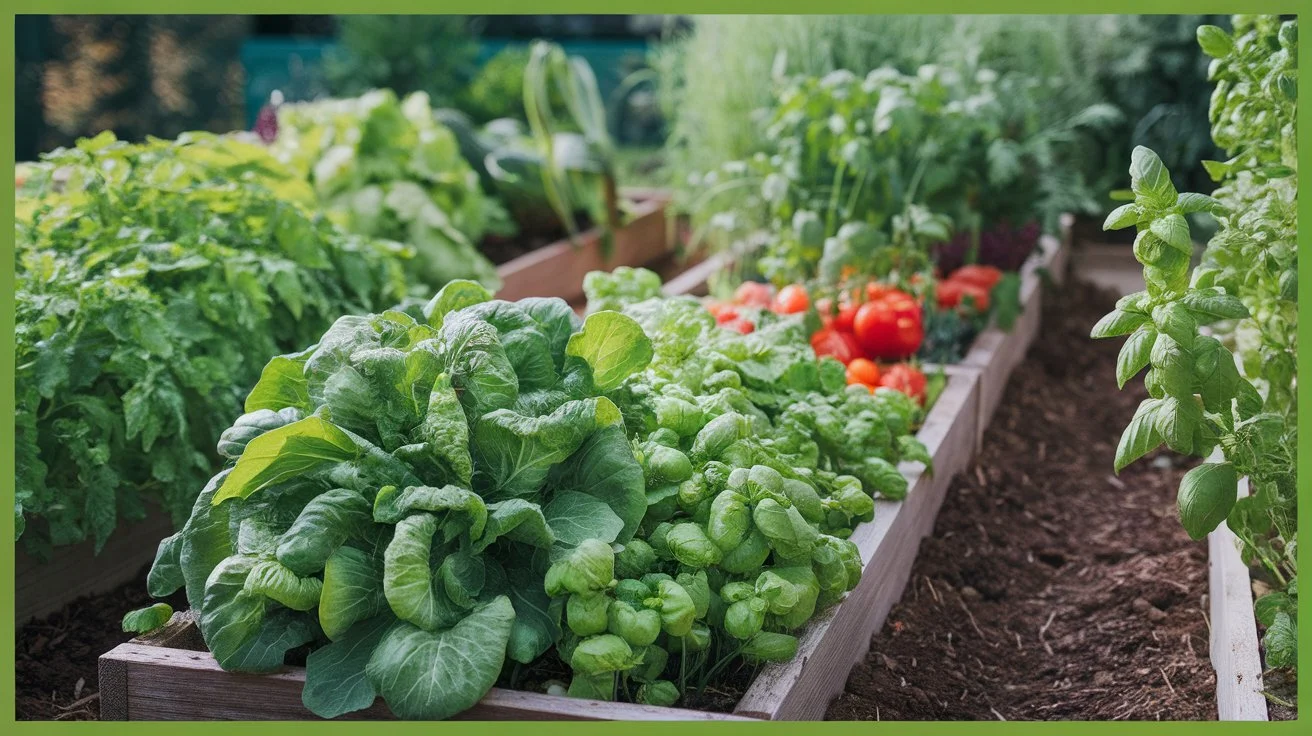
Imagine stepping outside your back door and harvesting crisp lettuce, fragrant basil, or juicy tomatoes—right from your own raised bed garden. Raised beds are one of the easiest ways to grow vegetables, herbs, and flowers while improving soil quality, reducing weeds, and making gardening easier on your back.
Whether you’re a beginner or a seasoned gardener, raised beds provide a structured, space-saving, and highly productive way to garden. In this guide, we’ll walk you through everything you need to know about DIY raised garden beds, from designing and building to choosing the best plants and keeping your garden thriving.
Free eBook
Rooted in Grace
A Christian guide to intuitive gardening — the whole book, free. Tell me where to send it and it’s yours in a minute.
Why Choose Raised Bed Gardens?
Raised beds offer multiple advantages over traditional in-ground gardening. If you’re still debating whether to build one, here’s why they’re worth it:
| Benefit | Why It Matters |
|---|---|
| Better Drainage | Water flows freely, preventing soggy roots and fungal issues. |
| Improved Soil Control | You control the soil quality, eliminating poor native soil problems. |
| Higher Yields | Dense planting maximizes space, producing more food per square foot. |
| Easier Maintenance | Less bending, fewer weeds, and better accessibility. |
| Extended Growing Season | Soil warms up earlier in spring and stays productive longer. |
| Pest & Weed Reduction | Fewer weeds and some natural protection from ground-dwelling pests. |
If you’re tight on space, a raised bed is perfect for growing vegetables in a small backyard or even setting up an outdoor herb garden on a patio.
Free download
Rooted in Grace: the eBook
If gardening has ever felt like more than a hobby to you, this is the book I wrote for that. Free, and yours to keep.
Step 1: Planning Your Raised Bed Garden Design
A little planning goes a long way. Before you start building, consider these three key factors:
1. Choose the Right Location
- Sunlight is king! Most vegetables and herbs need at least 6–8 hours of direct sunlight daily.
- Avoid tree roots—they compete for nutrients and moisture.
- Check water access—dragging a hose across the yard every day gets old fast!
2. Decide on Raised Bed Size & Height
- Width: A 4-foot-wide bed allows easy access from both sides without stepping on the soil.
- Length: 6 to 8 feet long is common, but go as long as your space allows.
- Height: Plant Type Ideal Bed Depth Leafy greens, herbs 6–8 inches Tomatoes, peppers, root crops 12–18 inches Potatoes, deep-rooted veggies 18–24 inches
3. Select the Best Materials
| Material | Pros | Cons |
|---|---|---|
| Cedar or Redwood | Long-lasting, rot-resistant, natural look | More expensive |
| Galvanized Metal | Durable, modern, resists warping | Can heat up in full sun |
| Cinder Blocks | Cheap, easy to find | Can leach lime into soil |
| Recycled Wood | Eco-friendly, budget-friendly | May contain chemicals if treated |
💡 Tip: Check out these raised garden bed kits for an easy, no-tools-required setup!
Step 2: How to Build a DIY Raised Garden Bed
Building your own raised bed is easier than you think! Here’s how to do it:
Materials Needed:
✅ Cedar planks or metal sheets (for the frame)
✅ Screws or nails
✅ Drill & level
✅ Cardboard or landscape fabric (weed barrier)
✅ High-quality soil mix
Step-by-Step Instructions:
- Build the Frame – Screw the boards together to form a rectangle or use a pre-made kit.
- Level the Ground – Clear grass and debris, making sure the area is even.
- Add a Weed Barrier – Lay down cardboard or landscape fabric to suppress weeds.
- Fill with Soil – Use a mix of topsoil, compost, and peat moss for nutrient-rich beds.
- Water & Plant – Lightly moisten the soil before planting your first crops!
Step 3: What to Grow in a Raised Bed Garden?
Raised beds work for almost any plant! But some thrive better than others. Here’s what to grow:
| Best Vegetables | Best Herbs |
|---|---|
| Lettuce & Spinach | Basil |
| Carrots & Radishes | Rosemary |
| Peppers & Tomatoes | Thyme & Oregano |
| Cucumbers & Zucchini | Mint (keep in a separate container!) |
| Green Beans & Peas | Chives |
🌱 Pro Tip: Use companion planting—like basil with tomatoes or carrots with onions—to improve growth and reduce pests!
Step 4: Maintaining Your Raised Bed Garden
Keeping your garden healthy doesn’t have to be a chore. Follow these simple tips:
- Mulch – Retains moisture and suppresses weeds.
- Watering – Raised beds dry out faster than ground soil, so water deeply 2–3 times per week.
- Fertilize – Use organic compost or liquid fertilizer to keep plants thriving.
- Weed & Prune – Spend 5–10 minutes weekly pulling small weeds and trimming overgrowth.
Step 5: Take Your Raised Bed to the Next Level
Want to upgrade your raised bed garden? Try these:
✅ Add a trellis – Perfect for vining crops like peas, cucumbers, and beans.
✅ Install a drip irrigation system – Saves water and time.
✅ Build a cold frame – Extend your growing season with a simple plastic cover.
✅ Use vertical planters – Stack herbs or strawberries in small spaces.
Shop This Post
Everything you need to build and fill a raised bed that actually lasts.
- Galvanized Raised Bed Kit
No-tools setup if you would rather skip the saw and the screws. - Landscape Fabric Weed Barrier
Goes down before the soil so weeds do not come up through the bottom. - Espoma Organic Raised Bed Mix
A ready-made blend, so you are not guessing at topsoil-to-compost ratios. - Organic Compost
Feeds the bed each season without reaching for synthetic fertilizer. - CANAGROW Trellis Netting
Sends cucumbers, peas, and beans upward and frees up bed space. - Drip Irrigation Kit
Raised beds dry out fast; this keeps watering consistent and hands-free.
As an Amazon Associate I earn from qualifying purchases, at no extra cost to you.
Final Thoughts
Creating a DIY raised garden bed is one of the best investments you can make for your home garden. Whether you’re planning a vegetable garden with raised beds or a small outdoor herb garden, this method allows for better soil control, higher yields, and easier maintenance.
💡 Ready to start gardening? Let me know in the comments what you’re growing this season! 🌱
Free eBook
Before you go — the book is yours
Rooted in Grace: A Christian Guide to Intuitive Gardening. No cost, no catch. Read it on any device, at whatever pace the season allows.


One Comment