Top 7 Harvesting Tips for Maximum Yield – Radishes, Lettuce, Herbs & More!

Some of the links in this post are affiliate links, which means I may earn a small commission at no additional cost to you. As an Amazon Associate, I earn from qualifying purchases. I only recommend products I genuinely trust. Some content is created with strategic use of AI tools. For more information, please visit the Privacy Policy page.
Top 7 Harvesting Tips for Maximum Yield — Radishes, Lettuce, Herbs & More! 🌿
Well, friends, it’s that magical time of year when spring crops like radishes, lettuce, and a bounty of fresh herbs are practically bursting from the soil—especially here in Zone 9, where our growing season is generous and forgiving. If you’re like me, you don’t just want a harvest; you want a great harvest. The kind that fills your basket, your kitchen, and your heart with quiet satisfaction. ✨ I’ve learned through years of growing in Houston’s subtropical climate that harvesting is just as important as planting. It’s where observation meets action—where we pause, notice what our plants are telling us, and respond faithfully to their needs. So grab your gloves, your favorite basket (because why not make it beautiful?), and let’s walk through some practical wisdom to help you maximize your springtime bounty. 🍳Free eBook
Rooted in Grace
A Christian guide to intuitive gardening — the whole book, free. Tell me where to send it and it’s yours in a minute.
💧 Understanding the Zone 9 Spring Window
Before we dive into the specific tips, let me remind you: our Houston spring is brief but abundant. Unlike gardeners up north who have months of cool-season growing, we’ve got roughly 6-8 weeks of ideal conditions before the heat really settles in. This means timing your harvests isn’t just about getting the best flavor—it’s about respecting the rhythms of our particular climate. Our cool-season crops start fading by late April, which is why early and frequent harvesting matters so much.
Sanda’s Zone 9 Note: In Houston, plant your spring crops in late January through February for optimal growth before the heat arrives. This gives you a full, glorious spring season to harvest from—approximately mid-March through late April. By mid-May, most cool-season crops will be feeling stressed, so plan accordingly!
🌱 Tip #1: Harvest Early and Often
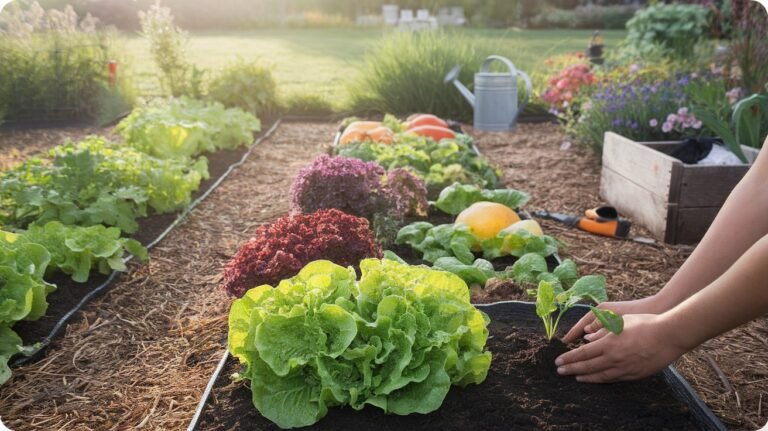
Here’s something I’ve discovered through seasons of tending my garden: the more you pick, the more you get. It sounds counterintuitive, but it’s true. Many spring crops—especially lettuce, basil, and cilantro—respond to regular harvesting by becoming bushier, more vigorous, and more productive. When you harvest tender lettuce leaves when they’re about 4-6 inches tall, you’re actually encouraging the plant to send up more leaves. With herbs like basil and cilantro, those regular snips signal the plant to branch out rather than bolt. It’s a beautiful example of how gentle, consistent care produces abundance. Think of it like this: you’re not depleting the plant; you’re conversing with it. Each harvest is a conversation that says, “I see you, I appreciate you, and I’m inviting you to grow even fuller.” 🌿⏰ Tip #2: Know Your Crop Maturity Times
Timing is absolutely everything in gardening—and in life, really. When you know the maturity timeline for each crop, you’re working with nature rather than against it. Here’s a practical reference guide for the crops that do beautifully in our Zone 9 spring:| Crop | Days to Harvest | Harvest Cue | Zone 9 Timing |
|---|---|---|---|
| Radishes 🍅 | 20-30 days | Bulbs are ¾–1 inch wide | Late February–early March |
| Lettuce 🥬 | 30-45 days | Leaves reach 4-6 inches | Mid-March–early April |
| Basil 🌿 | 30-40 days | Plants 6-8 inches tall | Late March–April |
| Cilantro 🌾 | 50-60 days | Leaves are full and feathery | Late February–early April |
✂️ Tip #3: Use the Right Tools
Here’s something my hands have taught me over the years: sharp scissors or garden snips are non-negotiable. Dull tools crush plant tissue, creating stress and an entry point for disease. Sharp tools make clean cuts that heal quickly. But more than that, how you harvest matters deeply. A gentle hand goes a long way. When you’re tempted to tug a stem or leaf, pause and reach for your snips instead. Tugging on stems can damage roots and bruise the plant tissue that will regrow. It’s the difference between a plant that bounces back with vigor and one that struggles. I keep several pairs of pruning shears stationed throughout my garden—small, lightweight ones that are easy to grab. It makes it more likely I’ll use the right tool rather than resort to my fingers. ☀️🌅 Tip #4: Harvest in the Morning
There’s wisdom in the old saying that plants are perkiest in the early hours. Morning harvests ensure peak freshness and the best flavor. It’s because plants have had all night to absorb moisture and store sugars. You’ll notice the difference—lettuce harvested at dawn is crispier, herbs taste more vibrant, and even radishes seem somehow sweeter. Beyond the practical benefits, there’s something restorative about harvesting in the early morning. The garden is quiet. The light is soft. You’re moving slowly, noticing things—the dewdrops on spider webs, the birds waking up, the way your plants have grown since yesterday. It becomes less of a chore and more of a meditation. ☕🌿 Tip #5: Leave Some Leaves Behind
This principle is foundational: when harvesting leafy greens like lettuce or basil, never take more than a third of the plant at once. This might feel conservative at first, but trust me—it’s what allows the plant to keep growing and providing for weeks to come. Think of it spiritually: we’re not taking everything; we’re taking only what we need, with gratitude, leaving plenty for the plant to continue its work. When you do this consistently, your lettuce beds will keep producing well into late spring, and your basil will become a lush, sprawling bush rather than a scraggly stem. I’ve noticed that gardeners who struggle with quick bolt-outs or stressed plants are often the ones who’re too greedy with their harvests. Restraint isn’t about limitation—it’s about abundance through respect. 💚⚡ Tip #6: Watch for Bolting Signs
Spring heat in Houston can catch us off guard. One week you’ve got perfect growing weather, and the next thing you know, temperatures are creeping toward 85°F. Crops like lettuce and cilantro are heat-sensitive, and when they sense the change coming, they bolt—sending up flower stalks and going to seed.
⚠️ Watch Out! In Zone 9, watch your 10-day forecast starting in mid-April. If you see consistent days above 80°F on the horizon, harvest your lettuce and cilantro immediately, even if they’re not quite full-sized. Once bolting begins, the leaves become bitter, and the plant’s energy shifts entirely to seed production. You can’t reverse this, so the best strategy is prevention through timely harvesting.
Here’s what to look for: a tightening of the center leaves (in lettuce), a flower stalk beginning to form, or that unmistakable change in growth pattern. When you spot these signs, it’s time to harvest generously and either preserve what you’ve got or plan for a fall crop instead.
💧 Tip #7: Hydrate After Harvest
After you’ve harvested, give your plants a good, thorough drink. This might seem simple, but it’s crucial. Harvesting is a form of plant stress, and water is what helps them recover and bounce back. A solid watering after picking also ensures the remaining foliage stays crisp and the plant has the moisture reserves it needs to regrow. In our Houston heat, this becomes even more important. Morning harvesting followed by a calm watering sets your plants up beautifully for a hot afternoon. They’ll stay resilient longer. 🌱📊 Spring Harvest Frequency & Technique Reference
Here’s a quick glance at the rhythm you’ll want to settle into with each crop:| Crop | Harvest Frequency | Best Technique |
|---|---|---|
| Radishes | Once at maturity | Pull gently from soil, leaving roots intact |
| Lettuce | Every 3-5 days | Snip outer leaves with scissors, leave center to grow |
| Basil | Every 5-7 days | Pinch just above a leaf node to keep it branching |
| Cilantro | Every 4-6 days | Snip outer stems at the base, leave the crown to regrow |
The Art of Selective Harvesting: Training Your Eye for Plant Health
One thing I’ve learned through seasons of gardening is that harvest wisdom isn’t just about when to pick—it’s about learning to read what your plants are actually telling you. Every plant speaks a language of vigor, stress, and readiness, and the more time you spend in the garden observing, the more fluent you become. In our Houston spring, this becomes especially important because our window is compressed. We need to be intentional. When you walk through your garden in the early morning, pause before you snip. Look at the overall structure of each plant. Is the stem thick and firm, or does it feel weak and bendy? Are the leaves a bright, true green, or are they showing that tired, pale cast that signals the plant is beginning to stress? A healthy plant will bounce back quickly from harvest; a stressed plant might not recover at all before our heat arrives. I’ve found that the best harvests come from plants that are in their prime—roughly mid-to-late in their lifecycle, but before they show signs of decline. With lettuce, this sweet spot is usually weeks 4-6 after germination here in Zone 9. With herbs like basil and cilantro, you want them established enough to handle regular picking without shocking the system, but young enough that they haven’t started thinking about flowering. The technique matters too. When you’re harvesting leafy crops, try to always leave at least two sets of true leaves on the plant after you snip. This keeps the plant vigorous and prevents that “picked over” look. With herbs, pinch or snip just above a leaf node—that’s where the plant naturally wants to branch. When you cut haphazardly in the middle of a stem, you’re forcing the plant to work harder to heal and regrow. Respect the plant’s own growth patterns, and it will reward you with abundance. 🌿Preservation Strategies for Peak-Season Abundance
Sometimes, especially in late March and early April, your harvest will outpace what you can eat fresh. This is a beautiful problem to have, and instead of letting that bounty go to waste as plants bolt in approaching heat, you can preserve it thoughtfully. For lettuce and tender greens, the most reliable approach is simple storage: harvest in the morning, gently rinse and spin dry (or pat with clean linen), and store in the refrigerator in breathable containers—paper towels work beautifully—where they’ll keep for a week or more. The key is removing excess moisture without bruising the leaves. With herbs, you have several options depending on what you grow. Basil is best used fresh or frozen in small portions (I blend it with a bit of olive oil and freeze in ice-cube trays for winter cooking). Cilantro can be frozen similarly, though it loses some of its vibrant character. Parsley and other hardy herbs can be dried by hanging small bundles upside down in a warm, airy spot—perfect for our Houston humidity if you hang them indoors near a fan. Radishes, of course, store beautifully in the crisper drawer and will keep for weeks. But if you find yourself with an overwhelming harvest (which happens when you plant succession crops!), consider pickling. Quick-pickled radishes take about 30 minutes and taste brilliant alongside spring meals.
Sanda’s Tip: In late March and April, when heat warnings start appearing in our Houston forecasts, shift into “preservation mode” immediately. Harvest more generously than usual, store what you can, and share the rest with neighbors or food banks. This isn’t failure—it’s working in harmony with the season’s natural rhythm and being a good steward of abundance.
Reading the Heat Signals: When to Harvest Hard and Plant for Fall
Our Zone 9 spring teaches us something profound about timing and surrender. Around mid-April, you’ll start noticing subtle shifts. The cool mornings get shorter. Afternoon temperatures creep higher. The grass starts growing faster. These aren’t just seasonal changes—they’re signals that our cool-season crops are approaching their limit. This is when your harvesting strategy needs to shift. Instead of the gentle, sustainable picking you’ve been doing, you’ll want to harvest more aggressively from lettuce and cilantro. Take larger portions. Use what you need, preserve what you can, and prepare yourself emotionally for the fact that some plants may not make it to full maturity. That’s not a failure on your part—that’s respecting the reality of our climate. Around this same time (typically late April), many gardeners start thinking ahead to fall crops. Our summer is too hot for most leafy greens and herbs, but here’s the beautiful thing: late July and August are when you plant for a spectacular fall harvest. While friends in cooler zones are dealing with drought and heat stress, we’re quietly preparing the soil and getting seeds ready for what will become one of the most abundant growing seasons of the year. Cilantro, lettuce, kale, spinach, and herbs all thrive in our fall garden from September through November. The spiritual lesson in all of this is profound. Gardening teaches us that not every season is for growth in the same way. Spring is generous but brief. Summer demands patience and acceptance of limitation. Fall brings abundance again. When we learn to read these rhythms and move with them instead of against them, we stop fighting our climate and start dancing with it. We harvest thoughtfully not because we’re maximizing production, but because we’re honoring the particular gift that each season brings. That kind of attentiveness—to place, to timing, to the quiet whispers of the natural world—shapes us into more present, more grateful people. It teaches us to receive what’s offered without grasping, and to let go without regret. 💚🧺 Shop This Post: My Spring Harvest Kit
The simple, well-loved tools I reach for when the spring beds start giving more than I can carry.
- Fiskars Bypass Pruning Shears — clean cuts that heal fast, so plants bounce back instead of struggling.
- Fiskars Micro-Tip Garden Snips — light enough to keep stationed by every bed for quick, gentle harvesting.
- Maine Garden Hod Basket — holds a beautiful haul and rinses right at the spigot.
- Breathable Garden Gloves — a soft, grippy pair for those early, dewy mornings.
- OXO Good Grips Salad Spinner — spins tender greens dry without bruising a single leaf.
- Silicone Ice Cube Trays — for freezing basil in olive oil to carry summer into winter.
- Produce Storage Containers — keep lettuce and herbs crisp in the fridge for a week or more.
As an Amazon Associate, I earn from qualifying purchases. I only share tools I genuinely use and trust in my own Houston garden.
Ready to Go Deeper in the Garden?
If this article resonated with you, you might be ready for something more than tips.
- Download the FREE Rooted in Grace eBook
- Get the Rooted in Grace Print Book on Amazon
- Join Rooted Reset
- Follow on Instagram – @southernsoils
- Save on Pinterest – @southernsoilsunshine
- Join on Facebook – Southern Soil Sunshine
“The garden is not just a place to grow plants – it is a place to grow yourself.”
Free eBook
Before you go — the book is yours
Rooted in Grace: A Christian Guide to Intuitive Gardening. No cost, no catch. Read it on any device, at whatever pace the season allows.