Mulching New Flowers and Herbs: Protecting the Small but Promising
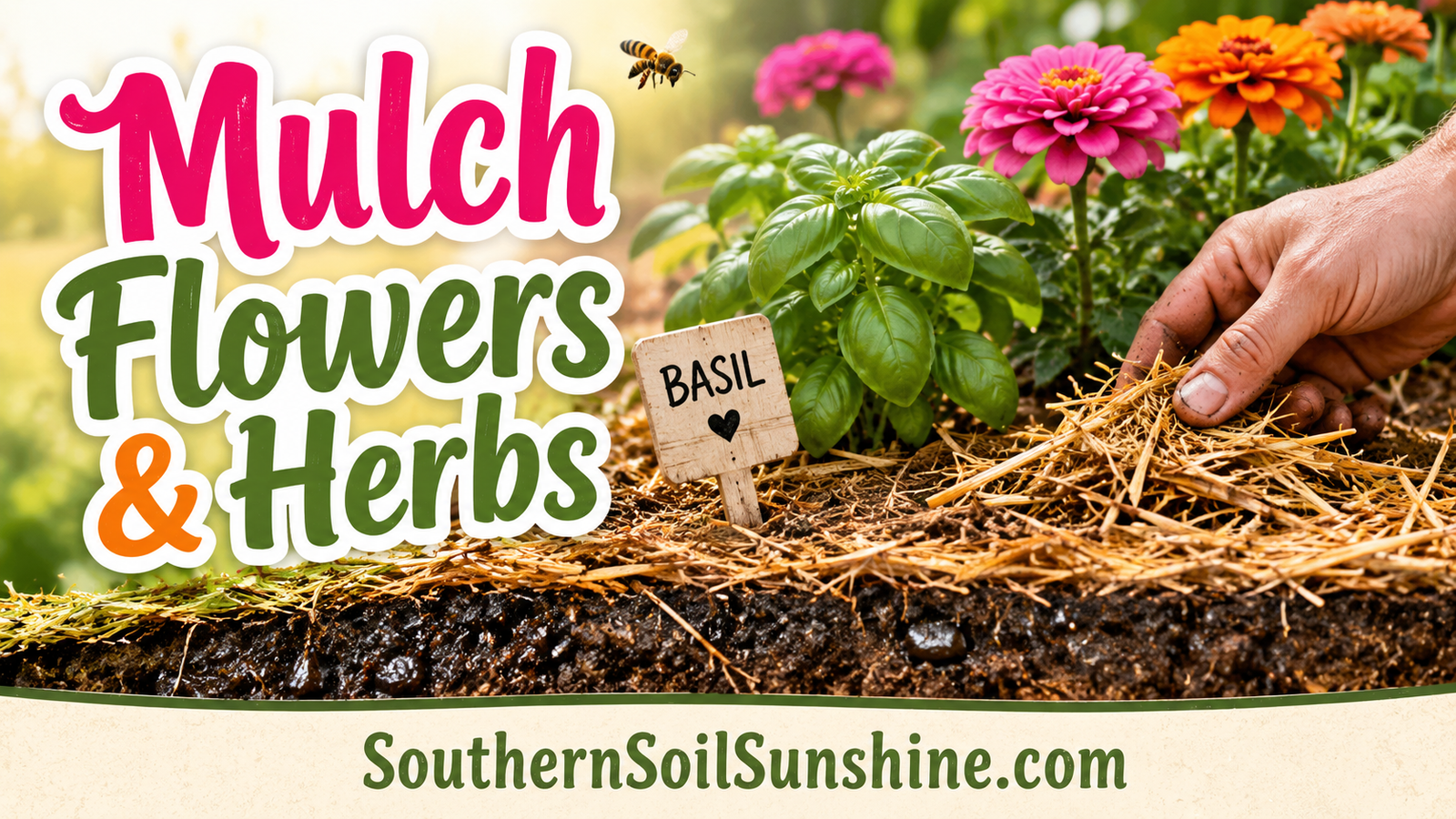
The Small Things Worth Protecting 🌼
Vegetables get most of a gardener’s attention, but a garden is richer for its flowers and herbs — the marigolds and zinnias that draw the pollinators, the basil and thyme that flavor our meals, the blooms that simply make the garden beautiful. In April we plant many of them, tucking small transplants and seedlings into beds and borders. And these small, promising plants deserve the same protective care we give everything else, beginning with a good layer of mulch. A newly planted flower or herb is little and vulnerable, but full of promise — and mulching around it is one of the simplest, kindest ways to protect that promise as it grows.
This day’s task is to mulch around your newly planted flowers and herbs, and it carries a tender phrase: protect what is small but promising. Let me show you how to mulch these plants well, and why guarding the small-but-promising things is such a worthy and quietly beautiful practice.
Free eBook
Rooted in Grace
A Christian guide to intuitive gardening — the whole book, free. Tell me where to send it and it’s yours in a minute.
Why New Flowers and Herbs Need Mulch
A young flower or herb, freshly planted, faces the same challenges as any new transplant, only it is often smaller and more delicate. Its small root system has not yet spread into the surrounding soil, so it dries out quickly. Its tender base is vulnerable to both the lingering cool of a spring night and the growing warmth of an April afternoon. And the open soil around it is prime real estate for weeds that will happily overwhelm a small plant. Mulch answers all of these at once: it holds moisture around the shallow young roots, moderates the soil temperature, suppresses the weeds that would crowd a little plant, and as it breaks down, gently enriches the soil the plant is rooting into.
For herbs especially, good soil conditions matter to flavor and health, and many Mediterranean herbs — rosemary, thyme, oregano, lavender — want excellent drainage. For these, a lighter mulch and care not to trap too much moisture around the crown is wise. For flowers and moisture-loving herbs like basil and parsley, a more generous mulch to hold consistent moisture serves them beautifully. Matching the mulch to the plant is part of the care.
Choosing and Applying Mulch for Ornamentals and Herbs
The right mulch depends a little on the plant, but the principles are simple. Here is a quick guide.
| Plant Type | Good Mulch | Keep in Mind |
|---|---|---|
| Flowers (annuals) | Shredded leaves, compost, fine bark | Hold moisture; keep off stems |
| Basil, parsley, cilantro | Straw, shredded leaves, compost | These like steady moisture |
| Rosemary, thyme, lavender | Light mulch, or gravel/grit | Need sharp drainage; avoid soggy crowns |
| Perennial herbs | Compost, bark | Refresh yearly |
Spread a two-to-three-inch layer of mulch around each new plant, and — as always — keep it pulled back an inch or two from the stem or crown. This is especially important for herbs, whose woody or crown-forming bases rot easily if buried in damp mulch. Ring the plant with protection; never smother it. Water the new plantings in well first, then mulch to lock that moisture in. The result is a bed of small plants each nestled in a protective collar of mulch, sheltered and ready to grow.
Ongoing Care for Small Plants
Mulch is the beginning of protecting these small-but-promising plants, not the whole of it. Keep the soil evenly moist while they establish, watering gently at the base. Watch for the pests and nibblers that find tender young plants — a small flower seedling can vanish overnight to a hungry pill bug or slug, so keep an eye out early. Pinch back herbs like basil once they have a few sets of leaves to encourage bushy, productive growth. And simply pay attention: small plants change fast, and a little regular care now is repaid many times over as they fill out into the flowers and herbs that will grace your garden and your table all season.
Protect What Is Small but Promising
This day’s phrase moves me every time: protect what is small but promising. It is such a tender way to see a newly planted flower or herb — not much to look at yet, just a little green thing in the soil, and yet full of promise, holding within it the blooms and the fragrance and the flavor that are still to come. And the loving response to something small but promising is not to overlook it because it is small, nor to demand it be more than it is, but simply to protect it — to shelter and tend the promise while it is still fragile, trusting what it will become.
How much in our lives is exactly this: small, but promising. The new habit barely begun. The young dream. The tender relationship. The fresh start. The quiet gift in a child, or in ourselves, that has only just begun to show. These small-but-promising things are so easily neglected precisely because they are small — not yet impressive, not yet producing, easy to overlook in favor of what is already grown and obvious. But the garden teaches us to protect them: to ring the small promising thing with care, to shelter it while it is vulnerable, to guard its beginning so it can grow into its fullness. So as you mulch your new flowers and herbs today, tucking each little plant into its collar of protection, let it prompt you to notice the small-but-promising things in your own life and to protect them the same way — gently, faithfully, with a believing eye toward all they are still becoming. What is small but promising is worth protecting. It always was.
Share your new flower and herb beds with us on Instagram @southernsoils — there is quiet joy in tending the small, promising beginnings of a season.
Why Flowers and Herbs Earn Their Place
It is worth remembering, as you tuck these small plants in, how much they give back to the whole garden — because flowers and herbs are not merely decorative. They are among the hardest-working plants you can grow, and protecting them well pays dividends far beyond their own beauty.
| Plant | What It Gives the Garden |
|---|---|
| Marigolds & zinnias | Draw pollinators; some deter pests |
| Basil | Companion to tomatoes; flavor; bee flowers |
| Dill & cilantro flowers | Feed beneficial insects that eat aphids |
| Thyme & oregano | Ground-covering, fragrant, pollinator-loved |
A vegetable garden ringed with flowers and threaded with herbs is a healthier, more balanced place. The blooms call in the bees that pollinate your squash and cucumbers. The herb flowers feed the tiny beneficial insects that hunt aphids. Some flowers confuse or repel pests, and many herbs make excellent companions to your vegetables. So these small plants you are protecting today are quietly protecting the whole garden in return — a lovely reminder that the small, promising things we tend often give back far more than their size would suggest.
A Garden More Beautiful for the Tending
There is also simply the beauty and joy of it, which is reason enough. A garden grown only for food feeds the body; a garden that also holds flowers and fragrant herbs feeds something deeper. The zinnias you protect today will fill your beds with color and your kitchen table with cut bouquets. The herbs will scent your hands as you brush past them and flavor your meals all season. These are the plants that make a garden a place of delight and not merely production — and they begin as the small, humble transplants you are mulching and sheltering right now. In protecting the small promising things, you are protecting the future beauty and fragrance and joy of your whole garden.
Tend the Beginning Well
So give these small plants their due today. Water them in, ring them with a gentle collar of mulch matched to their needs, keep the covering back from their tender crowns, and watch over them as they establish. It is quiet, modest work — kneeling in the April soil, tucking mulch around little green things that do not look like much yet. But you are protecting promise. You are guarding beginnings. And in a few weeks and months, as those small plants unfold into blooms and fragrance and flavor, you will see exactly what your early, faithful care made possible. Protect the small but promising things — in your garden beds and in your life — and let their becoming be your reward.
A Few Minutes That Change the Season
Do not rush past this small task in your eagerness to get to the vegetables. The few minutes you spend today mulching around your new flowers and herbs will echo through the whole season — in plants that establish faster, hold moisture through the coming heat, and shrug off the weeds and swings that would have set them back. Small plants given a gentle, protected start grow into strong, generous ones; small plants left exposed and neglected too often struggle or simply disappear. The difference is a collar of mulch and a little attention, offered while the plants are most vulnerable. So kneel down and tend these small promising things with care today. It is humble work, but it is exactly the kind of quiet, early faithfulness that a garden — and a life — is built on. Protect the beginnings well, and the flourishing takes care of itself.
Tuck them in with care today, and let the small, promising beginnings you protect this morning become the beauty and fragrance that fill your garden all season long.
Ready to Go Deeper in the Garden?
If this article resonated with you, you might be ready for something more than tips.
- Download the FREE Rooted in Grace eBook
- Join Rooted Reset
- Follow on Instagram – @southernsoils
“The garden is not just a place to grow plants – it is a place to grow yourself.”
Free eBook
Before you go — the book is yours
Rooted in Grace: A Christian Guide to Intuitive Gardening. No cost, no catch. Read it on any device, at whatever pace the season allows.