How to Grow Cool Weather Herbs: A Guide for Beginners in Zone 9

How to Grow Cool Weather Herbs in Zone 9: A Gardener’s Guide to Fresh Flavors 🌿
There’s something deeply satisfying about stepping outside on a cool November morning to snip fresh cilantro for your evening meal, or finding delicate chervil leaves glistening with dew in your garden bed. If you’re gardening in Zone 9—especially here in the Houston suburbs—cool weather herbs are your golden opportunity to grow fresh, flavorful plants when our summer heat finally breaks.
Unlike most of the country, we get to enjoy our herb gardens during fall, winter, and early spring. While gardeners up north are putting their tools away, we’re just getting started. In this guide, I’ll walk you through growing some of the best cool-weather herbs for our zone, drawing from what I’ve learned through seasons of planting, observing what thrives, and responding to what our Texas gardens need.
Free eBook
Rooted in Grace
A Christian guide to intuitive gardening — the whole book, free. Tell me where to send it and it’s yours in a minute.
Why These Herbs Matter for Your Zone 9 Garden 🪴
Growing cool-weather herbs isn’t just practical—it’s a beautiful way to align your gardening with the natural rhythms of where we live. Here in Zone 9, these herbs offer us something special: an extended harvest season when the heat-loving plants are struggling.
Sanda’s Tip: Cool-weather herbs thrive in our mild winters and teach us an important gardening lesson: there’s a season for everything. When we stop fighting against the weather and work with it instead, gardening becomes less exhausting and more joyful.
Cool-weather herbs give us fresh ingredients for our recipes during the months when locally-grown options are scarce. They bring pollinator-friendly blooms (yes, herbs flower beautifully!). They’re low-maintenance once established. And in Zone 9, many can grow outdoors without any protection, making them one of the easiest, most rewarding additions to a garden bed or container.
The Five Stars of Cool-Weather Gardening in Zone 9
Let me introduce you to the herbs that have performed best in my own Zone 9 garden and in gardens throughout the Houston area:
| Herb | Best Planting Method | Key Growing Notes for Zone 9 |
| Dill | Direct sow or transplant | Loves full sun; grows quickly; attracts swallowtail butterflies |
| Parsley | Transplant preferred | Tolerates afternoon shade; longest harvest window; slow to germinate from seed |
| Cilantro | Direct sow | Bolts quickly when temps rise; succession plant every 2-3 weeks |
| Chervil | Direct sow or transplant | Prefers partial shade; delicate, anise-like flavor; less common but worth trying |
| Fennel | Direct sow or transplant | Ornamental and edible; full sun; can reach 3-4 feet tall; attracts beneficial insects |
Understanding Direct Sowing vs. Transplants: Know Your Approach
When to Direct Sow
Direct sowing means planting seeds straight into the garden soil where you want them to grow. For herbs like cilantro and dill, which dislike having their roots disturbed, this is the gentler approach. We practice what I call “intuitive observation” here: these plants tell us through their growth patterns that they prefer undisturbed roots.
In Zone 9, you’ll want to direct sow these herbs starting in mid-September through November, then again in late February through March. These timing windows give your herbs the cool soil and mild temperatures they need to germinate and establish strong root systems before our summer heat returns.
When to Use Transplants
For parsley and some gardeners’ preference with chervil, starting with transplants makes sense. Parsley seeds are notoriously slow to germinate—some say they go to visit the devil and back! Starting seeds indoors 6-8 weeks before your intended outdoor planting date, or purchasing ready-grown seedlings from your local nursery, saves frustration and gets you harvesting sooner.
Sanda’s Zone 9 Note: Be cautious about purchasing transplants too early in the season. A parsley or dill transplant sitting in a warm nursery in August might bolt before you even get it in the ground. Wait until late September when conditions cool to seek out these plants.
Your Step-by-Step Guide to Growing Success
Step 1: Choose Your Location Thoughtfully
Location is where observation meets action in the intuitive gardening practice. Before you plant, spend a few days watching your garden space. Where does the sun reach? Where is it shadiest in late afternoon?
Most cool-weather herbs prefer full sun—that’s 6-8 hours of direct sun daily. However, parsley and chervil are more forgiving and actually appreciate afternoon shade during our transitional months when days are still warm. Fennel, dill, and cilantro all want that generous sunlight to develop their best flavors.
Look for soil that drains well. If water pools in your chosen spot after rain, you’ll want to either build a raised bed or choose a different location. These herbs don’t want wet feet.
Step 2: Prepare Your Soil with Care
Zone 9 Houston soils are often heavy clay that compacts easily. Here’s what I do: I loosen the soil to a depth of 8-10 inches, removing any weeds and large clods. Then I work in compost—about 2-3 inches mixed into the top 6-8 inches of soil. This improves drainage, adds nutrients, and creates the slightly neutral pH (around 6.0-7.0) these herbs prefer.
Think of soil preparation as an investment in your future harvests. Taking this time now means healthier plants and easier maintenance later.
Step 3: Plant with Proper Spacing and Depth
Here’s a practical reference table for direct sowing:
| Herb | Planting Depth | Spacing Between Plants | Days to Sprout |
| Dill | ¼ inch | 8-12 inches | 7-14 days |
| Cilantro | ¼ inch | 6 inches | 7-10 days |
| Chervil | ¼ inch | 8 inches | 7-14 days |
| Parsley | ¼ inch | 6-8 inches | 14-21 days |
| Fennel | ¼ inch | 12-18 inches | 7-14 days |
When direct sowing, follow the spacing and depth instructions on your seed packet—they’re there for a reason. After sowing, water gently with a fine mist to settle the seeds without washing them away. Keep the soil consistently moist until seeds sprout.
For transplants, dig holes slightly larger than the root ball, plant at the same depth the seedling was growing in its container, and water thoroughly. Don’t bury the crown of the plant deeper than it was before—that invites rot.
Step 4: Water and Fertilize with Intention
Keep soil consistently moist but not soggy during the germination and establishment phase. Once plants are growing, reduce watering frequency but water deeply. In our Zone 9 winters, you’ll likely need less water than you think—rainfall often provides what’s needed. Pay attention to your plants; they’ll tell you when they’re thirsty by looking slightly wilted.
For fertilizing, use a balanced organic fertilizer once monthly. Resist the urge to over-fertilize. Too much nitrogen encourages lush leaf growth at the expense of flavor. Remember: a little stress can actually deepen the intensity of herb flavors.
Step 5: Mulch Lightly
A thin layer of mulch—about 1-2 inches of shredded leaves or compost—helps retain moisture and suppresses weeds without smothering your plants. Keep mulch away from the stems to prevent rot.
Step 6: Harvest with Generosity
The beauty of these herbs is that harvesting actually encourages bushier growth. Here’s how to harvest each one for maximum yield and longevity:
Dill:
The Art of Succession Planting for Continuous Harvest
One of the most valuable lessons I’ve learned gardening in Zone 9 is that cool-weather herbs have a natural rhythm, and working with that rhythm—rather than against it—transforms your garden from feast-or-famine to a steady, dependable source of fresh flavors. Unlike perennial herbs that come back year after year, most cool-weather herbs are annuals in our zone, meaning they complete their life cycle and fade as temperatures shift.
This is where succession planting becomes your secret weapon. Rather than planting all your cilantro seeds at once in September, imagine spacing out small sowings every two to three weeks through November. What this means in practice is that as one planting reaches peak harvest and begins to bolt in early spring, your next planting is just entering its productive phase. You’re creating a wave of freshness rather than a single crest followed by a trough.
In Houston’s Zone 9, your succession planting window for cilantro, dill, and chervil runs from mid-September through early December. After that, temperatures may fluctuate too much, and your plantings might bolt unpredictably. For spring harvests, resume succession planting in late February and continue through March. This two-window system aligns perfectly with our mild winters and keeps your herb beds productive for eight to nine months of the year.
The practical beauty here is that you don’t need enormous garden space. A single 4×4 foot raised bed can support three or four succession plantings across the season if you plan it thoughtfully. Plant one section in September, another in late September, a third in mid-October, and perhaps a final one in November. As you harvest and clear sections, they become space for spring plantings.
Reading Your Plants: When Temperature and Bolting Matter Most
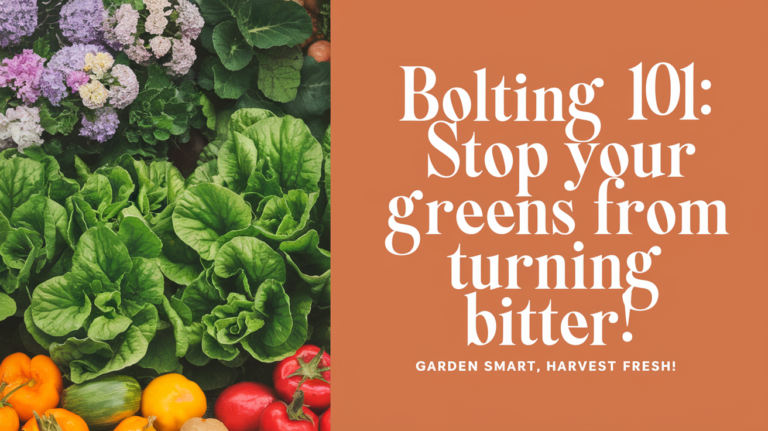
As you spend time with your cool-weather herbs, you’ll begin to notice something intuitive gardeners call “plant language”—the way your herbs communicate their needs and their readiness through visible changes. Bolting, or the transition to flowering, is the most important conversation your herbs will have with you, particularly cilantro.
Cilantro is famously bolt-prone in our zone, especially as days lengthen and temperatures creep upward in late February and March. You’ll see the stems elongate, the leaves become finer and more feathery, and tiny flower clusters appear at the top. At this point, the leaves often develop a soapy quality that many find unpleasant (though others actually prefer cilantro seed, called coriander, which develops in those flowers).
The thing about bolting is that it’s not a failure—it’s a signal that your plant is moving into the next phase of its life. Some gardeners intentionally allow cilantro to bolt to harvest the coriander seeds for cooking and planting. Others prefer to maintain tender leaves for as long as possible and simply replant fresh in their next succession window. Both approaches are valid; it depends on what you’re seeking from your garden.
Parsley, by contrast, is far more forgiving. It bolts much more slowly and actually continues producing usable leaves even as it flowers. Dill, fennel, and chervil fall somewhere in between—they’ll eventually flower, but you’ll have an extended harvest window if you keep picking the outer leaves and prevent seeds from dropping.
Sanda’s Garden Wisdom: Rather than fighting the bolt, consider letting at least one cilantro plant go to seed each season. The delicate flowers are beautiful and attract beneficial insects. Plus, you’ll get coriander seeds for your spice cabinet and self-seeding plants for spontaneous spring volunteers in your garden.
Container Growing: Flexibility for Zone 9 Gardeners
Not every gardener has ideal garden beds, and that’s perfectly fine. In the Houston suburbs especially, where many of us are gardening on patios, balconies, or in yards with challenging soil conditions, containers offer wonderful flexibility for growing cool-weather herbs.
Container gardening in Zone 9 comes with specific advantages for cool-weather herbs. Containers warm up faster than ground soil on sunny winter days, which can actually extend your growing season slightly by preventing frost damage to tender new growth. Conversely, on those unusual February freeze days we sometimes experience, it’s far easier to move a pot under a porch overhang or wrap it with frost cloth than to protect an entire garden bed.
For cool-weather herbs, I recommend containers that are at least 8-12 inches deep for parsley, dill, and fennel, and 6-8 inches deep for cilantro and chervil. Drainage holes are essential—there’s no exception here. Use a high-quality potting mix, not garden soil, which compacts in containers and prevents proper drainage.
The moisture dynamics in containers differ from in-ground gardening. Container soil dries out faster, especially in our relatively dry Houston winter air, but it also warms up more quickly on sunny days. Check your containers more frequently than you would garden beds, and water when the top inch of soil feels dry. In January and February, this might mean watering only once a week; in the cooler, damper months of December and November, perhaps twice a week.
One delightful aspect of container herb gardening is that you can arrange your pots close to your kitchen door. This proximity makes it far more likely you’ll pop outside to snip fresh herbs for your cooking, creating a lovely rhythm of harvest and use that deepens your connection to your food and your garden.
There’s a quiet spiritual practice embedded in gardening with the seasons, in working with rather than against the rhythms that govern the natural world. When we plant cool-weather herbs in Zone 9, we’re not simply growing food—we’re learning a profound lesson about surrender and timing. These herbs teach us that there’s a season for everything, a time to plant and a time to let go. In our hurried modern world, where we often expect everything year-round, the practice of seasonal herb gardening roots us more deeply in gratitude for what is, rather than frustration about what isn’t. This grounding in reality, in the actual conditions of where we live and when we’re living, is perhaps the deepest harvest of all.
Ready to Go Deeper in the Garden?
If this article resonated with you, you might be ready for something more than tips.
- Download the FREE Rooted in Grace eBook
- Get the Rooted in Grace Print Book on Amazon
- Join Rooted Reset
- Follow on Instagram – @southernsoils
- Save on Pinterest – @southernsoilsunshine
- Join on Facebook – Southern Soil Sunshine
“The garden is not just a place to grow plants – it is a place to grow yourself.”
Free eBook
Before you go — the book is yours
Rooted in Grace: A Christian Guide to Intuitive Gardening. No cost, no catch. Read it on any device, at whatever pace the season allows.



2 Comments