15 Pretty Vegetable Garden Ideas to Add Beauty and Productivity to Your Yard

15 Pretty Vegetable Garden Ideas to Add Beauty and Productivity to Your Yard
There’s something almost sacred about a vegetable garden that feeds both your body and your soul. In our Zone 9 Houston gardens, we have the gift of an extended growing season and the challenge of intense summer heat—which means our garden designs need to work as hard as they are beautiful. I’ve learned over the years that when you take time to intentionally design your vegetable garden, it becomes so much more than just a place to grow food. It becomes a sanctuary, a reflection of care, and a testament to God’s abundance in our hands. 🌱
When we observe our space with intention, reflect on what serves both beauty and function, and then respond faithfully to plant what thrives here, something magical happens. Your garden becomes an integrated whole—practical and gorgeous, productive and peaceful. Let me share 15 ways to transform your vegetable garden into a stunning visual centerpiece while keeping it practical for our specific climate and season.
Free eBook
Rooted in Grace
A Christian guide to intuitive gardening — the whole book, free. Tell me where to send it and it’s yours in a minute.
Understanding Garden Beauty in Zone 9
Before we dive into specific ideas, let’s talk about what “pretty” means in our Houston gardens. We’re not working with the cool-season gardens of northern zones. Our spring is brief, our summer is intense, and our fall is when many of us experience our absolute best growing season. A beautiful Zone 9 garden respects these realities. It might feature shade cloth cleverly woven into a trellis design, or strategic placement of tall plants to protect heat-sensitive crops. Beauty here is as much about wisdom as it is about aesthetics.
1. Mix Edibles with Ornamentals for Year-Round Color
This is my favorite approach, and it works beautifully in Houston gardens. Instead of segregating vegetables into a purely utilitarian space, we weave them together with flowers and ornamental foliage. Imagine purple basil (which actually thrives in our heat) paired with vibrant zinnias—both love our summer sun. Add in some golden nasturtiums, which are also edible, and suddenly your garden bed is an artist’s palette.
In our Zone 9 fall and spring gardens, try pairing jewel-toned kale with ornamental cabbages, dusty miller, and cool-season violas. The combination is stunning and entirely productive. These mixed beds also work harder for you: flowers attract pollinators and beneficial insects, while the varied plantings create natural pest management through diversity.
Sanda’s Tip: In our Houston heat, the ornamentals you choose should be heat-tolerant companions. Marigolds, zinnias, sunflowers, and cosmos all thrive in full sun alongside vegetables. They’ll bloom through our hot spells when you might otherwise have a tired-looking garden.
2. Build Raised Beds with Decorative and Functional Borders
Raised beds are almost essential in Houston gardening—our clay soil and summer drainage challenges make them worth their weight in garden gold. But there’s no reason they can’t be beautiful while solving those practical problems.
Consider borders made from natural stone salvaged from local sources (connecting us to our place), painted wood in colors that echo your home’s palette, or even corrugated metal for an industrial look. I’ve seen gardeners use limestone blocks, which not only look polished but also retain heat beautifully for our cooler seasons. If you’re painting wood, use non-toxic, weather-resistant finishes. The height of raised beds also matters in Zone 9—8 to 10 inches is often ideal for our summer crops, allowing air circulation around heat-sensitive plants.
3. Plant in Intentional Patterns
When you arrange vegetables with attention to color and form, your garden becomes living art. In our region, consider the visual impact of red Swiss chard transitioning to green lettuce, then golden beets in a repeating pattern. During our cooler season planting (September through November in Houston), you can play with deeper jewel tones: purple kale, dark red beets, and burgundy lettuce.
Spirals are especially popular and functional—they create a sense of movement and make harvesting intuitive. A checkerboard pattern of alternating vegetables creates satisfying geometry. The key is choosing crops that mature at similar rates so your pattern stays intact through the season.
4. Add Vertical Drama with Trellises and Arches
Vertical gardening is nearly essential in Houston. With limited space and the need to maximize air circulation in our humid climate, trellises are both beautiful and practical. Climbing vegetables like Southern peas, cucumbers, and Armenian cucumber love growing upward here, and the vertical growth keeps foliage off our often-wet soil, reducing disease pressure.
Install wrought iron trellises (which photograph beautifully), wooden arches stained to match your home, or even creative solutions like bamboo teepees. Tall sunflowers can serve as a living backdrop for bush beans below. Not only does this create stunning height contrast, it also provides afternoon shade for more delicate plants during our brutal July and August.
Sanda’s Zone 9 Note: Make sure any trellis structure you install can handle Houston wind. We get strong spring storms and occasional summer squalls. Anchor everything securely, and consider that vigorous vining crops can become quite heavy when covered in produce. Choose sturdy materials that will last through our intense weather.
5. Create Intentional Pathways
Pathways do more than look pretty—they’re about respecting the space you’ve created and moving through it with care. In Houston gardens, organic mulch pathways (straw, shredded wood) work beautifully in cooler seasons but can promote fungal issues in our humid summers. During hot months, consider mulch with better drainage or even gravel pathways, which also don’t compact our clay soil.
These pathways define your garden’s layout and reduce the temptation to walk on your beds. They also create natural barriers that help contain spreading herbs and plants. The texture and movement of a well-defined pathway transforms a vegetable patch into an intentional garden space. 🌿
6. Design a Potager Garden with Formal Geometry
A potager—inspired by French kitchen gardens—combines vegetables, herbs, and flowers in geometric patterns, often organized around a central focal point. This could be a birdbath, a small sundial, or a beautiful container. In Houston, a potager works especially well in front-facing locations where it can serve double duty as edible landscaping.
The formal structure of a potager actually simplifies maintenance in our climate. You can easily identify which bed needs water, and the clear organization helps you rotate crops season to season. For Zone 9 gardeners, map out your potager to accommodate our two main seasons: cool-season crops (October through March) and heat-loving plants (April through September).
7. Frame Your Beds with Edging Plants
Low-growing herbs like thyme, parsley, and lavender create living borders that define your garden beds while contributing to your kitchen. In our Houston heat, germander, santolina, and creeping rosemary also make excellent edging choices. These plants offer the bonus of deterring some pests while providing easy-access harvesting—no bending to the back of the bed.
The visual result is a polished, intentional look. The practical result is that your beds stay contained, and you have fresh herbs steps from your door.
8. Create a Sunburst or Radial Layout
Arrange your garden beds in a radial pattern around a central feature—perhaps a birdbath, a small fountain, or even a focal point structure like a teepee of tall crops. This symmetrical design draws the eye naturally and gives even a modest vegetable garden a cohesive, polished appearance. Sunburst layouts also work practically: each bed gets similar sun exposure, and the central point becomes a natural gathering spot.
9. Include Flowering Herbs for Pollinator Power
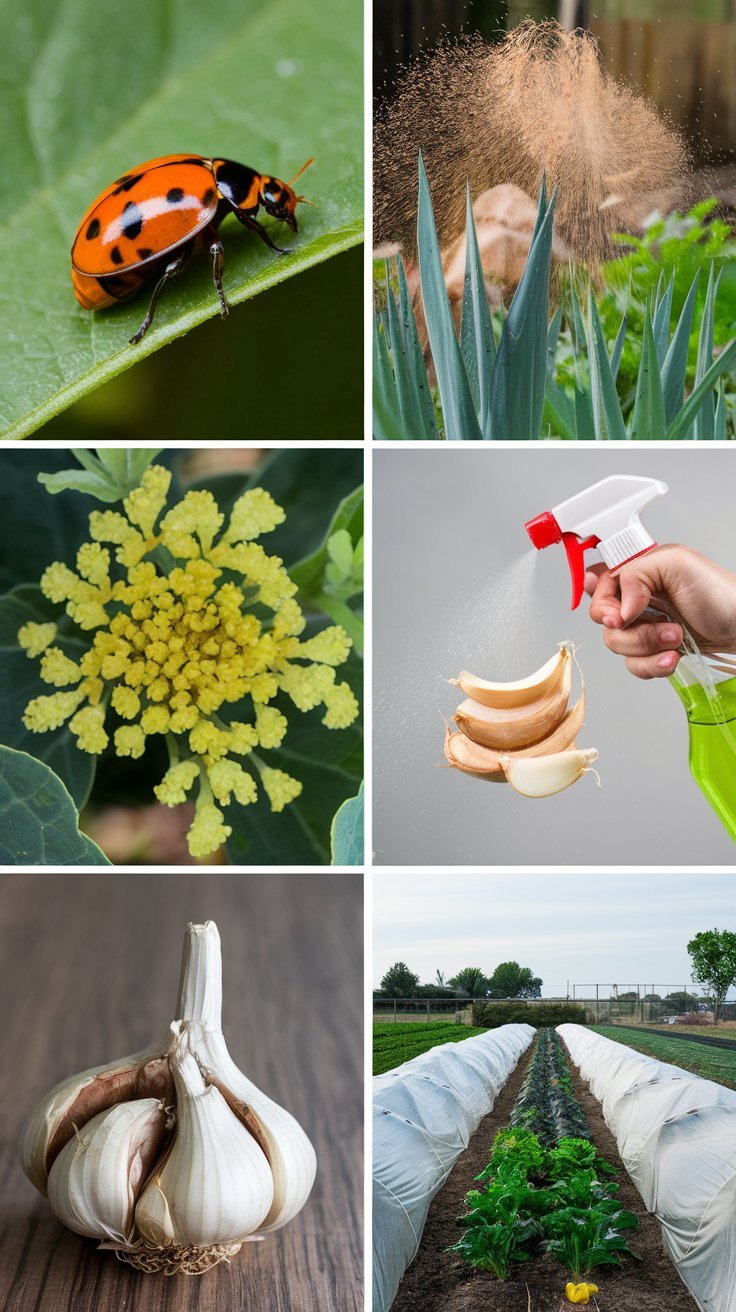
Herbs like dill, cilantro (yes, it bolts quickly in our heat, but the flowers are edible and beautiful), chives, basil, and fennel all produce gorgeous blooms. These flowers don’t just enhance your garden—they attract bees, ladybugs, and beneficial wasps that keep pests in check naturally. In Zone 9, allow some of your annual herbs to flower. Yes, you’ll stop harvesting leaves when they bloom, but the trade-off in pollinator activity is worth it.
Let some cilantro bolt in spring—those ferny flowers are absolutely lovely. Let dill flower—the lacy blooms are stunning, and you’ll get fennel-flavored seeds for fall planting.
10. Cluster Colorful Containers Strategically
Container gardening offers flexibility that in-ground beds can’t match—crucial for Houston gardeners managing heat, humidity, and sometimes challenging drainage. Brightly colored pots instantly elevate your garden’s visual appeal while solving practical problems. Cherry tomatoes, lettuce, herbs, and peppers all thrive in containers.
Group containers in odd numbers (three, five, seven) using complementary colors—perhaps terra cotta, sage green, and cream—for maximum visual impact. In summer, containers allow you to move heat-sensitive crops into afternoon shade. In winter, you can easily move containers to gather warmth or move them to more protected microclimates around your home.
11. Layer with Height for Drama and Function
Plant tall crops (sunflowers, okra, Southern peas on tall supports) at the back of your beds, medium-height plants (tomatoes, peppers) in the middle, and low-growing greens (lettuce, spinach, Swiss chard) in front. This tiered approach creates visual drama while ensuring all plants receive adequate light and air circulation.
In Houston’s humid climate, this layered approach is especially practical—good air circulation helps prevent fungal issues. The staggered heights also mean you can pack more plants into your space without crowding.
| Plant Height Category | Zone 9 Examples | Planting Position | Best Season |
| Tall (3-6 feet) | Sunflowers, okra, Southern peas on trellis | Back/North side | Spring/Summer |
| Medium (18-36 inches) | Tomatoes, peppers, eggplant, bush beans | Middle | Year-round options |
| Low (6-12 inches) | Lettuce, spinach, Swiss chard, radishes | Front | Cool seasons |
12. Install Garden Arches and Pergolas
An arch or pergola adds immediate elegance while creating the perfect structure for vining crops. In Houston gardens, these structures serve double duty—they support productive plants while providing afternoon shade that protects both the plants and you. Imagine walking through an archway draped with Armenian cucumber in summer, or festooned with Southern peas in spring.
Wood structures can be stained or painted to coordinate with your home. Wrought iron creates a more formal look
Understanding Houston’s Dual Growing Seasons for Design
Here in Zone 9, our calendar doesn’t align with traditional gardening timelines, and this fundamentally shapes how we can design for beauty. We essentially have two distinct growing windows: our cool season (October through March, with peak productivity November through February) and our heat season (April through September, with real productivity May through early June before the intense July-August slowdown). 🌡️
This means your “prettiest” garden might look completely different depending on the season. In fall and winter, you can embrace jewel tones—deep purples of kale, burgundy lettuces, the dark green of arugula—because these crops actually thrive in our cooler months. By spring, you’re transitioning to heat-lovers: bright cherry tomatoes, golden squash blooms, the electric green of okra leaves. A beautifully designed Zone 9 garden acknowledges this reality rather than fighting it. Your beds might showcase one aesthetic in November and shift entirely by May. This isn’t failure; it’s wisdom.
When planning your garden’s visual layout, consider mapping out what will occupy each space during each season. A bed that blazes with color in October might become a water-wise container garden by July. This intentional rhythm—planting, observing, responding to what our specific place needs—creates a garden that feels alive and responsive rather than static and disappointing when summer heat claims our spring plantings.
The Beauty of Strategic Shade Structures
In many climates, shade structures feel like concessions to weakness. In Houston, they’re declarations of design brilliance. A well-placed shade cloth, pergola, or row of tall strategic plantings doesn’t diminish your garden’s beauty—it protects it. We’re not hiding failures; we’re creating microclimates where tender plants can thrive when they otherwise wouldn’t.
Consider a 30-50% shade cloth draped over a sturdy frame in May through August. Yes, it’s functional, but cloth in cream, sage, or even subtle patterns becomes part of your garden’s aesthetic. It filters light beautifully, creating dappled effects that are genuinely lovely. Alternatively, strategic tall plantings—sunflowers on the west side, okra on the southwest corner—provide natural afternoon shade while creating visual interest and productivity. These structures also create gathering spaces; the area beneath a pergola becomes an inviting spot to sit with morning coffee while you assess your beds.
Building in Seasonal Transition Zones
One design element many Houston gardeners overlook is the transition zone—space that shifts purpose between seasons. Perhaps you have containers positioned near your back door that hold herbs year-round, but they’re accompanied by a small bed that hosts spring ornamental cabbages, then transitions to a summer showcase of heat-loving basil and purple petunias. These flexible spaces prevent that sad, empty-bed look that happens when spring crops fail in our May heat wave and summer plants are still too small to fill the space.
Transition zones work best when you plant them intentionally with overlapping seasons in mind. An early spring planting of cool-season vegetables shares space with seeds you’ve started for summer crops, so there’s always something visually interesting happening. You might have a row of spring peas being harvested while heat-lovers are germinating nearby, creating a layered effect that keeps your garden feeling productive and beautiful through the shift.
There’s something deeply formative about gardening through these distinct seasons, about accepting that what thrives in our cool months cannot survive our heat, and finding beauty in that rhythm rather than frustration. It teaches us what many spiritual traditions have always known: that creation itself moves in cycles of growth and rest, abundance and apparent dormancy. When we garden with our seasons rather than against them, we’re not just growing food—we’re learning to align ourselves with rhythms far larger than our own plans. We’re practicing the ancient art of paying attention, of receiving what the earth offers rather than demanding what it cannot give. That attentiveness, that willingness to work with rather than against our place, becomes a form
Ready to Go Deeper in the Garden?
If this article resonated with you, you might be ready for something more than tips.
- Download the FREE Rooted in Grace eBook
- Get the Rooted in Grace Print Book on Amazon
- Join Rooted Reset
- Follow on Instagram – @southernsoils
- Save on Pinterest – @southernsoilsunshine
- Join on Facebook – Southern Soil Sunshine
“The garden is not just a place to grow plants – it is a place to grow yourself.”
What I Reach For to Make a Vegetable Garden Pretty
A productive garden and a beautiful one are not different projects. Most of the difference is structure, and structure is something you buy once.
Holds its shape for years in heat and humidity, and it looks intentional instead of temporary.
Height is what makes a vegetable bed read as a garden rather than a plot. Beans and cucumbers do the rest.
A clean edge is most of what your eye reads as tidy, even when the middle is chaos.
The garden is worth walking through in the evening, which in a Southern summer is the only comfortable time to be out there.
As an Amazon Associate I earn from qualifying purchases, at no extra cost to you. I only point you toward things I would actually use myself.
From my own shop
The Zone 9 Intuitive Garden Calendar
Everything on this page, laid out day by day for all 366 of them. A full year of what to do in a Zone 8–9 garden, tuned to real Southern heat instead of a national planting chart. It is the calendar I built because I could not find one that worked here.
See the calendar on Etsy →Keep Reading
Build it, then keep it going.
What keeps a bed looking intentional in February.
Height is most of what makes a vegetable bed read as a garden.
Beauty that also gets your squash to set fruit.
The backbone that stays when everything else has gone.
Related reading
Free eBook
Before you go — the book is yours
Rooted in Grace: A Christian Guide to Intuitive Gardening. No cost, no catch. Read it on any device, at whatever pace the season allows.