Maximize Beauty and Bounty: Innovative Suburban Gardening in Zone 9
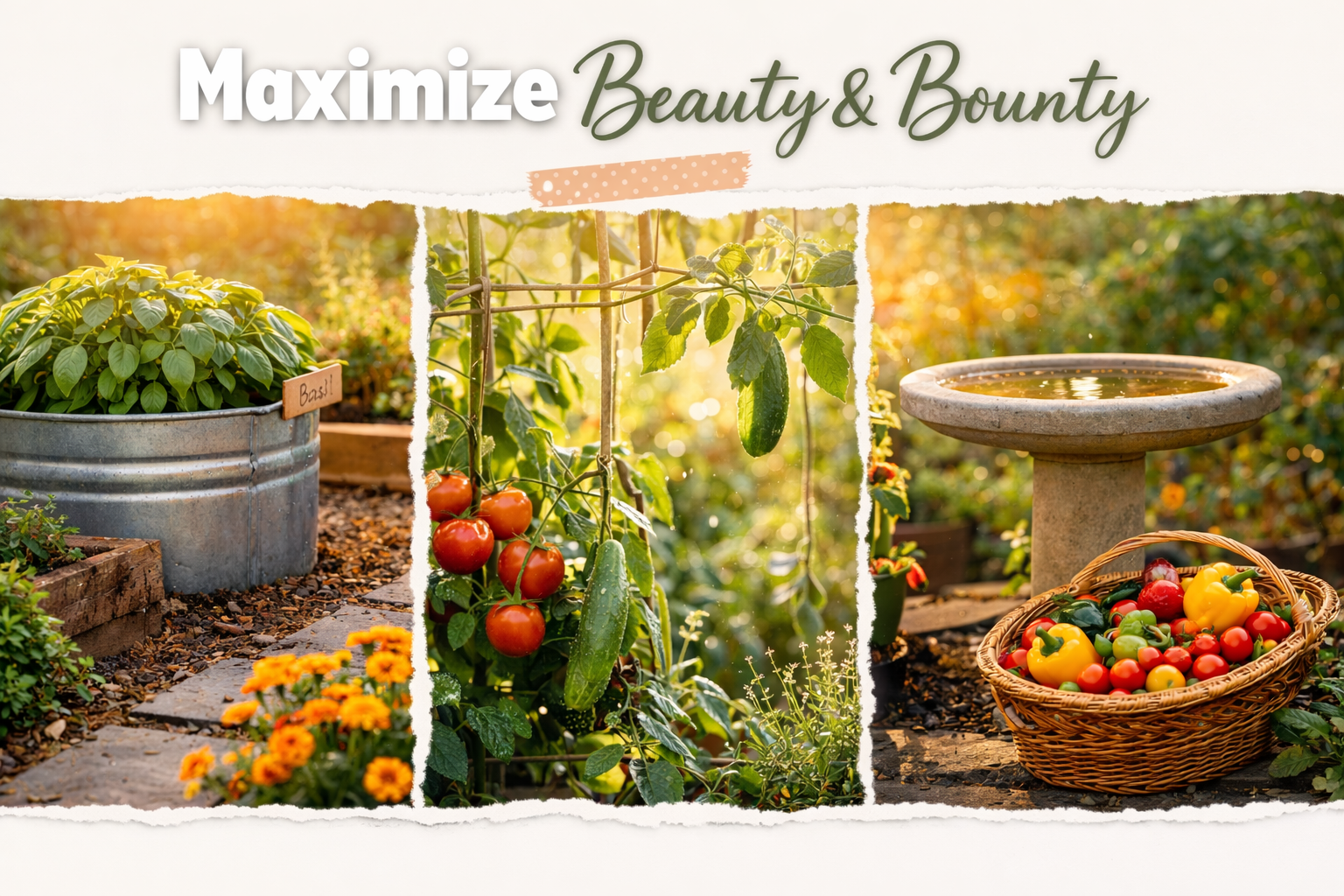
Maximize Beauty and Bounty: Innovative Suburban Gardening in Zone 9 🌱
When I step out onto my porch here in suburban Houston and look at my garden, I’m struck by something that took me years to understand: the most thriving gardens aren’t about choosing between beauty or productivity. They’re about the faithful integration of both. In our Zone 9 climate, where space is often at a premium and heat can be unforgiving, we have a unique opportunity to design gardens that feed both the soul and the table.
I’ve learned through seasons of trial, reflection, and yes—some failures—that innovative suburban gardening is less about following rigid rules and more about observing what works in your specific corner of the world, then responding with intention. Whether you’re working with a small backyard, a side yard that catches afternoon sun, or even containers on a patio, the principles remain the same: maximize your space creatively, choose plants suited to our subtropical climate, and create something that brings you joy every single day.
Sanda’s Tip: Before you invest in any garden structure or plant, spend a week simply observing. Which areas of your yard get morning sun versus afternoon heat? Where does water collect after rain? What do you see from your kitchen window? These observations will guide every decision you make.
Free eBook
Rooted in Grace
A Christian guide to intuitive gardening — the whole book, free. Tell me where to send it and it’s yours in a minute.
The Heart of Suburban Gardening: Blending Beauty and Bounty
Here’s what I’ve come to believe: a garden that’s only beautiful but produces nothing feels empty. And a garden that’s productive but uninspiring to look at? Well, you won’t want to spend time there. In our Houston suburbs, where the heat can reach 95°F by June and our humidity rivals a greenhouse, we need gardens that sustain us in every way—nourishing our bodies, delighting our eyes, and calming our spirits.
The key is creative integration. A raised bed doesn’t have to be purely utilitarian—it can be positioned where it creates a visual focal point. Vertical structures can showcase both edible herbs and ornamental vines. Even a small corner lot can become a lush oasis when we think beyond traditional row gardens.
Seven Innovative Strategies for Your Zone 9 Garden 🌻
1. Optimize Your Space with Raised Beds and Vertical Growing
Raised beds are my answer to so many suburban gardening challenges. They give us control over soil quality (crucial in areas with heavy clay), they reduce back strain, and they create beautiful, defined spaces that frame your yard. In Zone 9, a 12-18 inch depth works beautifully for most vegetables and herbs, though root crops appreciate a bit more depth.
Vertical gardening, though? That’s where the magic happens. Trellises, wall-mounted planters, hanging baskets—these aren’t just space-savers; they’re design statements. During our spring and fall seasons (March-May and September-November), I fill vertical structures with pole beans, peas, and trailing herbs like oregano and thyme. The visual impact is stunning, and we’re harvesting at eye level without constant bending.
Sanda’s Zone 9 Note: Be cautious with vertical gardens in our peak summer heat (July-August). While some heat-lovers like yard-long beans thrive on trellises, tender plants can become stressed in full afternoon exposure. Consider east or northeast-facing installations where they catch morning sun but escape the brutal 2-5 PM heat.
2. Design Layouts That Work With Your Yard, Not Against It
I’ve learned that the best garden layouts aren’t designed on paper in winter—they’re discovered through careful observation. Start by identifying what I call your “sight lines.” From your kitchen window, which area do you naturally look at? From where you sit on the porch? From the driveway when you pull in? Those are your prime real estate locations.
Next, consider your existing structures. That shady strip along the east side of your fence? Perfect for spring lettuce in May and fall greens starting in August. The sunny corner near the gate? Ideal for heat-loving jalapeños or basil. Rather than imposing a preconceived design, work with what your yard offers.
A dear friend asked me last spring where to plant her first garden. I suggested she pick one small area—maybe 4×4 feet—directly in her line of sight from the kitchen. She chose a spot by her back door where she sees it every morning. Now, that small bed is her favorite part of her day. She planted cool-season greens in spring, switched to herbs and smaller vegetables in summer, and is preparing for her fall garden now. That single bed has become her meditation point.
3. Select Plants That Thrive in Both Beauty and Production
This is where our Zone 9 advantage truly shines. We can grow such a wonderful variety of plants year-round, with different seasons offering different treasures. Rather than thinking of one growing season, think in terms of three distinct gardening windows:
| Season | Best Planting Window | Beautiful & Productive Options |
| Cool Season | September-November | Leafy greens (kale, lettuce), colorful kale varieties, violas, Swiss chard with its jewel-toned stems |
| Warm Season | February-April | Tomatoes, peppers, peas, herbs like cilantro, calendula flowers |
| Heat Season | May-August | Yard-long beans, okra, basil, rosemary, heat-tolerant amaranth with ornamental foliage |
4. Incorporate Edibles Into Ornamental Spaces
Why maintain separate decorative flower beds and vegetable gardens? Some of my most successful layouts treat the whole yard as one integrated landscape. Jalapeños produce beautiful flowers and attractive fruit. Swiss chard’s colorful stems are as ornamental as any coleus. Herb containers near the kitchen door serve double duty—they’re gorgeous and utterly practical.
I’ve found that mixing edibles with traditional ornamentals creates visual interest while maximizing production. A shallow border bed along the front of your house could contain a mix of low-growing herbs, trailing vegetables, and companion flowers. Not only does this look intentional and beautiful, but it also attracts pollinators and creates natural pest management.
5. Use Containers for Flexibility and Style 💚
Container gardening deserves special mention for suburban gardeners. In our Houston heat, containers offer wonderful control over soil moisture and can be moved to optimize light exposure as the seasons change. I use containers for herbs that need specific drainage (rosemary), for plants I want to move away from afternoon heat, and for creating visual groupings on patios or near entryways.
The key in Zone 9 is remembering that containers dry out quickly in our heat. A 2-3 inch layer of mulch on top of potting soil can make a tremendous difference. And choosing lighter-colored containers in summer prevents soil temperatures from becoming prohibitively hot for roots.
6. Plan for Year-Round Harvests With Strategic Succession Planting
Rather than planting everything at once and having a glut followed by nothing, I practice what I think of as “gardening in conversation with the seasons.” Every 2-3 weeks during appropriate planting windows, I direct-sow a small amount of quick-growing crops like lettuce, radishes, or bush beans. This extends my harvest across months rather than weeks.
For slower-growing crops like peppers, I start from transplants (available at local nurseries during appropriate windows) rather than seed, which lets me maximize my growing time in our compressed seasons.
7. Create Visual Interest With Structure and Support Systems
A beautiful garden often comes down to thoughtful structures. A teepee of bamboo poles supporting pole beans becomes a sculptural element. Trellises for climbing plants create vertical planes that make yards feel larger. Even the choice of raised bed material—whether weathered wood, galvanized metal, or composite—contributes to your garden’s aesthetic.
These structures also serve practical purposes: they keep plants off the ground (reducing disease), improve air circulation, and make harvesting easier. When you choose structures that align with your home’s style, your whole yard feels more intentional and polished.
Sanda’s Garden Wisdom: The most innovative suburban gardens start small and grow intentionally. Begin with one manageable bed or container. Observe, learn, and expand next season. This approach prevents overwhelm and builds genuine knowledge about what works in your specific microclimate. I’ve seen gardeners transform their entire outlook by starting with just one 4×4 raised bed.
Zone 9 Houston Timing Guide: Your Quick Reference 📅
| Task | Best Time to Do It (Houston Zone 9) | Why This Timing Works |
| Plant cool-season vegetables | Mid-August through September | Soil and air temps are cooling; plants have time to establish |
| Plant spring crops | Late January through early March | Last frost date is mid-April; cool growing season for 6-8 weeks |
| Plant summer/heat crops | Mid-April through May | Soil temps warm up; good for peppers, okra, beans |
| Establish new beds or trellises | September-November or February | Cooler temps make physical work easier; plants can establish during growing season |
| Add mulch and amend soil |
Understanding Microclimates: Your Secret to Year-Round Success
One of the most transformative realizations I’ve had as a Zone 9 gardener is that my suburban lot isn’t one uniform climate—it’s actually several distinct microclimates. The area along my west-facing fence gets brutally hot by 3 PM in summer. The north side of my house stays surprisingly cool even in July. The low spot near the downspout stays damper longer after rain. Once I started mapping these microclimates intentionally, my success rate jumped dramatically.
In Houston’s suburbs, microclimates matter enormously because our temperature swings are so extreme. That sheltered corner near your back door might stay 5-10 degrees warmer in winter, giving you an extra 1-2 weeks of growing time. Conversely, that exposed area near the street might experience more intense afternoon heat and wind, making it better suited for heat-lovers like okra and yard-long beans rather than tender spring crops.
I recommend creating a simple sketch of your yard noting which areas get morning sun, afternoon shade, afternoon exposure, and which stay relatively protected. Then observe how water moves through your space after heavy rain. Are there areas that stay boggy? Spots that dry out almost immediately? This isn’t just practical information—it’s the foundation for making every planting decision feel right rather than like a guess. When you understand your microclimates, you’re not fighting your yard anymore; you’re dancing with it.
Soil Preparation: The Foundation Everything Else Rests On
Here in the Houston suburbs, most of us inherited yards with heavy clay soil. I spent my first few seasons fighting this reality before I learned to work with it. Clay-heavy soil drains poorly, compacts easily, and makes it difficult for roots to penetrate—yet it also holds nutrients well once amended. Rather than trying to replace your native soil entirely (which is costly and impractical), I’ve found success amending it generously with compost and organic matter.
For raised beds, I fill with a quality blend: roughly 40% compost, 30% topsoil, and 30% peat moss or coconut coir for moisture retention. This combination drains well enough for vegetables while holding enough moisture for our dry spells. Each season, I top-dress with 2-3 inches of compost, which not only adds nutrients but also gradually improves the structure of any native soil below.
The beautiful part? Better soil makes everything easier. Your plants need less supplemental watering, they’re more resistant to pests and disease, and they simply grow more robustly. I’ve seen gardeners transform their results in a single season just by committing to serious soil amendment. It’s not glamorous work, but it’s foundational—rather like how spiritual formation works, actually. The deep, unseen work of building a strong foundation makes everything else possible.
Sanda’s Zone 9 Note: Our clay soil can be wonderful for water retention during dry spells, but it needs organic matter to prevent compaction. Aim to add 2-3 inches of finished compost annually to your beds, and consider using cardboard or landscape fabric as a base layer under raised beds to prevent grass encroachment while still allowing gradual soil improvement underneath.
Water Wisdom: Irrigation That Sustains Without Waste
Water management is perhaps the most critical skill for suburban gardeners in Zone 9. Our summers can stretch 100+ degree days, and our spring droughts can be punishing. Yet many of us default to overhead watering, which wastes water, encourages fungal issues, and delivers less water to the roots where it actually matters. After years of adjustment, I’ve settled on a combination approach that works beautifully for our climate.
For vegetable beds, I use drip irrigation on timers—either soaker hoses or emitter lines that deliver water directly to soil. This conserves water (sometimes by 50% compared to overhead watering), reduces disease pressure, and lets me water deeply and less frequently, which encourages deeper root systems. For containers and smaller plantings, hand-watering with a wand lets me observe my plants closely while I water, which keeps me connected to what’s actually happening in my garden rather than on autopilot.
The timing matters enormously here. Early morning watering (5-7 AM) is ideal because it gives foliage time to dry before our heat sets in, reducing fungal diseases. During our hot months (June-August), even heat-loving plants sometimes need water every 1-2 days; in cooler months, every 3-4 days is usually adequate. Rather than following a rigid schedule, I check soil moisture by pushing my finger 2 inches down—if it feels dry, it’s time to water.
There’s something deeply satisfying about understanding your garden’s water needs rather than watering by rote. It requires presence. It asks you to pay attention. And in that paying attention, you begin to understand not just your garden’s rhythms, but your own. Gardening becomes less about controlling nature and more about entering into a relationship with it—observing, responding, adjusting. This posture of attentiveness, of letting the garden teach you, quietly shapes how we move through all of life.
Ready to Go Deeper in the Garden?
If this article resonated with you, you might be ready for something more than tips.
- Download the FREE Rooted in Grace eBook
- Get the Rooted in Grace Print Book on Amazon
- Join Rooted Reset
- Follow on Instagram – @southernsoils
- Save on Pinterest – @southernsoilsunshine
- Join on Facebook – Southern Soil Sunshine
“The garden is not just a place to grow plants – it is a place to grow yourself.”
Free eBook
Before you go — the book is yours
Rooted in Grace: A Christian Guide to Intuitive Gardening. No cost, no catch. Read it on any device, at whatever pace the season allows.