How to Grow Beans in Zone 9: A Complete Guide
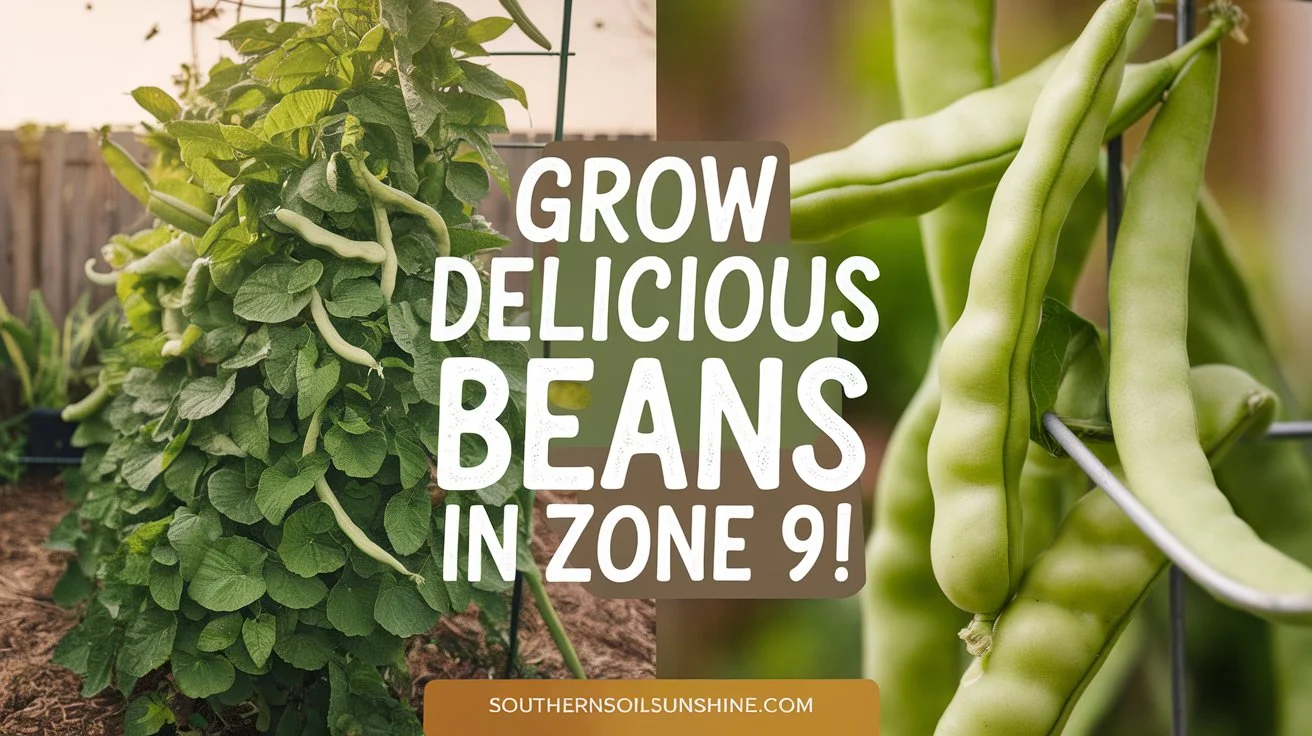
Growing Beans in Zone 9: An Intuitive Gardener’s Guide 🌱
There’s something sacred about beans, I think. They’re one of those crops that reward attention without demanding perfection—and in our Houston-area gardens, they’re practically a rite of passage. Whether you’re drawn to the simple pleasure of snapping fresh green beans for dinner or the deep satisfaction of harvesting dried beans for winter soups, beans connect us to rhythms that matter. In Zone 9, we have the gift of two planting seasons, which means we can grow beans almost year-round if we’re intentional about our timing.
Let me walk you through everything I’ve learned about growing beans here in our warm corner of Texas. This isn’t just about following rules—it’s about observing what your garden is telling you, reflecting on what works, and responding faithfully to your plants’ needs. 🤲
| Category | Details |
| Plant Type | Warm-season legume |
| Sun Requirements | Full sun (6-8 hours daily) |
| Soil pH | 6.0-7.5 (slightly acidic to neutral) |
| Spring Planting | March-April (after last frost) |
| Fall Planting | August-September (for late-season harvest) |
| Days to Maturity | 50-65 days (green), 80-100 days (dried) |
| Spacing | 2-4 inches (bush), 6 inches (pole) |
| Water Needs | 1-1.5 inches per week |
| Planting Method | Direct sow; pole beans need trellising |
Free eBook
Rooted in Grace
A Christian guide to intuitive gardening — the whole book, free. Tell me where to send it and it’s yours in a minute.
Understanding Bean Types: What You’re Really Growing 🫘
Before we dig into the how, let’s talk about the what. Beans are wonderfully flexible—the same plant can give you different harvests depending on when you pick them. This is one of my favorite things about growing beans; they invite us into a conversation about patience and timing.
Green Beans (Snap Beans)
These are the tender, immature pods we all know and love. Pick them young, while the pods snap crisply between your fingers, and you’ve got something perfect for fresh eating, steaming, or a quick stir-fry. They’re the immediate gratification of bean growing—ready in about 50-60 days. In our Zone 9 heat, spring-planted beans often mature quickly; by early June, you could be harvesting. There’s real joy in that.
Shelling Beans
If you let those pods mature just a little longer—giving them an extra week or two—the seeds swell inside. Shell them open and you’ve got fresh, tender beans perfect for a Southern succotash or a simple sauté with garlic. This is my bridge between fresh and dried, and it teaches patience in the best way.
Dried Beans
Leave the pods on the vine until they’re papery and brown, and you’ve entered the world of storage crops. These beans—your Black Turtles, your Red Kidneys—will feed your family through winter. There’s something almost spiritual about this: planting in spring, harvesting in summer, cooking with those beans come January. It connects seasons and stretches gratitude across months.
The Best Bean Varieties for Our Zone 9 Garden 💚
| Variety | Type | Why I Recommend It |
| Blue Lake | Bush & Pole | Reliable, tender snap beans; thrives in our heat |
| Provider | Bush | Fast-growing, excellent disease resistance in humidity |
| Kentucky Wonder | Pole | Classic heirloom; vigorous climber, great for vertical gardening |
| Dragon Tongue | Bush | Beautiful striped pods, wonderful flavor, decorative too |
| Black Turtle | Dry | Stores beautifully; perfect for soups and long-term storage |
| Red Kidney | Dry | Traditional, hearty, reliable in our summer heat |
Sanda’s Tip: In Zone 9, I always plant pole beans on the east side of my garden. They get morning sun to warm them up and afternoon shade that helps them handle our brutal July heat. Bush beans, meanwhile, can handle full sun throughout the day—they’re tougher that way.
Timing Your Planting: The Two Seasons of Zone 9 🌤️
Here’s where our geography becomes our advantage. We don’t have just one bean season; we have two rich opportunities each year. This is something I’m genuinely grateful for.
Spring Planting (March-April)
After our last frost—and in the Houston area, that’s typically around mid-April—the soil warms up beautifully. This is when I direct-sow my beans. They’re enthusiastic growers in spring, and by early summer, I’m harvesting like crazy. The key is to pay attention to the first sign of our intense summer heat; beans can bolt when temperatures consistently exceed 85°F during the day and don’t cool much at night.
Fall Planting (August-September)
This is my favorite planting window—and I think it’s a little-known secret among Houston gardeners. By late August, our heat begins to moderate slightly, and we can plant again. Beans planted in August or early September grow through the pleasant fall months and often produce abundantly right up until frost. I’ve harvested fresh snap beans on Thanksgiving before, and it’s a gift.
Sanda’s Zone 9 Note: Avoid planting beans in May or June in our zone. That’s when our heat is ramping up, and young bean plants will struggle with the combined stress of high temperatures and humidity. If your spring beans are still producing well in May, let them; but don’t start new seeds then. Wait for fall.
Preparing Your Soil: The Foundation of Everything 🌍
Beans are actually good at improving soil—they’re legumes, which means they partner with soil bacteria to capture nitrogen from the air. But they deserve good starting conditions anyway.
I observe my soil before planting. Does it feel compacted? Does it hold water or drain too quickly? When you’ve spent time with your garden, you’ll develop an intuitive sense for what it needs. For beans, work the soil at least 12 inches deep—they like to stretch their roots. Mix in 2-3 inches of compost; this gives them organic matter for moisture retention and microbial life. Aim for a soil pH between 6.0 and 7.5; our Houston-area soils are often acidic, so you might need to add lime. A simple soil test tells you exactly where you stand.
Beans don’t need rich nitrogen soil—in fact, too much nitrogen produces all leaf and few beans. Trust their ability to make their own nitrogen once they’re established.
Direct Sowing: The Intuitive Gardener’s Way 🌱
Beans teach us about directness—literally. Unlike tomatoes or peppers, beans hate being transplanted. Their roots are sensitive, and they’d much rather you just plant them where you want them to grow. This is a beautiful lesson in respecting plants’ preferences.
Plant seeds 1 inch deep and 2-4 inches apart for bush beans. For pole beans, space them 6 inches apart along your trellis. Water gently after planting. They’ll germinate in about 7-10 days if soil temperatures are above 60°F—and here in Zone 9 during our planting windows, that’s usually guaranteed.
Sanda’s Garden Wisdom: For succession planting, mark your calendar for a new round of bean seeds every 2-3 weeks. I plant in waves—this week, a row of Blue Lakes; three weeks later, another row. By staggering, I ensure I have fresh beans coming in continuously rather than everything ripening at once. It’s like composing a symphony; timing creates harmony.
Supporting Pole Beans: Trellising as Meditation 🪜
The Dance of Pollination and Heat Management
One of the deeper truths about growing beans in Zone 9 that I’ve learned through observation is how sensitive they are to heat during flowering. Beans set pods through pollination—typically by native bees and other insects—but when nighttime temperatures stay above 70°F, something shifts. The plant’s energy gets redirected away from fruit-set and toward simply surviving the heat. I’ve watched springs where my beans flowered beautifully but produced almost nothing, and I’ve learned that this isn’t failure; it’s the plant communicating its limits.
This is why spring planting matters so much here. When you plant in March or early April, your beans flower in May when nights are still cool enough—typically in the 60s. That cool evening temperature triggers the plant to commit energy to pod development. By the time our brutal June heat arrives, the pods are already forming and more likely to develop to maturity even as temperatures climb.
Fall planting offers a similar gift. August and September beans flower as we move into October, when nights cool naturally. It’s as if our Houston climate is teaching us that beans thrive in the “in-between” seasons—not the extremes. There’s wisdom in recognizing and working within those windows rather than fighting against them.
I’ve also noticed that providing afternoon shade to flowering bean plants during those transitional months can make a difference. A shade cloth that filters 30-40% of sunlight during peak heat hours (typically 2-5 PM) can keep pod set higher without compromising overall growth. Mulching around plants to keep soil temperatures cooler also helps; beans send resources downward when roots are comfortable.
Managing Humidity and Common Bean Diseases in Our Climate
Our Houston humidity is glorious for so many plants, but beans can struggle with fungal diseases that thrive in damp conditions. Powdery mildew and rust can appear on bean foliage, especially in late summer and fall when our weather becomes more humid but temperatures moderate. I’ve learned to see these challenges not as catastrophes but as invitations to practice attentiveness.
The key is air circulation. When you’re planning your bean bed, don’t crowd them together just because you want more beans. Space them generously—those recommended spacings exist for a reason. I plant pole beans with at least 6-8 inches between plants on the trellis, which lets air move through the vines. For bush beans, I sometimes thin them slightly after they’ve sprouted if they’re growing too densely.
Water management becomes crucial here. I always water at soil level, never overhead, and I do it early in the morning so any splashing dries quickly in the warming sun. When I walk through my bean bed, I observe the foliage. Are the lower leaves staying dry? Is there good airflow? Sometimes the solution is simply pruning a few lower leaves once the plant is established, which improves ventilation and reduces disease pressure.
If fungal issues do appear, neem oil applied in the early morning or late evening can help—it’s gentle and works with your garden’s ecosystem rather than against it. I’ve found that preventing disease through good cultural practices (spacing, watering, air circulation) prevents most problems before they start. It’s reactive gardening versus responsive gardening, and there’s a real difference.
Harvesting Strategy: Reading Your Beans’ Readiness
There’s an art to knowing when to harvest beans, and it’s different depending on whether you want them young and tender, mature for shelling, or fully dried. This is where your intuitive relationship with your plants really matters—because beans tell you when they’re ready if you’re paying attention.
For snap beans, pick them when the pods feel firm but the seeds inside are still small and tender. If you bend the pod and it snaps cleanly with a satisfying sound, you’re at the sweet spot. The moment you wait too long and the pod becomes waxy or the seeds inside grow large, they’re past their prime for fresh eating. I pick every other day during peak season—constant harvesting actually encourages the plant to keep flowering and producing, as if it’s trying to fulfill its mission of making seeds.
Shelling beans need the pods to swell visibly; you should be able to feel the distinct bean shapes inside. This usually takes an extra 7-10 days beyond the snap bean stage. I shell these beans while they’re still fresh and green inside, which is when they’re at their most tender and have that milky sweetness that’s pure summer comfort.
For dried beans, patience becomes the practice. Leave the pods on the vine until they’re completely brown and papery—the beans inside will rattle slightly when you shake the pod. Here in Zone 9, timing matters because you need enough dry days before fall rains come. I typically let fall-planted beans dry on the vine through November, then harvest before December humidity and occasional rain. Spring-planted beans meant for drying should be harvested in August before our occasional summer storms arrive.
| Harvest Stage | Pod Appearance | Ideal Timing |
| Snap Beans | Bright green, snaps crisply, seeds still small | 50-60 days from planting; pick every 2-3 days |
| Shelling Beans | Still green but visibly swollen with beans inside | 60-70 days from planting; beans are tender and milky |
| Dried Beans | Brown, papery, brittle; seeds rattle inside | 80-100+ days from planting; fully mature and dry |
Growing beans in Zone 9 becomes, over time, a practice in reading the seasons and trusting the rhythms that have sustained gardens for generations. Your beans are teaching you something every season—about timing, about patience, about the relationship between water and warmth and growth. When you harvest a bowl of fresh snap beans in June or open dried Black Turtles in January that you grew yourself, you’re holding months of attention and care in your hands. That connection—between the work of your hands, the turning of seasons, and the nourishment that feeds your table and your soul—that’s the real harvest. It forms us as gardeners and as people who understand that we’re part of something much larger than ourselves, something that grows and cycles and offers itself to us if we show up with intention and love. 💚
Ready to Go Deeper in the Garden?
If this article resonated with you, you might be ready for something more than tips.
- Download the FREE Rooted in Grace eBook
- Get the Rooted in Grace Print Book on Amazon
- Join Rooted Reset
- Follow on Instagram – @southernsoils
- Save on Pinterest – @southernsoilsunshine
- Join on Facebook – Southern Soil Sunshine
“The garden is not just a place to grow plants – it is a place to grow yourself.”
What I Reach For to Grow Beans in Zone 9
Beans are one of the few things that keep producing through real heat, if you pick the right ones and give them something to climb.
Variety choice matters more here than anywhere else in the bed. Look for heat set on the packet.
For pole beans. Cheap, light, and you can cut it down with the vines at the end of the season.
A first-year bean bed with no rhizobia in the soil is leaving nitrogen on the table.
As an Amazon Associate I earn from qualifying purchases, at no extra cost to you. I only point you toward things I would actually use myself.
Related reading
Free eBook
Before you go — the book is yours
Rooted in Grace: A Christian Guide to Intuitive Gardening. No cost, no catch. Read it on any device, at whatever pace the season allows.