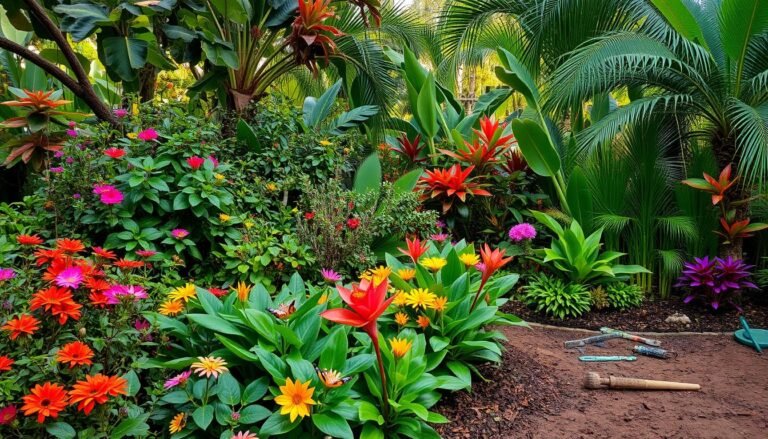
From Stress to Serenity: Spend 15 Minutes in the Garden to Reset Your Day
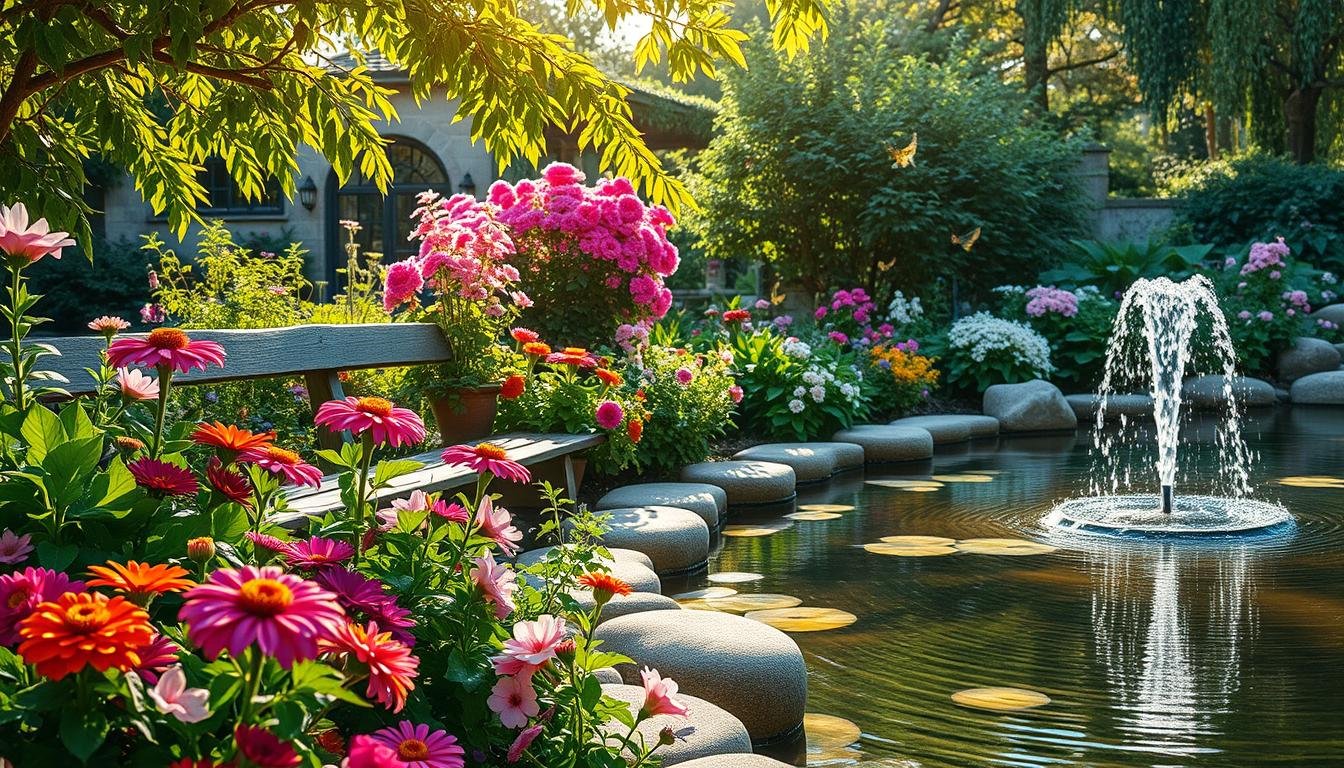
Some of the links on this website are affiliate links, which means that if you make a purchase through these links, I may earn a small commission at no additional cost to you. As an Amazon Associate, I earn from qualifying purchases. I only recommend products I genuinely trust and believe will bring value to my readers. Also, some of the content was created with strategic use of AI tools. For more information, please visit the Privacy Policy page. Thank you for supporting my blog and helping me continue to provide valuable content. Gardening is more than growing food—it's where God grows us. If you're hungry for a faith that feels grounded again, I wrote a book for you. Download my free eBook: Rooted in Grace: A Christian Guide to Intuitive Gardening
“`html
From Stress to Serenity: A 15-Minute Garden Reset for Your Soul 🌿
Did you know that just 15 minutes in the garden can lower your blood pressure and calm your racing heart? I’ve discovered this truth in my own backyard, and I’m here to share how these small moments of green grace can completely shift the energy of your day.
There’s something about stepping outside into a world of living plants, breathing in the smell of soil warming in the sun, and hearing the birds settle into the branches. Those sensations aren’t just pleasant—they’re healing. And here in Zone 9, where our growing season stretches long and our humidity wraps around us like a blanket, we have a particular gift: access to gardens year-round. We can reset our souls in January just as easily as in July.
When my work stress became unbearable a few years ago, I started spending quiet time with my tomatoes and herbs. What began as a desperate escape became a spiritual anchor. The vitamin D, the gentle movement, the simple act of tending something alive—it all wove together into a practice that saved me. Now I want to help you find that same peace, starting with just 15 minutes.
☀️ Understanding the Science Behind Garden-Based Stress Relief
The healing power of gardens isn’t just something we feel—it’s something science confirms. What researchers call “green therapy” or “horticultural healing” is real and measurable. When we step into a garden space, our nervous system begins to shift almost immediately.
How Gardens Calm Your Body
The moment you step outside into your garden, your body responds. Blood pressure drops. Heart rate slows. Cortisol—that stress hormone that keeps us wired and anxious—begins to decline. A study comparing 30 minutes of gardening to 30 minutes of reading showed something remarkable: gardeners experienced significant stress reduction and full mood restoration, while readers saw only moderate stress relief and their mood continued to decline.
Here’s what’s happening at a biological level: green spaces lower the activation of your sympathetic nervous system (the “fight or flight” response) and activate your parasympathetic nervous system (the “rest and digest” mode). In our Houston summers, when the heat can feel relentless and demanding, finding this calm becomes especially precious. 💧
Pro Tip for Zone 9 Gardeners: The best stress-relief gardening happens in early morning or late evening when temperatures are cooler. Try your 15-minute reset at 6:30 AM before the day demands your attention, or after sunset when the garden cools and the light turns golden. This timing also protects you from the most intense UV rays.
The Neurological Magic of Green Spaces 🧠
Gardens do remarkable things to our brains. Research shows that time spent in green spaces improves focus, reduces depression, enhances sleep quality, and boosts creativity. Gardening itself provides gentle physical activity that strengthens mental health—you’re moving your body in purposeful, unhurried ways without the pressure of “exercise.”
During the pandemic, many of us discovered gardening as a lifeline. Surveys showed that gardeners experienced less stress and felt more connected to nature precisely when isolation felt most crushing. As infections rose, interest in gardening grew. People instinctively reached for soil and seeds as medicine. We were following an ancient wisdom our bodies already knew.
Long-term gardeners show the most dramatic benefits. One study found that people who spent more than 8 hours gardening over two weeks reported significantly lower anxiety levels than casual gardeners. This tells us something important: the relationship you build with your garden deepens its healing power over time.
🌱 Creating Your 15-Minute Reset Practice
You don’t need a sprawling landscape or expert knowledge. Whether you have a full Houston suburban backyard, a small patio, or even a few containers on a balcony, you can create a stress-relief garden practice. The key is intention and consistency.
What Actually Happens in 15 Minutes?
When you step into your garden with the purpose of resetting, remarkable things unfold quickly. In the first few minutes, your mind begins to slow. The endless scroll of notifications fades. You notice the texture of a leaf, the movement of a butterfly, the warmth of sun on your skin. Your breathing naturally deepens.
Then comes the gentle work: watering a plant, deadheading spent blooms, pulling a few weeds, checking on seedlings. Your hands are engaged. Your attention narrows from the overwhelming “everything” to the manageable “this one plant.” That shift in focus is profoundly calming. You’re not solving problems in your head anymore; you’re present with what’s alive and growing.
By the end of 15 minutes, you’ve moved your body gently, absorbed some vitamin D (crucial in our sometimes-hazy Houston humidity), breathed fresh air, and given your nervous system permission to pause. You return to your day noticeably calmer. 🌿
Watch Out For: Don’t turn your 15-minute reset into another task on your to-do list. The goal isn’t productivity—it’s peace. You’re not trying to “get things done” in the garden. You’re tending, observing, being. If you find yourself getting frustrated or making a mental list of everything that needs fixing, pause and simply sit. Sometimes the most healing thing is to just be still among the growing things.
Zone 9/Houston-Specific Plants for Stress Relief 🍅
The plants you choose matter because you’ll want to engage with them regularly. Choose varieties that thrive in our heat and humidity, so they’re low-stress to maintain.
| Plant | Why It Soothes | Zone 9 Notes |
|---|---|---|
| Basil & Herbs | Fragrant, tactile, edible. Engages multiple senses. | Plant spring through fall. Pinch leaves often—encourages bushiness and soothes your hands. |
| Lantana | Bright, long-blooming, attracts butterflies. Watching pollinators calms the mind. | Thrives in Houston heat. Blooms March–frost. Low maintenance = less stress. |
| Salvia | Elegant spires, hummingbird magnet. Movement and color. | Many varieties suit Zone 9. Plant fall for spring blooms. Deadheading is meditative. |
| Shade-loving Hostas | Textured, sculptural leaves. Perfect for morning shade gardens. | Provide afternoon shade in hot Houston summers. Appreciate humidity. |
| Agarito (Texas Native) | Native shrub with fragrant spring blooms. Supports local ecosystem. | Perfectly adapted to Zone 9. Drought-tolerant once established. |
| Tomatoes (in season) | Hands-on care, anticipation of harvest, sensory reward. | Plant March–April and August for best harvests. Watering and tending is rhythmic and grounding. |
💧 The Intuitive Gardening Approach to Stress Relief
I practice what I call “intuitive gardening”—a way of being with your plants that mirrors how we might move through meditation or prayer. It follows three simple movements: observe → reflect → respond faithfully.
Observe: Truly See Your Garden
Step outside and simply notice. Not to judge or make a list, but to truly see. What plants look happy? Which ones might need attention? Are the birds active? Is the soil dry? This attentiveness roots you in the present moment. Observation is meditation.
Reflect: Listen to What the Garden Teaches
As you observe, reflect on what you notice. A plant that’s thriving teaches you about resilience. One that’s struggling reminds you that not everything thrives in the same conditions, and that’s okay. The garden is constantly offering us wisdom about life if we pause to hear it. This is where the spiritual dimension enters—and it’s deeply calming to realize we’re part of something larger than our daily stress.
Respond Faithfully: Tend With Care
Based on what you observe and reflect on, respond to your garden’s needs. Water a thirsty plant. Stake up a drooping stem. Remove a wilting leaf. These small acts of care are acts of faith—you’re saying “yes” to growth and life, even in small ways. This faithful response is profoundly grounding. 🌱
Spiritual Pause: “In the garden, I find myself rooted in the present moment. Each plant, each flower, tells a story of growth and resilience. It’s a reminder that we too can bloom, even in challenging times.” When stress whispers that everything is falling apart, the garden whispers back: “Look—things are still growing. You are still growing.”
🐝 The Compound Effect: When 15 Minutes Becomes a Lifestyle
Here’s what surprised me most: those 15 minutes don’t just help in the moment. They create a ripple effect through your whole day. When you reset your nervous system in the morning, you handle afternoon frustrations with more grace. When you ground yourself at sunset, you sleep better that night.
Over weeks and months, as you build a relationship with your garden, the benefits compound. Long-term gardeners show significantly lower anxiety levels. Your garden becomes less a “thing you do” and more a friend you visit, a practice you trust, a place where you remember who you are.
In our busy Houston suburban lives, where work demands bleed into evening and screens demand our attention constantly, this 15-minute reset isn’t a luxury—it’s essential medicine. And it’s available to you every single day.
📋 Your Quick Reference: The 15-Minute Reset Practice
| Time Block |
🌿 Ready to Go Deeper in the Garden?
If this article resonated with you, you might be ready for something more than tips — you might be ready for
“The garden is not just a place to grow plants — it is a place to grow yourself.” 🌸 |
|---|