
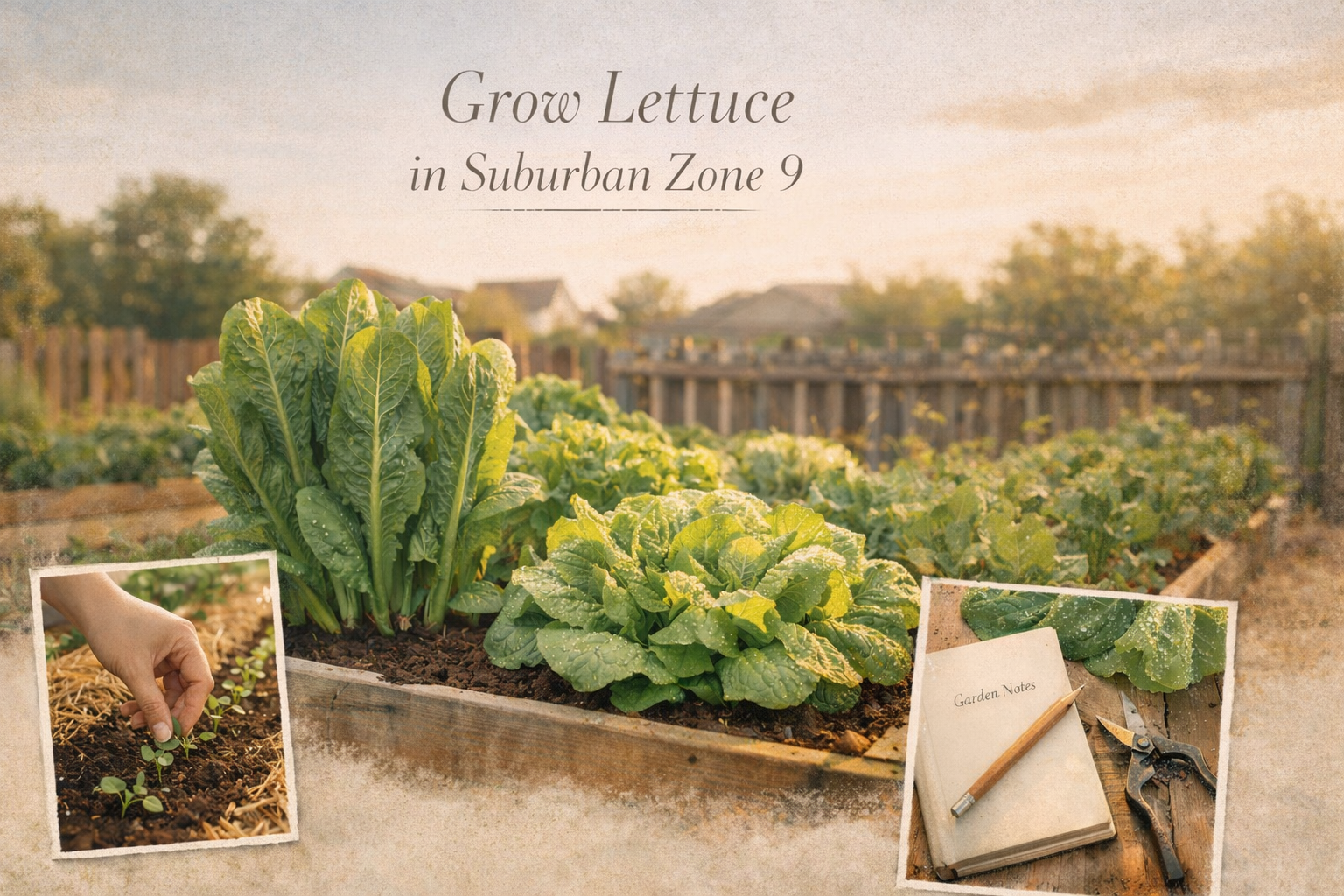
How to Grow Lettuce in Suburban Zone 9: A Complete Guide
Some of the links on this website are affiliate links, which means that if you make a purchase through these links, I may earn a small commission at no additional cost to you. As an Amazon Associate, I earn from qualifying purchases. I only recommend products I genuinely trust and believe will bring value to my readers. Also, some of the content was created with strategic use of AI tools. For more information, please visit the Privacy Policy page. Thank you for supporting my blog and helping me continue to provide valuable content. Gardening is more than growing food—it's where God grows us. If you're hungry for a faith that feels grounded again, I wrote a book for you. Download my free eBook: Rooted in Grace: A Christian Guide to Intuitive Gardening
Introduction
Lettuce is one of the easiest and most rewarding crops to grow in a suburban Zone 9 garden. With its fast growth, low maintenance, and versatility in the kitchen, it’s a must-have for gardeners of all levels. From tender loose-leaf varieties to crisp romaine and buttery heads, lettuce thrives in the cool months of winter and early spring, offering a near-continuous harvest.

In suburban Zone 9, the mild winter temperatures and smaller garden spaces create an ideal environment for lettuce, whether you’re planting in a raised bed, container, or part of an edible landscape. Its adaptability to various setups makes it perfect for maximizing space and productivity in suburban yards. Here’s everything you need to know to grow lettuce successfully in your suburban Zone 9 garden.
Quick Plant Profile
| Characteristic | Details |
|---|---|
| Plant Name | Lettuce (Lactuca sativa) |
| Type | Annual |
| Best for | Raised beds, containers, edible landscaping |
| Ideal USDA Zones | 2–10 (thrives in Zone 9) |
| Light Requirements | Full sun to partial shade |
| Soil Requirements | Well-draining, rich soil, pH 6.0–7.0 |
| Companions | Carrots, onions, radishes, spinach, strawberries |
| Avoid | Brassicas like broccoli and kale (can attract pests like aphids) |
Planting Instructions
- When to Plant:
- For winter crops: Sow seeds from late fall (October–November).
- For early spring crops: Sow seeds in late winter (January–February).
- Seed Starting Tips:
- Direct sow seeds outdoors as lettuce seeds germinate best in cool soil.
- Plant seeds 1/8 inch deep and lightly cover with soil.
- Thin seedlings to 6–8 inches apart for loose-leaf varieties or 10–12 inches apart for head lettuces.
- Spacing and Depth:
- Space rows 12–18 inches apart to allow airflow and reduce disease.
- In containers, use shallow pots at least 6 inches deep and plant multiple seeds for loose-leaf harvests.
Growing and Care Tips
- Watering Needs:
- Lettuce prefers consistent moisture but dislikes waterlogged soil. Water 2–3 times per week or as needed to keep the soil moist.
- Use mulch around plants to retain moisture and regulate soil temperature.
- Fertilizer Recommendations:
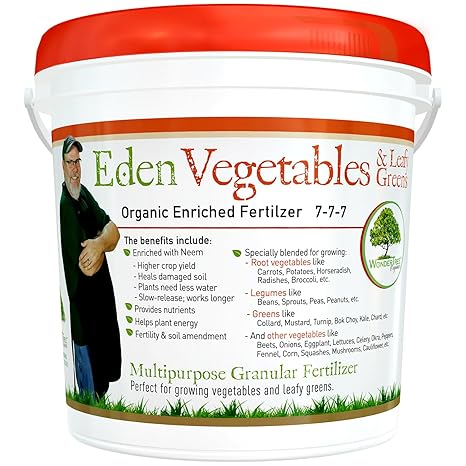
- Lettuce is a light feeder. Use a balanced organic fertilizer, such as this all-purpose vegetable fertilizer, every 2–3 weeks for best results.
- Avoid over-fertilizing, as too much nitrogen can lead to bitter leaves.
- Pest and Disease Management:
- Common pests include aphids and slugs. Plant companion crops like onions or radishes to deter pests naturally. Use neem oil sprays or diatomaceous earth for infestations.
- Space plants properly to prevent fungal diseases like downy mildew, especially in humid conditions.
- Pruning and Maintenance:
- Regularly harvest outer leaves for cut-and-come-again varieties to encourage new growth.
Harvesting and Storage
- When to Harvest:
- Loose-leaf varieties can be harvested as soon as leaves are 3–4 inches long (about 30–40 days after planting).
- Head lettuces like romaine or butterhead are ready when the heads are firm and compact (50–75 days).
- How to Harvest:
- For loose-leaf varieties, snip outer leaves with scissors or a sharp knife. For head lettuce, cut the entire plant at the base.
- Storage Tips:
- Store freshly harvested lettuce in the refrigerator, wrapped in a damp paper towel, for up to 10 days. Avoid washing until just before use to prolong freshness.
Culinary and Practical Uses
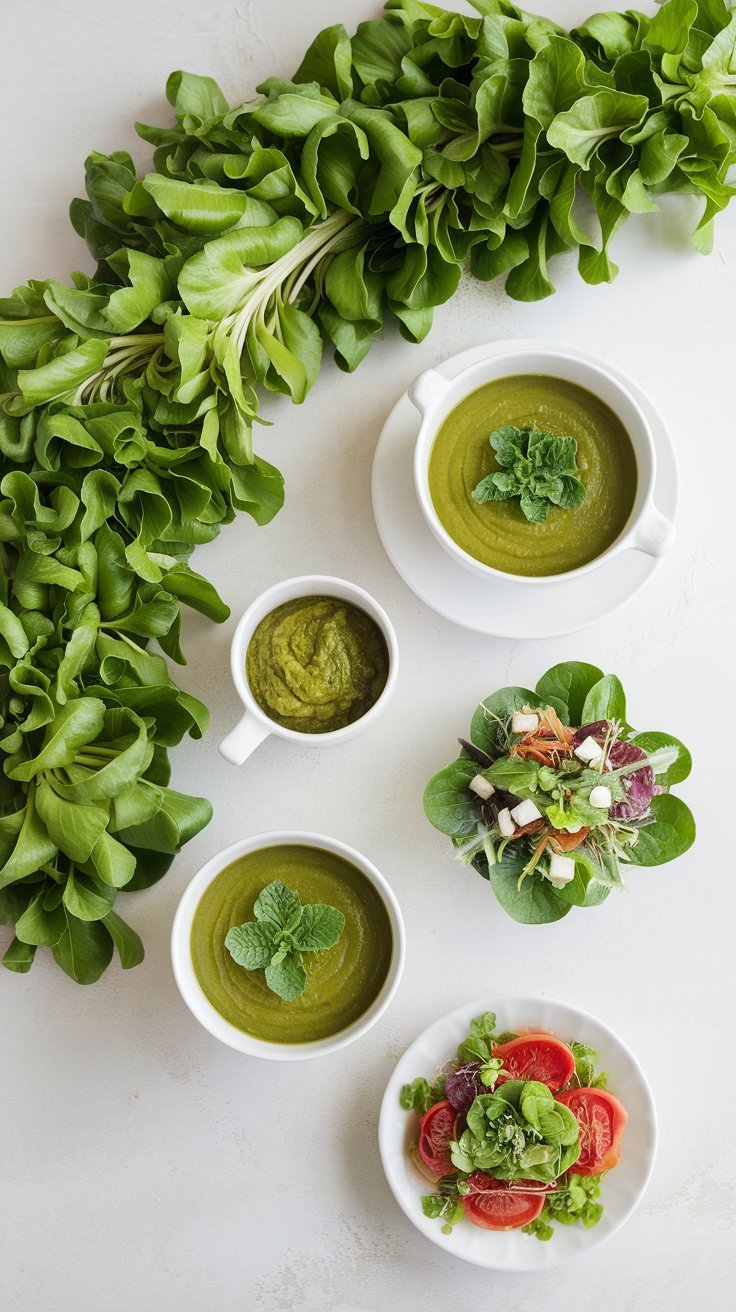
Lettuce is a kitchen staple, perfect for fresh salads, wraps, and sandwiches. It also adds a crisp, refreshing texture to soups and smoothies. For suburban gardeners, lettuce’s quick growth and versatility make it an easy choice for edible landscaping and small-space gardening.
What Lettuce Teaches Us About Sustainable Giving
But here’s what I’ve come to love most about growing lettuce: it’s one of the few crops that gives continuously without being depleted. With cut-and-come-again varieties, you harvest the outer leaves, and the plant just keeps producing. You don’t take everything at once. You take what you need, and it grows back. And if you plant a new row every two to three weeks, you never run out.
That’s a picture of the kind of life God invites us into—not the frantic, one-time heroic effort that leaves us burned out, but the steady, sustainable rhythm of giving that comes from being rooted in Him.
So many of us live like we’re a head of iceberg lettuce—everything given in one harvest, and then we’re done. Depleted. Exhausted. Wondering why we have nothing left to give. But God designed us more like loose-leaf lettuce. We’re meant to give from the overflow of what He’s growing in us, and when we’re rooted in Him, there’s always more.
Jesus says in John 15:5, “I am the vine; you are the branches. If you remain in me and I in you, you will bear much fruit; apart from me you can do nothing.” The key word is remain. Not produce. Not hustle. Not force. Remain. Stay connected. Let Him do the growing. And when you give from that place, you don’t run out.
Lettuce also reminds me that the most productive gardens aren’t the ones that plant everything at once and hope for the best. They’re the ones that practice succession planting—small, consistent sowings every few weeks that result in a near-continuous harvest. That’s what faithfulness looks like. Not one grand gesture, but small, repeated acts of obedience that compound over time.
If you’re tired of the boom-and-bust cycle of spiritual life—intense seasons of giving followed by burnout and withdrawal—maybe it’s time to learn from the lettuce. Plant small. Harvest often. Stay rooted. Let God do the growing.
Reflection Question:
Are you living like iceberg lettuce (giving everything at once until you’re depleted) or loose-leaf lettuce (giving from the overflow of being rooted)? What would it look like to practice “succession planting” in your spiritual life—small, consistent acts of faithfulness instead of one exhausting effort?
Want to cultivate a sustainable rhythm of faith?
My free eBook Rooted in Grace is a 30-day guide to finding God in the rhythms of your garden and your life. It’s for women who are tired of hustle-driven faith and ready to return to something slower, deeper, and more rooted. Learn how to give from overflow instead of depletion.Download your free copy here →
Companion Planting with Lettuce
Lettuce is a fantastic companion plant for many crops due to its shallow roots and space efficiency.
- Best Companions:
- Carrots: Grow well alongside lettuce since their deep roots don’t compete for nutrients.
- Radishes: Mature quickly, providing early harvests while lettuce fills out.
- Onions and Garlic: Repel pests like aphids that target lettuce leaves.
- Spinach and Strawberries: Complement lettuce in edible landscaping beds, creating a diverse and productive garden.
- Avoid:
- Broccoli and Kale: Attract similar pests like aphids and cabbage worms, leading to potential infestations.
Suburban Zone 9 Pro Tips
- Plant lettuce in partial shade during warmer days to prevent bolting.
- Sow seeds every 2–3 weeks during the cooler months for a continuous harvest.
- Use shade cloth to extend the season into early summer if temperatures rise unexpectedly.
- Raised beds and containers are ideal for suburban gardens, allowing for efficient use of smaller spaces while maintaining control over soil quality and drainage.
FAQs
- Why is my lettuce bitter?
Bitter lettuce often results from heat stress or prolonged dry conditions. Ensure consistent watering and plant in cooler months. - Can I grow lettuce indoors?
Yes! Lettuce grows well indoors under LED grow lights. Use shallow trays or small pots with well-draining soil.
Product Recommendations
- Organic Lettuce Seeds: A mix of loose-leaf, romaine, and butterhead varieties.
- Shallow Garden Containers: Perfect for small spaces or indoor gardening.
- Row Covers for Frost Protection: Essential for winter lettuce crops in Zone 9.
- Natural Pest Control Solutions: Neem oil and diatomaceous earth for slug and aphid prevention.

Conclusion
Growing lettuce in a suburban Zone 9 garden is a rewarding way to enjoy fresh, crisp greens throughout the cool months of winter and early spring. With its adaptability to small spaces, fast growth, and ease of care, lettuce is a fantastic addition to any suburban yard. Ready to get started? Grab your seeds and experience the joy of harvesting your own delicious lettuce in no time!


2 Comments