
How to Create a Fall Garden Layout That Lasts

Some of the links on this website are affiliate links, which means that if you make a purchase through these links, I may earn a small commission at no additional cost to you. As an Amazon Associate, I earn from qualifying purchases. I only recommend products I genuinely trust and believe will bring value to my readers. Also, some of the content was created with strategic use of AI tools. For more information, please visit the Privacy Policy page. Thank you for supporting my blog and helping me continue to provide valuable content. Gardening is more than growing food—it's where God grows us. If you're hungry for a faith that feels grounded again, I wrote a book for you. Download my free eBook: Rooted in Grace: A Christian Guide to Intuitive Gardening
Designing with Faith, Function, and Flexibility in Zone 9
🍂 Introduction: A Season of Intentionality
Fall gardening invites us into a different rhythm. After the frenzy of spring planting and the heat of summer maintenance, fall offers space to step back, evaluate, and design a garden that reflects where we are now—and where we’re headed.
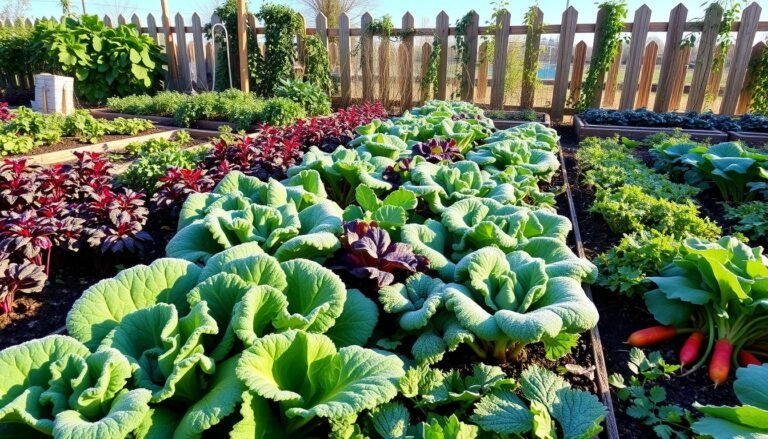
Creating a fall garden layout isn’t just about where to place your lettuce or kale. It’s about laying a foundation for success through winter and into early spring. Whether you’re dreaming up a fresh design or reworking your summer beds, this guide will help you build a layout that works now and later.
🌱 Why Fall Layouts Matter More Than You Think
In warm climates like Zone 9, fall is not a winding down—it’s a second beginning.
Here’s why fall layout planning matters:
- The cooler temps support steady root growth
- Less pest pressure allows for cleaner harvests
- It sets the stage for overwintering crops
- You can build soil fertility while still harvesting food
A well-designed layout now makes future crop rotation, soil care, and cover cropping easier—and reduces work later.
🗺️ Step-by-Step: How to Create a Fall Garden Layout
Step 1: Review What Worked and What Didn’t
Start with reflection. What thrived this summer? What didn’t?
Ask yourself:
- Which areas dried out too fast?
- Which plants overcrowded others?
- What harvests were abundant vs. disappointing?
Mark these areas on a printed bed sketch or garden map.
Related: What My Garden Taught Me About Spiritual and Physical Resilience
Step 2: Consider Light, Water, and Access
In fall, sunlight shifts. Take 10 minutes today to notice:
☀️ Which beds get full sun by 10 AM?
🌤️ Which areas get dappled shade or afternoon protection?
💧 Where are your water lines or irrigation points?
Choose:
- Leafy greens for lower light beds
- Roots like carrots and beets for full-sun beds
- Brassicas for beds that will cool down early in the day
Step 3: Select Your Core Crops
Choose 3–5 key crops for fall. Here’s a cheat sheet for Zone 9:
| Crop | Notes |
|---|---|
| Kale | Frost-tolerant, great for soups |
| Lettuce | Quick-growing, needs shade early |
| Beets | Dual harvest (roots + greens) |
| Carrots | Sweeten in cooler weather |
| Broccoli | Needs early start, long maturing |
| Radishes | Ready in 25–30 days |
| Garlic | Planted in late fall for spring |
Related: Top 5 Fall Greens for Zone 9 Gardens
Step 4: Design for Succession
A lasting layout includes space to rotate and reseed.
- Interplant short-term crops (radishes) between long-term crops (broccoli)
- Mark space to sow again in 30 days (lettuce, spinach)
- Plan to tuck in garlic or onions later in the season
Step 5: Incorporate Soil Health Strategies
Use your layout to build better soil.
- Leave one bed open for cover crops
- Top dress active beds with compost or worm castings
- Use deep mulching in low-production zones
Related: Cover Cropping for Soil Health and Pollinator Support
Related: Best Soil Amendments for Fall Planting Success
Step 6: Think Vertical and Container-Friendly
A flexible layout includes upward options:
- Use trellises for peas or vining greens
- Add containers with lettuce or herbs near sunny patios
- Try hanging baskets of greens in shaded corners
Step 7: Create Pathways and Rest Zones
Leave walking paths! Consider adding:
- Stepping stones for wet mornings
- A small chair or crate for harvesting breaks
- A bench or garden stool for quiet journal time
Your fall garden can feed your body and your spirit.
📏 Sample Layouts for Zone 9 Fall Gardens
Layout A: 4’x8′ Raised Bed
| Section | Crop |
|---|---|
| Left Half | Carrots + Radishes (succession every 2 weeks) |
| Center | Lettuce + Spinach |
| Right Half | Broccoli + Kale |
Layout B: 3 Containers + 1 Vertical Trellis
- Pot 1: Beets
- Pot 2: Leaf lettuce
- Pot 3: Pak choi
- Trellis: Sugar snap peas
Download FREE Printable Fall Garden Planner!
✍️ Journal Prompt
“What do I want my fall garden to feel like this season?”
Sketch your layout. Pray over it. Think of it as a canvas, not a contract.
🎧 Listen While You Plan
🎙️ Rooted in Grace Podcast
Episode ideas while you draw your map:
Listen as you sow, sketch, and rest. There’s room for grace in your garden.
📘 Want Help Building a Faith-Rooted Garden?
Grab your copy of Rooted in Grace: A Christian Guide to Intuitive Gardening
Discover how garden rhythms reflect spiritual truths—and how to grow a meaningful garden even when life feels busy, messy, or uncertain.
📨 Stay Encouraged
Join the weekly email list for:
- Seasonal reminders
- Soulful reflections
- Free printable tools and trackers
🌼 Grace Note
You don’t need the perfect layout.
You need a little light, a little soil, and the willingness to start.





One Comment