10 Easy Homemade Organic Plant Fertilizers for Thriving Gardens
Some of the links on this website are affiliate links, which means that if you make a purchase through these links, I may earn a small commission at no additional cost to you. As an Amazon Associate, I earn from qualifying purchases. I only recommend products I genuinely trust and believe will bring value to my readers. Also, some of the content was created with strategic use of AI tools. For more information, please visit the Privacy Policy page. Thank you for supporting my blog and helping me continue to provide valuable content. Gardening is more than growing food—it's where God grows us. If you're hungry for a faith that feels grounded again, I wrote a book for you. Download my free eBook: Rooted in Grace: A Christian Guide to Intuitive Gardening
There’s something deeply satisfying about feeding your garden with what you already have.
Not rushing to the store.
Not overcomplicating it.
Just returning scraps to the soil and trusting the quiet rhythm of renewal.
In Zone 9, where heat stretches long and growth can be both abundant and exhausting, your soil needs consistent nourishment. And so do you.
Homemade organic fertilizers aren’t just practical. They’re an invitation into stewardship — into paying attention to what your plants are asking for and responding with care.
Let’s walk through this gently.
📌 Save This Guide for Later
A Pinterest-friendly graphic will be added here soon.
Pin it now so you can come back anytime.
[Pinterest Image Placeholder]
🌱 Why Homemade Fertilizers Matter in Zone 9
In warm climates like ours, nutrients leach quickly. Heavy rains wash minerals downward. Long summers mean plants are constantly producing — and constantly pulling from the soil.
If you’ve ever wondered why your tomatoes look tired in August or your basil slows down mid-summer, it’s often not failure.
It’s hunger.
Instead of synthetic quick fixes, organic homemade fertilizers:
• Improve soil structure
• Encourage microbial life
• Build long-term fertility
• Reduce waste
• Create a sustainable rhythm
Healthy soil is the foundation of everything. If you haven’t yet, take a look at this breakdown of fall soil preparation for your tropical paradise — it pairs beautifully with this guide.
Remember: we’re not chasing perfection. We’re practicing spirit-led stewardship.
Eggshell Calcium Boost
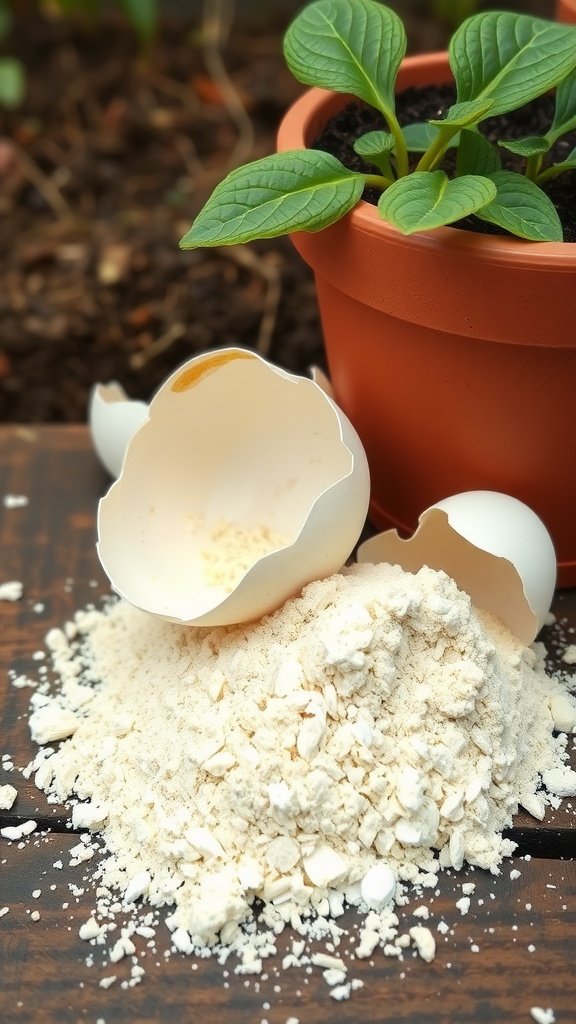
Eggshells are a fantastic and simple way to enrich your garden. They are packed with calcium, which is essential for plant growth. When you use eggshells, you’re giving your plants a natural boost without breaking the bank.
Best for: tomatoes, peppers, squash
Calcium prevents blossom end rot — a common issue in warm climates with inconsistent watering.
How to use:
• Rinse and dry shells
• Crush finely
• Work into soil before planting
If you’ve ever seen black rot at the base of a tomato, don’t panic.
It’s not failure. It’s feedback.
Calcium plus consistent watering usually resolves it.
Molasses Fertilizer Mix
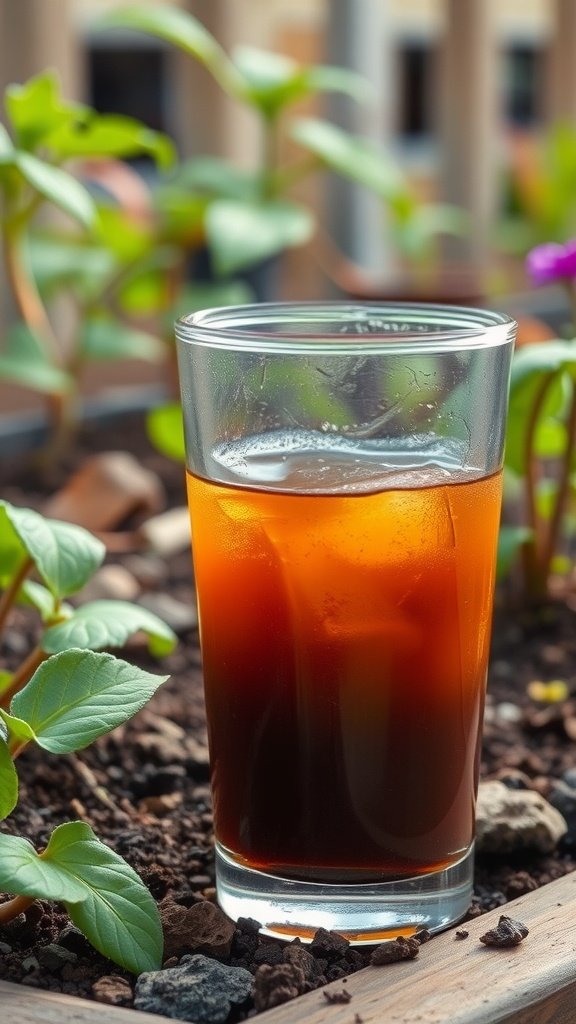
Molasses is a fantastic addition to your garden routine. This simple liquid fertilizer is rich in minerals and beneficial microorganisms. It can enhance the health of your soil, making it more vibrant and productive.
To make your own molasses fertilizer, mix one tablespoon of molasses into one gallon of water. Stir well until it dissolves. You can use this liquid fertilizer to water your plants every few weeks. This method not only nourishes your plants but also improves soil quality.
Best for: boosting microbial activity
Unsulfured blackstrap molasses feeds beneficial microbes.
Mix 1–2 tablespoons per gallon of water and apply monthly.
Healthy microbes = resilient soil.
Using molasses as part of your gardening routine is an easy way to create a thriving environment for your plants. It’s a simple and effective way to give your garden the support it needs to flourish.
Seaweed Extract Fertilizer
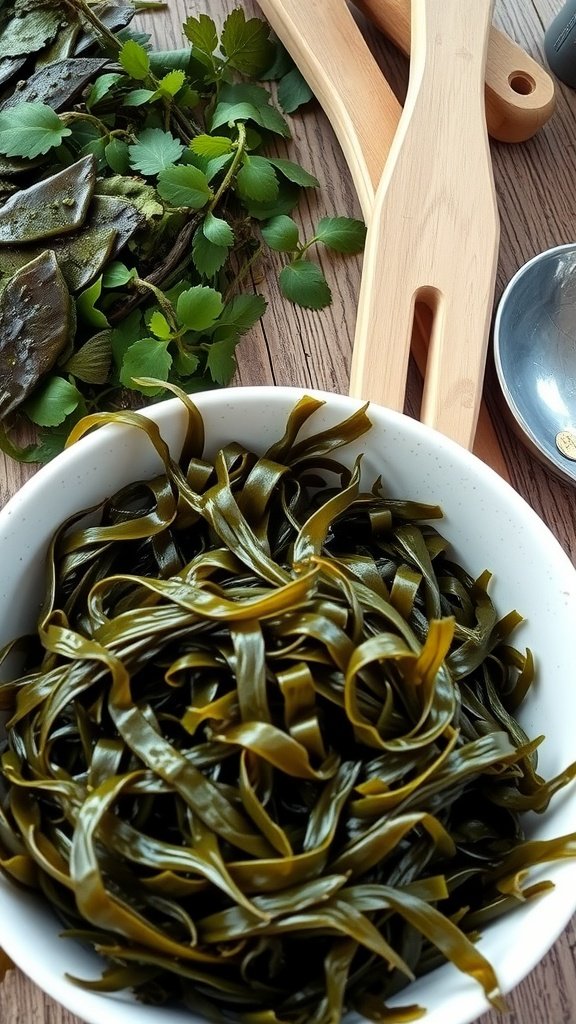
Seaweed extract fertilizer is a fantastic option for anyone looking to boost their plants naturally. This liquid fertilizer is packed with nutrients that help improve plant health and growth. The image shows strands of seaweed, which is a key ingredient in making this homemade fertilizer.
To create your own DIY fertilizer, you’ll need dried seaweed, water, and a container for steeping. Start by soaking the seaweed in water for about 24 hours. This allows the nutrients to leach into the water. Once done, strain the mixture, and you’ll have a nutrient-rich liquid fertilizer ready to use!
Applying this seaweed extract to your garden is easy. You can pour it directly around the base of your plants or use it as a foliar spray. It’s a budget-friendly garden solution that encourages healthy growth and increases resistance to pests. Not only does it help your plants thrive, but it also enriches the soil for future plantings.
Banana Peel Fertilizer
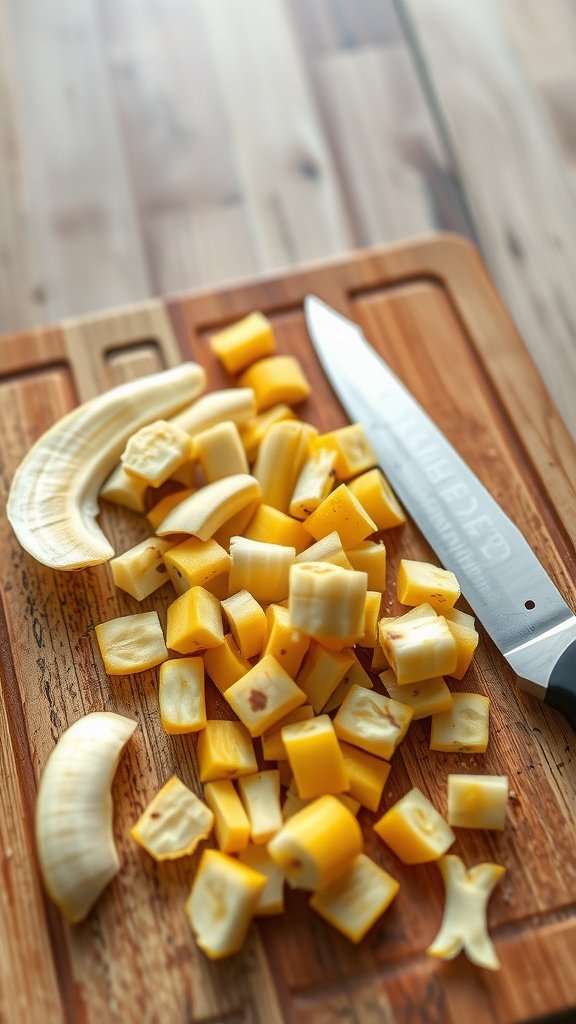
Banana peels are a fantastic addition to your budget-friendly garden. They are packed with nutrients that plants love, especially potassium. This makes them an excellent choice for a homemade fertilizer.
Best for: tomatoes, peppers, roses, flowering plants
Banana peels are rich in potassium — essential for fruiting and flowering.
How to use:
• Chop peels and bury them 2–3 inches deep near plant roots
• Soak peels in water for 24–48 hours and use as a liquid feed
• Add to compost
Zone 9 Tip:
During peak summer fruiting, this gentle potassium boost supports plants stressed by heat.
Think of it as encouragement during their hardest season.
Compost Tea for Nutrients
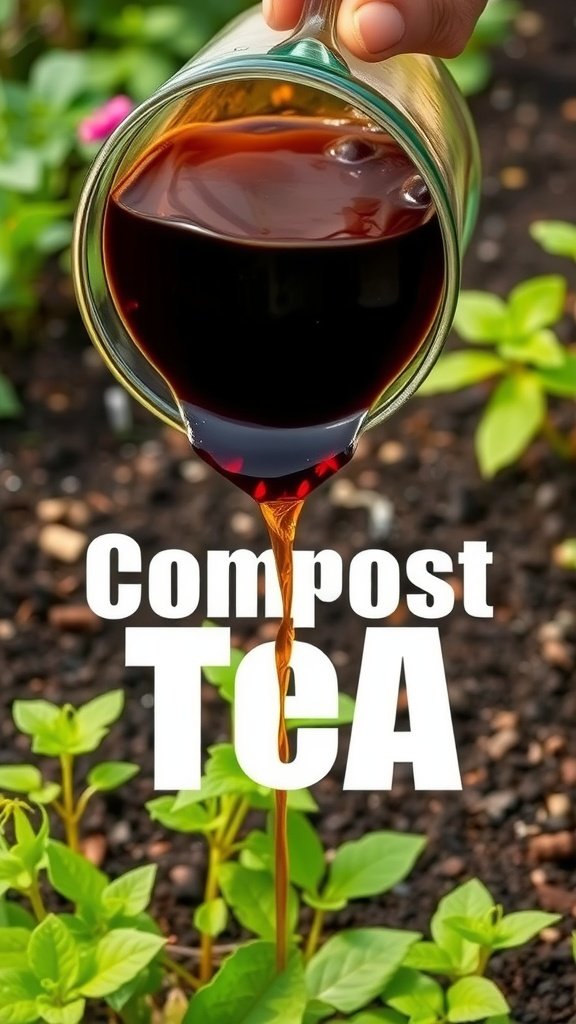
Compost tea is a fantastic way to give your plants a nutrient boost. This rich liquid fertilizer is made by steeping compost in water, resulting in a nutrient-packed solution that your garden will love. Just look at this image of someone pouring compost tea; it’s a visual reminder of how easy it is to nourish your plants.
Best for: everything
If homemade fertilizers are side dishes, compost is the main meal.
It improves:
• Soil structure
• Drainage
• Moisture retention
• Microbial life
If you want a deeper system for warm-climate composting, this guide to the complete tropical composting system walks you through it simply.
Compost is slow. Quiet. Transformative.
Just like spiritual growth.
Creating compost tea is simple and budget-friendly. You’ll need a few ingredients: well-aged compost, water, and a container. Mix these ingredients together, let them steep for a day or two, and then strain the liquid. You can use this DIY fertilizer to water your plants, and they’ll certainly appreciate it!
Using compost tea regularly can help your plants grow stronger and healthier. Just remember to apply it every few weeks for the best results. This homemade fertilizer not only supports your plants but also enhances the soil, making it a great choice for any budget-friendly garden. So grab that jar and start brewing some compost tea!
Coffee Grounds Boost
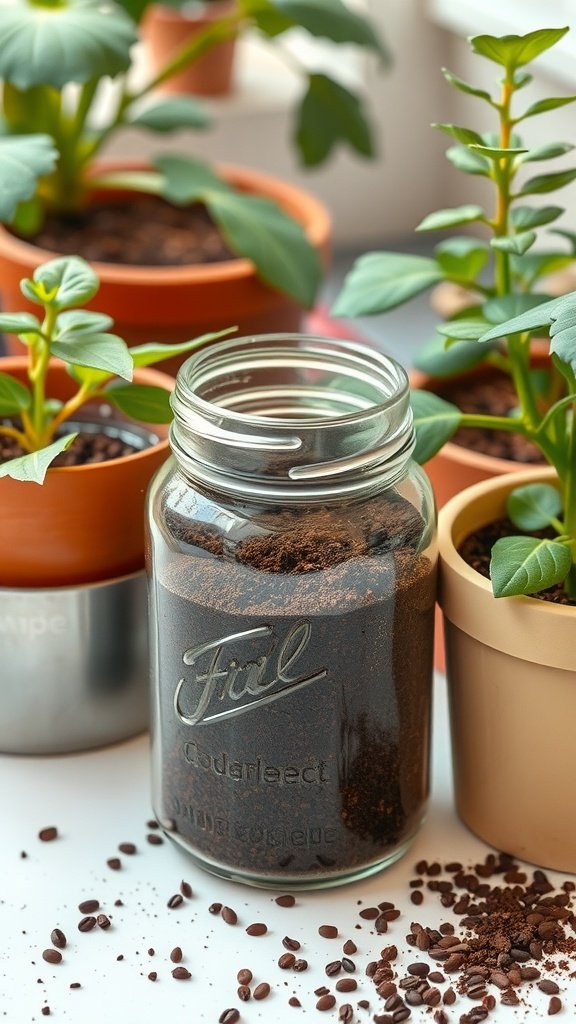
Coffee grounds are a fantastic addition to your budget-friendly garden. They’re rich in nitrogen, which is essential for healthy plant growth. Using them as a DIY fertilizer is simple and effective.
Best for: leafy greens, herbs, compost
Coffee grounds add nitrogen — essential for leafy growth.
How to use:
• Sprinkle lightly and mix into soil
• Add to compost
• Combine with dried leaves to balance acidity
In hot climates, greens can struggle once temperatures climb. If you’re growing spinach or lettuce during cooler months, this pairs well with my guide on how to grow spinach in Zone 9.
Gentle reminder: too much nitrogen can produce leaves without fruit. Listen before adding more.!
Fish Emulsion Fertilizer
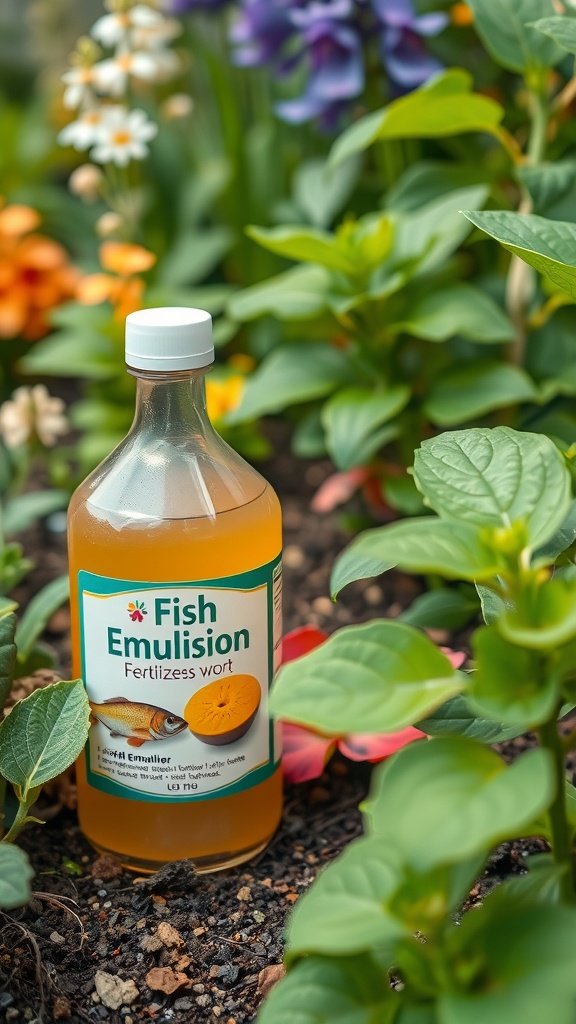
Fish emulsion fertilizer is a fantastic choice for those looking to boost their garden naturally. The image shows a bottle of fish emulsion, sitting amidst vibrant flowers and green foliage. This liquid fertilizer is packed with nutrients that plants love, making it a go-to for many gardeners.
Best for: heavy feeders (corn, tomatoes, squash)
Fish emulsion is a quick-acting organic fertilizer rich in nitrogen and trace minerals.
Use diluted every 2–3 weeks during active growth.
Zone 9 Summer Note:
Feed early morning or evening to avoid heat stress.
Wood Ash Fertilizer
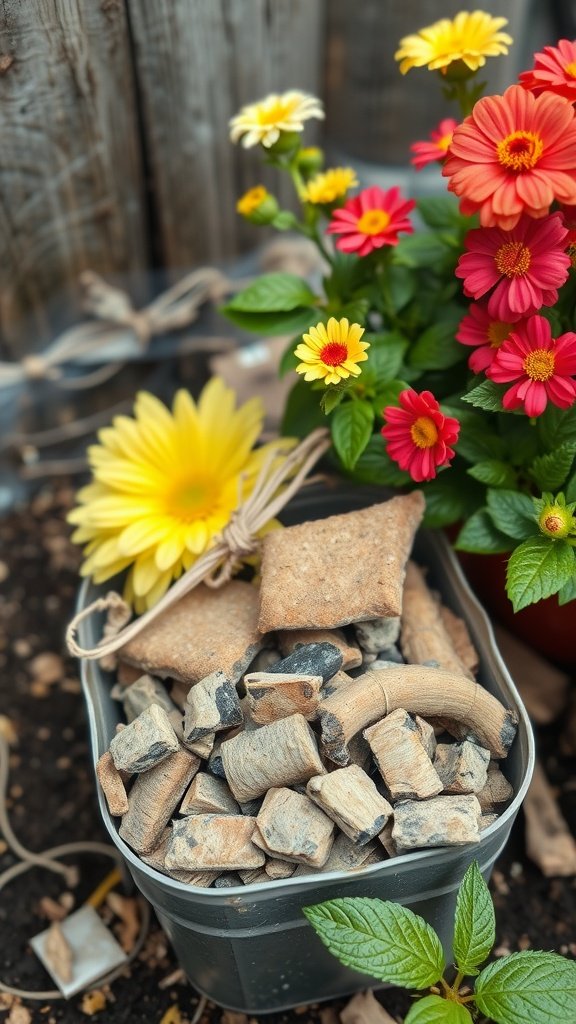
Wood ash is a fantastic addition to your garden. It’s a natural byproduct from burning wood that provides essential nutrients for your plants. The image shows a lovely arrangement of wood ash in a container, surrounded by vibrant flowers, highlighting its usefulness in a budget-friendly garden.
This DIY fertilizer is rich in potassium and calcium, which are vital for plant growth. Just sprinkle some ash around your plants or mix it into the soil. It’s simple to make and great for your garden!
To use wood ash as a fertilizer, collect the ash once your fire has cooled down. Sift out any large pieces to ensure a fine consistency. Then, you can either use it dry or mix it with water to create a liquid fertilizer. This liquid fertilizer is easy to apply and gives your plants a nutrient boost.
The beauty of wood ash is that it’s not only effective but also eco-friendly. You’re recycling a waste product and nourishing your plants at the same time. So, next time you have a fire, don’t throw away that ash. Instead, put it to good use in your garden!
Rice Water Fertilizer
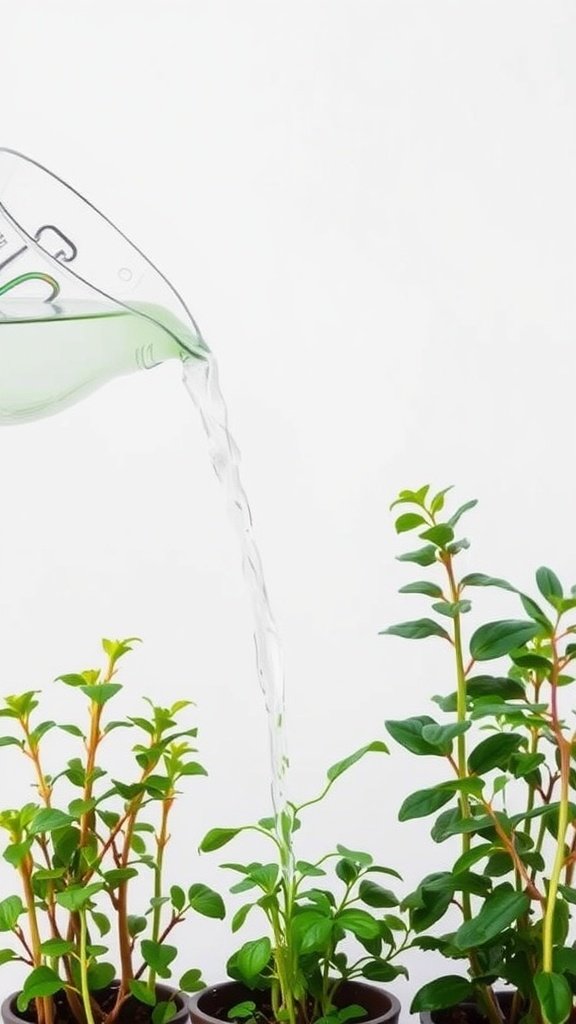
Rice water is a fantastic resource for your plants. It’s the liquid left after rinsing or cooking rice. This simple ingredient is packed with nutrients that help your plants thrive. In the image, we see rice water being poured onto healthy green plants, showcasing how easy it is to use this DIY fertilizer.
This liquid fertilizer is not only effective but also budget-friendly. Instead of tossing out your leftover rice water, putting it to good use will enrich your garden without breaking the bank. Just think of all those nutrients going back into the soil, helping your plants blossom!
To create rice water fertilizer, just follow these easy steps: rinse your rice before cooking to collect the water, or save the water after cooking. Let it cool, then pour it directly onto the soil of your plants. It’s that simple!
Using rice water regularly can lead to stronger roots and lush foliage. So next time you prepare rice, save that water for a greener garden!
Coconut Water Nutrient Boost
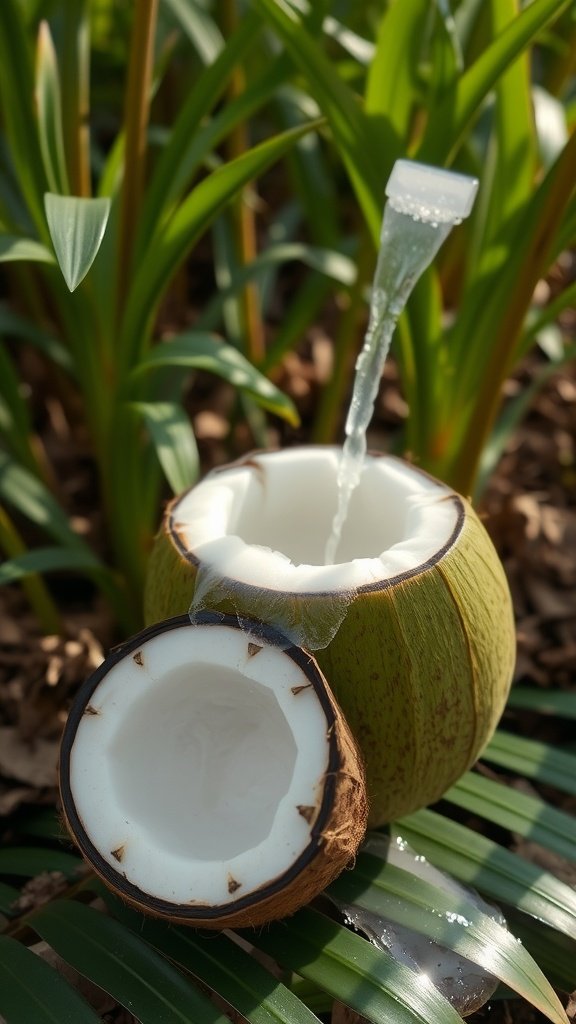
Best for: tomatoes, peppers, roses
Magnesium helps plants absorb nutrients efficiently.
How to use:
• 1 tablespoon per gallon of water
• Apply monthly during fruiting
A small boost can refresh tired leaves.
Sometimes a plant doesn’t need more effort — just the right mineral.
🌿 Troubleshooting Common Fertilizer Mistakes
Let’s look for the quiet clues.
Problem: Yellow leaves
Why: Nitrogen deficiency
Fix: Add compost or diluted fish emulsion
Problem: Blossom end rot
Why: Calcium imbalance
Fix: Add crushed eggshells + steady watering
Problem: Lots of leaves, no fruit
Why: Too much nitrogen
Fix: Pause feeding, add potassium
Remember:
“This isn’t failure; it’s feedback.”
🌸 Seasonal Notes for Zone 9
Spring
• Focus on nitrogen for leafy growth
• Add compost before planting
Summer
• Feed consistently but gently
• Prioritize potassium + trace minerals
• Protect soil with mulch
Fall
• Rebuild soil with compost
• Prep beds following your year-long gardening calendar
Winter
• Light feeding for herbs
• Focus on soil building, not heavy fertilizing
Zone 9 gives us long seasons — but that means our soil works hard.
Steward it kindly.
📖 Faith Reflection: Nourishment and Hidden Work
“Let us not become weary in doing good, for at the proper time we will reap a harvest if we do not give up.” — Galatians 6:9
Fertilizing is rarely glamorous.
It’s invisible. Quiet. Slow.
But fruit doesn’t come without nourishment.
Just as soil needs steady feeding, our hearts need consistent presence with God. Not dramatic moments. Not perfection. Just regular returning.
Grace waters what effort cannot.
🌿 Journal Prompts
• Where in my life am I trying to produce without nourishing the roots?
• What small, steady rhythm would strengthen my “soil” right now?
• What hidden work might God be doing beneath the surface?
✨ Free Printable Coming Soon
I’m creating a helpful PDF printable that will pair perfectly with this guide—something simple, beautiful, and practical for your garden and your heart.
Check back soon for the download button right here.
🌼 Related Garden Reading
• How to Build a Small Garden in Zone 9
• Ultimate Guide: Fall Soil Preparation
• The Complete Tropical Composting System
• How to Grow Spinach in Zone 9
• Grow Your Dream Garden in Just 15 Minutes a Day
🎙 Keep Growing with Me
If this stirred something in you, the Rooted in Grace podcast is waiting.
Listen here:
Apple: https://podcasts.apple.com/us/podcast/rooted-in-grace-intuitive-gardening-for-christian-women/id1823571984
Spotify: https://open.spotify.com/show/4EgefPSugDXkshfcW1ZvjC?si=b67WrXJSQOm1i-7OyL7jCQ
Podbean: https://rootedingrace.podbean.com/
If you’d like a deeper spiritual gardening journey, you can explore the Rooted in Grace eBook here:
https://southern-soil-sunshine.kit.com/products/rooted-in-grace-a-christian-guide
And if you’re longing for personal guidance, I offer one-on-one mentoring at:
https://southernsoilsunshine.com/coaching
You can also join us:
Pinterest: https://www.pinterest.com/southernsoilsunshine/
Instagram: https://www.instagram.com/southernsoils/
Facebook Page: https://www.facebook.com/profile.php?id=61573167174171
Rooted Jesus Girls Group: https://www.facebook.com/share/g/1BH57bW78z/
Ready to grow with grace? Come join me.
🌻 Final Thoughts
Feeding your plants doesn’t have to be complicated.
It can be as simple as banana peels and crushed shells. As steady as compost and quiet prayer.
Start with one small adjustment this week. One gentle feeding. One act of stewardship.
May your garden — and your heart — find rest in the slow places.