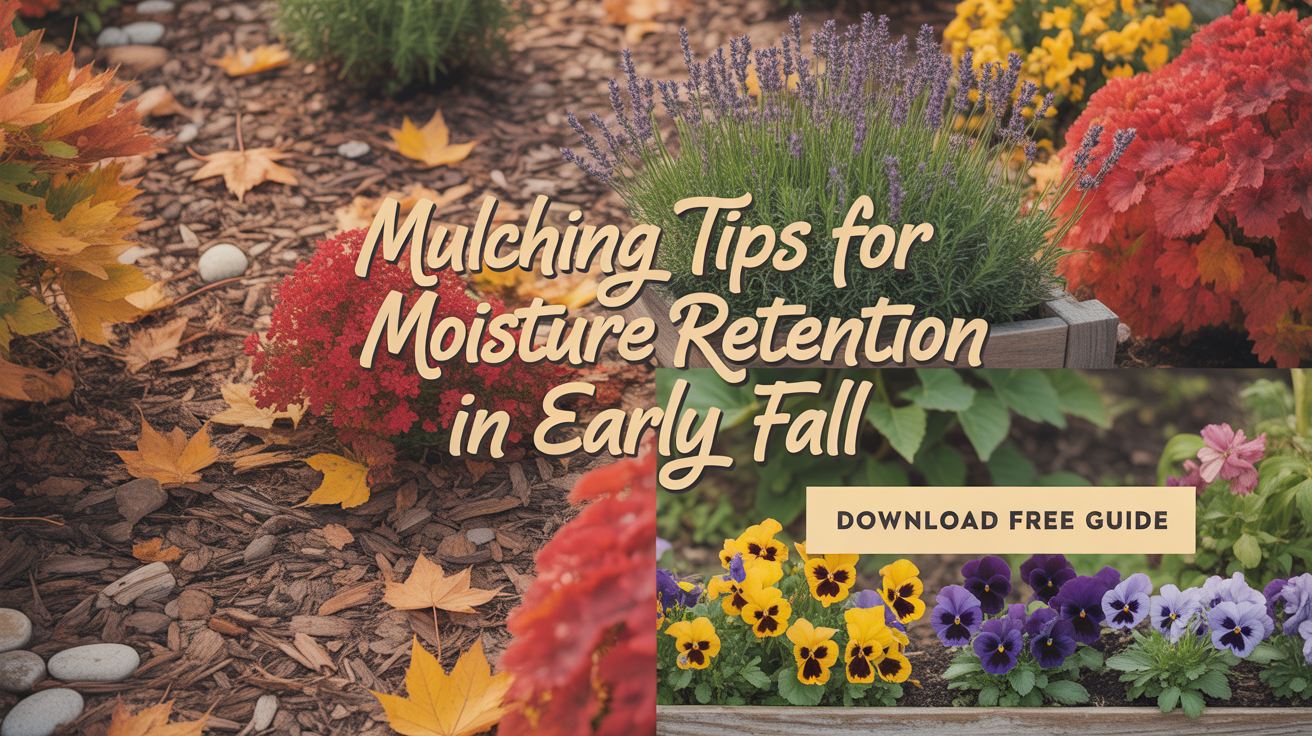
Mulching Tips for Retaining Moisture in Early Fall
Mulching Tips for Retaining Moisture in Early Fall 🌿
How to protect your soil, preserve water, and prepare for the season ahead—one layer at a time
A Covering of Kindness: Why This Matters Right Now
As summer wanes and the first hints of fall whisper through the garden, one of the kindest things you can do for your soil—and your sanity—is to mulch. Not just to make your beds look tidy, but to retain moisture, buffer the still-warm weather, and gently transition your garden into its next season.
Mulching is a quiet act of care, a way of covering what you’ve planted in grace and stewardship. It slows evaporation, nourishes the soil, and gives your plants space to rest and grow. Here in Zone 9, where September temperatures can still hit the high 80s and 90s, that protective layer becomes especially important—it’s the difference between a thriving fall garden and one that struggles through the heat-to-cool transition.
Let’s walk through how to mulch well in early fall, especially in warm climates like ours here in the Houston suburbs, where lingering heat and shifting rains call for thoughtful choices.
Free eBook
Rooted in Grace
A Christian guide to intuitive gardening — the whole book, free. Tell me where to send it and it’s yours in a minute.
Why Mulching Matters for Moisture Retention 💧
In early fall, water can still evaporate quickly from exposed soil—especially if you’re in a raised bed or container garden. Mulch creates a protective barrier that does something beautiful: it slows the loss of water that you’ve worked hard to provide.
Think of mulch as a blanket over your garden’s shoulders. It:
| Benefit | Impact in Zone 9 |
| Slows evaporation | Can reduce water loss by up to 70% |
| Stabilizes soil temperature | Buffers the swing between hot days and cool nights |
| Reduces watering frequency | Saves time and water bills during transition months |
| Prevents soil crusting | Keeps fall seeds happy and able to germinate evenly |
| Maintains humidity around plants | Helps seedlings establish before winter dormancy |
In our raised beds and containers, moisture loss happens fast—sometimes overnight if you get those dry September winds. Mulch keeps your soil from drying out like a cracked sponge in the sun, and it buys you grace on those weeks when life gets busy and you can’t water as often as you’d like.
The Unique Challenge of Early Fall in Zone 9 🌡️
Zone 9 is tricky in September and early October. We’re not quite in fall, but we’re not in summer anymore either. The temperatures can be confusing: hot days and still-warm soil, but cooler nights beginning to appear. Intermittent rains can mislead you into thinking your garden has plenty of moisture, when in reality the soil is drying out quickly between showers.
This is where observation—the first step of our intuitive gardening framework—becomes so important. Pay attention to what your soil is actually telling you, not just the calendar.
⚠️ Sanda’s Zone 9 Note: In September and early October, don’t assume cooler nights mean your soil has cooled. The ground holds heat longer than the air temperature suggests. I’ve seen gardeners in our area skip mulching in early fall, only to find their fall seedlings struggling by mid-September. That protective layer is essential during this transition, even when it doesn’t feel like you need it.
Your mulch strategy needs to balance protection with breathability so that soil doesn’t smother or mold under the cover. In our humid Houston climate, air circulation matters. We’re not trying to create a sealed environment—we’re creating a thoughtful one.
Best Mulch Materials for Fall Moisture Retention
Here are Zone 9-friendly options that insulate without overheating. Each has its own gift to give your garden:
Shredded Leaves
Free, abundant, and rich with possibility. Shredded leaves are my first choice for early fall because they’re light enough not to smother tender seedlings, yet effective at moisture retention. As they break down over weeks and months, they add organic matter to your soil—that dark, crumbly richness that makes gardening feel blessed. Great around herbs, brassicas, and lettuce. In Houston, we’re blessed with live oaks and pecans; their leaves make excellent mulch. Just shred them with a mower or leaf mulcher first—this helps them settle better and decompose more evenly.
Straw (Not Hay)
Light, airy, and water-absorbent, straw doesn’t mat or smother young seedlings the way hay can. Hay, which is dried grass with seeds, is the imposter we want to avoid—it’ll fill your beds with volunteer grasses you didn’t plant. True straw is the leftover stalks after grain harvest, nearly seed-free and perfect for veggie beds. Make sure what you’re buying is genuinely straw and that it’s weed-free. A 2–3 inch layer around kale, broccoli, or spinach beds works beautifully.
Compost as Mulch
This is one of my favorite dual-purpose choices for early fall. Finished compost feeds and protects at once, especially good for fall beds being prepped for planting. Apply a 1–2 inch layer over moist soil, and as you water it in, you’re simultaneously feeding and moisturizing. It’s like giving your garden a warm, nourishing hug. Just make sure your compost is truly finished—no hot, fresh material that might burn seedlings.
Wood Chips (in Pathways or Perennials)
Better suited for tree beds, orchard rows, and garden walkways rather than tender seedling areas. Fresh wood chips can lock up nitrogen as they decompose, which isn’t ideal for young vegetables. Use arborist chips or aged hardwood shavings if you use them at all on planting beds. In pathways, they’re wonderful for keeping down mud during our wet fall and winter months.
Grass Clippings (Dried Only)
Nitrogen-rich and lightweight, dried grass clippings are a gift if your lawn is pesticide-free. Let them dry fully—at least 2–3 days in the sun—before applying to avoid matting and heating. Fresh, wet clippings can generate heat as they decompose and can smother plants. If your lawn was chemically treated or weed-sprayed, skip this option entirely. Your garden deserves clean inputs.
How to Mulch Effectively in Fall 🛠️
The practice of mulching is simple, but the difference between mulching well and mulching carelessly shows up in your plants’ health within weeks.
✅ Sanda’s Tip: The Right Way to Mulch
Water your soil deeply before applying mulch. This is the step many gardeners skip, and it’s crucial. Dry soil is hard to rewet, and mulch sitting on top of dry earth doesn’t help much—the water just runs off. Give your beds a good soak, let it soak in for an hour or so, then layer your mulch 2–3 inches deep around plants. Keep mulch 1–2 inches away from plant stems to prevent rot and discourage pests. Use finer mulch (shredded leaves or straw) for seedlings or direct-sown areas; save chunkier material for established plants. Refresh as needed if it compacts or blows away—September wind in Houston can test your patience!
⚠️ Sanda’s Garden Wisdom: What to Avoid
Never mulch over dry or compacted soil—you’re just locking in hardness. Resist mounding mulch against stems; this is one of the most common mistakes I see, and it causes stem rot, disease, and invites pests to nest right against your plants. Don’t use fresh wood chips directly on veggie beds if they’re newly applied. And before you mulch, take a moment to check for existing pests or fungal issues on your plants. Mulch can seal in problems just as easily as it solves them.
Mulching for Fall Seedlings: A Tender Approach
Early fall is when we direct-sow many cool-season crops—lettuce, spinach, arugula, carrots, radishes, and brassicas. These seeds need consistent moisture to germinate, especially in our warm Zone 9 soil. Mulching becomes almost sacred work here: it’s the difference between a bed of thriving seedlings and a patchy mess.
For seeded beds, use your finest mulch: well-shredded leaves or a light straw layer, applied gently to a depth of about 1–1.5 inches. This keeps the soil underneath moist but doesn’t smother the emerging shoots. As the seedlings push through, they’ll push the mulch aside naturally. By the time they’re 2–3 inches tall, you can carefully add another layer if the first has settled.
The Reflection: Why This Matters Beyond Moisture 🙏
Mulching is about more than water conservation, though that’s real and measurable. It’s about practicing stewardship—acknowledging that we’re caretakers of the soil, not just users of it. Every time you apply mulch thoughtfully, you’re feeding the soil life beneath the surface: fungi, bacteria, earthworms, and microbes that make gardening work in the first place.
In early fall, as we transition from the abundance of summer to the quiet rest of winter, mulching is one way we say to our garden: I’m paying attention. I see you. And I’m here to help you thrive in this next season.
Your Early Fall Mulching Quick Reference 📋
| Mulch Type | Best For | Depth | Zone 9 Notes |
| Shredded Leaves | Seedlings, herbs, brassicas | 2–3″ | Use fall leaves; break down quickly |
| Straw | Veggie beds, pathways | 2–3″ | Ensure it’s seed-free; excellent for moisture |
| Compost | Prep beds, feeding + moisture | 1–2″ | Use finished compost only; feeds as it mulches |
| Wood Chips | Pathways, tree beds | 2–4″ | Use aged chips; avoid fresh for veggie beds |
| Dried Grass | Light mulch, moisture retention | 1.5–2″ | Only if lawn is chemical-free |
Mulching Timing: Reading Your Zone 9 Calendar 📅
Here in the Houston suburbs, the question isn’t really whether to mulch in early fall—it’s when. And that’s where observation becomes your greatest teacher. Unlike gardeners in cooler zones who mulch in late fall before a hard freeze, we have a window to work with, and timing it right makes all the difference.
Early September is your sweet spot. Soil temperatures are still in the high 80s, and while nights are beginning to cool, the ground hasn’t shifted yet. This is when mulching does its most graceful work: it protects fall seedlings through those still-hot days while beginning to moderate soil temperature for the transition ahead. If you wait until mid-October, you’ve missed the window where mulch really shines for moisture retention during germination.
Watch your soil moisture, not just the calendar. Stick your finger into the earth 2–3 inches deep. If it feels like a wrung-out sponge, apply mulch immediately after watering deeply. If it still feels moist from recent rain, you have a few days’ grace. In our humid September weather, that window can close quickly—especially if we hit one of those hot, dry spells that catch so many of us off guard.
One more thing: don’t rush to mulch before you’ve planted. Prepare your beds, plant your fall seeds or transplants, water them in, let them settle for 24 hours, then mulch. This prevents the mulch from displacing seeds and gives you a clear picture of exactly where each seedling is before you add your protective layer.
Mulch Refresh: A Mid-Season Adjustment 🔄
Here’s something many gardeners don’t think about: mulch isn’t a one-and-done proposition, especially in early fall. Our Houston weather—the wind, the occasional hard rain, the heat—breaks down and displaces mulch faster than you might expect. By mid-October, that 3-inch layer you applied in September might be 1.5 inches in some spots, matted in others, and completely blown away in pathways.
Plan for a refresh around mid-to-late October. Walk your beds and observe: Where has mulch settled and compacted? Where has it blown away? Around new seedlings, gently add another light layer. In pathways, redistribute or add fresh material. This isn’t extra work—it’s actually intuitive gardening in practice. You’re reading what your garden is telling you and responding with care.
This refresh is especially important if you’ve had heavy rain or wind. Mulch can become waterlogged and matted in our humid climate, which actually encourages fungal issues rather than preventing them. A gentle fluffing or partial replacement keeps air circulating while maintaining moisture retention. Think of it as giving your mulch—and the soil beneath it—a chance to breathe.
The Soil Ecosystem: What Happens Under Your Mulch 🦠
When you lay down mulch in early fall, you’re not just creating a moisture barrier. You’re inviting an entire community to thrive. The cooler, more consistent environment under mulch becomes a home for earthworms, beneficial fungi, and countless microorganisms that make healthy soil possible. In Zone 9, where our soil can become depleted and compacted from summer heat, this biological revival is genuinely restorative.
As mulch breaks down—especially organic materials like leaves and straw—it feeds this underground economy. Fungi form relationships with plant roots. Bacteria cycle nutrients. Earthworms tunnel, aerating soil and leaving behind their castings, which are some of the richest plant food nature offers. By October and November, when you dig into a well-mulched bed, you’ll see evidence of this life: darker soil, better structure, a crumbly richness that wasn’t there before.
This is why the type of mulch matters so much in early fall. Avoid synthetic mulches or treated wood products that can’t feed this ecosystem. Stick with materials that will decompose and contribute to soil health. In a way, every mulching decision is an investment in next year’s garden, and the year after that. You’re building fertility, not just managing moisture. That’s the long view of stewardship.
In this season of transition, as we move from summer’s intensity toward autumn’s quieter rhythm, mulching becomes a practice of deep listening. We listen to our soil, to the weather patterns of our specific place, to the needs of the plants we’ve chosen to tend. And in that listening, we find ourselves changed too—more patient, more observant, more aware of the intricate web of life that a garden really is. Mulch is humble work, but it connects us to something sacred: the ancient rhythm of growth and rest, of giving and receiving, that moves through every growing thing.
🛒 Shop This Post
What I actually reach for when I am covering beds for early fall: materials first, tools second.
- HealthiStraw Certified Weed-Free Garden Straw True straw, not hay: light enough to lay over fall seedlings without matting or seeding your beds with grass.
- 100% Natural Cedar Chips Mulch For pathways, tree beds, and perennials where a chunkier, slower-breaking cover makes sense.
- R&M Organics Compost My dual-purpose pick: it feeds and protects at once on beds being prepped for fall planting.
- Worx 13-Amp Electric Leaf Mulcher Turns live oak and pecan leaves into fine mulch that settles instead of blowing across the yard.
- Adjustable Metal Leaf Rake The expandable head pulls leaves out from between beds without dragging mulch along with them.
- Reusable Collapsible Yard Waste Bags Where I collect leaves until I have enough to shred, and they hold up through a whole Houston fall.
- VNIMTI 4-Tine Garden Fork What I use in late October to fluff and redistribute mulch that has settled or matted after heavy rain.
These are Amazon affiliate links. If you buy through them I earn a small commission at no extra cost to you — and I only link gear I actually use in my own Zone 9 garden.
Ready to Go Deeper in the Garden?
If this article resonated with you, you might be ready for something more than tips.
- Download the FREE Rooted in Grace eBook
- Get the Rooted in Grace Print Book on Amazon
- Join Rooted Reset
- Follow on Instagram – @southernsoils
- Save on Pinterest – @southernsoilsunshine
- Join on Facebook – Southern Soil Sunshine
“The garden is not just a place to grow plants – it is a place to grow yourself.”
Free eBook
Before you go — the book is yours
Rooted in Grace: A Christian Guide to Intuitive Gardening. No cost, no catch. Read it on any device, at whatever pace the season allows.




2 Comments