Garden-to-Table: Cooking with Fresh Herbs
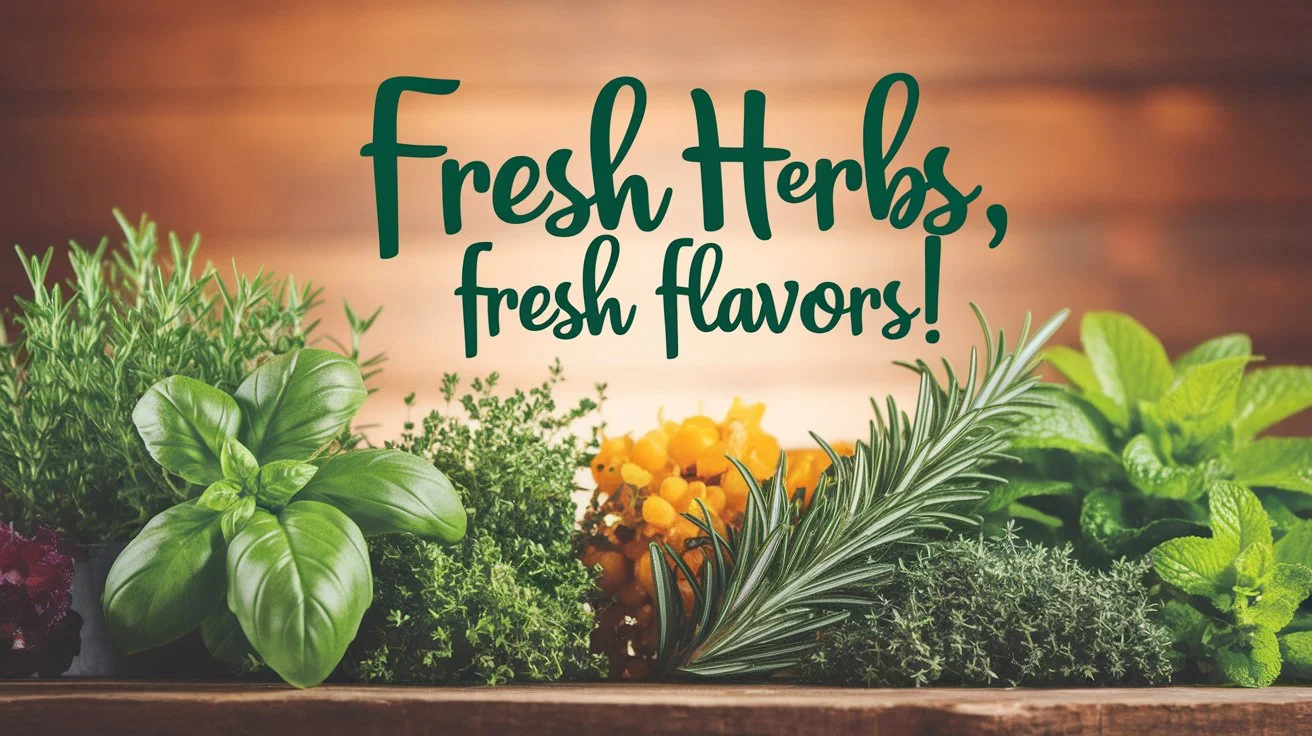
Garden-to-Table: Cooking with Fresh Herbs 🌿
There’s nothing quite like stepping outside on a warm Houston afternoon, snipping a handful of fresh basil or cilantro still warm from the sun, and tossing it straight into your cooking. It’s the ultimate garden-to-table experience—pure, flavorful, and deeply satisfying. And friends, when you’re gardening in Zone 9, you have the gift of growing fresh herbs nearly year-round.
If you’ve ever wondered how to make the most of your herb garden in the kitchen, this guide walks you through observation and reflection on what grows best in our subtropical climate, along with practical tips, beloved recipes, and preservation techniques. Together, we’ll explore how to elevate your home cooking with fresh, homegrown herbs that reflect both your garden’s rhythm and your family’s table.
Free eBook
Rooted in Grace
A Christian guide to intuitive gardening — the whole book, free. Tell me where to send it and it’s yours in a minute.
Why Cook with Fresh Herbs?
Fresh herbs transform a dish with their vibrant flavors and aromas in ways that dried herbs simply cannot match. Unlike dried herbs, which can be more concentrated but lose their essential oils during the drying process, fresh herbs bring a burst of freshness that enhances everything from simple salads to complex stews. When you’re harvesting from your own garden, you’re also harvesting at peak potency—those oils are at their strongest, and the flavor is truest.
There’s something spiritually grounding about this too. You’re connecting your hands to the soil, your harvest to your table, and your nourishment to something you’ve tended with care. That intention carries into every meal.
| Herb | Best Uses | Flavor Profile | Zone 9 Notes |
|---|---|---|---|
| Basil | Pasta, pesto, pizza, salads | Sweet, slightly peppery | Loves our heat; plant spring through early fall |
| Rosemary | Roasted meats, potatoes, breads | Woody, pine-like | Nearly evergreen; thrives year-round |
| Thyme | Soups, stews, chicken, fish | Earthy, slightly floral | Cold-hardy; winter gardening treasure |
| Mint | Teas, desserts, cocktails, fresh water | Cool, refreshing | Aggressive grower; contain in pots |
| Cilantro | Salsas, tacos, Asian dishes | Bright, citrusy | Fall/winter crop; bolts quickly in heat |
| Oregano | Italian, Greek, tomato dishes | Bold, slightly bitter | Perennial; drought-tolerant once established |
| Parsley | Garnish, soups, salads | Fresh, mild, slightly peppery | Cool-season; sow in fall for spring harvest |
| Chives | Eggs, dips, potatoes, cheese dishes | Mild onion-like | Perennial; comes back reliably every year |
Growing Fresh Herbs: Indoor & Outdoor Tips for Zone 9 🌱
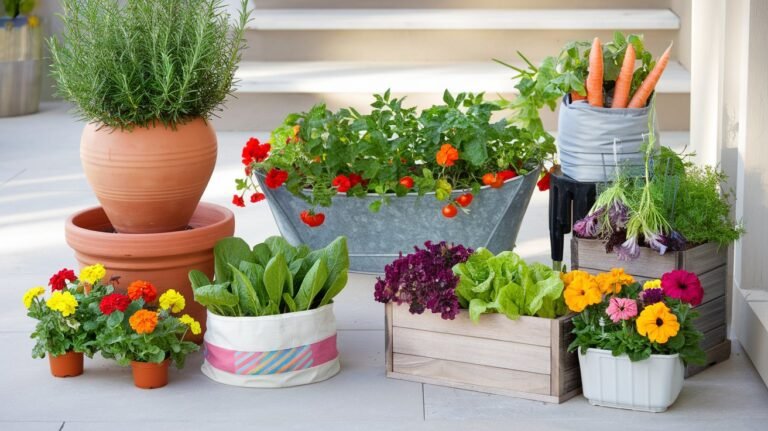
Even if you don’t have a sprawling garden, herbs are wonderfully easy to grow in containers, on windowsills, or in small backyard beds—and Houston’s long growing season gives us real advantages. Let me share what works best in our climate, based on observing what thrives in our suburban gardens year after year.
Outdoor Growing in Our Heat
Most herbs thrive with at least six hours of direct sunlight, though in peak Houston summer, some afternoon shade can actually protect tender basil from scorching. Here in Zone 9, we need to think seasonally. Spring and fall are prime herb-growing times, while summer heat can stress tender herbs like cilantro and parsley, which actually prefer our mild winters.
Start with well-draining soil—this is non-negotiable in our clay-heavy suburban yards. Consider raised beds or containers with quality potting mix mixed with compost. Harvest frequently and you’ll encourage bushier growth and prevent flowering, which keeps your herbs tender and flavorful. This is part of the intuitive rhythm: observe how your plants respond to pruning, and respond by harvesting more often when growth is vigorous.
Sanda’s Tip: In our humid Houston climate, good air circulation around herb plants helps prevent fungal issues. Space containers with a few inches between them, and avoid watering leaves directly—water at soil level in early morning instead.
Indoor Growing & Winter Gardening
One of the joys of gardening here is that we can grow herbs indoors during our mild winters and enjoy fresh harvests when gardeners up north are stuck with dried herbs. Place herb pots near a sunny south-facing window, or use a simple grow light if needed. Most herbs actually prefer slightly dry soil between waterings—one of the most common mistakes is overwatering containerized plants. Let the top inch of soil dry out before watering again.
Rotate your plants weekly if they’re indoors to ensure even sunlight exposure, and pinch off any flower buds that form to redirect energy into leaf growth.
Sanda’s Zone 9 Note: Houston’s humidity can be beautiful for growing, but watch for spider mites indoors during dry, hot months. If you notice fine webbing on plants, mist them gently with water and improve air circulation immediately.
Tips for Using Fresh Herbs in Cooking 👨🍳
Use Herbs at the Right Time
This is where observation becomes art. Soft herbs—basil, cilantro, parsley, and chives—have delicate flavors that dissipate with heat. Add them at the end of cooking to preserve their brightness. Hard herbs—rosemary, thyme, oregano—can handle longer cooking times and should be added early to infuse your dishes with their essence. A pot of simmering stew welcomes rosemary from the start, but that fresh basil pesto goes in just before serving.
Chop Wisely
Here’s a small thing that makes a real difference: finely chop herbs like chives or parsley to release their oils into dishes, but gently tear basil leaves with your hands rather than cutting them with a knife. That tearing prevents bruising and keeps the flavor brighter and more intact. It’s a small act of care that honors the plant.
Pair Herbs Thoughtfully
Some herbs are natural partners with specific foods. Basil loves tomatoes (think caprese, marinara, pizza). Rosemary pairs beautifully with roasted meats, potatoes, and focaccia. Mint shines in both savory dishes and sweet preparations. Cilantro transforms Mexican and Asian cuisine. When you’re planning a meal, let your herb garden suggest the direction: what’s thriving right now? What does that plant want to become?
Make Herb-Infused Oils
Blend fresh herbs with quality olive oil and let them infuse for a few days before straining. These oils are aromatic, beautiful, and perfect for drizzling over soups, roasted vegetables, or finishing a simple pasta dish. Keep them in the refrigerator and use within a few weeks.
Try Compound Butters
Here’s a simple technique that feels fancy but takes five minutes: mash fresh herbs like chives, parsley, or dill into softened butter, roll it in parchment paper, and refrigerate. Slice off rounds to top warm bread, grilled meats, and vegetables. It’s a gift your future self will thank you for.
Experiment with Drinks
Fresh herbs transform everyday drinks into something special. Mint in homemade lemonade, basil in a summer spritz, rosemary-infused water on a warm afternoon, or a simple herbal tea from your garden. There’s something deeply satisfying about sipping something you grew.
Sanda’s Garden Wisdom: When making herb tea, use fresh herbs at a ratio of about 1 tablespoon per cup of hot water. Let it steep for 5-10 minutes. Mint, chamomile, lemon balm, and thyme all make wonderful calming teas perfect for reflecting on the day.
Simple Garden-to-Table Herb Recipes
Fresh Basil Pesto (Perfect for Pasta, Grilled Veggies, or Sandwiches)
Ingredients:
2 cups fresh basil leaves (packed)
1/2 cup Parmesan cheese, freshly grated
1/3 cup pine nuts (or walnuts)
2 cloves garlic
1/2 cup olive oil
Salt and pepper to taste
Juice of 1/2 lemon (optional, for brightness)
Preserving the Harvest: Making Fresh Herbs Last
One of the real gifts of a thriving herb garden is learning how to extend the season’s abundance beyond the moment of snipping. Here in Houston, where our growing windows are generous but sometimes unpredictable, preservation becomes part of our stewardship. When your basil is at its peak in late spring, or your cilantro is flourishing in February, you want those flavors to carry you through leaner times.
Freezing is perhaps the easiest method for most herbs. Basil, parsley, cilantro, and chives freeze beautifully in ice cube trays filled with olive oil or water—just pop them out once frozen and store in freezer bags. They won’t have the fresh texture of garden-snipped leaves, but the flavor remains vibrant for cooking into soups, sauces, and sautés. We typically don’t recommend freezing delicate herbs raw for salads, but for cooked applications, it’s transformative.
Drying works wonderfully for hardy herbs like rosemary, thyme, oregano, and marjoram. Bundle small stems with twine and hang them in a warm, dark, well-ventilated space—a pantry corner or garage shelf works perfectly. Once the leaves crumble easily in your fingers, strip them from the stems and store in glass jars away from light. Our Zone 9 humidity can sometimes complicate air-drying, so if you notice any moisture clinging to the leaves after a week, finish drying them in a low oven (150°F for 10-15 minutes) with the door cracked open.
Herb butters and oils, as mentioned earlier, are both preservation methods and flavor multipliers. A compound herb butter tucked in your freezer becomes a quick weeknight shortcut, while herb-infused oils are shelf-stable when stored properly in cool darkness (not on your sunny kitchen counter). Label everything with the date so you know what you’re reaching for.
Succession Planting for Year-Round Harvests
One of the intuitive practices that transforms a casual herb garden into a reliable kitchen resource is succession planting—sowing or transplanting new herb seedlings every few weeks rather than all at once. This is especially important here in Zone 9, where our seasons shift quickly and dramatically.
In spring (mid-February through April), plant your warm-season lovers: basil, cilantro (early spring only, before heat), and additional parsley. By late July and August, start your fall planting—more cilantro, parsley, chives, and perhaps some fresh oregano if your established plants are looking tired. September through November is actually our second prime growing season, and many gardeners find this period even more productive than spring because the heat breaks and plants thrive without stress.
This rhythm of succession prevents the feast-or-famine cycle. Instead of one glorious month of abundant basil followed by nothing, you’ll have consistent harvests. It also protects you when individual plants bolt or struggle—there’s always another crop coming along. The practice teaches patience too; you’re planning in advance, anticipating needs, responding to seasons rather than fighting them.
| Season | Best Herbs to Plant | Houston Timing | Harvest Window |
|---|---|---|---|
| Spring | Basil, cilantro (early), parsley, chives | Mid-Feb through April | 4-8 weeks |
| Summer | Basil (heat-tolerant varieties), oregano, thyme | May through early July | Ongoing through frost |
| Fall | Cilantro, parsley, chives, mint, thyme | Late July through September | October through January |
| Winter | Rosemary, thyme, oregano, chives (perennial) | October onwards | Year-round harvesting |
Creating Herb Combinations for Common Dishes
Once you’ve been cooking with fresh herbs for a season or two, you begin to develop intuition about which herbs sing together. Rather than reaching for herbs one at a time, consider creating intentional blends that transform your everyday cooking. These aren’t formal recipes—they’re more like flavor friendships you’ve discovered through tasting and experimenting.
For Mediterranean dishes, combine rosemary, thyme, and oregano. These three are natural companions, and dried or fresh, they anchor flavors beautifully in grilled meats, roasted root vegetables, and bean-based soups. For Mexican and Latin American cooking, keep cilantro and oregano together, adding fresh lime juice and a pinch of cumin. In Italian cooking beyond pesto, parsley and basil work alongside oregano for tomato-based sauces, while thyme enriches meat dishes and braises.
The Asian flavor profile leans toward cilantro and mint as the stars, sometimes with fresh basil depending on the dish. Fresh herbs in Thai, Vietnamese, and Chinese cooking are often served fresh alongside cooked dishes, allowing each person to tear and add what they like. This is worth replicating at home—simply set a small bowl of mixed fresh herbs on
Ready to Go Deeper in the Garden?
If this article resonated with you, you might be ready for something more than tips.
- Download the FREE Rooted in Grace eBook
- Get the Rooted in Grace Print Book on Amazon
- Join Rooted Reset
- Follow on Instagram – @southernsoils
- Save on Pinterest – @southernsoilsunshine
- Join on Facebook – Southern Soil Sunshine
“The garden is not just a place to grow plants – it is a place to grow yourself.”
Free eBook
Before you go — the book is yours
Rooted in Grace: A Christian Guide to Intuitive Gardening. No cost, no catch. Read it on any device, at whatever pace the season allows.