Why Leaves Make the Best Mulch
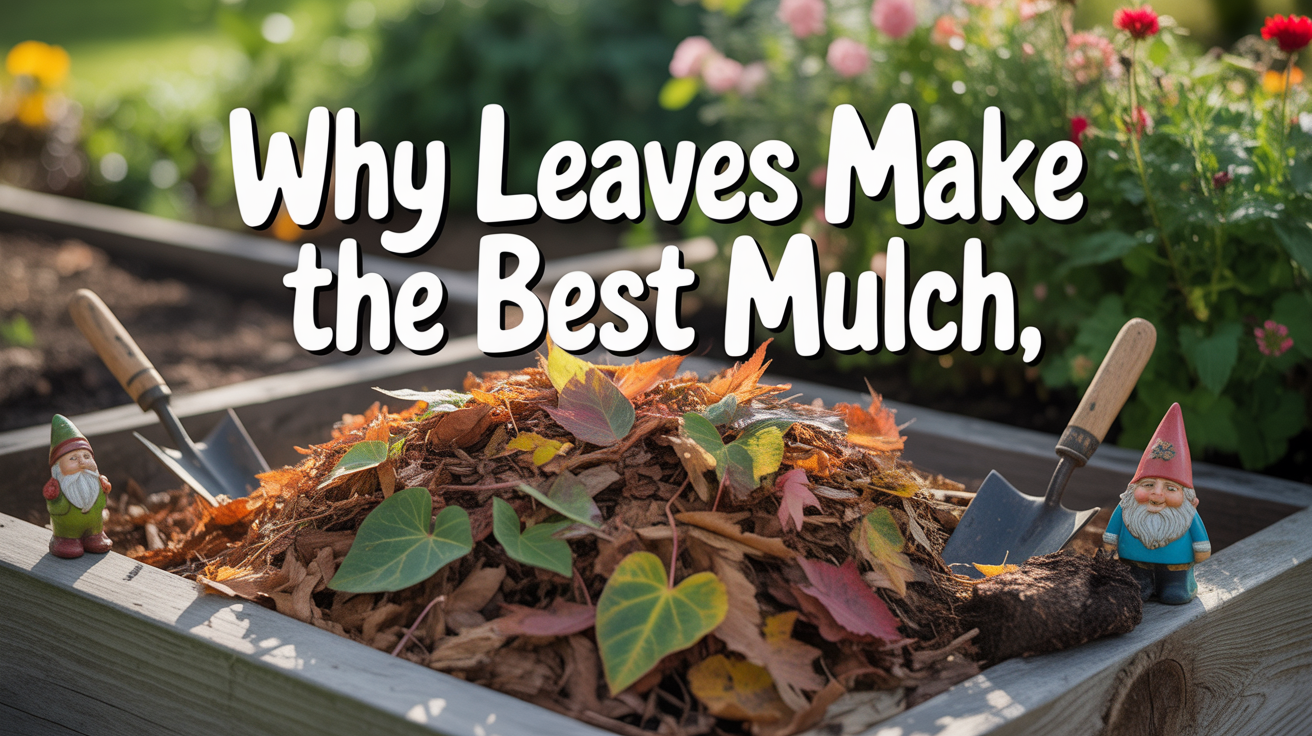
Why Leaves Make the Best Mulch: A Gift From God’s Hand to Your Garden 🍂
Every fall, I remember the rhythm of my childhood in Romania: raking leaves with my parents until the piles were taller than I was, then jumping into them with squeals of joy. Back then, I thought of leaves as work—or at best, play. I didn’t yet understand their quiet wisdom.
Years later, as a suburban gardener here in Houston, I finally realized what my parents knew but never said: leaves are not waste. They are a gift. A covering. A mulch sent straight from God’s hand to feed the soil.
I’ll be honest—when I first started gardening in America, I made the rookie mistake of bagging up my leaves and leaving them for the trash truck. Now it almost makes me ache to think of the nutrients I threw away! Over time, I’ve learned that leaves are the best mulch I could ask for: abundant, free, and perfectly designed to nourish the soil. And here in Zone 9, where our heat can be relentless and our soil often needs all the help it can get, leaves have become one of my most treasured gardening resources.
Leaves remind me of grace. Just as God covers us in His mercy, protecting and nurturing us, leaves fall to cover the soil—protecting, feeding, and holding moisture close. They are an annual parable whispered through the trees. 🌿
Free eBook
Rooted in Grace
A Christian guide to intuitive gardening — the whole book, free. Tell me where to send it and it’s yours in a minute.
What Makes Leaves Excellent Mulch for Our Zone
Mulch is any material that covers the soil to protect it and improve its structure. Leaves do this job better than almost anything else—especially when you understand what’s happening beneath that quiet brown blanket.
When I observe my beds in fall after I’ve applied leaf mulch, I see more than just coverage. I see protection working. I see nature’s cycle continuing. And when I reflect on what leaves actually do for our Houston soils—which can be dense, compacted, and nutrient-depleted—I realize they’re answering a genuine need. The way leaves respond faithfully to their purpose teaches me something about tending gardens with intention.
| Benefit | How It Works in Zone 9 | What You’ll Notice |
| Moisture Retention | Leaves create a protective layer that slows evaporation in our intense Houston heat | Less frequent watering needed; soil stays consistently moist |
| Weed Suppression | A thick layer blocks sunlight from weed seeds before they even germinate | Fewer weeds competing with your plants for water and nutrients |
| Soil Enrichment | As leaves decompose, they add organic matter and essential nutrients our clay-heavy soils desperately need | Soil becomes darker, crumblier, and more alive over time |
| Erosion Control | Leaves shield soil from our heavy spring rains and scorching summer sun | Topsoil stays in place; no washing away during storms |
| Beneficial Habitat | Leaves shelter earthworms, beneficial insects, and soil microbes that keep everything healthy | More pollinators visiting your flowers; healthier plant roots |
Leaves are God’s ready-made mulch—no plastic bags, no trips to the garden center, no environmental guilt. Just abundance falling from the trees at your feet, season after season.
Preparing Leaves for Maximum Garden Impact 🍁
While you can toss whole leaves straight onto your beds, you’ll get the best results—especially in our Houston climate—with a little intentional preparation. When I observe whole leaves on my beds, I notice how they tend to mat down, creating a barrier that water struggles to penetrate. By taking time to prepare them properly, I respond faithfully to what the garden is asking for.
Shredding Your Leaves
Running leaves through a mower or leaf shredder breaks them into smaller pieces. In Zone 9, where decomposition happens relatively quickly thanks to our heat and humidity, shredded leaves are a game-changer. They break down faster, won’t mat into an impermeable crust, and integrate more readily into the soil by spring. I use my regular lawn mower—just run it over piles of leaves in a designated area and collect the shredded results in my mower bag.
Sanda’s Tip: In Houston’s humidity, slightly damp leaves actually shred better than bone-dry ones. Wait a day or two after a light rain to collect and process your leaves. They’ll break into finer pieces with less effort, and you’ll have an easier time spreading them evenly across your beds.
Drying and Mixing
After shredding, let leaves sit in a pile for a day or two so they dry out just a bit. Slightly damp leaves clump together and are harder to spread evenly. Aim for that sweet spot—not dusty dry, but not soggy. Also, when you can, mix different leaf types together. Oak leaves, maple leaves, pecan leaves, and sweet gum leaves all decompose at slightly different rates and bring different nutrient profiles to your soil. Variety creates balance.
Sanda’s Zone 9 Note: Avoid walnut leaves (black walnut especially contains juglone, which can inhibit plant growth). Also skip diseased leaves—if you see black spots, mildew, or unusual damage, compost those separately or discard them. In our warm, moist Houston climate, fungal issues can spread quickly through leaf mulch if you’re not careful.
Best Times and Places to Use Leaf Mulch in Zone 9
Strategic Timing Throughout the Year
The beauty of leaf mulch in Houston is that we have multiple windows to apply it thoughtfully. When I reflect on the gardening year here, I see each season offering its own opportunity.
Fall Abundance (September-November): This is when leaves fall in abundance—our maples, oaks, and sweet gums provide plenty. Spread freshly shredded leaves over beds before our first cold snaps. This gives tender perennials, spring bulbs, and overwintering herbs a protective blanket. In Houston, even our mild winters can surprise us with a freeze, so this protection matters.
Winter Protection (December-February): A layer of leaves shields shallow-rooted perennials and young shrubs from unexpected cold snaps. Roses especially benefit from this treatment. Pull mulch back slightly from the base of plants to prevent rot, but keep it close enough to do its job.
Spring Refresh (March-April): As soil warms and seedlings emerge, use any remaining leaves from winter to refresh mulch around new plantings. This is when Houston’s unpredictable spring weather—sudden heat followed by cool snaps—makes mulch invaluable for keeping soil temperature stable.
Summer Survival (May-September): In our blazing Zone 9 summers, when ground temperatures can exceed 120°F and plants are gasping for relief, 2 to 3 inches of leaf mulch becomes nearly sacred. It’s the difference between wilted, stressed tomatoes and peppers and plants that actually produce. It keeps roots cooler and soil moisture more consistent.
Where to Apply Leaf Mulch
Leaves are adaptable garden citizens. They work nearly everywhere, but some spots benefit most from their presence:
Vegetable beds: Place leaves around tomatoes, peppers, beans, and herbs. The cooling effect helps our heat-loving crops actually thrive in peak summer, and the decomposing leaves feed nutrients back into beds season after season.
Flower borders: Roses absolutely thrive under leaf mulch—it keeps their root zones cool and adds the organic matter they crave. Zinnias, coneflowers, lantana, and other perennials respond beautifully too.
Fruit trees: Pecan and fruit trees have shallow feeder roots that appreciate the cooling, protective layer. Leave about 6 inches of clear space around the trunk itself to prevent rot and discourage rodents.
Containers and pots: Shredded leaves in and around potted plants keep soil from drying too quickly—essential in Houston’s intense sun. I especially use this technique for my deck container gardens.
Creating Your Year-Round Leaf Strategy for Houston 🌞
| Season | What’s Happening | Leaf Mulch Strategy |
| Fall (Sept-Nov) | Abundant leaf drop; first cool nights arriving | Collect, shred, apply generously. Stockpile extras in bags for spring and summer use. |
| Winter (Dec-Feb) | Cold snaps possible; soil rests | Keep mulch in place for protection. Pull back from plant crowns to prevent rot. |
| Spring (Mar-Apr) | Soil warming; spring plantings going in | Rake back mulch to let soil warm, then reapply around seedlings and transplants. |
| Summer (May-Sep) | Intense heat; high water demand | Use stockpiled bagged leaves to maintain 2-3 inches. Critical for moisture retention and temperature control. |
The Hidden Nutrient Profile: What Leaves Actually Feed Your Soil
When we talk about leaves as mulch, we’re often focused on what we can see—the coverage, the cooling effect, the weed suppression. But something equally important happens invisibly, right beneath that brown blanket. Different leaves bring different gifts to your Houston soil, and understanding this has changed how I collect and apply them.
Oak leaves, which are abundant here in Zone 9, are rich in tannins and carbon. They decompose slowly compared to softer leaves, which means they create longer-lasting mulch—a real advantage when you’re trying to stretch resources through our long, hot growing season. Maple leaves break down faster and add more nitrogen, making them particularly valuable around hungry feeders like tomatoes and peppers. Pecan leaves, native to Texas gardens, are nutrient-dense and decompose at a moderate pace, creating that perfect balance.
What excites me most is how this natural variation teaches us to observe and respond rather than follow rigid rules. When I collect leaves from different trees around my neighborhood—always with permission, of course—I’m essentially creating a custom soil amendment tailored to what each bed needs. The oaks go around fruit trees that need slow, steady feeding. The maples get shredded around my vegetable garden where I want faster nutrient cycling. The pecans go everywhere because, well, they’re just wonderful all-purpose contributors.
Here in Houston, where our clay-heavy soils often lack the organic matter and microbial life of more naturally rich earth, this becomes crucial. Each leaf that decomposes in your beds is adding not just nutrients like potassium, phosphorus, and trace minerals—it’s feeding the soil food web itself. Earthworms, fungi, beneficial bacteria—they all feast on decomposing leaves, and in doing so, they transform your soil from compacted earth into living, breathing ecosystem. By late spring, after a winter and spring of leaf mulch working its quiet magic, you’ll notice your soil is darker, crumblier, and genuinely alive in a way it wasn’t before.
Sanda’s Garden Wisdom: Keep a simple mental note of which trees drop leaves in your area and when. By late August, I’m already eyeing the neighborhood oaks and pecans, knowing September will bring abundance. This small act of attention—really seeing and knowing your local trees—connects you to the rhythms of your specific place in ways that make gardening feel less like a checklist and more like a conversation with your environment.
Working With Houston’s Humidity: Why Leaf Mulch Prevents More Problems Than You’d Think
If you’ve gardened in Zone 9 for any length of time, you know our humidity is both blessing and curse. It extends our growing season beautifully, but it also creates conditions where fungal diseases, root rot, and slug problems can flourish. Most gardeners reach for synthetic mulches or bark thinking they’ll solve these issues, but leaf mulch, when applied thoughtfully, actually addresses the root problem better.
Here’s what took me years to understand: the issue isn’t the moisture itself—it’s stagnant, unmanaged moisture that breeds problems. Leaf mulch, especially shredded leaf mulch, creates a layer that’s porous. Water can move through it. Air can circulate. Unlike matted whole leaves or dense bark chips that can trap moisture and heat against the soil, properly prepared leaf mulch lets your soil breathe even in Houston’s thick humidity.
I’ve also noticed that leaf mulch encourages beneficial fungi—the mycorrhizal networks that actually help plants thrive in humid conditions. These fungal partners help plant roots access water and nutrients more efficiently, which means plants are less stressed and more resistant to disease. It’s preventative medicine disguised as mulch.
The slug situation deserves its own mention. Yes, mulch provides habitat for slugs. But here’s the thing: leaf mulch also provides habitat for ground beetles, spiders, and other slug predators. The ecosystem balances itself when you let it. I’ve found that thick leaf mulch actually leads to fewer slug problems overall because the predator populations keep pace with the prey. It’s a beautiful example of how working with nature’s complexity beats fighting it with simplistic solutions.
Sanda’s Zone 9 Note: In our humid climate, always pull leaf mulch back 2-3 inches from the base of woody plants (shrubs, trees, roses). Our moisture-rich air means that mulch pressed against bark can trap humidity and encourage rot or bark-damaging insects. Give your plants room to breathe at their crown. Everything else in the bed can be generously mulched—just create that protective air gap right at the stem.
Storing and Extending Your Leaf Supply Through Texas Summers
One of the smartest shifts I made in my Houston gardening was learning to think of fall leaves not just as a seasonal gift, but as a renewable resource to stockpile. Our peak leaf drop happens over just a few weeks—late September through early November—but our need for mulch extends year-round, especially through the brutal months of May through September when temperatures soar and plants are literally fighting for their lives.
The solution is simpler than you might think: bag and store your shredded leaves. After I shred my leaves in fall, I fill large paper bags or open-weave garden bags with the shredded material and stack them in a quiet corner of my yard—usually along a fence line where they’re out of sight. You can also use old black garbage bags, though paper breathes better if you’re concerned about mold (though in our hot, relatively dry summers, this isn’t usually a problem). I typically store about one-third of my total collected leaves this way, keeping the rest applied fresh to beds for winter protection.
By June, when my beds are looking desperate and depleted from the heat and constant watering,
🛒 Shop This Post
Leaves are the best mulch in the yard and the only one that shows up free every November. This is what makes them easy to actually use.
- Adjustable Metal Leaf Rake The whole supply chain for free mulch starts here. Adjustable head gets into bed edges.
- Collapsible Leaf Collection Bags Makes hauling leaves from the front yard to the beds a two-trip job instead of ten.
- HealthiStraw Garden Straw For the winter beds where you run out of leaves, or want something that mats less.
- R&M Organics Compost Leaves are carbon. Pair them with compost so they break down instead of just sitting there.
- HANDLANDY Long Gardening Gloves Wet leaf piles hide more than you want to find with bare hands.
- VNIMTI 4-Tine Garden Fork For turning half-broken-down leaf mulch into the bed come spring.
These are Amazon affiliate links. If you buy through them I earn a small commission at no extra cost to you — and I only link gear I actually use in my own Zone 9 garden.
Ready to Go Deeper in the Garden?
If this article resonated with you, you might be ready for something more than tips.
- Download the FREE Rooted in Grace eBook
- Get the Rooted in Grace Print Book on Amazon
- Join Rooted Reset
- Follow on Instagram – @southernsoils
- Save on Pinterest – @southernsoilsunshine
- Join on Facebook – Southern Soil Sunshine
“The garden is not just a place to grow plants – it is a place to grow yourself.”
Free eBook
Before you go — the book is yours
Rooted in Grace: A Christian Guide to Intuitive Gardening. No cost, no catch. Read it on any device, at whatever pace the season allows.



7 Comments