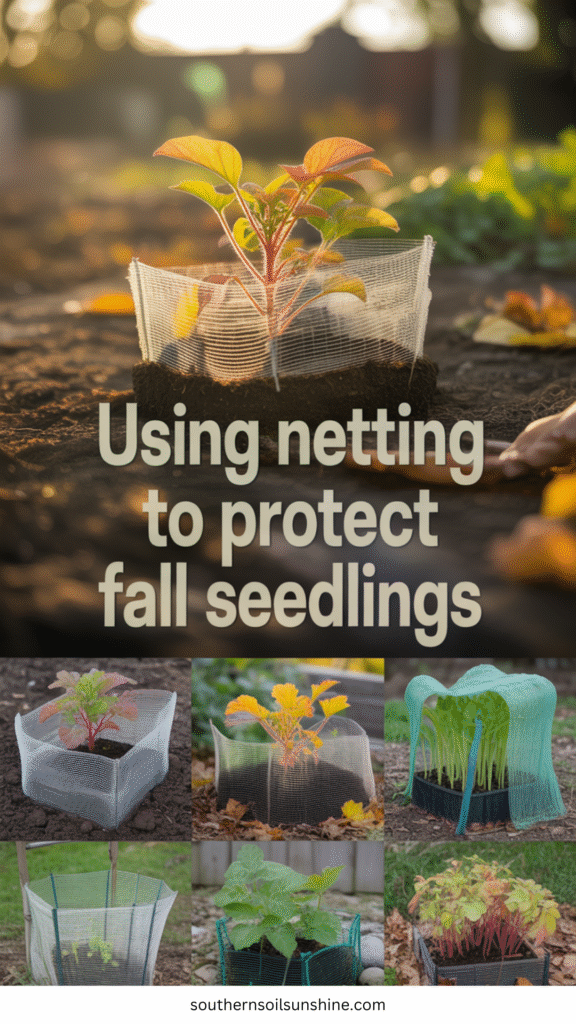
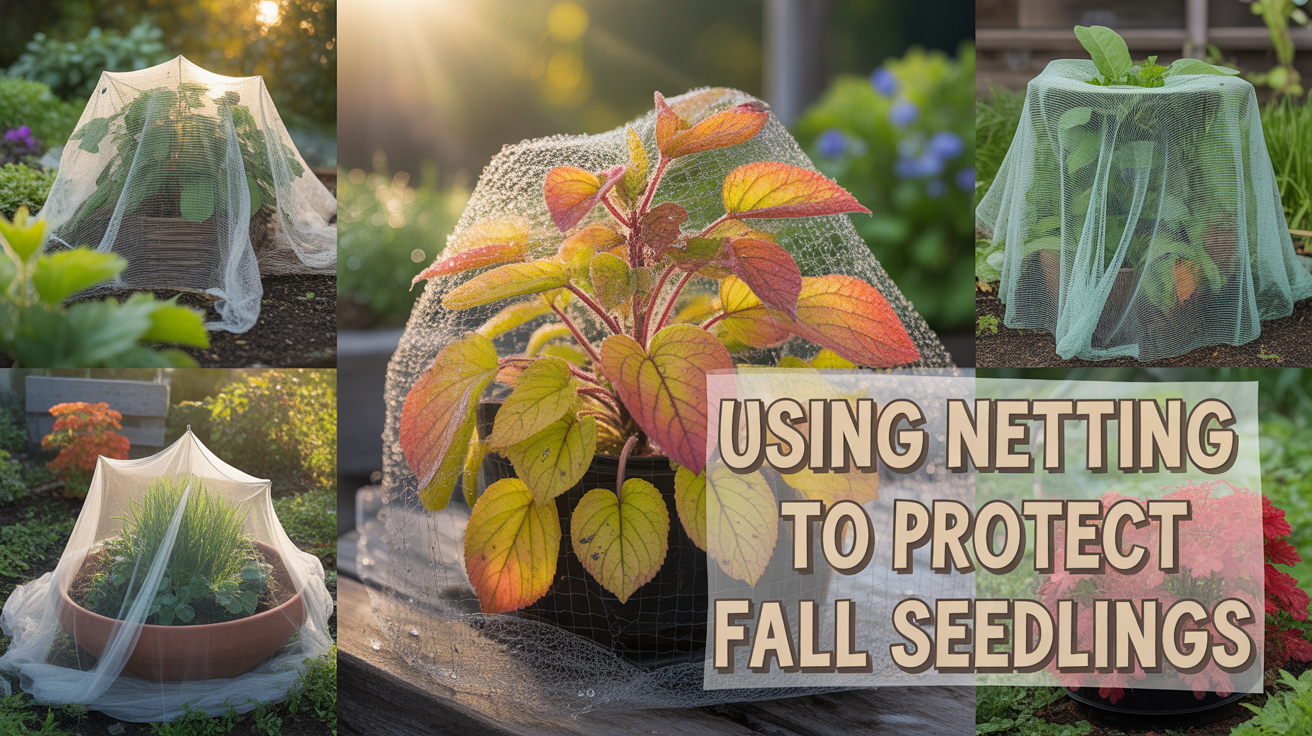
Using Netting to Protect Fall Seedlings
Some of the links on this website are affiliate links, which means that if you make a purchase through these links, I may earn a small commission at no additional cost to you. As an Amazon Associate, I earn from qualifying purchases. I only recommend products I genuinely trust and believe will bring value to my readers. Also, some of the content was created with strategic use of AI tools. For more information, please visit the Privacy Policy page. Thank you for supporting my blog and helping me continue to provide valuable content.
🌿 Introduction: Guarding the Tender Beginnings
The earliest weeks of a plant’s life are also its most fragile. In fall, when seedlings are just breaking through the soil, they face an army of threats: hungry insects, pecking birds, curious pets, and unpredictable weather.
One of the simplest and most effective ways to safeguard your seedlings is with garden netting. More flexible than row covers and more lightweight than hardware cloth, netting acts as a gentle shield. It gives seedlings a chance to root deeply and grow steadily into healthy plants without becoming lunch.
In this guide, we’ll explore how to use netting to protect fall seedlings in Zone 9, where temperatures remain warm well into autumn, and why this small act of care can save your garden from heartbreak.
🌱 Related:
How to Protect Seedlings from Heat Waves
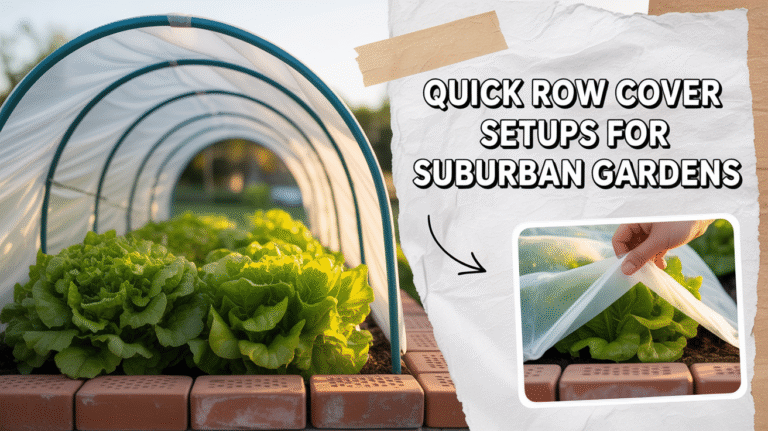
How to Plan a Row Cover System for Fall
Transplanting Fall Brassicas Successfully
🧑🌾 Why Seedlings Need Protection in Fall
Seedlings are small targets in a big world. Here’s what they face in a Zone 9 fall garden:
- Insects — Cabbage worms, flea beetles, and aphids thrive in lingering warmth.
- Birds — Sparrows, doves, and even chickens may scratch and peck at tender sprouts.
- Rodents & Critters — Rabbits, squirrels, and neighborhood pets can trample or nibble.
- Weather Extremes — Sudden downpours or gusty winds can flatten tiny seedlings.
Without protection, a bed you carefully sowed may look empty within days. Netting reduces losses and ensures your fall plantings have the best start.
🥅 Types of Garden Netting
1. Insect Netting
- Fine mesh (0.8mm–1mm)
- Blocks cabbage moths, flea beetles, and aphids
- Allows air, light, and rain to pass through
2. Bird Netting
- Larger mesh (15–20mm)
- Protects sprouts from birds and larger pests
- Best for brassicas, peas, and leafy greens
3. Deer or Critter Netting
- Heavy-duty, wider mesh
- Best for larger animals like deer or rabbits
- Usually installed vertically around a bed
4. Shade Netting
- Doesn’t block pests but reduces sunlight by 30–50%
- Ideal for seedlings germinating during hot early fall
🌱 How to Install Netting
Step 1: Frame It
Use hoops, stakes, or PVC arches to hold netting above plants. This prevents seedlings from being pressed down and gives them space to grow.
Step 2: Anchor the Edges
- Use garden staples, soil trenches, or weights (like bricks)
- Make sure there are no gaps along the ground where pests can sneak in
Step 3: Allow Access
Design your system so you can lift or open one side for easy weeding and watering.
Step 4: Adjust as Plants Grow
Raise or expand your netting setup as seedlings mature into sturdier plants.
🌱 Related: Creating a Fall Garden Layout That Lasts
💧 Watering and Care Under Netting
One of the benefits of netting is that you don’t have to remove it every time you water. Rain and irrigation pass through, though heavier netting may diffuse water flow.
Tips:
- Use drip irrigation or soaker hoses under netted tunnels.
- For overhead watering, mist settings work best to avoid heavy droplets compacting the soil.
- Check frequently for trapped moisture that may encourage mold.
🐛 Integrated Pest Protection
Netting works best when paired with other prevention practices:
- Mulch lightly with shredded leaves to deter soil splash and weeds.
- Rotate crops each season to reduce pest buildup.
- Use netting early—before pest populations establish.
🧘♀️ Intuitive Gardening Insight
Netting is about more than just protection—it’s about guarding what’s tender. It reminds us that some seasons of life require shelter, shade, and covering. Not forever—but just long enough for roots to establish.
Ask yourself:
“Where in my life do I need a gentle covering while I grow stronger?”
✍️ Journal Prompt
What am I nurturing right now that feels small, fragile, and in need of extra care? How can I provide a protective covering for it?
🌼 Grace Note
Seedlings don’t apologize for needing protection. They simply receive it, stretch toward the light, and grow. There is no shame in needing shelter while you’re small.
📘 Grow With Grace
Rooted in Grace is your companion for intuitive gardening and faithful growth.
👉 Get the eBook
👉 Explore the Garden & Soul Kit
🎧 Listen While You Tend
🎙 Rooted in Grace Podcast
Find encouragement for this tender stage of gardening:
📨 Stay Connected
Weekly devotionals, seasonal checklists, and printables delivered to your inbox: