The Ultimate Guide to Growing Herbs in Warm Climates

The Ultimate Guide to Growing Herbs in Warm Climates 🌿
Herbs are the quiet superheroes of the garden—fragrant, flavorful, and surprisingly easy to grow, especially right here in our warm Zone 9 Houston climate. Whether you’re snipping fresh basil for your pasta, muddling mint for a refreshing glass of sweet tea, or harvesting lemongrass for a fragrant curry, having fresh herbs at your fingertips elevates both your cooking and your garden’s soul. I’ve been growing herbs in my sunny suburban garden for years now, and I can tell you with absolute certainty: once you taste a sun-warmed tomato with basil you picked five minutes ago, store-bought herbs become something you’ll never quite settle for again. 💚
There’s something deeply satisfying about observing your herbs grow, reflecting on what they need, and then responding faithfully to their care. That’s the intuitive gardening rhythm we cultivate here at Southern Soil Sunshine—and herbs are some of the most forgiving teachers in the garden.
Free eBook
Rooted in Grace
A Christian guide to intuitive gardening — the whole book, free. Tell me where to send it and it’s yours in a minute.
Why Grow Your Own Herbs in Zone 9?
Our warm climate is actually herb paradise, and here’s why growing your own makes so much sense for us Southern gardeners:
Unbeatable Freshness – Nothing compares to the flavor of basil picked moments before it touches your cutting board. In our heat, herbs are potent and aromatic in ways grocery store bundles simply cannot match.
Cost Savings – Those tiny plastic clamshells of herbs at the grocery store add up fast, especially when you’re cooking fresh through our long growing season. A single herb plant pays for itself within weeks.
Low Maintenance – Most herbs actually thrive with the kind of minimal fussing that suits our busy lives. They’re perfect for gardeners who want real results without constant intervention.
Pollinator-Friendly – Bees, butterflies, and hummingbirds absolutely love herb flowers. Your garden becomes a living ecosystem that supports the creatures we need.
Perfect for Small Spaces – Even if you don’t have a sprawling garden, herbs flourish in containers on patios, balconies, or bright windowsills. This is Texas living at its finest.
Sanda’s Tip: In our Zone 9 heat, container herbs actually give you an advantage—you can move them to partial afternoon shade during the most brutal July and August days, then bring them back to full sun when temperatures moderate in fall.
The Top 5 Herbs That Thrive in Zone 9 Heat
These aren’t just survivors in our warm climate—they absolutely flourish. Let’s walk through each one with what I’ve learned from my own garden, observing what they tell me about their needs.
1. Basil 🌿 – The Heat-Loving Star
Basil is practically made for our Zone 9 summers. This annual herb practically sings in the heat, and the warmer it gets, the more flavorful your harvest becomes. I plant basil succession-style from late February through July, staggering my plantings every three weeks so I always have tender, vibrant leaves.
What Basil Needs: Full sun is non-negotiable—aim for 6 to 8 hours daily, and more is actually better in our climate. Basil loves well-draining soil rich in organic matter. Here’s what I’ve observed: basil wants consistent moisture, especially during our hot spells, but absolutely hates waterlogged soil. I water in early morning to avoid evaporation and keep roots happy.
The secret to continuous, bushy basil is regular pinching. When you see flower buds forming, pinch them off immediately—this redirects energy back into leaf production. It feels counterintuitive, but trust me: you’re pruning for abundance, not for flowers (though the flowers are beautiful and edible if you do let a few go).
Companion Wisdom: Basil absolutely loves living near tomatoes and peppers. Plant them as a trio, and you’ll notice fewer pest problems. Keep basil away from rue, which can actually inhibit basil’s growth.
Sanda’s Zone 9 Note: Once August heat peaks above 95°F consistently, basil begins to struggle. Plan for this by having succession plantings ready so you can transition to fall basil in late August. Your late-season harvest will be your most fragrant.
2. Lemongrass 🌱 – The Fragrant Workhorse
Lemongrass is one of those herbs that makes your entire garden smell like a spa. This perennial in our climate (it dies back in cold snaps but returns reliably) grows taller and more productive each year. I watch mine carefully—observing when the stalks reach about 12 inches tall, I harvest from the base, and the plant immediately sends up fresh growth.
What Lemongrass Needs: At least 6 hours of direct sun daily, though it appreciates afternoon shade during our most brutal heat waves. The soil should be loose and well-draining—lemongrass despises having wet feet. I like to add extra compost and even some coarse sand to my planting area.
Water consistently but not heavily. Think of it as liking moisture more than mint does, but less than basil demands. The beautiful thing about lemongrass is that it signals its needs clearly: leaves start to look a bit stressed when thirsty, and you respond by watering deeply.
Harvesting Wisdom: Always cut from the base and let the plant regrow. Each stalk should be at least 12 inches tall before harvesting. Over 3-4 seasons, you’ll develop strong clumps that produce prolifically.
3. Mint 🍃 – The Enthusiastic Spreader
Mint is practically a weed in our Zone 9 gardens—which is wonderful when you’re intentional about containing it. Mint is that friend who means well but needs clear boundaries. I always, always grow mint in pots, never directly in the ground (unless you want mint taking over your entire garden, which actually happens faster than you’d think).
What Mint Needs: Mint actually prefers partial shade, which is beautiful news for those of us with afternoon heat. Morning sun and afternoon dappled shade? Mint thrives. It wants consistently moist soil—never let it dry out completely. I check my mint pots almost daily because they dry faster than in-ground plantings.
Mint is hungry and thirsty, so container-growing means you’ll need to refresh the soil and fertilize more often than you would with other herbs. This is actually fine—mint responds beautifully to attention and rewards you with lush growth.
Containment Strategy: Keep multiple mint varieties in separate pots. I grow spearmint, peppermint, and chocolate mint, each in their own container. They won’t cross-pollinate this way, and you have more control. Trim often to keep plants bushy and prevent that aggressive spreading tendency.
4. Rosemary 🌲 – The Evergreen Anchor
Rosemary is the herb that grows into a shrub, especially in our climate. This woody perennial gets better year after year, becoming more established and more fragrant. I have rosemary plants that are now six years old and absolutely stunning.
What Rosemary Needs: Full sun is essential—6+ hours daily, and more is better. Rosemary wants well-draining soil and actually prefers slightly alkaline conditions. Here’s something crucial: rosemary hates wet feet. I cannot overstate this. Plant rosemary in raised beds or containers with exceptional drainage. In our humid Houston summers, overwatering is the number-one killer of rosemary.
Let soil dry out noticeably between waterings. Rosemary would rather be too dry than too wet. Once established, rosemary is quite drought-tolerant, which makes it perfect for water-conscious gardeners.
Harvesting and Propagation: You can snip rosemary sprigs as needed anytime, but avoid cutting more than one-third of the plant at once. Rosemary grows slowly but propagates beautifully from cuttings. I often take 4-6 inch cuttings in spring and root them in perlite—it’s one of my favorite ways to expand my rosemary collection.
5. Oregano 🍕 – The Mediterranean Treasure
Oregano is my go-to herb for anyone who wants something that’s genuinely hard to kill. This perennial loves our heat and actually becomes more flavorful as summer progresses. I have oregano plants that have thrived for four years with minimal attention.
What Oregano Needs: Full sun (at least 6 hours daily) and light, well-draining soil. Oregano is genuinely drought-tolerant once established. Let soil dry out between waterings. In fact, slightly drier conditions produce more flavorful leaves than lush, constantly watered oregano.
The trick with oregano is harvesting before flowering. Once flowers appear, flavor concentrates in the blossoms, and leaf flavor becomes more subtle. If you want the most robust oregano taste, cut sprigs just before flowers open.
Companion Excellence: Oregano pairs beautifully with basil, thyme, and peppers. Plant them near each other and notice how they create a Mediterranean herb corner that feels like you’ve imported a piece of Southern France to Texas.
Sanda’s Garden Wisdom: All five of these herbs do beautifully in containers, which means you can move them around as the season changes. This flexibility is one of the greatest gifts of container gardening in our climate.
The Intuitive Gardening Framework for Herbs
Growing herbs well in Zone 9 comes down to a simple practice: observe, reflect, respond faithfully. This is how I work with my herbs, and it’s become the heartbeat of my gardening.
Observe: Watch your herbs closely. Notice when leaves start to curl (thirsty), when growth slows (hungry or too much shade), when pests appear (time to companion plant or respond with natural pest management). Spend five minutes in your herb garden several times a week. Really look at your plants.
Reflect: Ask yourself: What is this plant telling me? What does it need right now? Is it the heat stressing it, or something else? This isn’t mystical—it’s practical observation informed by understanding what each herb actually needs in our climate.
Respond Faithfully: Once you understand what your herbs need, act on it. Water when they’re thirsty. Pinch back when they’re getting leggy. Shift a struggling rosemary to better-draining soil. Your herbs will respond with vigor and abundance.
Zone 9 Seasonal Timing Chart
| Herb | Spring Planting | Summer Care | Fall Planting |
| Basil | Feb-March (succession every 3 weeks) | Heavy harvest, pinch flowers, water consistently | Aug-Sept for fall crop |
Summer Stress & Strategic Shade: Reading Your Herbs in July Heat
Our Houston summers test even heat-loving herbs. When temperatures consistently exceed 95°F—which happens reliably by mid-July—even basil and lemongrass start sending stress signals. I’ve learned to read these messages and respond before my herbs struggle too much. Wilting leaves don’t always mean thirsty; sometimes they mean “I’m overwhelmed by the intensity of this heat and need a break from direct afternoon sun.”
This is where observation becomes crucial. I watch my container herbs carefully during peak summer. If basil starts looking exhausted despite consistent watering, I move pots to morning sun with afternoon shade—usually around 2 PM, my containers get relief from the harshest rays. Lemongrass behaves similarly; it actually produces better in filtered afternoon light during July and August than it does under relentless full sun. Mint genuinely prefers this arrangement and seems to relax visibly once afternoon shade arrives.
In-ground herbs present a different challenge. I use shade cloth strategically—not all day, just during those brutal 2–5 PM hours when the sun is most intense. A 30% shade cloth keeps temperature lower while still allowing plenty of light. Mulching becomes essential too; I add 2–3 inches of compost around the base of plants (keeping it away from stems) to moderate soil temperature and retain moisture during our intense heat spells.
What I’ve noticed is that herbs actually produce better when they’re not constantly stressed by extreme heat. Less stressed plants mean less bolting in basil, more consistent flavor in oregano, and stronger overall growth. This isn’t weakness—it’s wisdom. Your herbs aren’t failing you; they’re teaching you how to garden smarter in our climate.
Extending Flavor Through Fall: The Second Harvest Season
Many gardeners think herb season ends when summer heat peaks, but in Zone 9, we get a beautiful gift: a second thriving season beginning in late August. As temperatures begin their gradual descent and day length shortens, herbs genuinely seem to exhale with relief. This is when they produce their most flavorful, tender growth.
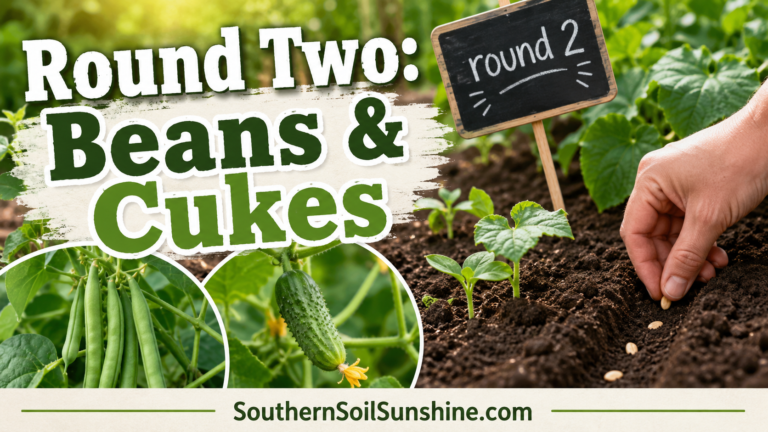
Late August is my time for succession planting again. I direct-sow basil seeds in late August so plants are established and productive by October. I plant new lemongrass divisions. I refresh container soil for mint and refresh my oregano beds. This timing feels counterintuitive—planting in the heat of late summer—but it’s precisely right. Your seedlings establish through our hot tail end of August, then explode with growth in the mild September weather.
Fall herbs have a different character than spring herbs. They’re slower to bolt, more concentrated in flavor, and genuinely seem to want your attention less intensively. I water less frequently because humidity drops and temperatures cool. I harvest more heavily because plants aren’t racing toward flowering. This second season often produces my favorite harvests of the year—there’s something about October basil and November mint that tastes like the season itself.
Pest Wisdom: Prevention Through Community
Healthy herbs actually resist pests better than stressed ones. This is one of the most liberating truths I’ve learned: your primary pest management is good culture—the right light, the right water, the right companions. When basil grows vigorously in full sun with consistent moisture, it simply shrugs off spider mites that would devastate a struggling plant.
Companion planting is my first line of pest defense. Basil near tomatoes and peppers protects those vegetables while benefiting from their proximity. Oregano and thyme together create a beautiful Mediterranean corner that attracts beneficial insects—the predatory kinds that eat the pests you don’t want. I deliberately let some herb flowers bloom (even though I pinch most) specifically to feed these good insects. A few flowering oregano plants bring in parasitic wasps that keep everything else in balance.
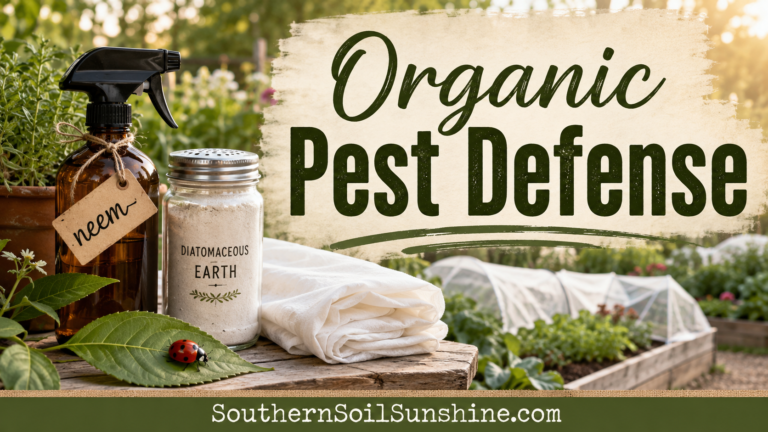
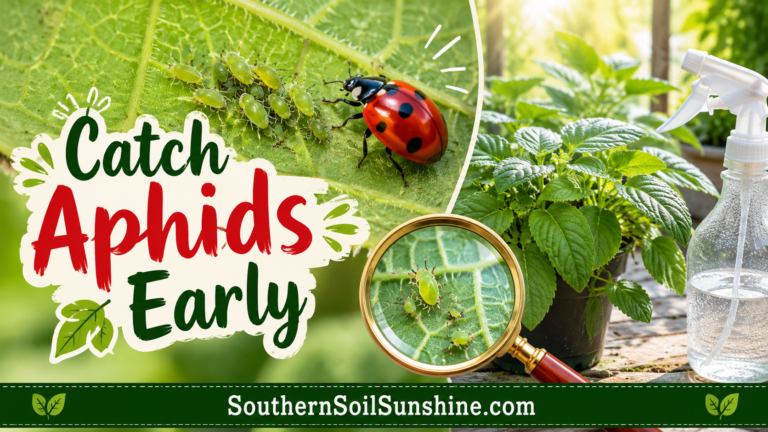
If pests do appear, I respond at the earliest sign. Strong spray from the hose often dislodges aphids. Neem oil (applied in early morning or
Ready to Go Deeper in the Garden?
If this article resonated with you, you might be ready for something more than tips.
- Download the FREE Rooted in Grace eBook
- Get the Rooted in Grace Print Book on Amazon
- Join Rooted Reset
- Follow on Instagram – @southernsoils
- Save on Pinterest – @southernsoilsunshine
- Join on Facebook – Southern Soil Sunshine
“The garden is not just a place to grow plants – it is a place to grow yourself.”
Free eBook
Before you go — the book is yours
Rooted in Grace: A Christian Guide to Intuitive Gardening. No cost, no catch. Read it on any device, at whatever pace the season allows.